What Inspired Me

unknown music lover from Japan. This blog wrote in both Japanese and English.

serph is a Tokyo-based electronic musician. Since his debut in 2009, he has built a sonic world unlike anyone else's, drawing on jazz, techno, classical, and film music. At the heart of his music lies a layered melodic architecture — multiple instruments trading a single phrase, passing it hand to hand — combined with an density of editing that defies comparison. Early years spent making music out of hunger, in near-total solitude. A life-changing encounter through the N-qia project. And in 2026, the release of Destiny Land, an album made with something lighter in its step. This article traces the arc of serph as a musician.

This article revisits serph, who was featured in an earlier post: “Three Incredible Japanese Indie Musicians You Need to Hear”. That piece left too much unsaid, so this is a dedicated deep dive.

Who Is serph?

serph is a solo project by a man based in Tokyo. He debuted in 2009 with accidental tourist, an album completed just three years after he began learning piano and composition. Since then, he has released work at a steady and prolific pace. Drawing on jazz, techno, classical, film music, and progressive rock, he has built a sound that is entirely his own.

Early Masterwork ①: vent

vent, released in 2010, was the album that introduced serph's musical voice to the world.

What makes it unusual is how the instruments behave. Rather than a single instrument carrying a melody from beginning to end, multiple instruments take turns — passing the phrase between them, layering as they go. A piano states a motif, a synth picks it up, strings weave in, a woodwind adds the accent. Before you realize it, a full architectural structure of sound has risen around you.

To call it escapism would be to underestimate how precisely this escape has been designed.

YouTube video

Early Masterwork ②: Heartstrings

Heartstrings (2011) is the album most widely recognized as serph's defining work.

What stands out is the sheer density of sound. In three or four minutes, he packs in more than most producers would attempt in twice the time. serph himself put it plainly in an interview: “I want to cram in the feeling of being alive — that sense of 'music is incredible' — into three or four minutes.” And: “I probably won't be going in a minimal direction.”

YouTube video

The Same Music Sounds Different Depending on Where You Hear It

Something worth saying plainly: this music is not the same experience on every playback system. On cheap speakers or earphones, the sheer volume of sound can collapse into a wall of noise. The layered textures, the depth of the space, the placement of each instrument — these only resolve into something you can actually hear when the system is up to the task.

That serph chose to make music this dense — knowing what it would mean for commercial reach — says something about the kind of artist he is. He knew this road didn't lead to mainstream success. He took it anyway.

Why He Remains Unknown Outside Japan

Looking at the broader scene that emerged from the noble label, two peers stand out for their international reach: kashiwa daisuke and world's end girlfriend. kashiwa daisuke released his debut on the German label onpa, and in 2009 toured eight cities across Europe including a performance at Berghain in Berlin. world's end girlfriend, operating through his own Virgin Babylon Records, had Seven Idiots distributed in the US and UK via the London-based Erased Tapes Records, with licensing across Asia.

What these two have in common is a particular kind of sound — music that sits at the intersection of crushing intensity and near-ambient space. That combination translates into the post-rock and shoegaze vocabularies that English-language media know how to reach for. Pitchfork can place it. So can The Wire.

serph's music resists that framing entirely. The melodic layering, the density of the edits — it doesn't fit neatly into post-rock, ambient, or electronica as those terms are used internationally. Pitchfork has never reviewed him. Neither has Rolling Stone or AllMusic. Heartstrings has 46 ratings on Rate Your Music and around 5,700 listeners on Last.fm. Those numbers bear no relationship to the quality of what's there.

The reason serph is unknown outside Japan is not a question of quality. It is that his music refuses to sit inside any category that already exists.

Below, for comparison: an early work by kashiwa daisuke, and one of the more accessible tracks from world's end girlfriend.

YouTube video

YouTube video

Work That Costs Everything

Anyone who has made music with a DAW will understand this intuitively.

Stacking dozens of sounds onto a single track, adjusting the volume, panning, EQ, and timing of each one individually, then balancing the whole — this is work that demands enormous concentration and enormous amounts of time. A single bar can take hours to complete. That serph has reported making around 300 tracks a year gives some sense of what this commitment actually looks like.

Now add the knowledge that the work will not be commercially rewarded. Choosing to build music at a density that overwhelms most playback systems means giving up on most potential listeners from the start. Maximum effort, minimum return — and yet the work continues. In that sense, calling it a life-or-death undertaking is not an exaggeration.

Before his debut, serph said this: “I make music every day to satisfy a kind of mental hunger.” He was isolated, socially adrift, unable to find his place. Music was the only space where he was allowed to exist. That hunger was what produced the density.

The Encounter That Changed Everything: N-qia

To understand how serph's music changed, you have to understand N-qia.

Around 2010, a vocalist named Nozomi sent a message to serph through MySpace: “Please let me sing.” He listened to her demo without high expectations, then met her, and they started making music together. That was N-qia — and later, a marriage.

In a 2016 CINRA interview, serph described what the encounter meant: “Meeting her, I rediscovered a version of myself that could be open and uncomplicated. The suspicion I'd carried for so long just gradually loosened.”

In an earlier interview, he had described making music from a place of “mental hunger.” That hunger had roots — isolation, a sense of not belonging, accumulated self-negation. Music was the “escape.” But Nozomi slowly changed that structure.

By 2018, he was saying: “I used to say I made music out of hunger. Now it's the complete opposite.”

The music he had made at such cost, having mastered it completely, was beginning to feel lighter.
YouTube video

2026: Destiny Land

On March 6, 2026, serph released Destiny Land — eleven tracks, his latest album.

The density is still there. So is the layered architecture that has defined his sound since Heartstrings. But something has shifted. There is a looseness to it, a sense that the music is being made from a different place than it once was — not from hunger, but from something more like fullness.

YouTube video

Beyond the Flood

serph's music makes demands of the listener's equipment. That is not a barrier — it is an invitation.

He chose density over accessibility, craft over commerce, and kept choosing it through years when the choice cost him enormously. That commitment is audible in every track. And now, for the first time, the music carries something the early work didn't quite have: the sound of someone who has come through the other side.

Listen to Destiny Land on the best system you have access to.

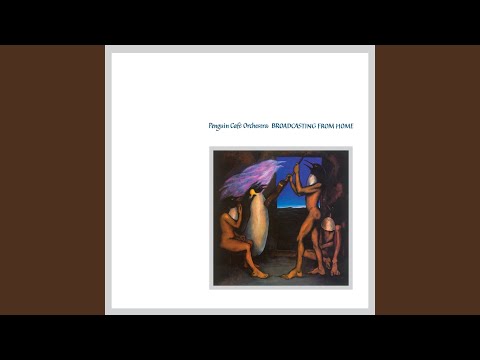
ある日、BBC Radio 3の「Late Junction」から流れてきた音楽に、私は手を止めた。弦楽器とギターが踊るように絡み合う、聴いたことのない音楽だった。曲名とバンド名をメモして、アルバムを聴き始めた。そうして何枚か掘り進めていくうちに、ふいに気づいた瞬間があった。HPのCMで何年も耳にしていた、あの旋律が流れてきたのだ。

Penguin Cafe Orchestra。その名前を知るまで、私はすでに何年もその音楽とともに生きていた。

「知っているけれど、誰の音楽か知らない」。Penguin Cafe Orchestraとはそういう存在だ。

食中毒の夢から生まれた音楽

Penguin Cafe Orchestraを語るには、まず1972年の南フランスから始めなければならない。イギリス人ギタリストのSimon Jeffes(サイモン・ジェフス)は、そこで腐った魚を食べて体調を崩した。病床に就いたSimonは、高熱のなかで奇妙なビジョンを繰り返し見た。

そのビジョンをArthur Jeffes(Simonの息子)が後年こう語っている。「父は近未来の悪夢を見た。人々はコンクリートの巨大な建物に住み、画面を見つめて生きていた。部屋の隅には大きなカメラがあり、常に監視されていた。ある部屋では愛のないセックスをしているカップルがいて、別の部屋では膨大な機材に囲まれたミュージシャンがいた――しかしヘッドフォンをつけているので、部屋には実際には音楽が鳴っていなかった」

この非人間的な世界の対極にあるものとして、Simonは夢のなかで「ペンギンカフェ」を見た。薄暗い道を歩いていくと、光と騒音があふれ出る古びた建物がある。中に入ると長いテーブルがあり、見知らぬ人々が肩を並べて座っている。奥では楽団が演奏している——どこかで聴いたことがあるような、でも思い出せないような音楽を。

熱が下がったSimonは決意した。その夢の楽団が奏でる音楽を自分で書こう、と。そうして1972年に生まれたのがPenguin Cafe Orchestraである。

「オーケストラ」という名の室内楽

「Orchestra(オーケストラ)」という名称から、多くの人は大編成の管弦楽団を想像するだろう。だが実際のPenguin Cafe Orchestraは、その言葉のイメージとはかけ離れた、小さなアンサンブルだった。

ギター、チェロ、ヴァイオリン、ウクレレ、トロンボーン、打楽器。メンバーは曲によって流動的に変わり、ハーモニウム(足踏み式オルガン)やペニーホイッスル、さらにはゴムバンドや電話の発信音まで楽器として用いた。これはどう見ても室内楽——あるいはそれ以上に自由な、カテゴリーを拒む音楽だった。

「Orchestra」という名称はSimonのユーモアであり、音楽的なマニフェストでもあった。権威ある響きを持つ言葉を借用しながら、その概念を静かに解体する。大ホールを満たすような音楽ではなく、カフェの奥で演奏されるような、親密で体温のある音楽。それがSimonの目指したものだった。

YouTube video

「Perpetuum Mobile」(1987年)。15/8拍子という変拍子で書かれたこの曲は、終わりそうで終わらない、永遠運動機械のような感覚を持つ。『The Handmaid's Tale/侍女の物語』のTVドラマや映画『Mary and Max』のテーマとしても知られる。

同時代の音楽と、イギリス的なもの

1976年にデビューアルバムをリリースしたPenguin Cafe Orchestraは、同時代のさまざまな音楽の流れの上に立っていた。

アメリカではSteve ReichやPhilip Glassがミニマル・ミュージックを展開していた時期だ。繰り返しのパターン、声部の積み重ね、静かな変容——PCOの音楽にもそれに似た構造がある。しかしミニマリズムの持つ抽象性や冷ややかさとは、PCOは明らかに一線を画している。

現代音楽としてのミニマル・ミュージックが知的な構造美や厳格さを追求するのに対し、PCOの音楽には底抜けの遊び心がある。ゴムバンドを楽器にしたり、電話の発信音をループさせたり、「Telephone and Rubber Band」という曲名そのままに笑いを音楽に持ち込む。変拍子も複雑な対位法も、PCOの手にかかれば難解さではなくユーモアになる。ミニマリズムの語法を借りながら、その緊張感をほぐしてしまう——そこにSimon Jeffesという人物の独自性があった。

その遊び心の源泉のひとつが、イギリスおよびアイルランドの伝統音楽(トラッド)にあると思う。トラッドには、リールやジグといった舞曲のために短いフレーズを繰り返す構造が古くから根付いている。踊り続けるための反復、少しずつ変化しながら循環するメロディ——それはミニマル・ミュージックが知的に追求したものと、形は違えど本質的に近い。PCOはその二つの反復を、学術的な文脈ではなく身体的な喜びとして音楽に持ち込んだ。

象徴的なのが「Music for a Found Harmonium」の誕生秘話だ。Simonが日本ツアー中に路上で偶然見つけた古びた足踏みオルガン。その不完全な楽器から生まれたシンプルなメロディは、あまりにも自然にアイルランドのリール(伝統舞曲)の文法に溶け込んでいたため、Patrick Street、De Dannan、Kevin Burke、Sharon Shannonといったトラッドの名手たちが「自分たちの音楽」として次々とカバーしていった。クラシックでも現代音楽でもなく、人々が踊り、笑い、騒いできた音楽の記憶——それがPCOのユーモアと遊び心を支えていた。

デビューアルバムはBrian Enoが主宰したObscure Recordsからリリースされた。Enoのアンビエント音楽は「聴かれることも、無視されることもできる」という静的な空間の提示だった。対してSimonのビジョンは、人々が集まるカフェという場所の熱量やノイズを内包するものだった。PCOの音楽がどこか人懐っこいのは、Enoの「無人」の気配に対して、常に体温のある他者を感じさせるからかもしれない。同じ頃、Kraftwerkはテクノという新しい音楽の言語を作り出していた。PCOはそれらの同時代的な問いを共有しながら、しかしより人間的な方向へ、より温かい場所へ向かった。

フォークの躍動感、ミニマリズムの構造、アンビエントの空気感、そして室内楽の親密さ。これらをイギリス的な叙情性でひとつに溶かしたもの——それがPenguin Cafe Orchestraの音楽だったと思う。Philip Glassの冷たさもなく、Enoの没個性もなく、Kraftwerkの機械性もなく、もっと人間的で、もっとほころびがあって、もっと笑いがある。

YouTube video

「Music for a Found Harmonium」(1984年)。路上で見つけた足踏みオルガンからインスピレーションを得た楽曲。アイルランドのトラッドミュージシャンたちにカバーされ、映画「Napoleon Dynamite」でも使用された。

成功と、忘却と、遍在

Penguin Cafe Orchestraは「無名」ではなかった。1987年のアルバム「Signs of Life」はイギリスのチャートにランクインし、世界中をツアーした。日本でも人気を博し、ロイヤル・バレエが彼らの楽曲をバレエ作品に採用した。The South Bank ShowやTerry Woganのテレビ番組にも出演した。

しかし私が生まれた年(1976年)にデビューアルバムがリリースされた彼らの音楽は、今となっては「古い」。ストリーミング時代のアルゴリズムは新譜を優先し、Simon Jeffesは1997年に脳腫瘍で48歳の若さで世を去った。新しい音楽が生まれることも、新しいツアーが行われることもなくなった。

それでも音楽は生き続けた。映画のスコアとして、テレビドラマのサウンドトラックとして、CMの背景音楽として。HPを筆頭に数多くの企業広告に使用され、『The Handmaid's Tale/侍女の物語』『Mary and Max』『Napoleon Dynamite』『Capitalism: A Love Story』——これほど多くの映像作品にPCOの音楽が使われてきた。

「知っているけれど、誰の音楽か知らない」現象は、つまりこういうことだ。音楽は知名度を失った後も、別の回路で人々の耳に届き続けた。名前だけが、時代の流れのなかに置き去りにされた。

息子が継いだもの

Simon Jeffesの死から10年後の2007年、元メンバーたちがロンドンのUnion Chapelで追悼コンサートを開いた。そのステージに、Simonの息子Arthur Jeffes(アーサー・ジェフス)がパーカッションとキーボードで参加した。3公演はすべて売り切れだった。

その反響に背を押されたArthurは、2009年に「Penguin Cafe」という新たなバンドを結成した。元PCOのメンバーは一人も含まれない、全く新しいアンサンブルで。

Arthurはケンブリッジ大学で考古学と人類学を学んだ知性の人であり、同時に実験音楽への情熱を持つ音楽家でもある。幼少期にピアノの鍵盤をハンマーで叩いたエピソードが伝わっているが、父Simonはそれを「実験精神の芽生え」と捉えたという。

Penguin Cafeとして5枚のアルバムをリリースし、そのすべてがErased Tapes——Nils FrahmやÓlafur Arnalds、Johann Johannssonを擁するポストクラシカルの名門レーベル——から出ている。この事実は、ArthurがただSimonの遺産を守るだけでなく、現代のポストクラシカルやネオクラシカルの文脈にPenguin Cafeの音楽を新たに位置づけていることを示している。

YouTube video

Penguin Cafeに息づく反復構造とユニークな遊び心のなかに父親の作り出した音楽の影響の大きさを見て取るのはたやすい

カフェの奥で、今も

最新アルバム「Rain Before Seven…」(2023年)は、Arthurが率いるPenguin Cafeの現時点での到達点だ。「Rain before seven, fine before eleven(七時前に雨が降れば、十一時には晴れる)」という古いイギリスの天気のことわざをタイトルに持つこのアルバムは、父の音楽の精神を引き継ぎながら、Arthurの独自の声でそれを語り直している。

ヴァイオリン、チェロ、コントラバス、打楽器にバラフォン、ウクレレ、メロディカ。Simonがゴムバンドや電話音を楽器にしたように、Arthurも「予想外の音」を室内楽の文脈に持ち込む。その姿勢は一貫して父の哲学に忠実だ——「面白い、少し変な発想を取り上げて、変なことをする。でも美しく、感情的にアクセスできる音楽として」。

夢のカフェは今も続いている。奥の楽団は演奏を続けている。そしてあなたはきっと、すでにその音楽を聴いている。ただ、その名前を知らなかっただけで。

概要 serphは東京を拠点とする電子音楽家だ。2009年のデビュー以来、ジャズ、テクノ、クラシック、映画音楽を横断しながら、他の誰にも似ていない音響世界を構築してきた。その音楽の核心にあるのは、重層的な楽器の交代によるメロディーの構築と、常人離れした密度のエディットだ。商業的成功とは相容れない道を選び、飢餓感の中で作り続けた初期。N-qiaという活動を通じた人生の転換。そして2026年、肩の力が抜けた新作Destiny Landのリリース——この記事はserphという音楽家の軌跡を追う。

この記事は以前掲載した「もっと知られてほしい日本のインディーミュージシャン3組」でserphを取り上げたが、紹介しきれなかった部分が多かったため、改めて単独で掘り下げることにした。

serphとは

serphは東京在住の男性によるソロ・プロジェクト。2009年、ピアノと作曲を始めてわずか3年で完成させたアルバム『accidental tourist』でデビュー。以来、コンスタントに作品をリリースし続けている。ジャズ、テクノ、クラシック、映画音楽、プログレなど多彩な要素を取り込みながら、独自の音響世界を構築してきた電子音楽家だ。

初期の傑作①:vent

2010年リリースの2ndアルバム『vent』は、serphという音楽家の輪郭を世に知らしめた作品だ。

この作品の特異さは、楽器の使い方にある。ひとつのhttps://write.as/hiroaki-satou/yin-nohong-shui-nini-reru-serphnoshi-jie/editメロディーラインを単一の楽器が担うのではなく、複数の楽器が交代でそのメロディーを受け渡しながら、重層的に積み上げていく。ピアノが提示したフレーズをシンセが引き継ぎ、そこにストリングスが絡み、管楽器がアクセントを加える——気づけば音の建築物が目の前にそびえ立っている。

YouTube video

初期の傑作②:Heartstrings

2011年の『Heartstrings』は、serphの代表作として広く認知されている。

この作品で顕著なのは、音の密度の凄まじさだ。3〜4分という短い尺の中に、これでもかと音が詰め込まれている。serph自身、インタビューでこう語っている——「3、4分の中で、とにかく生きている実感というか、音楽ヤバい!という感覚をぶち込みたい」「ミニマルな方向は自分はたぶん行かない」と。

YouTube video

再生環境が変わると、別の音楽になる

正直に言っておきたいことがある。この音楽は、再生環境によって全く異なる体験をもたらす。安価なスピーカーやイヤフォンでは、音の洪水に飲み込まれて轟音になってしまうことがある。細部に折り重なった音の層、空間の奥行き、各楽器の定位——それらはある程度の再生環境があって初めて解像度を持って聴こえてくる。

それほどまでに緻密なエディットを施した音楽が商業的に成功しにくいことは、serph自身が誰よりもよく知っているはずだ。それでもその道を選び、極め続けた。

なぜ海外で知られていないのか

同じnobleレーベルから生まれた日本エレクトロニカのシーンを見渡すと、kashiwa daisukeとworld's end girlfriendはいずれも海外との接続に成功している。kashiwa daisukeはデビュー作をドイツのonpaレーベルからリリースし、2009年にはベルリンのBerghainを含む欧州8都市でツアーを行った。world's end girlfriendは自身のレーベルVirgin Babylon Recordsを拠点にしながら、UK拠点のErased Tapes Recordsが欧米での配給を担い、アジア各国でもライセンスされた。

両者に共通するのは音楽性だ。暴力的なまでの音圧と、アンビエントに近い空間感の共存——それは言語を超えてポストロックやシューゲイザーの文脈で受容されやすい音楽だった。Pitchforkをはじめとする英語圏メディアもこの文脈で語ることができる。

serphの音楽はその構造が根本的に異なる。重層的な楽器の交代と、濃密なメロディックエディットは、ポストロックやアンビエントの文脈に単純には収まらない。PitchforkもRolling StoneもAllMusicも、serphを取り上げたことがない。Rate Your MusicでのHeartstringsの登録数は46件、Last.fmのリスナー数は約5,700人にとどまる。この数字は、その音楽の完成度とはおよそ釣り合わない。

serphが海外に知られていない理由は、音楽の質の問題ではない。その緻密さが、既存のカテゴリに収まることを拒んでいるからだ。

Daisuke Kashiwaの初期の代表作 YouTube video

World’s ends girlfriendsの曲の中でもポップで聴きやすい作品の一つ YouTube video

命懸けの作業

DTMで音楽を作ったことがある人なら、直感的にわかることがある。

ひとつのトラックに何十もの音を重ね、それぞれの音量・定位・EQ・タイミングを微調整し、全体のバランスを整える作業は、集中力と時間の消耗が極めて激しい。一小節を仕上げるのに何時間もかかることがある。serphが年間300曲ほど制作していると語っているのは、その作業量の凄まじさを物語っている。

さらに、その緻密さが商業的成功と相容れないことをserph自身が知っている。再生環境によっては轟音になるほどの密度で音を重ねるということは、大多数のリスナーへの訴求を最初から手放すことを意味する。労力は最大、リターンは最小——それでも作り続けるという選択は、精神的なコストという意味でも、命懸けの作業と呼ぶに値する。

デビュー前、serphはこう語っていた。「精神的な飢餓感を満たすために毎日曲を作っている」。孤独と社会的不適合感の中で、音楽だけが唯一の居場所だった。その飢餓感が、あの密度を生み出していた。

N-qiaという出会い

serphの音楽の変遷を語るとき、N-qiaというユニットを避けることはできない。

2010年頃、MySpaceでボーカリストのNozomiから「歌わせてください」というメッセージが届いた。serphは軽い気持ちで音源を聴き、会い、一緒に音楽を作り始めた。それがN-qia——後に夫婦ユニットになる出会いだった。

2016年のCINRAのインタビューで、serphはその意味をこう語っている。「彼女と出会って、素直でいられる自分を再発見して、猜疑心みたいなものがどんどんほぐされました」。

デビュー前、serphは「精神的な飢餓感を満たすために毎日曲を作っている」と語っていた。その飢餓感がどこから来ていたか——孤独、社会への不適合感、自己否定の蓄積。音楽はその「逃げ場」だった。

しかしNozomiとの出会いは、その構造を少しずつ変えていった。2018年のインタビューでは「飢餓感で音楽を作ってるという話をしたと思うんですけど、今は真逆なんですよ」と語っている。

命懸けで作り続けた音楽が、その道を極めたことで、少しずつ軽くなっていった。

YouTube video

2026年新作:Destiny Land

2026年3月6日、serphは新作アルバム『Destiny Land』を11曲でリリースした。

『Heartstrings』以来の密度と、N-qia以降に獲得した軽やかさが共存している。重層的な音の構築はそのままに、どこか肩の力が抜けた感触がある。飢餓感ではなく、充足から生まれた音楽の手触りだ。

YouTube video

音の洪水の先に

serphの音楽は、再生環境を要求する。それは敷居ではなく、招待状だと思う。

轟音になりうるほどの密度で音を重ね、商業的な成功とは相容れない道を選び、それでも作り続けてきた。そのストイックさが音楽に染み込んでいる。そして今、その音楽はかつての飢餓感ではなく、解放の感触を帯びはじめている。

Destiny Land を、できれば良い環境で聴いてほしい。

A few artists from Japan's indie scene deserve far more attention than they get. Here are three I keep coming back to — and why.

1. Why Serph's Music Is a Life-Staking Masterpiece

Animators know exactly how insanely difficult it is to create high-level animation. It's the same with Serph's music.

Listen to it through high-quality speakers and you feel as if you're bathed in a flood of sound. The textures shift in highly complex ways, layered over and over to build the track. Every single sound is finely chopped, stacked hierarchically, and scattered across the timeline — almost like frame-by-frame animation. The flow is controlled with that same multi-layered precision.

It's a world you can never truly access through cheap smartphone speakers.

Serph spends endless hours on this kind of obsessive micro-editing, fully aware that this style will never go mainstream or make him rich. It is, without a doubt, a life-staking creation.

When you listen to his music, start by focusing on the drums. You'll quickly notice the pattern almost never repeats — it keeps shifting, track after track. There are also moments where the piano breaks into fast, intricate arpeggios, driving the song forward and weaving its own rhythms on top of everything else.

The way he builds rhythm — pulling your whole body into motion — is brilliant. It's like a kaleidoscope.

Start here: Serph's track “Soda” is the perfect entry point.

YouTube video

If you like “Soda,” you'll also love the track that follows it on the same EP, “Coquettish Bomber” — my personal favorite of his entire catalog. It takes a chopped-up vocal sample and turns it into a gorgeous, unexpected melody.

YouTube video

His music feels like animation in sound form, and Japanese animation is already loved around the world. I'd love to see more people discover the music that carries that same spirit.

YouTube video

2. The Most Beautiful Melodies in Post-Rock, From Japan

miaou's music is built on stunning melodies and carefully crafted song progressions, which sets them apart from most other instrumental post-rock bands. Their songs aren't built on the typical slow burn toward a wall of distorted guitar — melody leads, not noise.

Even within the Japanese music scene, they remain a minor name. But looking back at the instrumental rock boom of the early 2000s, I'd argue they wrote some of the most remarkably beautiful melodic progressions of any band in the world during that era.

I also love that their drummer and bassist are both women — power playing like theirs is still rare for women in the post-rock scene, and what they bring to the rhythm section is genuinely awesome.

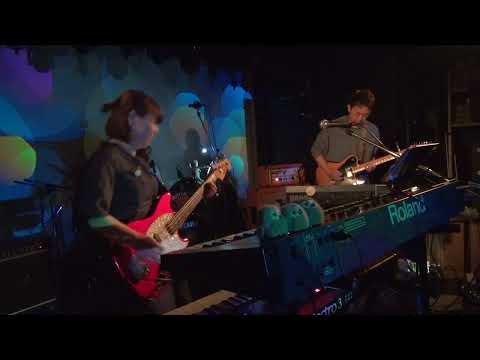
Watch their live performances and you'll notice electronic programming is kept to an absolute minimum — it's all played, in the room, by the four of them. I especially love watching them form a circle on stage, listening closely to one another to lock their rhythms into perfect sync.

YouTube video

And this is the another piece of there's great live performance

YouTube video

3. A Japanese Rock Band You Need to Know

The lyrics Spangle call Lilli line sing don't always make conventional sense in Japanese — every word exists purely in service of the melody.

Of all the Japanese rock bands out there, I think they have some of the most outstanding melodic writing. Everything in their music is built around melody first.

The members met at art university, and each one also has an independent career as a designer or photographer outside the band. That's exactly why they're free to make the music they want, without compromise. It also means they've never had mainstream commercial success in Japan — and that's precisely what makes them special.

Their live performances are worth seeking out on YouTube.

YouTube video

YouTube video

Description: I tried falling asleep to Sleep on high-end speakers. The sub-bass kept me awake—because Richter designed it that way, working with a neuroscientist to embed slow-wave sleep frequencies directly into the composition. This piece examines what sets Richter apart from other composers working at the classical-electronic intersection: how he smuggles synthesizers into string arrangements without announcing them, why the felt piano blurs the line between acoustic and electronic, and how his Piano Circus years absorbing Reich and Glass gave him the structural toolkit to dismantle academic minimalism from the inside.

It seemed like the ultimate audiophile luxury: cueing up Max Richter's landmark 8-hour masterpiece, Sleep, on a pair of high-end, full-range speakers, settling under the covers, and letting the music drift me into a state of pure restorative bliss.

Instead, I found myself reaching for the equalizer and cutting the sub-bass boost entirely.

The culprit? The incredible, deeply resonant low-end. On premium speakers capable of reproducing sub-bass frequencies with absolute precision, Sleep transformed from a gentle lullaby into an immersive, physically vibrating soundscape. While my body wanted rest, my ears were utterly captivated by something else: the sheer brilliance of Richter's production.

It made me realize that Richter isn't just a brilliant composer—he is the definitive architect of the post-classical movement, working at the absolute pinnacle of classical tradition and modern electronic texture.

Who is Max Richter

Max Richter is a German-born British composer who was born in Hamelin, Germany, and raised in Bedford, England. His work seamlessly blends classical traditions with modern electronic elements, making him a pioneer of contemporary ambient and post-minimalist music. He is celebrated worldwide for his deeply moving and beautiful compositions.

What distinguishes Richter from the many contemporary composers working in adjacent territory is the depth of his formal training. He studied composition and piano at the University of Edinburgh, then at the Royal Academy of Music in London, and completed his studies privately with the Italian modernist giant Luciano Berio in Florence—one of the defining figures of 20th-century avant-garde composition. This three-stage classical education gave Richter a command of musical structure, harmony, and orchestration that underpins everything he writes, however ambient or electronic the surface may appear. Among classically trained composers who have embraced electronic music, he stands as one of the most sophisticated practitioners: someone who uses synthesizers not as an aesthetic novelty, but as a fully integrated compositional tool with the same intentionality he brings to a string quartet.

From Piano Circus to Radical Minimalism: The Blueprint of Post-Classical

To understand why Richter's sonic spaces hold such hypnotic, physical power, one must look beyond the label of “accessible classical.” Richter represents the crucial missing link between the rigorous, avant-garde minimalism of the 20th century and the electronic landscapes of the 21st.

After his studies at Edinburgh, the Royal Academy of Music, and with Luciano Berio in Florence, Richter co-founded Piano Circus in 1989. For ten years, this contemporary ensemble performed formidable, complex repertoire written for six pianos—immersing Richter in the strict, hypnotic structures of Steve Reich, Philip Glass, and Terry Riley.

The Piano Circus Foundation: * The Aesthetics of Repetition: Mastering the art of the loop to alter the listener's perception of time. * The Precision of the Pulse: Relying on subtle phase shifts and micro-rhythms rather than conventional narrative melody to drive a piece forward.

Yet, Richter's genius lay in his willingness to rebel against the very school that formed him. Where mid-century minimalism was often mathematical, academic, and emotionally detached, Richter sought something deeply human.

When he moved on from Piano Circus, he took those rigid minimalist bones and breathed life into them. He injected lush, cinematic Romanticism and married it to the sub-bass weight he absorbed from underground club culture and ambient electronica. This radical act—deconstructing academic minimalism to rebuild it with profound emotional resonance—is precisely what established Richter as the pioneer of the post-classical genre, elevating his work far above standard film scores or neo-classical pastiche.

Steve Reich: Six Pianos YouTube video

The Art of the Invisible Synth: Smuggling Electronics into the Classical Realm

Many contemporary classical artists treat synthesizers like a coat of glossy paint—layered on top of an orchestra to make it sound “modern.” Richter, however, weaves electronic elements directly into the DNA of his acoustic arrangements. He doesn't use synths for sci-fi futurism; he uses them to expand the emotional and physical boundaries of classical instruments.

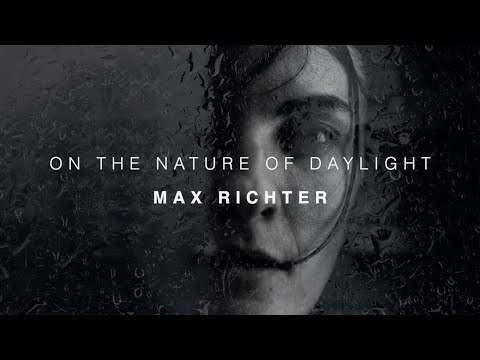
A prime example of this mastery can be found in his iconic masterpiece, “On the Nature of Daylight.”

[Traditional String Quintet] 
          │
          ▼ (Richter's Subversive Twist)
[Sub-bass Synthesizer replaces the lowest Cello/Double Bass registers]
          │
          ▼
[Result: An otherworldly, chest-hitting emotional weight]

In this track, instead of relying solely on a traditional double bass or cello to anchor the bottom end, Richter subtly introduces a low, sweeping synthesizer. The synth mimics the bowing expression of a stringed instrument but sustains a pure, fundamental low-frequency weight that no wooden instrument could ever physically achieve. It doesn't scream “electronic”; instead, it fools the ear into believing the cello has suddenly acquired a supernatural, heartbreaking depth.

This is the on the nature of daylight from YouTube. YouTube video

The Felt Piano: Texture as an Instrument

Beyond his use of synthesizers, Richter is a master of micro-textures, most notably through his championing of the felt piano.

By placing a layer of felt between the piano hammers and the strings, the sharp, percussive attack of the instrument is muted. What remains is a soft, pillowy tone, rich with the mechanical whispers of the piano itself—the thud of the keys, the creak of the pedal, and the rush of air.

The Sonic Illusion: By stripping away the bright highs of a standard grand piano, Richter creates an immediate sense of intimacy. The felt piano occupies the exact same warm, mid-range frequency space as his synthesizers, allowing the acoustic and electronic elements to melt into a single, seamless instrument.

Why Sleep is a Masterclass in Heavy Sub-Bass

This brings us back to my sleepless night with Sleep. When listened to on standard headphones or casual smart speakers, the piece sounds like a soothing, ambient drift. But play it through high-fidelity speakers with serious low-frequency extension, and you unlock a hidden world.

Here, the minimalist repetition he perfected during his Piano Circus days converges with cutting-edge audio engineering. Richter intentionally designed Sleep to interact with the human body, frequently utilizing low-frequency sine waves and pulsing synth drones that mimic the slow-wave sleep cycles of the human brain. On a high-end setup:

  • The Sub-Bass Drones: They don't just play notes; they pressurize the room. The low-end acts as a physical weight, mimicking the heavy, warm sensation of falling into deep REM sleep.
  • The Deep Soundstage: The electronic textures create a massive, 3D space around the acoustic strings, making the music feel like an endless ocean.

The Science Behind the Sub-Bass: Richter's Intentional Design

To understand why Sleep demands full-range audio reproduction, one must look at how Richter engineered the piece from a neurological standpoint. In interviews regarding the album's creation, Richter revealed that he consulted with neuroscientists to mirror the brain's behavior during deep rest. Specifically, he targeted the “slow-wave” sleep stage, where human neurons fire in a synchronized rhythm of roughly 10 Hz. As Richter noted in a discussion with the Red Bull Music Academy, this 10 Hz frequency isn't just an abstract concept—it translates directly to physical sound: “That's just sub. That's bass, you know? That's where I live.” Furthermore, speaking with CBC, Richter emphasized the physical, rather than purely psychological, nature of the album's lower frequencies: “The piece works a lot on subsonics. Very low frequencies — you feel it physically. In a way, it sort of lulls you... neuroscientists would call it 'rhythmic entrainment.' It sort of synchronizes your body's tempo.” Without a high-end audio setup capable of cleanly reproducing these structural sub-bass waves down toward the physical limits of human hearing, the foundational “lullaby” effect Richter engineered remains completely lost to the listener.

This is for sleep music from YouTube YouTube video

What makes he is so famous

Max Richter’s name famously resonated globally with his brilliant reimagining of Vivaldi’s The Four Seasons. While Recomposed is undoubtedly a masterpiece that broadens the horizons of classical music, I find myself deeply drawn to a different side of his genius. For me, the scores he crafted for the ballet based on the literary world of Virginia Woolf—Woolf Works—stand as an even more profound achievement.

In Woolf Works, Richter doesn't just decorate the narrative with sound; he translates the very essence of Woolf's sensory, fluid text into a breathtaking auditory architecture. From the fragile, time-looping fragments of Mrs. Dalloway to the subtly altered, gender-shifting variations of Orlando, and finally the overwhelming, cosmic waves of Tuesday—the music possesses an unmatched structural rigor and emotional depth.

While Vivaldi Recomposed shows his mastery in reinterpreting the past, Woolf Works showcases Richter at the absolute peak of his original storytelling capabilities. It is a stunning testament to how music can embody psychological interiority, making it, in my view, the far superior and more enduring masterpiece in his catalog.

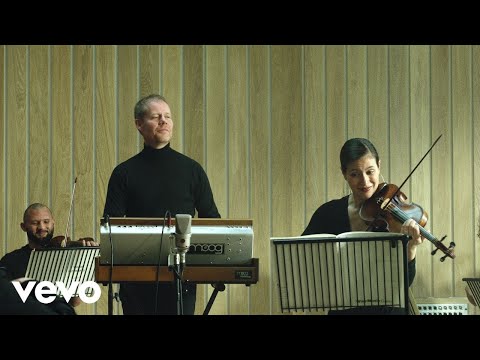
This is max richter vivaldi's spring1 in this video he is playing moog synthesizer. YouTube video

This is the track of wolf works I recommended for YouTube video

Looking to the Present: In A Landscape

This signature fusion reaches its peak in his latest album, In A Landscape. Recorded at Studio Richter Mahr—a bespoke, eco-conscious sanctuary built entirely for his own creative vision—the record stands as his most intimate masterclass yet in seamlessly marrying modular synthesizers with classical strings.

YouTube video

Final Thoughts

Max Richter's genius lies in his restraint. He has mastered the art of making the synthetic sound organic, and the organic sound ethereal. By grounding his work in the rigorous discipline of minimalism and expanding it with electronic textures, he created a new vernacular for modern music.

If you are listening on a high-end audio system, Sleep might actually be too brilliantly engineered, too texturally fascinating, and too bass-heavy to actually let you sleep. My advice? Save the high-end speakers for daytime active listening to truly appreciate his production wizardry—and stick to a basic pair of earbuds when you actually need to catch some Z's.

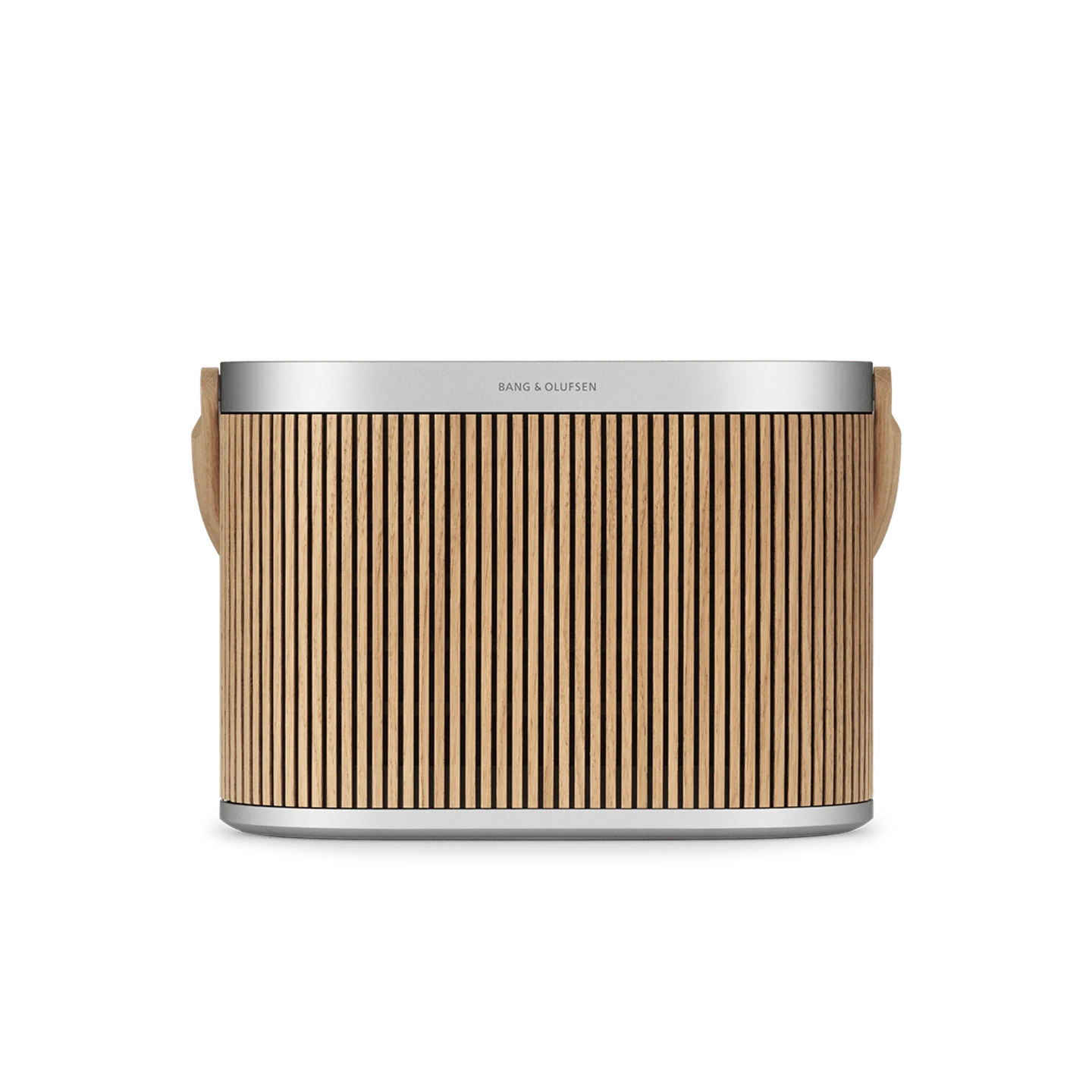
What speaker do you use? Mine is the Beosound A5 by Bang & Olufsen.

It was an expensive purchase — but I have no regrets.

That said, my first impression was something different. When I first played it out of the box, it sounded like a classic V-shaped speaker — pronounced highs and lows, with a hollow middle. The reputation I had read about and what I was actually hearing did not match. But somewhere after many hours of use — I could not say exactly when — the transition from bass to treble became remarkably smooth, and my whole sense of the speaker shifted. Whether this was the result of physical break-in, or simply my ears adjusting, I cannot say for certain. What I can say is that the sound I hear now is the sound I was looking for. My advice: do not judge this speaker too quickly after unboxing. Give it time.

The Beosound A5 is a portable speaker released in 2023 by Bang & Olufsen, the venerable Danish audio brand. It costs well over 250,000 yen. For a portable speaker, that is an unusual price point — but this speaker gives you every reason to justify it.

Beosound A5

Specifications


Drivers5.25” woofer ×1, 2” full-range ×2, ¾” tweeter ×1
AmplifierClass D 70W ×4 (280W total)
Frequency response32Hz–23,000Hz
ConnectivityWi-Fi 6, Bluetooth 5.3, AirPlay 2, Chromecast built-in, Spotify Connect
BatteryUp to 12 hours playback, approx. 3 hours charging
Water/dust resistanceIP65
Dimensions28.5 × 18.7 × 13cm
WeightApprox. 3.7kg

Sound

A frequency response spanning 32Hz to 23,000Hz, driven by a total of 280 watts of Class D amplification. For a portable speaker of this size, those are remarkable figures — the A5 reproduces the full range from deep bass to delicate highs without sacrifice.

My listening spans post-classical, ambient, environmental music, post-rock, ambient techno, and contemporary jazz. The more nuanced the music, the more a speaker's neutrality is put to the test. The Beosound A5 adds no coloration of its own — it simply delivers what is in the recording. The roar of post-rock, the weight of a techno low end, the overtones of a jazz cymbal: one speaker handles all of it without strain.

Its near-flat response across the full frequency range also means it works well as a monitor speaker when playing instruments. The USB-C port allows it to be connected directly to a PC as an audio output — a flexible option that is not dependent on wireless connectivity.

Bluetooth vs. Wi-Fi — Connection Method Makes a Real Difference

The Beosound A5 supports both Bluetooth and Wi-Fi, but the difference in audio quality between the two is substantial.

Bluetooth has inherently limited bandwidth. After accounting for protocol overhead, the effective throughput falls below 1Mbps — which is not even enough to carry an uncompressed CD-quality stream, which requires 1,411kbps at 16-bit/44.1kHz. This means Bluetooth audio always involves lossy compression. On iPhone, the only supported codecs are SBC and AAC at up to 256kbps — there is no support for LDAC (up to 990kbps) or aptX, which are available on Android and Sony devices. In other words, once you send audio from an iPhone over Bluetooth, the signal degrades to AAC 256kbps regardless of the quality of the source file.

Wi-Fi, by contrast, imposes almost no bandwidth constraints and can carry audio data intact. AirPlay 2 supports lossless transmission up to 24-bit/48kHz, meaning ALAC (Apple Lossless) files arrive without degradation. Chromecast built-in goes further, supporting up to 24-bit/96kHz — though at present, the iOS Apple Music app lacks a Cast button, limiting Chromecast use to Android or PC.

The gap between Wi-Fi and Bluetooth is not a matter of preference — it is a measurable difference backed by numbers. If you have lossless audio files, Wi-Fi is the only way to hear them as intended.

(A note for those using a Bluetooth speaker with an aux input: switch to the aux cable now. The cable may be inconvenient, but Bluetooth is simply inferior when it comes to audio quality.)

Why One Speaker Can Fill a Room

The Beosound A5 is a single, self-contained unit — yet it fills a room in a way that no conventional mono speaker does. The reason lies in the two full-range drivers mounted at the rear.

The front panel houses a woofer and a tweeter. Two 2-inch full-range drivers are positioned at the rear corners, projecting sound not only forward but backward and to the sides as well. Sound directed toward the rear reflects off walls and ceiling, dispersing throughout the room and reaching the listener as something that seems to emanate from the space itself rather than a single point. This is the principle behind what B&O calls Omni mode — 360-degree sound.

A conventional stereo system creates a precise stereo image between two speakers, with a defined sweet spot. That approach offers superior accuracy in sound staging — but the listening experience degrades sharply once you move outside that sweet spot. The Beosound A5's Omni mode prioritizes even dispersion over strict imaging, delivering a consistent and natural sound from any position in the room.

The B&O app allows switching between Omni mode and a front-directed mode called Front. For critical listening, Front mode sharpens the focus; for filling a room with music, Omni is the natural choice. I use Omni as my default. The experience of one speaker making a whole room sing is enough to make the absence of a separate stereo system feel beside the point.

Portable and Battery-Powered

One of the main reasons I chose this speaker is its freedom of placement. The solid oak handle makes it easy to carry from room to room. I bring it into the bedroom, run it on battery, and listen to music as I fall asleep — no cables, no outlet required.

The IP65 rating for dust and water resistance also means it can be taken outside without concern.

A Track to Bring to the Showroom

If you are considering a purchase, I strongly recommend visiting a Bang & Olufsen showroom to audition it in person.

The track I would bring: “Shadow Journal” by Max Richter. It is a recording that draws on the full frequency range — delicate string textures alongside deep, substantial bass. It is an ideal test of whether a speaker can handle the entire spectrum evenly and with authority. The Beosound A5 passes that test with ease.

YouTube video

Design and the Long Game

The Beosound A5 was designed in collaboration with GamFratesi, a Danish-Italian design studio. The rounded form and wooden handle carry forward the aesthetic language of B&O products from the 1960s.

I use the Oak model. The wood finish has the quality of fine furniture. The handle and cover are hand-finished in family-owned woodworking workshops in Denmark — each one individual, with its own grain. B&O holds the position that perfect uniformity looks artificial, and deliberately embraces the natural variation of the wood. The combination of a precision-milled aluminium frame and hand-finished oak gives the speaker the presence of something that belongs in a room, not merely sits in one.

The modular design means individual components can be replaced and software can be updated, extending the speaker's life rather than requiring a full replacement. That philosophy — investing in something well-made and keeping it — is reflected in the object itself.

Not something to replace, but something to keep. In that sense, the Beosound A5 has found a lasting place in my life with music.

For deep music researchers, late-night radio has always been a sacred sanctuary. Yet, as algorithms commodify music into passive “lo-fi study beats” and predictable streaming mood playlists, true artistic curation is becoming a rare luxury.

If your ears crave structural intelligence, raw sonic textures, and absolute genre defiance, there is one broadcasting milestone that you must hear: BBC Radio 3's Late Junction.

The Turbulent History: A Schedule Fight That Gave Birth to Two Distinct Visions

To understand the weight of Late Junction today, one must understand the institutional battle behind its current shape — and the sister programme that emerged from it.

For nearly two decades, Late Junction was a multi-night weekday staple on BBC Radio 3, a legendary zone where boundaries vanished. In 2019, BBC management underwent sweeping schedule overhauls and budget reallocations, proposing to cut Late Junction's weekday footprint dramatically. The response from the global music community was swift and fierce. Hundreds of artists and cultural figures — including Brian Eno, Jarvis Cocker, Peter Gabriel, and Radiohead's Ed O'Brien and Phil Selway — signed a widely publicized open letter, arguing that diminishing Late Junction's radical freedom would cut off a vital lifeline for independent and experimental art.

The compromise reshaped Radio 3's late-night identity rather than simply shrinking it. Late Junction was consolidated into a concentrated, once-a-week 90-minute slot every Friday night. In its place, the weekday evenings were handed to a brand-new programme built around a different philosophy: Night Tracks.

It would be easy to read Night Tracks as a consolation prize — the “safe” option that replaced something braver. But that undersells what it actually does. Night Tracks wasn't designed to be Late Junction-lite; it was designed to solve a problem Late Junction was never trying to solve: how do you give listeners a sustained, immersive late-night listening environment, night after night, that still takes contemporary classical, ambient, and cinematic sound seriously as art rather than wallpaper?

The Format: Two Different Kinds of Curatorial Mastery

Because Late Junction is now condensed into a single weekly slot, its curation has become astonishingly potent. In a single Friday broadcast, the programme effortlessly links early music's raw, historically informed Renaissance polyphony, the cold restraint of avant-garde Nordic jazz improvisation, unvarnished field recordings of traditional music from remote corners of the globe, and left-field experimental sound art. There is no academic pretension — the show treats a 400-year-old sacred vocal piece as having the same spiritual gravity and structural ambition as a modular synthesizer track recorded last month in an underground studio.

Night Tracks operates on a different, equally deliberate logic. Where Late Junction prizes friction and collision, Night Tracks prizes flow — and that is a genuine curatorial skill, not an absence of one. Presented largely by Elizabeth Alker, it has become one of the most important platforms in the UK for contemporary classical and ambient composers to reach a real audience: first plays and premieres from artists like Erland Cooper, Max Richter, Hania Rani, and Floating Points have lived on Night Tracks. For many listeners, Night Tracks is the gateway — the programme that first makes ambient and modern classical feel emotionally accessible at midnight, before they're ready for Late Junction's sharper edges. Its seamless, mood-led sequencing isn't a compromise; it's a craft of its own, closer to DJ set construction than playlist algorithm, built around pacing, key, and texture rather than genre-clash.

I show you one of the recent one of Night Tracks playlist.

#曲名アーティスト
1China GatesJohn Adams
2Hoppipolla - The Tape VariationsSigur Rós
3Prelude Op. 9 No. 1Alexander Scriabin
4Talking RainLarry Chernicoff
5Ambient BeautyThomas Newman
6Shoulder Length (Solo Piano Version)Thomas Newman
7Love SceneGavin Bryars
8Syncopes (From "The Talented Mr Ripley")Gabriel Yared
9Der LeiermannFranz Schubert
10Improvisation on Der LeiermannFranz Schubert
11Winter 2Antonio Vivaldi & Max Richter
12White Landscapes, Op. 47a: I. Divination by SnowTakashi Yoshimatsu
13Come, Heavy SleepJohn Dowland
14Nocturnal After John Dowland, Op. 70: IX. Slow and QuietBenjamin Britten
154 Last Songs: No. 3, TiredRalph Vaughan Williams
16Lux AeternaIvo Antognini
17Near LightÓlafur Arnalds
18Innerglow Portal / Aqua Drawer LampImaginary Softwoods
19Handel: "Will the Sun Forget to Streak" from Oratorio 'Solomon', HWV 67George Frideric Handel
20Tilliboyo ("Sunset")Foday Musa Suso
21Di sera for 2 Oboes & Strings, P. 48Ottorino Respighi
22The LightGeorgia Duncan

As this playlist shows, Night Tracks is probably the only program that plays the great American minimalist composer John Adams, post-rock pioneers Sigur Rós, and the great modern composer Schubert all in the same set. I think it's a good entry point for people who aren't well-versed in jazz or classical music — there's less of a barrier coming in through this show.

The Format: Uncompromised, High-Art Curation

Because Late Junction was condensed into a single 90-minute weekly slot, its curation has become astonishingly potent. Where Night Tracks aims for late-night soothing continuity, Late Junction chooses absolute creative friction and adventure.

In a single Friday broadcast, the program effortlessly links: * Early Music (古楽): Raw, historically informed performances of Renaissance polyphony or ancient medieval lute dynamics. * Avant-Garde Jazz: The fierce, cold restraint of modern Nordic improvisation. * Field Recordings & Traditional Music: Unvarnished, tactile folk recordings from remote corners of the globe. * Experimental Sound Art: Left-field electronic subversion, industrial noise, and fiercely independent avant-pop.

There is no academic pretension. The show explicitly demonstrates that a 400-year-old sacred vocal piece shares the exact same spiritual gravity, structural ambition, and artistic DNA as a modular synthesizer track recorded last month in an underground studio.


The Verdict: An Essential Use of a VPN

While casual listeners might find the ambient flows of Night Tracks sufficient for background noise, serious music enthusiasts will find Late Junction to be an indispensable masterclass.

Due to strict BBC Sounds geo-blocking for on-demand archives, navigating a reliable VPN to access the UK servers is more than just a technical workaround—it is a vital investment in your artistic lifestyle. It offers an uncompromised passport to a world of deep listening that no corporate streaming algorithm can ever replicate.

Turn off the automated recommendations. Fire up your VPN on a Friday night, open BBC Sounds, and let Late Junction take you on a true musical journey.

What speaker do you use? Mine is the Beosound A5 by Bang & Olufsen.

It was an expensive purchase — but I have no regrets.

That said, my first impression was something different. When I first played it out of the box, it sounded like a classic V-shaped speaker — pronounced highs and lows, with a hollow middle. The reputation I had read about and what I was actually hearing did not match. But somewhere after many hours of use — I could not say exactly when — the transition from bass to treble became remarkably smooth, and my whole sense of the speaker shifted. Whether this was the result of physical break-in, or simply my ears adjusting, I cannot say for certain. What I can say is that the sound I hear now is the sound I was looking for. My advice: do not judge this speaker too quickly after unboxing. Give it time.

The Beosound A5 is a portable speaker released in 2023 by Bang & Olufsen, the venerable Danish audio brand. It costs well over 250,000 yen. For a portable speaker, that is an unusual price point — but this speaker gives you every reason to justify it.

Beosound A5

Specifications


Drivers5.25” woofer ×1, 2” full-range ×2, ¾” tweeter ×1
AmplifierClass D 70W ×4 (280W total)
Frequency response32Hz–23,000Hz
ConnectivityWi-Fi 6, Bluetooth 5.3, AirPlay 2, Chromecast built-in, Spotify Connect
BatteryUp to 12 hours playback, approx. 3 hours charging
Water/dust resistanceIP65
Dimensions28.5 × 18.7 × 13cm
WeightApprox. 3.7kg

Sound

A frequency response spanning 32Hz to 23,000Hz, driven by a total of 280 watts of Class D amplification. For a portable speaker of this size, those are remarkable figures — the A5 reproduces the full range from deep bass to delicate highs without sacrifice.

My listening spans post-classical, ambient, environmental music, post-rock, ambient techno, and contemporary jazz. The more nuanced the music, the more a speaker's neutrality is put to the test. The Beosound A5 adds no coloration of its own — it simply delivers what is in the recording. The roar of post-rock, the weight of a techno low end, the overtones of a jazz cymbal: one speaker handles all of it without strain.

Its near-flat response across the full frequency range also means it works well as a monitor speaker when playing instruments. The USB-C port allows it to be connected directly to a PC as an audio output — a flexible option that is not dependent on wireless connectivity.

Bluetooth vs. Wi-Fi — Connection Method Makes a Real Difference

The Beosound A5 supports both Bluetooth and Wi-Fi, but the difference in audio quality between the two is substantial.

Bluetooth has inherently limited bandwidth. After accounting for protocol overhead, the effective throughput falls below 1Mbps — which is not even enough to carry an uncompressed CD-quality stream, which requires 1,411kbps at 16-bit/44.1kHz. This means Bluetooth audio always involves lossy compression. On iPhone, the only supported codecs are SBC and AAC at up to 256kbps — there is no support for LDAC (up to 990kbps) or aptX, which are available on Android and Sony devices. In other words, once you send audio from an iPhone over Bluetooth, the signal degrades to AAC 256kbps regardless of the quality of the source file.

Wi-Fi, by contrast, imposes almost no bandwidth constraints and can carry audio data intact. AirPlay 2 supports lossless transmission up to 24-bit/48kHz, meaning ALAC (Apple Lossless) files arrive without degradation. Chromecast built-in goes further, supporting up to 24-bit/96kHz — though at present, the iOS Apple Music app lacks a Cast button, limiting Chromecast use to Android or PC.

The gap between Wi-Fi and Bluetooth is not a matter of preference — it is a measurable difference backed by numbers. If you have lossless audio files, Wi-Fi is the only way to hear them as intended.

(A note for those using a Bluetooth speaker with an aux input: switch to the aux cable now. The cable may be inconvenient, but Bluetooth is simply inferior when it comes to audio quality.)

Why One Speaker Can Fill a Room

The Beosound A5 is a single, self-contained unit — yet it fills a room in a way that no conventional mono speaker does. The reason lies in the two full-range drivers mounted at the rear.

The front panel houses a woofer and a tweeter. Two 2-inch full-range drivers are positioned at the rear corners, projecting sound not only forward but backward and to the sides as well. Sound directed toward the rear reflects off walls and ceiling, dispersing throughout the room and reaching the listener as something that seems to emanate from the space itself rather than a single point. This is the principle behind what B&O calls Omni mode — 360-degree sound.

A conventional stereo system creates a precise stereo image between two speakers, with a defined sweet spot. That approach offers superior accuracy in sound staging — but the listening experience degrades sharply once you move outside that sweet spot. The Beosound A5's Omni mode prioritizes even dispersion over strict imaging, delivering a consistent and natural sound from any position in the room.

The B&O app allows switching between Omni mode and a front-directed mode called Front. For critical listening, Front mode sharpens the focus; for filling a room with music, Omni is the natural choice. I use Omni as my default. The experience of one speaker making a whole room sing is enough to make the absence of a separate stereo system feel beside the point.

Portable and Battery-Powered

One of the main reasons I chose this speaker is its freedom of placement. The solid oak handle makes it easy to carry from room to room. I bring it into the bedroom, run it on battery, and listen to music as I fall asleep — no cables, no outlet required.

The IP65 rating for dust and water resistance also means it can be taken outside without concern.

A Track to Bring to the Showroom

If you are considering a purchase, I strongly recommend visiting a Bang & Olufsen showroom to audition it in person.

The track I would bring: “Shadow Journal” by Max Richter. It is a recording that draws on the full frequency range — delicate string textures alongside deep, substantial bass. It is an ideal test of whether a speaker can handle the entire spectrum evenly and with authority. The Beosound A5 passes that test with ease.

YouTube video

Design and the Long Game

The Beosound A5 was designed in collaboration with GamFratesi, a Danish-Italian design studio. The rounded form and wooden handle carry forward the aesthetic language of B&O products from the 1960s.

I use the Oak model. The wood finish has the quality of fine furniture. The handle and cover are hand-finished in family-owned woodworking workshops in Denmark — each one individual, with its own grain. B&O holds the position that perfect uniformity looks artificial, and deliberately embraces the natural variation of the wood. The combination of a precision-milled aluminium frame and hand-finished oak gives the speaker the presence of something that belongs in a room, not merely sits in one.

The modular design means individual components can be replaced and software can be updated, extending the speaker's life rather than requiring a full replacement. That philosophy — investing in something well-made and keeping it — is reflected in the object itself.

Not something to replace, but something to keep. In that sense, the Beosound A5 has found a lasting place in my life with music.

For deep music researchers, late-night radio has always been a sacred sanctuary. Yet, as algorithms commodify music into passive “lo-fi study beats” and predictable streaming mood playlists, true artistic curation is becoming a rare luxury.

If your ears crave structural intelligence, raw sonic textures, and absolute genre defiance, there is one broadcasting milestone that you must hear: BBC Radio 3's Late Junction.

The Turbulent History: A Schedule Fight That Gave Birth to Two Distinct Visions

To understand the weight of Late Junction today, one must understand the institutional battle behind its current shape — and the sister programme that emerged from it.

For nearly two decades, Late Junction was a multi-night weekday staple on BBC Radio 3, a legendary zone where boundaries vanished. In 2019, BBC management underwent sweeping schedule overhauls and budget reallocations, proposing to cut Late Junction's weekday footprint dramatically. The response from the global music community was swift and fierce. Hundreds of artists and cultural figures — including Brian Eno, Jarvis Cocker, Peter Gabriel, and Radiohead's Ed O'Brien and Phil Selway — signed a widely publicized open letter, arguing that diminishing Late Junction's radical freedom would cut off a vital lifeline for independent and experimental art.

The compromise reshaped Radio 3's late-night identity rather than simply shrinking it. Late Junction was consolidated into a concentrated, once-a-week 90-minute slot every Friday night. In its place, the weekday evenings were handed to a brand-new programme built around a different philosophy: Night Tracks.

It would be easy to read Night Tracks as a consolation prize — the “safe” option that replaced something braver. But that undersells what it actually does. Night Tracks wasn't designed to be Late Junction-lite; it was designed to solve a problem Late Junction was never trying to solve: how do you give listeners a sustained, immersive late-night listening environment, night after night, that still takes contemporary classical, ambient, and cinematic sound seriously as art rather than wallpaper?

The Format: Two Different Kinds of Curatorial Mastery

Because Late Junction is now condensed into a single weekly slot, its curation has become astonishingly potent. In a single Friday broadcast, the programme effortlessly links early music's raw, historically informed Renaissance polyphony, the cold restraint of avant-garde Nordic jazz improvisation, unvarnished field recordings of traditional music from remote corners of the globe, and left-field experimental sound art. There is no academic pretension — the show treats a 400-year-old sacred vocal piece as having the same spiritual gravity and structural ambition as a modular synthesizer track recorded last month in an underground studio.

Night Tracks operates on a different, equally deliberate logic. Where Late Junction prizes friction and collision, Night Tracks prizes flow — and that is a genuine curatorial skill, not an absence of one. Presented largely by Elizabeth Alker, it has become one of the most important platforms in the UK for contemporary classical and ambient composers to reach a real audience: first plays and premieres from artists like Erland Cooper, Max Richter, Hania Rani, and Floating Points have lived on Night Tracks. For many listeners, Night Tracks is the gateway — the programme that first makes ambient and modern classical feel emotionally accessible at midnight, before they're ready for Late Junction's sharper edges. Its seamless, mood-led sequencing isn't a compromise; it's a craft of its own, closer to DJ set construction than playlist algorithm, built around pacing, key, and texture rather than genre-clash.

I show you one of the recent one of Night Tracks playlist.

#曲名アーティスト
1China GatesJohn Adams
2Hoppipolla - The Tape VariationsSigur Rós
3Prelude Op. 9 No. 1Alexander Scriabin
4Talking RainLarry Chernicoff
5Ambient BeautyThomas Newman
6Shoulder Length (Solo Piano Version)Thomas Newman
7Love SceneGavin Bryars
8Syncopes (From "The Talented Mr Ripley")Gabriel Yared
9Der LeiermannFranz Schubert
10Improvisation on Der LeiermannFranz Schubert
11Winter 2Antonio Vivaldi & Max Richter
12White Landscapes, Op. 47a: I. Divination by SnowTakashi Yoshimatsu
13Come, Heavy SleepJohn Dowland
14Nocturnal After John Dowland, Op. 70: IX. Slow and QuietBenjamin Britten
154 Last Songs: No. 3, TiredRalph Vaughan Williams
16Lux AeternaIvo Antognini
17Near LightÓlafur Arnalds
18Innerglow Portal / Aqua Drawer LampImaginary Softwoods
19Handel: "Will the Sun Forget to Streak" from Oratorio 'Solomon', HWV 67George Frideric Handel
20Tilliboyo ("Sunset")Foday Musa Suso
21Di sera for 2 Oboes & Strings, P. 48Ottorino Respighi
22The LightGeorgia Duncan

As this playlist shows, Night Tracks is probably the only program that plays the great American minimalist composer John Adams, post-rock pioneers Sigur Rós, and the great modern composer Schubert all in the same set. I think it's a good entry point for people who aren't well-versed in jazz or classical music — there's less of a barrier coming in through this show.

The Format: Uncompromised, High-Art Curation

Because Late Junction was condensed into a single 90-minute weekly slot, its curation has become astonishingly potent. Where Night Tracks aims for late-night soothing continuity, Late Junction chooses absolute creative friction and adventure.

In a single Friday broadcast, the program effortlessly links: * Early Music (古楽): Raw, historically informed performances of Renaissance polyphony or ancient medieval lute dynamics. * Avant-Garde Jazz: The fierce, cold restraint of modern Nordic improvisation. * Field Recordings & Traditional Music: Unvarnished, tactile folk recordings from remote corners of the globe. * Experimental Sound Art: Left-field electronic subversion, industrial noise, and fiercely independent avant-pop.

There is no academic pretension. The show explicitly demonstrates that a 400-year-old sacred vocal piece shares the exact same spiritual gravity, structural ambition, and artistic DNA as a modular synthesizer track recorded last month in an underground studio.


The Verdict: An Essential Use of a VPN

While casual listeners might find the ambient flows of Night Tracks sufficient for background noise, serious music enthusiasts will find Late Junction to be an indispensable masterclass.

Due to strict BBC Sounds geo-blocking for on-demand archives, navigating a reliable VPN to access the UK servers is more than just a technical workaround—it is a vital investment in your artistic lifestyle. It offers an uncompromised passport to a world of deep listening that no corporate streaming algorithm can ever replicate.

Turn off the automated recommendations. Fire up your VPN on a Friday night, open BBC Sounds, and let Late Junction take you on a true musical journey.

Sigur Rósの音楽について語るとき、人はJónsíのファルセット、弓で弾かれるギター、ヴォンレンスカ語の意味を持たない音節が揺蕩う響きを思い浮かべる。しかしその背景には、アイスランドの外から来たひとりのアメリカ人アーティストの存在がある。Alex Somers。バンドの正規メンバーではないが、Sigur RósのフロントマンであるJónsíの元恋人であり、2005年以降のSigur Rósのアンビエント的深化において誰より重要な役割を担い続けた人物だ。

ボストンでの邂逅

Alex Somersは1984年、メリーランド州ボルティモア生まれ。13歳のとき、クリスマスにもらったギターとともにTascamの4トラック・レコーダーを手に入れ、録音という行為そのものに魅了された。「楽器を弾くことではなく、音という環境を自分でコントロールすることに気がついた瞬間だった」と彼は語っている。兄とともにキーボードの鍵盤にテープを貼ったまま数日間音を流し続けるという実験を繰り返し、アナログな音の探求が彼のすべてのルーツとなった。

ここで重要なのは、Somersがその後バークリー音楽大学(Berklee College of Music)に進み、映画音楽と音楽療法の二重専攻で正規の音楽教育を受けたことだ。バークリーは即興と理論の両輪を持つ実践的な音楽教育機関であり、そこでのオーケストレーション、音楽理論、スコアリングの訓練は、Somersに「感覚的な実験者」であると同時に「音楽を構造として設計できる者」という二面性を与えた。

Sigur Rósというバンドは、その音楽的才能の壮大さとは対照的に、メンバーの誰もいわゆる音楽院的な正規教育を経たわけではない。Jónsíはギター奏者として独学で技術を磨き、ヴォンレンスカ語という「意味のない言語」を生み出した詩人であり、バンド全体の語法は教育よりも直感と実験から育ったものだ。Somersの存在はその文脈においてきわめて特異だ。オーケストラのスコアを読み書きし、アレンジの構造を語れる人間が、バンドのもっとも近い場所にいた。

バークリーで学ぶ期間中の2002年、Sigur Rósがボストンを訪れ、Somersはバークリーの外の路上でバンドのフロントマンであるJónsíと出会った。Jónsíはゲイであることを公言しており、ふたりはすぐに恋人関係となった。交際初期はJónsíがツアーや録音の合間にSomersのケンブリッジのアパートに滞在するという形だったが、2005年、SomersはJónsíを追ってレイキャビクへ移住することを決める。恋人とともにアイスランドで暮らすためにボルティモア育ちのアメリカ人が故郷を離れたという事実は、後のすべての音楽的協働の出発点だ。レイキャビクではさらにアイスランド芸術大学(Listaháskóli Íslands)に入学し、視覚芸術を学んだ。「音楽学校よりも美術学校の方がずっと音楽的だった。クラスメートのほとんどが演奏し、実験していた。音楽学校では、ほとんどの人は音楽を『勉強』しているだけだった」と彼は振り返っている。

Riceboy Sleeps ── 静寂という共同作業

恋人としてレイキャビクで同居するようになったふたりにとって、音楽は生活の不可分な一部だった。自宅のリビングルームで録音し、弦楽四重奏のAmiina(Sigur Rósの長年の協力者)をアパートに招いて演奏させ、コーラスも同じ部屋で録音した。この手作り感そのものが、音の手触りに宿った。

2009年2月、ふたりはハワイの太陽電池で動くロー・フード・コミューンに滞在しながら、それまで断続的に録音してきたトラックをミックスした。Riceboy Sleepsとして同年7月にJónsi & Alex名義でリリースされたこの作品は、アコースティック楽器、ストリングス、コーラスが静かに絡み合う、Sigur Rósのポスト・ロック的壮大さとはまた異なる、より繊細でエーテル的な世界を示した。

のちにSomersはこう語っている。「スタジオを開く前は、音楽はいつも家の中にあった。壁から流れ出てくるようだった。それはとても自然なことだった」。Riceboy Sleepsはその自然さをそのまま封じ込めたアルバムだ。

Somersがバークリーで身につけたアレンジの感覚は、このアルバムにも静かに働いている。Amiina弦楽四重奏とKópavogsdætur合唱団を組み合わせながら、楽曲全体が「静寂の構造」として機能するように設計されている。それは感覚だけで作れるものではなく、音楽という言語の文法を理解している者にしかできない仕事だ。

YouTube video

All Animals – Riceboy Sleepsと並ぶ傑作

同じjonsi & alex名義のアルバムAll Animals はThyssen-Bornemisza Art Contemporary(TBA21)によって委嘱された楽曲で、アーティストMatthew Ritchieが設計した大型公共アートインスタレーション「The Morning Line」のために作られた。2008年9月にレイキャビクでピアノ、声、動物の音など主にアコースティック楽器で録音された。 The Morning Lineは2008年のセビリア国際現代芸術ビエンナーレで初公開された、高さ8メートル・長さ20メートル、17トンのアルミニウム製の公共アート構造物で、芸術・建築・音楽・数学・宇宙論・科学の交差点を探求するプラットフォームだった。 音楽委嘱作品はJónsi & Alex Somersだけでなく、Bryce Dessner、Mark Fell、Lee Ranaldo、Chris Watsonらも並列で依頼されており、47チャンネルの立体音響システムに対応したマルチチャンネル・オーディオ作品として設計された。 e-flux そしてAll Animals は後にRiceboy Sleepsの限定ボックスセット(3500部)のボーナスCDとして収録され、2017年に初めてヴァイナル化(手描きスリーブ付き限定100部)、2018年のRecord Store Dayで1000部再プレスされました。

YouTube video

Valtari ── 霧の中の彫刻

Sigur RósはRiceboy Sleepsの直後から次のアルバムの録音を試みた。2009年から着手し、長いアンビエントなドローンをいくつか録音したが、方向性を見失い、2010年に録音をすべて破棄して活動休止に入った。素材はあった。しかしバンド自身には、それをひとつのアルバムとして組み立てる視点が持てなくなっていた。

2011年、バンドは再び集まり、今度はSomersのレイキャビクのスタジオで録音を再開した。Somersは当初、ミキシングのみを担当するつもりだった。ところが1週間かけて素材を聴き込んだSomersは、そこに埋もれた可能性を見出した。「素晴らしい曲の集まりを聴いていると気づいた。しかし彼らは完全に焦点を失い、すべてを組み立てて意味のある形にするのが困難な状況にあった」と彼は語っている。

Somersがしたことは明確だ。散らばったドローンとスケッチを俯瞰し、「何を加え、何を削り、どう並べるか」を設計し直すことだった。アンビエントなドローンにテクスチャーと焦点を与え、必要なオーバーダブのリストをバンドに提示し、ヴォンレンスカ語に代えてアイスランド語の歌詞を使うことも促した。バークリーで身につけた「音楽を全体として設計する」感覚が、ここで初めてSigur Rósのアルバムに直接注ぎ込まれた瞬間だ。6週間のセッションを経て、バラバラだった素材はついてひとつのアルバムとして立ち上がった。それがValtari(2012年)だ。ヴァルタリとはアイスランド語で「蒸気ローラー」を意味し、Jónsíはこう説明した。「ゆっくりと転がってくる大きなものみたいな感じ」。

Drowned in Sound誌はこう評した。「2011年、バンドはAlex Somersとともに、バラバラな断片から一貫した魔法のような作品をつくる骨の折れる作業に取り掛かった」。外部の目と耳を持ちながらもバンドの内側の言語を深く理解し、さらに音楽を構造として語れるSomersにしかできない仕事だった。

YouTube video

Liminal ── 閾値に生きる音楽

2018年、Sigur RósはアンビエントプロジェクトLiminalを始動させた。運営するのはJónsi、Alex Somers、そしてプロデューサーのPaul Corleyの三者だ。Paul CorleyはOneohtrix Point NeverやTim Heckerとのコラボレーションで知られるアメリカ人作曲家・プロデューサーで、アイスランドのレーベルBedroom Communityのメンバーでもある。2016年にSigur Rósのライヴ・ミュージックディレクターに就任して以来、バンドのアンビエント志向の仕事において電子音響面の要として機能してきた人物だ。

Liminalとは「閾値」を意味し、ここでも外でもない、夢と覚醒のあいだに聴き手を誘う。注目すべきは、このLiminalプロジェクトが2016年のRoute Oneと完全に同じチームによって連続して手がけられているという点だ。NPRはLiminalの開始を「昨年のRoute Oneに続き、同じ面々が今度はSigur Rósのアーカイブを掘り起こして…」と紹介している。Route OneとLiminalは別々の作品ではなく、Jónsi・Somers・Corleyの三者によるアンビエント的探求の前編と後編として捉えるべきプロジェクト群だ。

代表作であるLiminal Sleep(2019年)についてSomersたちはこう記している。「睡眠はどこまでも謎のままだ。私たちは誰もが眠り、眠らなければならないが、その内側に完全に入ることはできない。このプレイリストは睡眠サイクルの旅を——その曲線、定常状態、自然な移行を——映し出す試みだ」。

Somersはここでも単なる共同作業者ではなく、プロジェクトの設計者のひとりとして機能している。Sigur Rósのカタログ全体を素材に、ソロ作品、コラボレーション、映画音楽、AIによる音楽までを織り交ぜた「Sigur Rós的宇宙の多面的な断面」をつくりあげる。彼が長年培ってきたアンビエント音楽への深い理解と、音楽を「環境として設計する」という感覚が、このプロジェクトの骨格を支えている。

YouTube video

Route One ── アルゴリズムが走る環状道路

LiminalよりわずかにさかのぼるRoute Oneは、同じチームによるアンビエント探求の出発点だった。2016年夏至の日、Sigur Rósはアイスランドの環状道路(Route 1)を一周する24時間のドライブを決行した。その全行程1332kmをYouTubeでライヴ配信しながら、音楽もリアルタイムで生成された。これがSlow TV的アンビエント実験「Route One」だ。なお同年はPaul CorleyがSigur Rósのライヴ・ミュージックディレクターに就任した年でもあり、Óveðurの共同プロデュースにも名を連ねている。Route OneはSomers・Corleyというふたりの外部の音楽的知性がバンドに合流した直後の産物だった。

音楽の生成にはBRONZEという専用のジェネレイティブ・ミュージック・プラットフォームが使われた。BRONZEはGoldsmith大学のMike GriersonとミュージシャンGwilym Goldが2011年に共同開発したシステムで、「すべての音は一連のルールに従い、再生のたびにリアルタイムで新しくユニークなトラックが生成される」という設計だ。ランダムではなく、制作者が「法則」を設定する点でMaxやPure Dataといった音楽プログラミング環境に通じる思想を持つ。

「Óveður」のマルチトラック・ステムをこのシステムに入力し、BRONZEが無限に組み換えてリアルタイムで新しい音楽的方向を生み出し続けた。だからこそ24時間超(完全版は25時間以上)という長大な音楽が可能だった。これはリミックスでも即興演奏でもなく、アルゴリズムによる変奏だ。ちょうどブライアン・イーノが最初のアンビエント・シリーズで試みた「テープ・ループをわずかにずれた位相で重ね合わせる」実験に相似している。

SomersがBRONZEのプログラミングを直接手がけたという記録はないが、Oneohtrix Point NeverやTim Heckerとのエレクトロニクス・ワークで鍛えられたCorleyの存在が、こうしたシステムとバンドの音楽的意図を橋渡しした可能性は高い。バークリーで映画音楽を学んだSomersもまた、アカデミックな音楽プログラミング環境(多くの音楽大学でMaxが教えられている)と無縁ではない。記録の上では確認できないが、音楽を「プログラムによって設計する」という発想に対して、このチームがどれほど自然に接続できたかは、Route Oneの完成度そのものが示している。

各トラックの名前はアイスランド環状道路の停車地点のGPS座標だ——63°32'43.7”N 19°43'46.3”W、64°02'44.1”N 16°10'48.5”Wといった具合に。位置情報がそのまま曲名となる。アルバムはアイスランドのNorður og NiðurフェスティバルでアーティストSigga Björgによる手描きスリーブとともに限定リリースされ、2018年のRecord Store Dayで再プレスされた。

Treble Zineが評したように、Route OneはValtariの静謐なアンビエントとKveikurの焦げついた陰鬱さを橋渡しする作品であり、バンドが向かってきた「異教的な海の洞窟、火山性のガラス、古いヴァイキングの空間」という美的宇宙の延長線上にある。そしてRoute Oneは翌年のLiminalへとそのまま接続する。Jónsi・Somers・Corleyの三者は、音楽を「一度完結した作品」ではなく「永続的に生成される環境」として捉えるという思想を、この二つのプロジェクトで一貫して追い続けた。

YouTube video

正規音楽教育という特異性、そしてオーケストラへの橋

Sigur Rósの音楽的語法は、その根のところで「正規の音楽教育とは別のところ」から来ている。Jónsíは独学であり、バンド全体の表現は教科書よりも直感と実験から育ってきた。そのため、オーケストラとの本格的なコラボレーションを志向したとき、バンドはつねに「構造を語れる誰か」を必要としていた。

Alex Somersはその空白を埋めた。バークリーでのオーケストレーションと映画音楽の訓練は、弦楽、木管、ブラス、合唱のそれぞれに対して具体的な音楽的指示を与えられる能力をSomersに与えた。Riceboy SleepsでAmiina弦楽四重奏とKópavogsdætur合唱団を組み合わせたときも、Valtariで過剰なドローンにテクスチャーと焦点を与えたときも、そしてLiminalで「眠りの構造」をアンビエント音楽として設計したときも、Somersが担ったのはこの「音楽の設計」という仕事だった。

Riceboy Sleepsの10周年ツアー(2019年)では、バービカン公演においてロンドン・コンテンポラリー・オーケストラ(LCO)25名の演奏家とともに同アルバムを全曲演奏した。弦、木管、ホルン、パーカッションまでを用いたこの編成でRiceboy Sleepsが演奏されたことについてJónsíはこう語っている。「アルバム全体を管弦楽と合唱で演奏できることは驚くべきことだ。新しい意味、新しい命、異なる色彩とテクスチャーをもたらしてくれる」。

そして2023年のアルバムÁTTAの発表以降、Sigur Rósはオーケストラ伴奏をライヴの標準形態として確立させた。ロバート・エイムズ(Robert Ames)が指揮を執り、各都市の地元オーケストラ(Wordless Music Orchestra、London Contemporary Orchestra、Detroit Symphony Orchestra等)とともに41名編成でステージに立つスタイルだ。2025年にはロンドン・ロイヤル・アルバート・ホールでLCOとともに「Ára bátur」を初めてライヴ演奏し、2026年の最終ツアーレグではスコットランド室内管弦楽団、ビルバオ・シンフォニー・オーケストラ等と各地で共演している。

このオーケストラとの協働の下地には、Somersが長年にわたって育ててきた「ロック・バンドとオーケストラとの間にある言語の橋」がある。Riceboy Sleepsの弦楽アレンジ、Valtariでの弦のレイヤリング、Liminalでのアンサンブルの設計——これらはすべて、正規の音楽教育を受けた者のみが担える仕事だった。Sigur Rósが今日、世界の名だたるコンサートホールでオーケストラとともに立てるのは、ひとつにはこの積み重ねによるものだ。

YouTube video

Takk... (The Tape Variations) ── 記憶の中のテープ

2025年12月、Sigur Rósはひとつの試みを世に出した。Takk... (The Tape Variations)。2005年の名作『Takk...』を、Sidney Satorsky(シドニー・サトースキー)というトロントのプロデューサーが全曲リワークした作品だ。「Takk...はリリースから20年間、ずっとお気に入りのアルバムのひとつだった。コラボレーションへの招待を受けたとき、眠りと覚醒の境界にいるような、オリジナルの曲の別バージョンをつくりたいと思った」とサトースキーは語っている。

サトースキーはすでにJónsi & Alexの2019年作Lost and Foundにも共同プロデューサーとして参加しており、このSigur Rós周辺の「アンビエント的創作圏」に深く根ざした人物だ。

ここで興味深い連想が浮かぶ。Alex Somersが13歳でTascamを手にしてから、テープによる音の変形を繰り返し続けてきたこと、そしてその審美的記憶が、彼の協力者選びにも働いているのではないかという可能性だ。Lost and Foundの公式説明には「テープ実験、モジュラー・シンセ処理、アコースティックのサウンドスケープが焦点の内と外を漂う」とある。Somersがサトースキーを選んだことには、単なる音楽的相性を超えた、テープという素材への共鳴があったのではないだろうか。テープはSomersにとって「音楽を変容させること」の原点だ。その記憶と審美眼が、Takk...という20年前の傑作の再解釈者を選ぶ目にもつながっていると考えることは、それほど的外れではない。

YouTube video

ひとりのアメリカ人が変えたもの

Alex Somersがもたらしたものを一言で言うとするなら、それは「外側の感覚を持ちながら内側の言語を話せる耳」だろう。バンドのメンバーではないが、Jónsíの恋人としてレイキャビクで共に暮らしたことでSigur Rósの音楽的文法を誰より深く理解した。ふたりは2019年に別れたが、その後も音楽的パートナーとしての関係は続いており、JónsíとSomersはいまも創作上の友人であり協力者だ。バークリーで培った映画音楽・オーケストレーションの技法、アイスランド芸術大学での視覚芸術への没入、そして13歳から積み上げてきたテープ実験の記憶——これらすべてが、Sigur Rósのアンビエント的深化において独自の役割を果たした。

Valtariで霧のなかの素材を彫刻し、Liminalで眠りと音楽の境界を設計し、Route Oneでアルゴリズムとアイスランドの地形を溶け合わせ、Takk... (The Tape Variations)ではテープという素材への愛着を次世代の協力者につなぐ。これらはバラバラな出来事ではなく、ひとつの一貫した感性の表れだ。

Sigur Rósは依然としてSigur Rósだ。しかしその音楽が持つアンビエント的深みの多くは、ボルティモア生まれのひとりの人物が13歳のときにTascamを手にした瞬間から、すでにはじまっていたのかもしれない。