What Inspired Me

unknown music lover from Japan. This blog wrote in both Japanese and English.

A few artists from Japan's indie scene deserve far more attention than they get. Here are three I keep coming back to — and why.

1. Why Serph's Music Is a Life-Staking Masterpiece

Animators know exactly how insanely difficult it is to create high-level animation. It's the same with Serph's music.

Listen to it through high-quality speakers and you feel as if you're bathed in a flood of sound. The textures shift in highly complex ways, layered over and over to build the track. Every single sound is finely chopped, stacked hierarchically, and scattered across the timeline — almost like frame-by-frame animation. The flow is controlled with that same multi-layered precision.

It's a world you can never truly access through cheap smartphone speakers.

Serph spends endless hours on this kind of obsessive micro-editing, fully aware that this style will never go mainstream or make him rich. It is, without a doubt, a life-staking creation.

When you listen to his music, start by focusing on the drums. You'll quickly notice the pattern almost never repeats — it keeps shifting, track after track. There are also moments where the piano breaks into fast, intricate arpeggios, driving the song forward and weaving its own rhythms on top of everything else.

The way he builds rhythm — pulling your whole body into motion — is brilliant. It's like a kaleidoscope.

Start here: Serph's track “Soda” is the perfect entry point.

YouTube video

If you like “Soda,” you'll also love the track that follows it on the same EP, “Coquettish Bomber” — my personal favorite of his entire catalog. It takes a chopped-up vocal sample and turns it into a gorgeous, unexpected melody.

YouTube video

His music feels like animation in sound form, and Japanese animation is already loved around the world. I'd love to see more people discover the music that carries that same spirit.

YouTube video

2. The Most Beautiful Melodies in Post-Rock, From Japan

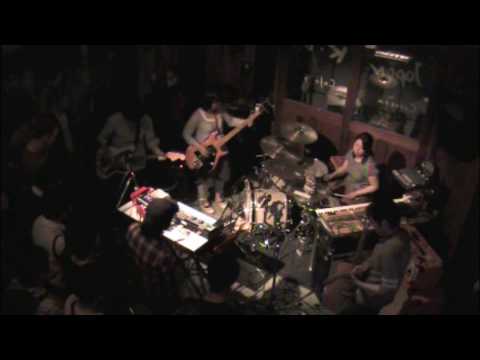
miaou's music is built on stunning melodies and carefully crafted song progressions, which sets them apart from most other instrumental post-rock bands. Their songs aren't built on the typical slow burn toward a wall of distorted guitar — melody leads, not noise.

Even within the Japanese music scene, they remain a minor name. But looking back at the instrumental rock boom of the early 2000s, I'd argue they wrote some of the most remarkably beautiful melodic progressions of any band in the world during that era.

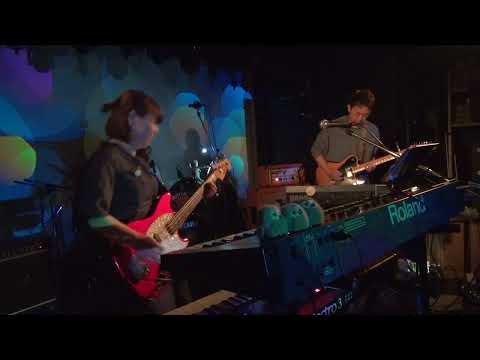
I also love that their drummer and bassist are both women — power playing like theirs is still rare for women in the post-rock scene, and what they bring to the rhythm section is genuinely awesome.

Watch their live performances and you'll notice electronic programming is kept to an absolute minimum — it's all played, in the room, by the four of them. I especially love watching them form a circle on stage, listening closely to one another to lock their rhythms into perfect sync.

YouTube video

And this is the another piece of there's great live performance

YouTube video

3. A Japanese Rock Band You Need to Know

The lyrics Spangle call Lilli line sing don't always make conventional sense in Japanese — every word exists purely in service of the melody.

Of all the Japanese rock bands out there, I think they have some of the most outstanding melodic writing. Everything in their music is built around melody first.

The members met at art university, and each one also has an independent career as a designer or photographer outside the band. That's exactly why they're free to make the music they want, without compromise. It also means they've never had mainstream commercial success in Japan — and that's precisely what makes them special.

Their live performances are worth seeking out on YouTube.

YouTube video

YouTube video

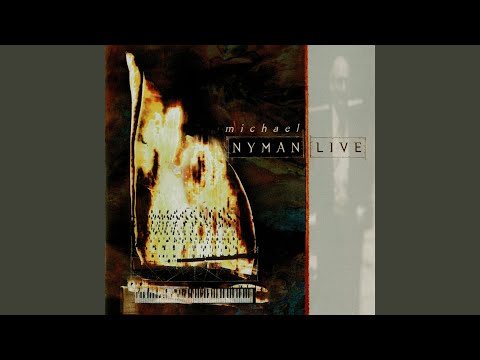
メロディが猛烈なペースで何度も何度も回帰し、タブラのような打楽器がその反復のひとつひとつを彩っていく。これを「クラシック」と呼んでいいのかどうかも正直わからない。でも、もしあなたがマイケル・ナイマンを映画音楽の作曲家としてしか知らないなら、ぜひ一度これを聴いてみてほしい。

YouTube video

これは「The Upside Down Violin: III) Faster Still」、1994年にマイケル・ナイマン・バンドとオルケスタ・アンダルシ・デ・テトゥアンによって演奏されたライブだ。そして、そう——これは紛れもなく、多くの人が『ピアノ・レッスン』で知っているあのマイケル・ナイマン本人である。

マイケル・ナイマンとは何者か

もしピーター・グリーナウェイの映画や、ジェーン・カンピオンの『ピアノ・レッスン』を観たことがあるなら、たとえ作曲家の名前を知らなくても、あなたはすでにナイマンの音楽を耳にしている。彼はイギリスの作曲家・ピアニストであり——映画音楽で有名になるずっと前は——音楽評論家でもあった。実のところ、1960年代に「ミニマル・ミュージック」という言葉を生み出したのは他でもないナイマンであり、それは彼自身がこのジャンルを代表する作曲家のひとりになるよりも何年も前のことだった。

彼のサウンドは反復の上に成り立っている。短い旋律的・リズム的な単位がループし、層を重ね、少しずつ変化していく。壮大なロマン派的身振りではなく、小さな変奏の積み重ねから緊張感と推進力を生み出すのだ。1970年代後半から1980年代にかけて、このスタイルはグリーナウェイとの長年の創作上のパートナーシップと切り離せないものとなり、『コックと泥棒、その妻と愛人』や『プロスペローの本』といったアートハウス映画の音楽を手がけた。しかし彼を一躍誰もが知る名前にしたのは、1993年の『ピアノ・レッスン』だった。耳に残る、もの悲しいテーマ曲は、アート系映画ファンの枠をはるかに超えて、多くの観客の心をとらえた。

これが、多くの人が最初に出会う——そしてしばしば唯一出会う——ナイマンの姿だ。

ナイマンのもう一つの顔

「The Upside Down Violin」は、彼のカタログの中でもまったく異なる一角からやってきた作品だ。1992年に作曲されたこの曲は、セビリア万博('92年)のために、マイケル・ナイマン・バンドと、アンダルシア・クラシック音楽の伝統に根ざしたモロッコのオーケストラ、オルケスタ・アンダルシ・デ・テトゥアンのために委嘱された。楽曲はSlow、Faster、Faster Stillという3つの楽章で構成され、それぞれが前の楽章よりも強度を増していく。

すべてのナイマンらしさが、まったく別の何かと衝突するのは「Faster Still」においてだ。彼のトレードマークである執拗な反復はそこにも健在だが、今度はそれが北アフリカおよびアンダルシアの民俗音楽の旋法的な旋律と、推進力のある打楽器のリズムと織り合わされている。その効果は、典型的な西洋クラシック音楽というよりも、トランスに近い何かだ。旋律線は猛スピードで渦を巻きながら前進し、その下で手打楽器がリズムをどんどん小さな断片へと砕いていく。

だからこそ、「映画音楽家としてのナイマン」しか知らない人にこそ、これを聴いてほしいと私は思う。作曲上のDNAは同じ、反復への催眠的なまでのこだわりも同じだ。だが、それは映画的な抑制を脱ぎ捨て、全力で解き放たれ、西洋クラシックの正典とはまったく異なる伝統と融合している。あの静かで物悲しいピアノのテーマの背後にいる人物が、これほどの炎を内に秘めていたことの証なのだ。

これを「クラシック」に分類すべきなのか、「ワールドミュージック」なのか、それとも分類すること自体を拒む何かなのか、私自身いまだにわからない。けれど、これは私が他のどの曲よりも繰り返し立ち返ってくる一曲だ。

ベストアルバム

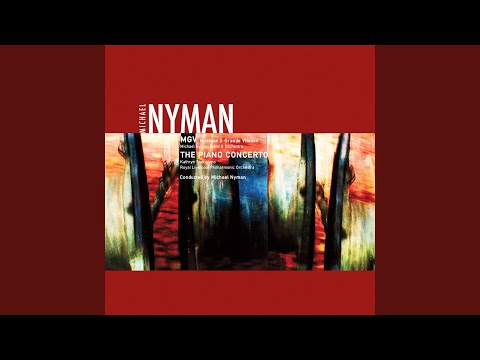
ここまで紹介してきたのは私のお気に入りの曲だが、ベストアルバムとなるとまた話は別だ。私が選ぶベストアルバムは、フランスの高速鉄道TGVのために書かれた『MGV(Musique à Grande Vitesse)』だ。ピアノは列車が鉄橋のレールを渡るときの音のように鳴り、ストリングスがダイナミックな風景を描き出していく。

YouTube video

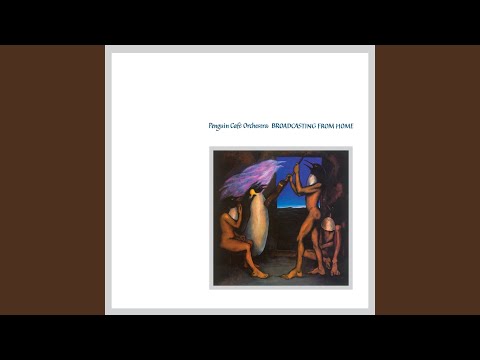
ある日、BBC Radio 3の「Late Junction」から流れてきた音楽に、私は手を止めた。弦楽器とギターが踊るように絡み合う、聴いたことのない音楽だった。曲名とバンド名をメモして、アルバムを聴き始めた。そうして何枚か掘り進めていくうちに、ふいに気づいた瞬間があった。HPのCMで何年も耳にしていた、あの旋律が流れてきたのだ。

Penguin Cafe Orchestra。その名前を知るまで、私はすでに何年もその音楽とともに生きていた。

「知っているけれど、誰の音楽か知らない」。Penguin Cafe Orchestraとはそういう存在だ。

食中毒の夢から生まれた音楽

Penguin Cafe Orchestraを語るには、まず1972年の南フランスから始めなければならない。イギリス人ギタリストのSimon Jeffes(サイモン・ジェフス)は、そこで腐った魚を食べて体調を崩した。病床に就いたSimonは、高熱のなかで奇妙なビジョンを繰り返し見た。

そのビジョンをArthur Jeffes(Simonの息子)が後年こう語っている。「父は近未来の悪夢を見た。人々はコンクリートの巨大な建物に住み、画面を見つめて生きていた。部屋の隅には大きなカメラがあり、常に監視されていた。ある部屋では愛のないセックスをしているカップルがいて、別の部屋では膨大な機材に囲まれたミュージシャンがいた――しかしヘッドフォンをつけているので、部屋には実際には音楽が鳴っていなかった」

この非人間的な世界の対極にあるものとして、Simonは夢のなかで「ペンギンカフェ」を見た。薄暗い道を歩いていくと、光と騒音があふれ出る古びた建物がある。中に入ると長いテーブルがあり、見知らぬ人々が肩を並べて座っている。奥では楽団が演奏している——どこかで聴いたことがあるような、でも思い出せないような音楽を。

熱が下がったSimonは決意した。その夢の楽団が奏でる音楽を自分で書こう、と。そうして1972年に生まれたのがPenguin Cafe Orchestraである。

「オーケストラ」という名の室内楽

「Orchestra(オーケストラ)」という名称から、多くの人は大編成の管弦楽団を想像するだろう。だが実際のPenguin Cafe Orchestraは、その言葉のイメージとはかけ離れた、小さなアンサンブルだった。

ギター、チェロ、ヴァイオリン、ウクレレ、トロンボーン、打楽器。メンバーは曲によって流動的に変わり、ハーモニウム(足踏み式オルガン)やペニーホイッスル、さらにはゴムバンドや電話の発信音まで楽器として用いた。これはどう見ても室内楽——あるいはそれ以上に自由な、カテゴリーを拒む音楽だった。

「Orchestra」という名称はSimonのユーモアであり、音楽的なマニフェストでもあった。権威ある響きを持つ言葉を借用しながら、その概念を静かに解体する。大ホールを満たすような音楽ではなく、カフェの奥で演奏されるような、親密で体温のある音楽。それがSimonの目指したものだった。

YouTube video

「Perpetuum Mobile」(1987年)。15/8拍子という変拍子で書かれたこの曲は、終わりそうで終わらない、永遠運動機械のような感覚を持つ。『The Handmaid's Tale/侍女の物語』のTVドラマや映画『Mary and Max』のテーマとしても知られる。

同時代の音楽と、イギリス的なもの

1976年にデビューアルバムをリリースしたPenguin Cafe Orchestraは、同時代のさまざまな音楽の流れの上に立っていた。

アメリカではSteve ReichやPhilip Glassがミニマル・ミュージックを展開していた時期だ。繰り返しのパターン、声部の積み重ね、静かな変容——PCOの音楽にもそれに似た構造がある。しかしミニマリズムの持つ抽象性や冷ややかさとは、PCOは明らかに一線を画している。

現代音楽としてのミニマル・ミュージックが知的な構造美や厳格さを追求するのに対し、PCOの音楽には底抜けの遊び心がある。ゴムバンドを楽器にしたり、電話の発信音をループさせたり、「Telephone and Rubber Band」という曲名そのままに笑いを音楽に持ち込む。変拍子も複雑な対位法も、PCOの手にかかれば難解さではなくユーモアになる。ミニマリズムの語法を借りながら、その緊張感をほぐしてしまう——そこにSimon Jeffesという人物の独自性があった。

その遊び心の源泉のひとつが、イギリスおよびアイルランドの伝統音楽(トラッド)にあると思う。トラッドには、リールやジグといった舞曲のために短いフレーズを繰り返す構造が古くから根付いている。踊り続けるための反復、少しずつ変化しながら循環するメロディ——それはミニマル・ミュージックが知的に追求したものと、形は違えど本質的に近い。PCOはその二つの反復を、学術的な文脈ではなく身体的な喜びとして音楽に持ち込んだ。

象徴的なのが「Music for a Found Harmonium」の誕生秘話だ。Simonが日本ツアー中に路上で偶然見つけた古びた足踏みオルガン。その不完全な楽器から生まれたシンプルなメロディは、あまりにも自然にアイルランドのリール(伝統舞曲)の文法に溶け込んでいたため、Patrick Street、De Dannan、Kevin Burke、Sharon Shannonといったトラッドの名手たちが「自分たちの音楽」として次々とカバーしていった。クラシックでも現代音楽でもなく、人々が踊り、笑い、騒いできた音楽の記憶——それがPCOのユーモアと遊び心を支えていた。

デビューアルバムはBrian Enoが主宰したObscure Recordsからリリースされた。Enoのアンビエント音楽は「聴かれることも、無視されることもできる」という静的な空間の提示だった。対してSimonのビジョンは、人々が集まるカフェという場所の熱量やノイズを内包するものだった。PCOの音楽がどこか人懐っこいのは、Enoの「無人」の気配に対して、常に体温のある他者を感じさせるからかもしれない。同じ頃、Kraftwerkはテクノという新しい音楽の言語を作り出していた。PCOはそれらの同時代的な問いを共有しながら、しかしより人間的な方向へ、より温かい場所へ向かった。

フォークの躍動感、ミニマリズムの構造、アンビエントの空気感、そして室内楽の親密さ。これらをイギリス的な叙情性でひとつに溶かしたもの——それがPenguin Cafe Orchestraの音楽だったと思う。Philip Glassの冷たさもなく、Enoの没個性もなく、Kraftwerkの機械性もなく、もっと人間的で、もっとほころびがあって、もっと笑いがある。

YouTube video

「Music for a Found Harmonium」(1984年)。路上で見つけた足踏みオルガンからインスピレーションを得た楽曲。アイルランドのトラッドミュージシャンたちにカバーされ、映画「Napoleon Dynamite」でも使用された。

成功と、忘却と、遍在

Penguin Cafe Orchestraは「無名」ではなかった。1987年のアルバム「Signs of Life」はイギリスのチャートにランクインし、世界中をツアーした。日本でも人気を博し、ロイヤル・バレエが彼らの楽曲をバレエ作品に採用した。The South Bank ShowやTerry Woganのテレビ番組にも出演した。

しかし私が生まれた年(1976年)にデビューアルバムがリリースされた彼らの音楽は、今となっては「古い」。ストリーミング時代のアルゴリズムは新譜を優先し、Simon Jeffesは1997年に脳腫瘍で48歳の若さで世を去った。新しい音楽が生まれることも、新しいツアーが行われることもなくなった。

それでも音楽は生き続けた。映画のスコアとして、テレビドラマのサウンドトラックとして、CMの背景音楽として。HPを筆頭に数多くの企業広告に使用され、『The Handmaid's Tale/侍女の物語』『Mary and Max』『Napoleon Dynamite』『Capitalism: A Love Story』——これほど多くの映像作品にPCOの音楽が使われてきた。

「知っているけれど、誰の音楽か知らない」現象は、つまりこういうことだ。音楽は知名度を失った後も、別の回路で人々の耳に届き続けた。名前だけが、時代の流れのなかに置き去りにされた。

息子が継いだもの

Simon Jeffesの死から10年後の2007年、元メンバーたちがロンドンのUnion Chapelで追悼コンサートを開いた。そのステージに、Simonの息子Arthur Jeffes(アーサー・ジェフス)がパーカッションとキーボードで参加した。3公演はすべて売り切れだった。

その反響に背を押されたArthurは、2009年に「Penguin Cafe」という新たなバンドを結成した。元PCOのメンバーは一人も含まれない、全く新しいアンサンブルで。

Arthurはケンブリッジ大学で考古学と人類学を学んだ知性の人であり、同時に実験音楽への情熱を持つ音楽家でもある。幼少期にピアノの鍵盤をハンマーで叩いたエピソードが伝わっているが、父Simonはそれを「実験精神の芽生え」と捉えたという。

Penguin Cafeとして5枚のアルバムをリリースし、そのすべてがErased Tapes——Nils FrahmやÓlafur Arnalds、Johann Johannssonを擁するポストクラシカルの名門レーベル——から出ている。この事実は、ArthurがただSimonの遺産を守るだけでなく、現代のポストクラシカルやネオクラシカルの文脈にPenguin Cafeの音楽を新たに位置づけていることを示している。

YouTube video

Penguin Cafeに息づく反復構造とユニークな遊び心のなかに父親の作り出した音楽の影響の大きさを見て取るのはたやすい

カフェの奥で、今も

最新アルバム「Rain Before Seven…」(2023年)は、Arthurが率いるPenguin Cafeの現時点での到達点だ。「Rain before seven, fine before eleven(七時前に雨が降れば、十一時には晴れる)」という古いイギリスの天気のことわざをタイトルに持つこのアルバムは、父の音楽の精神を引き継ぎながら、Arthurの独自の声でそれを語り直している。

ヴァイオリン、チェロ、コントラバス、打楽器にバラフォン、ウクレレ、メロディカ。Simonがゴムバンドや電話音を楽器にしたように、Arthurも「予想外の音」を室内楽の文脈に持ち込む。その姿勢は一貫して父の哲学に忠実だ——「面白い、少し変な発想を取り上げて、変なことをする。でも美しく、感情的にアクセスできる音楽として」。

夢のカフェは今も続いている。奥の楽団は演奏を続けている。そしてあなたはきっと、すでにその音楽を聴いている。ただ、その名前を知らなかっただけで。

メロディが猛烈なペースで何度も何度も回帰し、タブラのような打楽器がその反復のひとつひとつを彩っていく。これを「クラシック」と呼んでいいのかどうかも正直わからない。でも、もしあなたがマイケル・ナイマンを映画音楽の作曲家としてしか知らないなら、ぜひ一度これを聴いてみてほしい。

YouTube video

これは「The Upside Down Violin: III) Faster Still」、1994年にマイケル・ナイマン・バンドとオルケスタ・アンダルシ・デ・テトゥアンによって演奏されたライブだ。そして、そう——これは紛れもなく、多くの人が『ピアノ・レッスン』で知っているあのマイケル・ナイマン本人である。

マイケル・ナイマンとは何者か

もしピーター・グリーナウェイの映画や、ジェーン・カンピオンの『ピアノ・レッスン』を観たことがあるなら、たとえ作曲家の名前を知らなくても、あなたはすでにナイマンの音楽を耳にしている。彼はイギリスの作曲家・ピアニストであり——映画音楽で有名になるずっと前は——音楽評論家でもあった。実のところ、1960年代に「ミニマル・ミュージック」という言葉を生み出したのは他でもないナイマンであり、それは彼自身がこのジャンルを代表する作曲家のひとりになるよりも何年も前のことだった。

彼のサウンドは反復の上に成り立っている。短い旋律的・リズム的な単位がループし、層を重ね、少しずつ変化していく。壮大なロマン派的身振りではなく、小さな変奏の積み重ねから緊張感と推進力を生み出すのだ。1970年代後半から1980年代にかけて、このスタイルはグリーナウェイとの長年の創作上のパートナーシップと切り離せないものとなり、『コックと泥棒、その妻と愛人』や『プロスペローの本』といったアートハウス映画の音楽を手がけた。しかし彼を一躍誰もが知る名前にしたのは、1993年の『ピアノ・レッスン』だった。耳に残る、もの悲しいテーマ曲は、アート系映画ファンの枠をはるかに超えて、多くの観客の心をとらえた。

これが、多くの人が最初に出会う——そしてしばしば唯一出会う——ナイマンの姿だ。

ナイマンのもう一つの顔

「The Upside Down Violin」は、彼のカタログの中でもまったく異なる一角からやってきた作品だ。1992年に作曲されたこの曲は、セビリア万博('92年)のために、マイケル・ナイマン・バンドと、アンダルシア・クラシック音楽の伝統に根ざしたモロッコのオーケストラ、オルケスタ・アンダルシ・デ・テトゥアンのために委嘱された。楽曲はSlow、Faster、Faster Stillという3つの楽章で構成され、それぞれが前の楽章よりも強度を増していく。

すべてのナイマンらしさが、まったく別の何かと衝突するのは「Faster Still」においてだ。彼のトレードマークである執拗な反復はそこにも健在だが、今度はそれが北アフリカおよびアンダルシアの民俗音楽の旋法的な旋律と、推進力のある打楽器のリズムと織り合わされている。その効果は、典型的な西洋クラシック音楽というよりも、トランスに近い何かだ。旋律線は猛スピードで渦を巻きながら前進し、その下で手打楽器がリズムをどんどん小さな断片へと砕いていく。

だからこそ、「映画音楽家としてのナイマン」しか知らない人にこそ、これを聴いてほしいと私は思う。作曲上のDNAは同じ、反復への催眠的なまでのこだわりも同じだ。だが、それは映画的な抑制を脱ぎ捨て、全力で解き放たれ、西洋クラシックの正典とはまったく異なる伝統と融合している。あの静かで物悲しいピアノのテーマの背後にいる人物が、これほどの炎を内に秘めていたことの証なのだ。

これを「クラシック」に分類すべきなのか、「ワールドミュージック」なのか、それとも分類すること自体を拒む何かなのか、私自身いまだにわからない。けれど、これは私が他のどの曲よりも繰り返し立ち返ってくる一曲だ。

ベストアルバム

ここまで紹介してきたのは私のお気に入りの曲だが、ベストアルバムとなるとまた話は別だ。私が選ぶベストアルバムは、フランスの高速鉄道TGVのために書かれた『MGV(Musique à Grande Vitesse)』だ。ピアノは列車が鉄橋のレールを渡るときの音のように鳴り、ストリングスがダイナミックな風景を描き出していく。

YouTube video

The Illinois college students who once dissolved before becoming anyone have returned in 2026 — each living an ordinary life — to quietly step beyond the vessel of rock.

Prologue: The “Green House” Nobody Cared About

In 1999, in a corner of a college campus in Illinois, an album was quietly recorded. The budget was a mere two thousand dollars; the sessions lasted just four days. By the time recording began, the band had already entered dissolution mode — members were graduating, and the end was imminent. In the three years leading up to those studio sessions, they had played somewhere between fifteen and thirty live shows, most of them to a handful of people in half-empty rooms.

“Nobody cared about this band.”

As member Steve Holmes later recalled, their debut album — known colloquially as LP1 — was destined to be filed away in a drawer as a memento of youth, reaching no one, disappearing quietly alongside the close of their college years. What the underground scene of the time wanted was emo as punk: louder, more impulsive, more viscerally emotional.

[What is emo?] Short for “emotional hardcore,” emo emerged in the late 1980s as a branch of American hardcore punk. It retained the intensity of its parent genre while turning inward — breakups, loneliness, and identity crisis delivered with raw personal candor. By the 1990s, pop-inflected acts like Blink-182 and The Get Up Kids dominated the mainstream, but in the Chicago suburbs of Illinois — where American Football, Owen, and Cap'n Jazz all took shape — a subgenre called Midwest emo developed its own distinct character: complex guitar arpeggios, odd time signatures, an intellectual and introspective sensibility. The 2010s saw a global-scale reappraisal of these bands, widely referred to as the “emo revival” or the genre's third wave. American Football's sound — understated, quiet, labyrinthine — was entirely out of step with the spirit of its time.

Yet in the fourteen years of the band's absence, something strange happened in reverse. Through file-sharing software like LimeWire and early internet message boards, that green-house cover quietly became a cult scripture among serious music listeners, eventually circling back as a foundational “source text” for the emo revival bands of the 2010s.

When a reissue in 2014 prompted a reunion, what awaited them was a string of sold-out stages around the world. Nate Kinsella — cousin of Mike Kinsella — joined as bassist at this point, expanding the band from a trio to a quartet. The group that had dissolved in total obscurity returned to find itself a legend the world had been waiting for.

YouTube video

The Remarkable “Side-Project Professionalism”

What makes this band truly singular is that even after their miraculous reunion, they never returned to being full-time musicians.

Member Steve Lamos teaches as an associate professor of writing and rhetoric at the University of Colorado Boulder; Holmes works for a software company; frontman Mike Kinsella raises children while maintaining his solo project Owen. They can manage twenty to thirty live shows a year at most — grounded, practical people leading grounded, practical lives, running American Football as a full-fledged side project.

That sense of astonishment you felt listening to LP2how could something with this level of completeness have been made on the side? — is, from a structural standpoint, a perfectly logical outcome.

Kinsella has spoken of the “many compromises” involved in writing lyrics in the margins of work and parenting, scrawled out on tour buses under punishing schedules. But it is precisely because they have no need for the hungry ego or commercial calculation that comes with making a living from music that they are able to maintain — alongside the rhythms of daily life — a grownup's stoicism in controlling studio reverb and sound pressure down to the millimeter. The alternate tunings and polyrhythms they played in college, filtered through seventeen years of lived experience, had been refined into a species of fully controlled, quietly obsessive craftsmanship.

It should be noted that Lamos left the band in 2021 before returning in 2023, and has been involved in the making of LP4.

YouTube video

New Territory in 2026: Arpeggios Beyond the Fog

And then, in 2026, LP4 arrived — their first new record in seven years — more beautiful than anything they had made before, and further from their earlier sound than they had ever ventured.

The first thing that strikes the ear is the dramatic shift in sonic texture. The fresh, vivid indie-rock feel that once rang out from a campus corner has stepped back; in its place, a rich and deep acoustic space spreads outward, edging toward modern classical, electronica, post-rock, and ambient drone. The band has aged as people, and the musical vocabulary absorbed along the way has matured correspondingly — that much seems clear from the boldness of this expansion.

Thematically, too, LP4 carries a weight incomparable to anything before it. Polyvinyl has described the album as “relentlessly heavy,” noting that subjects like suicide, shame, divorce, addiction, self-loathing, and recovery often coexist within a single song. The lyricism of LP1, which charted the tremors of youth, has deepened into the raw, unfiltered reality of middle age.

Yet peel back that new acoustic fog one layer, and at the structural core of these songs — holding everything up — you will find the same “obsessively repeated arpeggios in alternate tunings, woven between two guitars” as always.

The roots of their music lie not in the impulse of punk but in a minimalism directly descended from Steve Reich: short phrases repeated, emotional contour drawn from subtle phase shifts and harmonic variations. That equation has not wavered, regardless of how much the surrounding texture has changed. One clear expression of this is LP4's “Desdemona,” built around a sustained rhythmic pulse drawn from Reich's landmark Music for 18 Musicians (1978) — the band's long-declared admiration for Reich finally inscribed into the skeleton of the music itself. For listeners who fell in love with the indie-rock energy of earlier records, this fog-laden sound may feel like a departure into too-distant territory. But for the band, it may represent a liberation from the monument they erected with their first album.

Those small, darting guitar arpeggios — once the vessel for the pain and unsteadiness of youth — now resound in 2026 like a loop that says: daily life goes on, quietly, but without question.

YouTube video

A Chain of Respect Across Generations

The fact that American Football's influence is inscribed not in critical endorsement alone, but in the actual actions of both contemporary and younger musicians, speaks to the essential strength of their music.

The most striking evidence of this is the 25th-anniversary tribute album for LP1, released in 2024. Featuring contributions from Iron & Wine, Manchester Orchestra, Blondshell, and others, the release drew particular attention for Ethel Cain's cover of “For Sure.” One of the most representative artists in the current alternative scene, Ethel Cain reached out and volunteered to cover the track herself, expanding the original's three minutes and sixteen seconds into a piece approaching ten minutes. “It's the song that always stands out to me when I put on the record,” she said, “and I immediately knew how to translate it into my own sound.” She added that “American Football is a band that etched themselves so deeply into an era with their debut — their musical storytelling has continued to inspire me in countless ways,” and the depth of her devotion is evident even in the music video for her own song “American Teenager,” whose typography and layout consciously echoes the cover design of LP1.

On LP4, the roster of collaborators reads as a map of the band's reach. Brendan Yates of Turnstile — a band at the front lines of the hardcore scene — was invited to join “No Feeling” as one voice in a choral ensemble, but when he tried an impromptu high-register harmony in the studio, his vocal presence lifted the song into an entirely different dimension. Kinsella recalled the moment as “everyone in the studio's jaw dropping.” That two artists from apparently separate contexts — emo and hardcore — could generate this kind of natural chemistry is itself proof that American Football operates beyond the boundaries of any particular genre.

The collaboration with Paramore's Hayley Williams on LP3 (2019) is legible in the same terms. Williams — who operates at the mainstream of pop-rock — agreed to appear on “Uncomfortably Numb” because she had simply been a longtime fan of American Football. And on LP4, Caithlin De Marrais of Rainer Maria — a peer from the same 1990s emo scene — also appears. Artists from different generations, each drawn to this band for their own reasons: that fact alone testifies to the rare and powerful magnetic field that is American Football.

3rd album is as good as others YouTube video

Epilogue: The Aesthetics of a Repeated Ordinary Life

Why does American Football's music lodge itself so deeply even in listeners who do not ordinarily listen to emo? Not because they are a band that detonates emotion.

There is something here that connects to the sadcore atmosphere of Red House Painters and Sun Kiel Moon — a raw authenticity that seals heavy feeling inside stillness. The slowly unspooling arpeggios they share with slowcore may be part of it. But the deeper reason is that this emotional truth is designed with cold precision through a minimalist “structure” that could almost be called mathematical.

A project that should have died completely is deified through the underground waterways of the modern internet, then breathed back to life in the margins of the adult lives its members now lead. What the 2026 record proves — quietly, and overwhelmingly — is that as the landscape of their lives has shifted, they have kept weaving, at the tips of their fingers, the same “aesthetics of repetition” they have carried since 1999, unchanged.


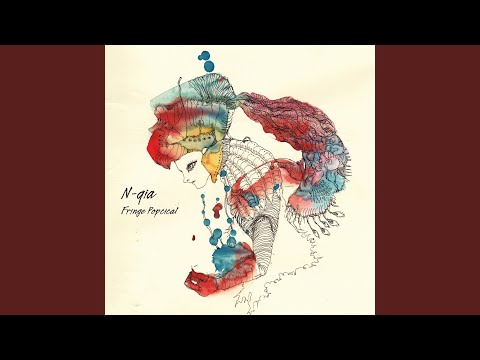
概要 serphは東京を拠点とする電子音楽家だ。2009年のデビュー以来、ジャズ、テクノ、クラシック、映画音楽を横断しながら、他の誰にも似ていない音響世界を構築してきた。その音楽の核心にあるのは、重層的な楽器の交代によるメロディーの構築と、常人離れした密度のエディットだ。商業的成功とは相容れない道を選び、飢餓感の中で作り続けた初期。N-qiaという活動を通じた人生の転換。そして2026年、肩の力が抜けた新作Destiny Landのリリース——この記事はserphという音楽家の軌跡を追う。

この記事は以前掲載した「もっと知られてほしい日本のインディーミュージシャン3組」でserphを取り上げたが、紹介しきれなかった部分が多かったため、改めて単独で掘り下げることにした。

serphとは

serphは東京在住の男性によるソロ・プロジェクト。2009年、ピアノと作曲を始めてわずか3年で完成させたアルバム『accidental tourist』でデビュー。以来、コンスタントに作品をリリースし続けている。ジャズ、テクノ、クラシック、映画音楽、プログレなど多彩な要素を取り込みながら、独自の音響世界を構築してきた電子音楽家だ。

初期の傑作①:vent

2010年リリースの2ndアルバム『vent』は、serphという音楽家の輪郭を世に知らしめた作品だ。

この作品の特異さは、楽器の使い方にある。ひとつのhttps://write.as/hiroaki-satou/yin-nohong-shui-nini-reru-serphnoshi-jie/editメロディーラインを単一の楽器が担うのではなく、複数の楽器が交代でそのメロディーを受け渡しながら、重層的に積み上げていく。ピアノが提示したフレーズをシンセが引き継ぎ、そこにストリングスが絡み、管楽器がアクセントを加える——気づけば音の建築物が目の前にそびえ立っている。

YouTube video

初期の傑作②:Heartstrings

2011年の『Heartstrings』は、serphの代表作として広く認知されている。

この作品で顕著なのは、音の密度の凄まじさだ。3〜4分という短い尺の中に、これでもかと音が詰め込まれている。serph自身、インタビューでこう語っている——「3、4分の中で、とにかく生きている実感というか、音楽ヤバい!という感覚をぶち込みたい」「ミニマルな方向は自分はたぶん行かない」と。

YouTube video

再生環境が変わると、別の音楽になる

正直に言っておきたいことがある。この音楽は、再生環境によって全く異なる体験をもたらす。安価なスピーカーやイヤフォンでは、音の洪水に飲み込まれて轟音になってしまうことがある。細部に折り重なった音の層、空間の奥行き、各楽器の定位——それらはある程度の再生環境があって初めて解像度を持って聴こえてくる。

それほどまでに緻密なエディットを施した音楽が商業的に成功しにくいことは、serph自身が誰よりもよく知っているはずだ。それでもその道を選び、極め続けた。

なぜ海外で知られていないのか

同じnobleレーベルから生まれた日本エレクトロニカのシーンを見渡すと、kashiwa daisukeとworld's end girlfriendはいずれも海外との接続に成功している。kashiwa daisukeはデビュー作をドイツのonpaレーベルからリリースし、2009年にはベルリンのBerghainを含む欧州8都市でツアーを行った。world's end girlfriendは自身のレーベルVirgin Babylon Recordsを拠点にしながら、UK拠点のErased Tapes Recordsが欧米での配給を担い、アジア各国でもライセンスされた。

両者に共通するのは音楽性だ。暴力的なまでの音圧と、アンビエントに近い空間感の共存——それは言語を超えてポストロックやシューゲイザーの文脈で受容されやすい音楽だった。Pitchforkをはじめとする英語圏メディアもこの文脈で語ることができる。

serphの音楽はその構造が根本的に異なる。重層的な楽器の交代と、濃密なメロディックエディットは、ポストロックやアンビエントの文脈に単純には収まらない。PitchforkもRolling StoneもAllMusicも、serphを取り上げたことがない。Rate Your MusicでのHeartstringsの登録数は46件、Last.fmのリスナー数は約5,700人にとどまる。この数字は、その音楽の完成度とはおよそ釣り合わない。

serphが海外に知られていない理由は、音楽の質の問題ではない。その緻密さが、既存のカテゴリに収まることを拒んでいるからだ。

Daisuke Kashiwaの初期の代表作 YouTube video

World’s ends girlfriendsの曲の中でもポップで聴きやすい作品の一つ YouTube video

命懸けの作業

DTMで音楽を作ったことがある人なら、直感的にわかることがある。

ひとつのトラックに何十もの音を重ね、それぞれの音量・定位・EQ・タイミングを微調整し、全体のバランスを整える作業は、集中力と時間の消耗が極めて激しい。一小節を仕上げるのに何時間もかかることがある。serphが年間300曲ほど制作していると語っているのは、その作業量の凄まじさを物語っている。

さらに、その緻密さが商業的成功と相容れないことをserph自身が知っている。再生環境によっては轟音になるほどの密度で音を重ねるということは、大多数のリスナーへの訴求を最初から手放すことを意味する。労力は最大、リターンは最小——それでも作り続けるという選択は、精神的なコストという意味でも、命懸けの作業と呼ぶに値する。

デビュー前、serphはこう語っていた。「精神的な飢餓感を満たすために毎日曲を作っている」。孤独と社会的不適合感の中で、音楽だけが唯一の居場所だった。その飢餓感が、あの密度を生み出していた。

N-qiaという出会い

serphの音楽の変遷を語るとき、N-qiaというユニットを避けることはできない。

2010年頃、MySpaceでボーカリストのNozomiから「歌わせてください」というメッセージが届いた。serphは軽い気持ちで音源を聴き、会い、一緒に音楽を作り始めた。それがN-qia——後に夫婦ユニットになる出会いだった。

2016年のCINRAのインタビューで、serphはその意味をこう語っている。「彼女と出会って、素直でいられる自分を再発見して、猜疑心みたいなものがどんどんほぐされました」。

デビュー前、serphは「精神的な飢餓感を満たすために毎日曲を作っている」と語っていた。その飢餓感がどこから来ていたか——孤独、社会への不適合感、自己否定の蓄積。音楽はその「逃げ場」だった。

しかしNozomiとの出会いは、その構造を少しずつ変えていった。2018年のインタビューでは「飢餓感で音楽を作ってるという話をしたと思うんですけど、今は真逆なんですよ」と語っている。

命懸けで作り続けた音楽が、その道を極めたことで、少しずつ軽くなっていった。

YouTube video

2026年新作:Destiny Land

2026年3月6日、serphは新作アルバム『Destiny Land』を11曲でリリースした。

『Heartstrings』以来の密度と、N-qia以降に獲得した軽やかさが共存している。重層的な音の構築はそのままに、どこか肩の力が抜けた感触がある。飢餓感ではなく、充足から生まれた音楽の手触りだ。

YouTube video

音の洪水の先に

serphの音楽は、再生環境を要求する。それは敷居ではなく、招待状だと思う。

轟音になりうるほどの密度で音を重ね、商業的な成功とは相容れない道を選び、それでも作り続けてきた。そのストイックさが音楽に染み込んでいる。そして今、その音楽はかつての飢餓感ではなく、解放の感触を帯びはじめている。

Destiny Land を、できれば良い環境で聴いてほしい。

Description: “Classical” is a word I use with quotation marks. The piece I want to talk about doesn't sit comfortably within any genre boundary, which is partly why I love it. This piece is a personal note about one specific work that changed how I listen—not because it was the most technically impressive thing I'd heard, but because it was the first time a piece of music felt less like a composition and more like a physical space I could step inside.

The melody comes back again and again at a furious pace, and tabla-like percussion colors every repetition. I'm not even sure “classical” is the right word for it — but if you only know Michael Nyman through his film scores, you owe it to yourself to hear this.

YouTube video

This is “The Upside Down Violin: III) Faster Still,” performed live in 1994 by the MichaeMy Favorite Piece of “Classical” Music

The melody comes back again and again at a furious pace, and tabla-like percussion colors every repetition. I'm not even sure “classical” is the right word for it — but if you only know Michael Nyman through his film scores, you owe it to yourself to hear this.

Who Is Michael Nyman?

If you've watched a Peter Greenaway film or Jane Campion's The Piano, you've already heard Nyman's music, even if you didn't know his name. He's a British composer, pianist, and — long before he was famous for soundtracks — a music critic. In fact, it was Nyman who coined the term “minimal music” back in the 1960s, years before he became one of the genre's most recognizable voices himself.

His sound is built on repetition: short melodic and rhythmic cells that loop, layer, and shift incrementally, building tension and momentum out of small variations rather than grand romantic gestures. Through the late 1970s and 1980s, this style became inseparable from his long creative partnership with Greenaway, scoring arthouse films like The Cook, the Thief, His Wife & Her Lover and Prospero's Books. But it was The Piano in 1993 that turned him into a household name, with its haunting, instantly hummable themes reaching audiences far beyond the art-film crowd.

That's the Nyman most people meet first — and often the only Nyman they ever meet.

The Other Side of Nyman

“The Upside Down Violin” comes from a different corner of his catalog entirely. Composed in 1992, it was commissioned for the Michael Nyman Band together with the Orquesta Andaluzi de Tetouan — a Moroccan orchestra rooted in Andalusian classical tradition — for Expo '92 in Seville. The piece unfolds in three movements: Slow, Faster, and Faster Still, each one ratcheting up the intensity of the previous.

It's in “Faster Still” that everything Nyman is known for collides with something else entirely. His signature obsessive repetition is still there, but it's now interlaced with the modal melodies and driving percussion of North African and Andalusian folk tradition. The effect is something closer to trance than to typical Western classical music — the melodic line spirals forward at breakneck speed while the hand percussion underneath keeps splintering the rhythm into smaller and smaller fragments.

This is exactly why I think people who only know “Nyman the film composer” need to hear it. It's the same compositional DNA — the same hypnotic insistence on repetition — but stripped of the cinematic restraint and let loose at full intensity, fused with a tradition entirely outside the Western classical canon. It's proof that the man behind those quiet, melancholic piano themes also had this kind of fire in him.

I still don't know whether to file this under “classical,” “world music,” or something that refuses to be filed at all. But it's the piece I come back to more than almost any other.l Nyman Band together with the Orquesta Andaluzi de Tetouan. And yes — it really is the same Michael Nyman most people know for The Piano.

The best album

My favorite music is above but the best album is different. My best album is wrote for MGV express train. It's piano like the train make sound on a rail bridge, and strings make a dynamic scenary.

YouTube video

Description: Sting's 2006 Songs from the Labyrinth is easy to dismiss as a celebrity detour into classical territory. It is the opposite. Dowland was not a classical composer in any modern sense—he was a singer-songwriter whose melodies mapped the exact contour of a sigh, writing what Sting himself called “400-year-old pop songs.” This piece explores what made Dowland's music so enduringly strange: the pre-equal-temperament tuning that required lutenists to reposition gut-string frets by ear before every piece, the way his signature melancholy offered sanctuary rather than despair, and why stripping away operatic formality actually returned these songs to their original DNA.

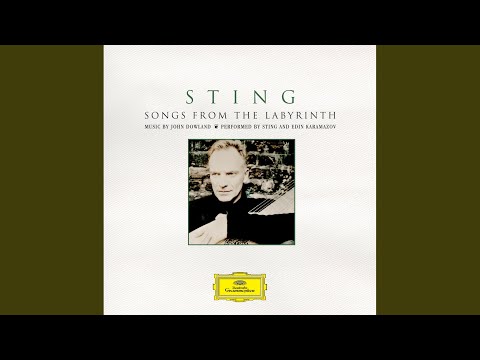
If you are looking for the perfect acoustic soundtrack to soothe a tired mind or provide a calm, intimate backdrop for your workday, look no further than Sting's 2006 album, *Songs from the Labyrinth*. Released under the prestigious classical label Deutsche Grammophon, this project isn't a mere rock star pop-cover gimmick. It is a deeply respectful, profound deep-dive into the melancholic world of the Renaissance composer, John Dowland (1563–1626).

At first glance, a modern rock icon and a Renaissance lute composer might seem worlds apart. However, looking closer reveals why this hidden gem feels so incredibly natural—and why it beautifully captures the true, populist essence of early music.

The Uncanny Parallels: Sting and John Dowland

Sting's adaptation works so brilliantly because the two artists share a striking amount of common ground:

  • The Renaissance Singer-Songwriter: We often treat Dowland like a rigid “classical” composer, but in his day, he was the definitive singer-songwriter. He wrote catchy, deeply emotional melodies meant to be sung directly to an audience, mirroring exactly what Sting has done for decades in rock and jazz.
  • The Cult of Melancholy: In late Elizabethan England, there was a massive cultural trend celebrating intellectual “melancholy”—the art of leaning into beautiful sadness. Dowland was the absolute king of this vibe. Sting, with his signature smoky, gravelly voice, perfectly channels that exact raw, human weariness.
  • The Populist Impulse: Both artists share a deep instinct for writing melodies that connect directly with ordinary people—not the academy or the concert hall. Sting himself described Dowland's songs as “400-year-old pop songs,” a framing that captures exactly why this collaboration feels so natural.

The Timeless Genius of John Dowland: More Than Just Melancholy

To understand why this collaboration feels so poignant, one must understand the sheer brilliance of Dowland himself. In an era dominated by rigid sacred music, Dowland was a radical melodist. He possessed an almost supernatural gift for writing hooks—breathtakingly beautiful, cascading lines that capture the exact contour of a sigh.

While his motto was famously “Semper Dowland semper dolens” (Always Dowland, always mourning), his sadness was never oppressive. It was empathetic. Dowland's music didn't wallow; it offered a sanctuary. It was the Renaissance equivalent of a late-night ambient record—a gentle validation of human vulnerability that feels less like a performance and more like a shared confidence in the dark. That is why his melodies haven't aged a day in four centuries.

Before Equal Temperament: The Artisan's Tuning

To truly understand the haunting atmosphere of Dowland's music, we have to look at how sound was managed before the dawn of modern music theory.

Dowland lived in an era long before J.S. Bach and the standardization of Equal Temperament (the modern system where an octave is divided into 12 mathematically equal parts). Instead, the Renaissance relied on systems like Meantone Temperament, where certain chords sounded breathtakingly pure and perfectly resonant, while other keys were so severely out of tune they were completely unusable.

Because of this, tuning was entirely left to the discretion and craftsmanship of the individual lutenist.

Unlike a modern guitar with fixed metal frets, a Renaissance lute uses frets made of gut strings tied around the neck. Players literally had to slide these frets millimeter by millimeter by ear before every single piece. They adjusted the frets to match the specific key of the song, ensuring that the primary chords achieved a pure, beating-free resonance. Dowland and his contemporaries also used the natural tension of slightly “imperfect” intervals to create deliberate, bitter dissonances that beautifully mirrored human grief and emotional tension.

The Lute's Evolution: From Intimate Intonation to Solo Virtuosity

This artisan approach to tuning perfectly served how the instrument actually functioned in society, and how its purpose shifted over time.

The Original Form: The Art of Self-Accompaniment

In the 16th century, Dowland's massively successful songbooks were published with a brilliant layout design. A single page contained the main melody, the lute notation, and alternative vocal parts printed upside down and sideways around the edges. This allowed a single person to sit down and perform a “lute song” as a raw, acoustic, intimate solo act—or let a small group gather around a single table to harmonize.

The Shift to Solo Virtuosity

As these vocal songs became nationwide blockbusters, a shift occurred. Musicians and Dowland himself began thinking, “These melodies are incredible; let's arrange them so the lute can play all the vocal parts simultaneously without a singer.”

Over the decades, this transformed the lute into a highly complex, polyphonic solo instrument. By the time of the late Baroque era, it had evolved into a vehicle for mind-bending, purely instrumental solo virtuosity.

The Triumph of Sting's Approach

Because history eventually viewed the lute as a complex, classical solo instrument, modern listeners are used to hearing Dowland performed by operatic, pristine vocalists standing far away on a recital stage. By stripping away the operatic pretense and pairing a smoky, casual voice with the lute, Sting actually restored these songs to their original, authentic 400-year-old DNA.

The Master and the Apprentice

While Sting spent years practicing the grueling, highly specific technique required to play the lute's dense strings, he knew his limits. He wisely brought in Edin Karamazov, one of the world's premier master lutenists, to anchor the album's breathtaking instrumental framework.

Throughout the record, you hear Karamazov weaving a flawless tapestry of sound, while Sting steps in to sing with an approachable, conversational warmth—even joining in on secondary lute duets.

If you want an early music experience that skips the textbook lecture and goes straight for the emotional gut, put on Songs from the Labyrinth. It is the ultimate testament to the fact that beautiful, melancholic songwriting is entirely timeless.

Going Deeper: The World of Pure Solo Lute

If Sting's album serves as your gateway and you find yourself wanting to explore the pure, wordless magic of solo lute music, you must check out the early music specialists.

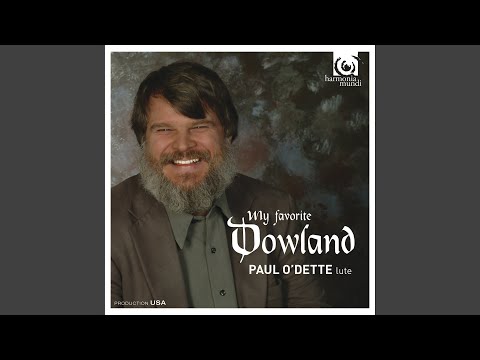
For the absolute definitive solo Dowland experience, Paul O'Dette's masterpiece album, My Favorite Dowland (Harmonia Mundi), is the ultimate gold standard. O'Dette is an absolute legend of historical performance practice who captures the breathing space, the tactile warmth of fingers on gut strings, and the profound emotional depth of Dowland's compositions. Without needing a single lyric, his fingers weave the pure, unadulterated essence of Elizabethan melancholy.

You can experience the exquisite textures and hushed beauty of his solo performances directly via the link below:

YouTube video

If you want an early music experience that skips the textbook lecture and goes straight for the emotional gut, put on Songs from the Labyrinth or dive into O'Dette's solo catalog. It is the ultimate testament to the fact that beautiful, melancholic songwriting is entirely timeless.

Description: Long before humans synthesized a waveform, the natural world had already mastered the mixing desk. Acoustic ecologist Bernie Krause observed that vocalizing organisms partition the frequency spectrum to avoid interfering with each other—an evolutionary form of multitrack recording. Two releases on the UK label Touch make this audible: Chris Watson's field recordings from the Holy Island of Lindisfarne, and a dense Thai rainforest soundscape that sounds indistinguishable from drone music. And then there is Fennesz, who arrives at the same sonic territory from the opposite direction—destroying a guitar with digital processing until what remains breathes like the earth itself.

For centuries, humanity has debated the origins of music. Is it a purely human invention, an abstract manifestation of mathematical beauty? Or is it, at its core, a sophisticated imitation of the natural world?

When we look at the field of acoustic ecology—specifically through the lens of Krause’s Biophony, which states that vocalizing organisms partition the acoustic spectrum into specific frequency bands to avoid competing with one another—nature reveals itself as the ultimate orchestral masterpiece.

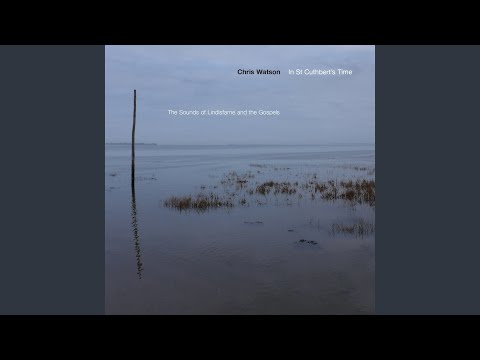
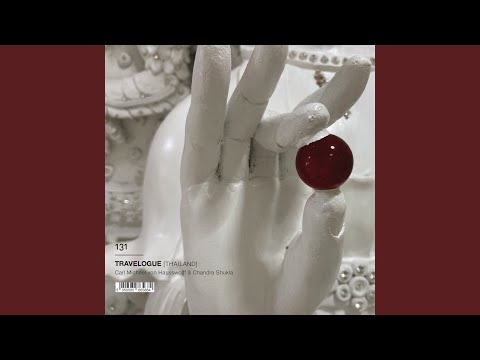
Two profound works released by the legendary avant-garde label Touch perfectly illustrate this concept: Chris Watson’s In St Cuthbert's Time and Carl Michael von Hausswolff & Chandra Shukla’s Travelogue: Thailand. Both demonstrate that what we call “music” is already happening in the wild, perfectly harmonized through evolutionary design.

The Acoustic Niches of In St Cuthbert's Time

Chris Watson, a master of field recording and a founding member of Cabaret Voltaire, takes us to the Holy Island of Lindisfarne in In St Cuthbert's Time. The album is a sonic recreation of the seventh-century landscape.

What Watson captures is not a chaotic wall of noise, but a highly organized sonic architecture:

  • The Low-End: The rhythmic, heavy thrum of the North Sea waves acting as the rhythm section.
  • The Mid-Range: The distinct, melodic calls of wading birds and mammals, perfectly timed.
  • The High-End: The sharp, piercing cries of terns and gulls cutting through the wind.

Watson doesn't need to arrange these sounds; the animals have already arranged themselves over millennia. Each creature occupies its own frequency band to ensure its message is heard, resulting in a naturally occurring, flawless harmony.

YouTube video


Spatial Polyphony in Travelogue: Thailand

Shifting from the desolate British coast to the dense, humid tropics, Carl Michael von Hausswolff and Chandra Shukla’s Travelogue: Thailand offers a different perspective on nature's symphony.

In the tropical rainforest, the competition for acoustic space is fierce. Travelogue: Thailand captures a dense, almost electronic-sounding grid of noise:

  • Insects lock into precise, high-frequency oscillations that sound like analog synthesizers.
  • Amphibians hold down the lower-mid drone.
  • Birds pierce through the canopy with sharp, rhythmic punctuation.

Hearing this, the line between “natural soundscape” and “drone/noise music” completely blurs. The creatures of the Thai jungle are practicing a form of spatial polyphony, frequency-hopping just like modern telecommunication devices to avoid jamming each other's signals.

YouTube video

The Touch Phenomenon: More Than a Record Label

You cannot discuss these works without highlighting the singular importance of Touch, the UK audio-visual label founded in 1982 by Jon Wozencroft and Mike Harding.

Touch occupies a unique, almost sacred space in contemporary music. It is not merely an ambient or experimental label; it is a curator of focused listening.

Why Touch is Unique:

  • Elevating the Status of Sound: Touch treated field recordings not as “sound effects” or background textures, but as definitive musical compositions. They forced listeners to realize that a bird in a storm is just as virtuosic as a violinist in a concert hall.
  • The Multi-Sensory Philosophy: Through Jon Wozencroft’s striking, high-purity photography and meticulous typography on the album covers, Touch creates a physical gateway into the audio. The art reminds us that sound is deeply tethered to geography, ecology, and time.
  • Acoustic Ecology as Art: Touch bridged the gap between scientific acoustic ecology and high art, proving that nature's survival tactics—like frequency slotting—are the true blueprints for human minimalism, drone, and ambient music.

Fennesz: When Guitar Noise Becomes Environmental Sound

Fennesz—the Austrian artist Christian Fennesz—releases music on Touch that arrives at the same acoustic territory from the opposite direction. Where Watson and von Hausswolff capture the natural world directly, Fennesz destroys a guitar through layers of digital processing until what remains is indistinguishable from environmental sound: shimmering, breathing, alive. The instrument disappears. The earth remains.

YouTube video

Conclusion: The Ultimate Imitation

So, is music ultimately an imitation of natural environmental sounds?

Works like In St Cuthbert's Time and Travelogue: Thailand strongly suggest that the answer is yes. Long before humans synthesized a waveform or arranged a choir, the natural world had already mastered the mixing desk. The frequency bands were assigned, the tracks were panned across the horizon, and the volume was perfectly balanced for survival.

When we compose music, we aren't creating something from nothing. We are simply remembering the ancient, perfectly harmonized language of the earth—a language that Touch has spent decades beautifully documenting.

What do you think? When you listen to a synthesizer drone, do you hear a machine, or do you hear the ancient roar of a tropical insect choir?

概要: スティングがルネサンスのリュート音楽を録音した、というと軽いアルバムを想像するかもしれない。しかしこの作品は、400年前の「ポップソング」と呼ぶべき歌を、その本来の姿に返した真摯な試みだ。ジョン・ダウランドとは何者だったのか、平均律以前の音律がいかに独特の幽玄さを生んでいたのか、そしてリュートという楽器がどのように「親密な自己伴奏」から「独奏の芸術」へと進化したのか——初期音楽の本質を、スティングというポピュリストの視点から解き明かす。

疲れた心を癒す完璧なアコースティックBGMを探しているなら、スティングの2006年アルバム『ソングス・フロム・ザ・ラビリンス』をぜひ聴いてほしい。クラシックの名門レーベルドイツ・グラモフォンからリリースされたこの作品は、単なるロックスターによる便乗企画では断じてない。ルネサンス期イングランドの作曲家ジョン・ダウランド(1563–1626)の憂愁の世界へと、深く、真摯に踏み込んだ一枚だ。

現代のロックアイコンと、ルネサンスのリュート奏者兼作曲家——一見、まるで接点がないように思える。しかし深く掘り下げてみると、この組み合わせがなぜこれほど自然に感じられるのか、そしてなぜ初期音楽本来の、民衆に寄り添う本質をこれほど美しく捉えているのかが、鮮明に見えてくる。

驚くべき共鳴——スティングとジョン・ダウランド

このアルバムが見事に成立している理由は、二人のアーティストが多くの共通点を持っているからだ。

  • ルネサンスのシンガーソングライター:現代の私たちはダウランドを「クラシック作曲家」として捉えがちだが、当時の彼はまさしくシンガーソングライターだった。聴衆に直接語りかけるような、感情豊かなメロディを書いた人物——それはスティングがロックとジャズの世界で何十年もやり続けてきたこととまったく同じだ。
  • 憂愁という美学:エリザベス朝後期のイングランドには、知的な「メランコリー(憂愁)」を讃える文化的潮流があった。美しい悲しみに浸る、その感性の王者こそダウランドだった。スティングのハスキーで燻し銀の声は、その人間的な疲労感と哀愁を完璧に体現している。
  • ポピュリストの直感:二人は、アカデミーやコンサートホールではなく、一般の聴衆に直接届くメロディを書くという深い本能を共有している。スティング自身、ダウランドの歌を「400年前のポップソング」と表現しており、このコラボレーションがなぜこれほど自然に感じられるかを端的に言い表している。

ジョン・ダウランドという不滅の天才:単なる「憂鬱」を超えて

このコラボレーションがなぜこれほどまでに胸を打つのかを理解するには、ダウランドという作曲家自身の突出した才気に目を向ける必要があります。厳格な教会音楽が支配的だった時代において、ダウランドは急進的な「メロディメーカー」でした。彼は、人間の「ため息」の輪郭をそのままなぞったかのような、息をのむほど美しく、幾重にも重なる旋律(フック)を生み出す超自然的な才能を持っていたのです。

彼のモットーが「常にダウランド、常に哀しみを(Semper Dowland semper dolens)」であったことは有名ですが、その哀しみは決して聴き手を抑圧するような重苦しいものではありませんでした。それはどこまでも「寄り添うような優しさ(共感)」に満ちていたのです。

ダウランドの音楽は、ただ絶望に沈むのではなく、傷ついた心の逃げ場(サンクチュアリ)となってくれました。それは言うなれば、ルネサンス期の「真夜中のアンビエント・ミュージック」。人間の脆さをそっと肯定してくれるその響きは、ステージの上の演奏というよりも、暗闇の中で静かに痛みを分かち合う、秘密の告白のように響きます。だからこそ、彼のメロディは400年経った今でも、1日たりとも色褪せることがないのです。

平均律以前——職人の音律

ダウランドの音楽が纏うあの独特の幽玄な雰囲気を理解するためには、近代以前に音がどのように扱われていたかを知る必要がある。

ダウランドが生きた時代は、J・S・バッハと平均律の確立——オクターブを数学的に等間隔な12の音に分割する現代の調律法——よりもはるか以前だ。ルネサンス期には「中全音律(ミーントーン)」などの調律法が用いられており、特定のコードは息をのむほど純粋で透明に響く一方、別のキーでは耐えられないほど音が濁り、実用不可能だった。

そのため、調律はひとえに演奏者個人の裁量と職人技に委ねられていた。

現代のギターのように固定された金属フレットと異なり、ルネサンス・リュートのフレットはガット弦(腸弦)をネックに巻き付けたものだ。奏者は演奏前に、1曲ごと、耳だけを頼りにフレットを1ミリ単位でずらして調整しなければならなかった。主要なコードが純正で、ビートのない響きになるよう、曲のキーに合わせてフレット位置を最適化するのだ。さらにダウランドたちは、わずかに「不完全」な音程が生み出す緊張感ある不協和音を意図的に使い、人間の悲嘆や感情的な張り詰めを音で表現した。

リュートの変遷——親密な伴奏楽器から独奏の頂点へ

この職人的な調律のあり方は、リュートが社会でどのような役割を担っていたかを如実に反映している。そしてその役割は、時代とともに大きく変化した。

原点——自己伴奏という表現形式

16世紀において、ダウランドの大ヒット歌集は、独創的なレイアウトで出版されていた。1ページに主旋律、リュートの記譜法、そして別声部が逆さまや横向きに印刷されていたのだ。これにより、一人の演奏者がアコースティックで親密な「リュート歌曲」を一人で歌い演奏できるようになっていた。あるいは小さなグループが一つのテーブルを囲んで、ハーモニーを重ねることもできた。

独奏の独立——ヴィルトゥオーゾへの進化

これらの声楽曲が広く愛されるようになると、変化が生じた。音楽家たちやダウランド自身がこう考え始めた——「これほど素晴らしいメロディを、歌手なしにリュート一本で全声部を同時に鳴らせるよう編曲できないか?」

こうして数十年をかけて、リュートは高度に複雑な多声的独奏楽器へと変貌を遂げた。後期バロック期には、驚異的な器楽独奏のための媒体へと完全に進化していた。

スティングのアプローチが証明したこと

リュートが複雑な古楽独奏楽器として認知されるようになった歴史的経緯から、現代のリスナーはダウランドといえば、遠いリサイタル舞台の上に立つ声楽訓練を受けた歌手が歌うものだと思い込んでいる。 しかしオペラ的な格式を取り払い、燻し銀のカジュアルな声とリュートを組み合わせることで、スティングはこれらの歌を400年前の本来あるべき姿——その真のDNAに回帰させた。

巨匠と共演者

スティングはリュート特有の密な弦に要求される過酷で特殊なテクニックを長年練習したが、自らの限界も弁えていた。アルバムの演奏面を支える要として、彼が起用したのがエディン・カラマゾフ——世界屈指のリュートの巨匠だ。

アルバムを通じてカラマゾフが紡ぐ完璧な音の綾の上で、スティングは親しみやすく語りかけるような温もりで歌い、ときにリュートのデュエットにも加わる。

教科書的な解説を飛び越えて、音楽が直接感情の核心を打ち抜く体験を求めるなら、ぜひソングス・フロム・ザ・ラビリンスを手に取ってほしい。美しく憂愁に満ちた歌は、時代を超えて普遍であることの、これ以上ない証明がここにある。

YouTube video

もっと深く——純粋なソロ・リュートの世界へ

スティングのアルバムを入り口として、歌詞のない純粋なリュート独奏の魔法をもっと探求したくなったなら、古楽の専門家たちの演奏を聴いてほしい。

ダウランドの独奏を体験するための決定盤として、ポール・オデットの名盤『マイ・フェイバリット・ダウランド』(ハルモニア・ムンディ)は絶対的な基準点だ。オデットは歴史的演奏実践の分野における伝説的存在であり、ガット弦に触れる指先の温もり、呼吸するような間合い、そしてダウランド作品の深い感情的奥行きを余すところなく伝える。一語の歌詞もなく、その指が純粋なエリザベス朝の憂愁の本質を織り上げていく。

その繊細な音の綾と、静謐な美しさは、以下から体験できる:

YouTube video

ソングス・フロム・ザ・ラビリンスを聴き、オデットのソロ作品へと踏み込んでみてほしい。美しく憂愁に満ちた歌は、時代を超えて普遍であることの、これ以上ない証明がそこにある。