What Inspired Me

unknown music lover from Japan. This blog wrote in both Japanese and English.

1997年5月29日、テネシー州メンフィス。セカンドアルバムのレコーディングのために滞在していたJeff Buckleyは、友人とともにミシシッピ川の支流Wolf Riverへと向かった。服を着たまま川に入り、そのまま姿を消した。遺体が発見されたのは6日後のことだった。30歳だった。検死の結果、アルコールも薬物も検出されなかった。服を着たままだったことなど、いくつかの不明点が今も残る。その謎めいた最期が、たった一枚のアルバムを残して去った男の伝説をさらに深めている。

残されたのは、1994年にリリースされたファーストアルバム Grace だった。

異種交配の音楽

Jeff Buckleyは1966年、カリフォルニア州アナハイム生まれ。フォーク歌手Tim Buckleyを父に持つが、幼少期に父と別れ、ほぼ交流はなかった。ニューヨークに移り、マンハッタンのクラブ「Sin-é」での弾き語りライブで頭角を現し、Columbiaレコードと契約。1994年、Grace をリリースした。

Grace という作品が特異なのは、その音楽的な雑食性にある。Led Zeppelinのハードロック的な激しさ、Nina Simoneのソウルとジャズ、パキスタンのカッワーリー歌手Nusrat Fateh Ali Khanの霊的な声の使い方——それらが一人の声と一本のギターによって統合されていた。Buckley自身、自分のプレスバイオにこう書いた。「Nina SimoneとLed Zeppelinの四人全員の歪んだ落とし子」と。

YouTube video

Leonard CohenのカバーであるHallelujahは、その最たる例だ。1984年のCohenによる原曲は、宗教的・詩的な重みを持つ作品だった。Buckleyが直接参照したのは、元Velvet UndergroundのJohn Caleが1991年に発表したカバーバージョンで、シンセサイザーを排したピアノ一本によるミニマルなアレンジだった。Buckleyはそれをさらに異なる解釈で再構築した。官能的で、壊れそうなほど繊細で、しかし圧倒的な感情的強度を持つバージョンとして。今日「Hallelujah」といえばBuckley版を指すほど、そのカバーはオリジナルを超えた。

YouTube video

アルバムの中でも最も詩的な「Lover, You Should've Come Over」は、Buckleyのソングライターとしての側面を最もよく示す一曲だ。声の繊細さと、言葉の密度が共存している。

YouTube video

なぜ英国で愛されたか

Grace はリリース当初、アメリカではほとんど売れなかった。しかし英国での反応は異なった。批評家たちはその異質な完成度を即座に評価し、熱狂的なファンベースが生まれた。David BowieはPulse誌のインタビューで無人島に持っていくアルバムの一枚として Grace を挙げた。Bonoはファンジン Propaganda でBuckleyを「ノイズの海に浮かぶ純粋な一滴」と称し、U2のPopMartツアーでは複数の公演を彼に捧げた。

英国のオーディエンスがBuckleyに惹かれた理由のひとつは、その声の質にある。4オクターブに及ぶ驚異的な音域、感情を声に乗せることへの徹底した誠実さ、ファルセットと低音の間を自在に行き来する技術——それは当時の英国ロックシーンが求めていたものと深く共鳴した。

遺産①:Thom YorkeとFake Plastic Trees

1994年9月1日、The Bends のレコーディング中だったRadioheadとプロデューサーJohn Leckieは、ロンドンのライブハウス「The Garage」でBuckleyのライブを観た。テレキャスター一本とギネス一杯——その夜のBuckleyのパフォーマンスはRadioheadの面々を圧倒した。ベーシストのColin Greenwoodは2016年のインタビューでこう振り返っている。「ただただ圧倒的だった、本当にインスピレーションをもらった」。

翌日、YorkeはスタジオでFake Plastic Treesをアコースティックギター一本で録音した。3テイクを歌い終えた後に泣き崩れた。「あまりにも脆すぎる、使えない」と使用を渋るYorkeをバンドメンバーが説得し、その録音がそのまま最終バージョンになった。プロデューサーのLeckieはこう語っている——「ファルセットで歌っても媚びた音にならないと気づいた」。

YouTube video

遺産②:Chris MartinとShiver

ColdplayのChris Martinは、2008年のBBC Radio 1のインタビューで、デビューシングル「Shiver」(2000年)についてこう語った。「あれはあからさまなJeff Buckleyの模倣だ。21歳のときで、彼はヒーローだった。ああいうものは滲み出てくる」。

また別のインタビューでは、自分たちのバンド結成そのものへの影響についても言及している。「バンドを結成するきっかけになった重要人物のひとりはおそらくJeff Buckleyだ。彼の音楽は僕たちにとって衝撃的だった。少なくとも最初の数枚のシングルは、実際に彼に似て聴こえようとしていた」。

YouTube video

彼の声が届いた場所——その他の証言

RadioheadとColdplayだけではない。Grace が残した影響の射程は、世代も国境も超えていた。

Jimmy Page(Led Zeppelin) 2003年のインタビューで「Jeff Buckleyほど自分に衝撃を与えたものはない」と語り、Page自身がBuckleyのライブを観に行った際は「恐ろしいほどだった」と述べた。標準チューニングで信じられないプレイをする姿に「本当に賢いんだな、と思った」とも。

Elton John Mojo誌で史上最高のアルバムを問われ、Grace を挙げて「別の惑星から来た誰かが作ったアルバムのようだ」と語った。

Bono(U2) ラジオでHallelujahを聴きながら「ただただ嫉妬した。生のうらやましさだ」と語り、Buckleyの22秒に及ぶブレスコントロールに言及して「歌い手として、本当に謙虚な気持ちになった」と述べた。

Chrissie Hynde(The Pretenders) 「彼は本当に素晴らしいギタリストだった。歌が上手くてソングライターだと、ギターの腕が見過ごされがちだけど、あの夜のジャムで私たちは完全に吹き飛ばされた」。

Matt Bellamy(Muse) BuckleyがライブやレコーディングでメインとしていたFender Telecasterを遺品から購入した。「壁に飾るためではなく、実際に使って、このギターを音楽の一部であり続けさせるために買った。それがJeffの望みだったと信じたい」。

未完の可能性

Buckleyが亡くなったとき、セカンドアルバム Sketches for My Sweetheart the Drunk のレコーディングは始まったばかりだった。残されたデモとスタジオ録音は、死後に編集盤としてリリースされたが、それが完成形ではないことは誰の耳にも明らかだった。

Grace 一枚だけで、Buckleyはブリティッシュロックの歴史を変えた。アメリカ人として、英国のシーンの核心に触れ、Radioheadの名曲を生み、Coldplayの原点となった。もし彼が生きていたら——その問いに答えることは誰にもできない。だからこそ、Grace は今も鳴り続ける。

In the world of contemporary classical music, if you were to ask who the most widely heard and deeply loved composer is today, the name Arvo Pärt stands at the absolute pinnacle.

In fact, he holds a very special place in my heart as my second favorite classical musician of all time.

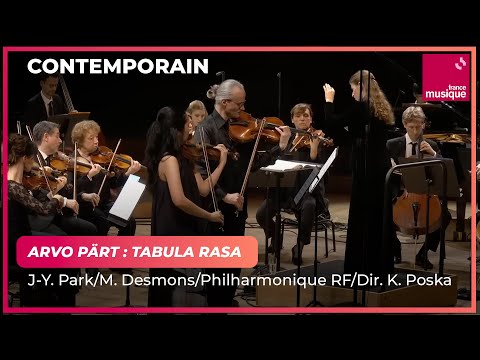
Here is a look at just how legendary this aesthetic master is, and how his masterpiece, Tabula Rasa, continues to echo across global media and concert halls.

YouTube video

1. The Living Legend: Just How Important is Arvo Pärt?

Contemporary classical music often carries a reputation for being overly complex or difficult to digest. Arvo Pärt shattered that stereotype. By stripping away musical excess, he created his own unique style known as “tintinnabuli” (Latin for “little bells”)—a minimalist, deeply spatial sound that completely redefined the genre.

Formal Education and a Thorough Exploration of the Avant-Garde

The depth of Pärt's music cannot be understood without acknowledging his formal training and his exhaustive firsthand engagement with the full spectrum of 20th-century compositional technique.

From 1957 to 1963, he studied composition at the Tallinn Conservatory under Heino Eller. But his exploration went far beyond conventional training. During his first creative period (1958–1968), he systematically worked through every major technique of the European avant-garde: twelve-tone serialism (the method developed by Schoenberg), aleatoricism (chance-based composition), collage technique, and sonic field composition. His Nekrolog (1960) was the first serial work written in Estonia and brought him his first international recognition from the West.

This path, however, led to an impasse. After his Credo (1968) was banned by Soviet authorities, Pärt entered nearly eight years of near-silence. During this period he immersed himself in the study of 14th–16th century choral music, Gregorian chant, and the origins of Renaissance polyphony. Having absorbed the most advanced techniques of modernism to their limits, and then turned back toward the ancient roots of Western music, he arrived in 1976 at the tintinnabuli style.

The profound stillness of Pärt's music is the product of a journey few composers have made: mastering the cutting edge of musical modernism, then consciously relinquishing it in pursuit of something more essential. It is this unparalleled musical biography that gives his simplicity its extraordinary depth.

Objective Data Confirms a Global Impact

His global impact is backed by staggering, objective data:

  • Dominating the “Most Performed Living Composer” Charts According to Bachtrack, the definitive classical music statistics site, Pärt held the title of the world's most performed living composer for eight consecutive years (2012–2019). Even today, he consistently ranks at the very top alongside cinematic titans like John Williams. His scores are studied and performed by orchestras in every corner of the globe.
  • The ECM Label Phenomenon When Manfred Eicher, the founder of the prestigious ECM Records, first heard Pärt's music over a car radio, he was so profoundly moved that he tracked Pärt down to bring his music to the world. Since then, Pärt's albums have become the definitive flagship of ECM New Series, routinely topping classical and crossover charts worldwide.

2. A Masterpiece Dominating Global Media: Tabula Rasa

Composed in 1977, Tabula Rasa (Latin for “Clean Slate”) is arguably one of the most significant, heavily rotated, and iconic pieces of the last fifty years. Its reach extends far beyond traditional concert halls, seamlessly embedding itself into modern culture.

Ubiquitous Radio Airplay and Streaming

Step into any major classical radio station worldwide—whether it is BBC Radio 3 in the UK or WCRB in the United States—and you are highly likely to hear Tabula Rasa or Spiegel im Spiegel. They are the gold standard for “ambient, deep-focus music.” On streaming platforms like Spotify and Apple Music, these tracks are permanently featured on editorial playlists for meditation, focus, and modern minimalism, amassing millions of streams daily.

The Ultimate Sound of Contemporary Cinema and Art

The tension, silence, and structural weight of Tabula Rasa have made it a favorite tool for visionary filmmakers and artists.

  • Cinema: Famously utilized by Jean-Luc Godard in Nouvelle Vague, and featured heavily in modern cinematic works like A Ghost Story.
  • Media & Dance: It is routinely chosen by elite choreographers for contemporary dance and used as the sonic backdrop for high-end minimalist art installations.

Whenever a creator needs to convey an unspeakable depth of human emotion or a breathtaking stillness, the global media landscape turns to Tabula Rasa.

3. Why It Connects: A Personal View

As someone who places Pärt as my second favorite musician, what fascinates me most is the impeccable structure, rhythm, and profound economy of his music.

Listening to Tabula Rasa is a masterclass in architectural beauty. Every single note, every pause, and every shift in rhythm is precisely calculated; there is absolutely zero waste. It delivers the same intellectual and aesthetic satisfaction as looking at a flawlessly written piece of software code or a pristine piece of contemporary abstract art.

In a world full of chaotic noise, Pärt's music continues to dominate the airwaves because it offers the one thing modern listeners desperately crave: an authentic, uncompromising return to silence.

Best I love from his music is this recording of “Silentium” from Tabula Rasa. This piece is really slowly played and the prepared piano sounds like a bell. It's the main reason I like it best.

YouTube video

概要: アルヴォ・ペルトは「ティンティナブリ」と呼ばれる作曲技法を1970年代に独自に開発した——音楽から不要な装飾をすべて削ぎ落とし、ただ一つの音と、その倍音だけを残す方法だ。ソビエト連邦の検閲と自己の内的な危機から生まれたこの極限の簡素さが、なぜ現代の聴衆にこれほど深く届くのか。宗教音楽でも新時代のヒーリング・ミュージックでもない、ペルトの本質を探る。

現代クラシック音楽の世界で、今日もっとも広く聴かれ、深く愛されている作曲家は誰かと問われれば、アルヴォ・ペルトの名が絶対的な頂点に立つ。

実は彼は、私が生涯で最も愛するクラシック音楽家において、第2位に置く特別な存在でもある。

この美の巨匠がいかに伝説的な存在であるか、そして彼の傑作『タブラ・ラサ』が世界のメディアとコンサートホールにどれほど深く響き渡り続けているかを、ここで見ていきたい。

YouTube video

1. 生ける伝説——アルヴォ・ペルトとはいかなる存在か

現代クラシック音楽はしばしば、難解で消化しにくいという印象を持たれがちだ。アルヴォ・ペルトはそのステレオタイプを粉砕した。音楽的な過剰を削ぎ落とすことで、彼は「ティンティナブリ(tintinnabuli)」(ラテン語で「小さな鐘」)と呼ばれる独自のスタイルを生み出した——ミニマルで深く空間的な響きが、このジャンルを根本から再定義した。

正規教育と前衛音楽への深い探求

ペルトの音楽的な深みは、その正規の訓練と、20世紀の前衛的な作曲技法への徹底した探求なしには語れない。

1957年から1963年まで、彼はタリン音楽院でHeino Ellerに師事し、作曲を体系的に学んだ。しかし彼の探求はそこで終わらなかった。1958年から1968年の第一創作期において、ネオクラシシズムから出発しながらも、シェーンベルクが開発した十二音技法(ドデカフォニー)アレアトリシズム(偶然性音楽)コラージュ技法、そして音響場といった、20世紀前衛音楽の主要な手法をすべて自ら実験・吸収していった。1960年のNekrolog(ネクロログ)はエストニア初の十二音作品であり、西側から最初の国際的注目を集めた。

しかしこの探求は行き詰まりを迎える。1968年のCredoがソ連当局に禁止されたのち、ペルトは8年近い沈黙に入った。この期間、彼は14〜16世紀の合唱音楽、グレゴリオ聖歌、そしてルネサンス・ポリフォニーの起源を徹底的に研究した。十二音技法とその対極にある中世の声楽的純粋さ——この二つの極を自らの内で経験し尽くした末に、1976年、ティンティナブリ様式が生まれた。

現代音楽の最先端にあった前衛技法を深く習得し、それを意図的に手放すことで辿り着いた極限の単純さ。ペルトの音楽がもつ静寂の深さは、この比類なき音楽的旅路の産物なのだ。

客観的なデータが証明する世界的影響力

ペルトの影響力は、感覚的な評価にとどまらず、客観的なデータによっても裏付けられている。

  • 「最も多く演奏される存命作曲家」の首位独占 権威ある演奏統計サイトBachtrakによれば、ペルトは2012年から2019年まで8年連続で世界で最も多く演奏される存命作曲家の称号を保持した。今日でも、ジョン・ウィリアムズなどの映画音楽の巨匠と並んで、常にその最上位にランクされている。彼の楽曲は世界中のオーケストラで研究・演奏されている。
  • ECMレーベル現象 名門ECMレコードの創設者マンフレート・アイヒャーが、車のラジオからペルトの音楽を初めて耳にしたとき、あまりに深く心を動かされ、彼を探し出して音楽を世に届けることを決意した。以来、ペルトのアルバムはECMニュー・シリーズの決定的な看板となり、世界中のクラシック・クロスオーバーチャートのトップに君臨し続けている。

2. 世界のメディアを席巻する傑作——『タブラ・ラサ』

1977年に作曲されたタブラ・ラサ(ラテン語で「白紙」)は、過去50年間で最も重要で、最も広く演奏され、最もアイコニックな作品のひとつと言えるだろう。その影響力は伝統的なコンサートホールをはるかに超え、現代文化へとシームレスに浸透している。

遍在するラジオ放送とストリーミング

世界の主要クラシックラジオ局——英国のBBC Radio 3であれ、米国のWCRBであれ——に耳を傾ければ、タブラ・ラサ鏡の中の鏡を耳にする可能性は非常に高い。これらは「アンビエントで深い集中のための音楽」の金字塔だ。SpotifyやApple Musicでは、瞑想・集中・現代ミニマリズムのエディトリアルプレイリストに常設され、毎日数百万回のストリーミングを記録している。

現代映画とアートの究極のサウンド

タブラ・ラサの緊張感、沈黙、そして構造的な重みは、ビジョナリーな映画作家やアーティストにとって不可欠なツールとなっている。

  • 映画: ジャン=リュック・ゴダールの『ヌーヴェル・ヴァーグ』での使用で知られ、A Ghost Storyなどの現代的な映画作品にも深く取り込まれている。
  • メディア&ダンス: 現代ダンスのトップコレオグラファーたちが日常的に採用し、高品質なミニマリスト・アート・インスタレーションの音響的背景としても使用されている。

言葉では表現できないほどの人間の感情の深さや、息を呑むような静寂を伝えようとするとき、世界のメディアはタブラ・ラサへと向かう。

3. なぜ心に響くのか——個人的な視点から

ペルトを私の第2位のお気に入り音楽家として位置づける者として、私が最も魅了されるのは、彼の音楽が持つ完璧な構造、リズム、そして深い経済性だ。

タブラ・ラサを聴くことは、建築美のマスタークラスだ。すべての音、すべての休止、すべてのリズムの変化が精密に計算されており、無駄な要素はただのひとつも存在しない。それは完璧に書かれたソフトウェアコードや、純粋な現代抽象芸術を眺めるときと同じ、知的かつ美的な満足をもたらす。

混沌とした騒音に満ちたこの世界で、ペルトの音楽が電波を支配し続けているのは、現代のリスナーが切実に求めているものをそこに見出すからだ——沈黙への、真摯で妥協なき回帰を。

彼の音楽の中で私が最も愛するのは、タブラ・ラサから「Silentium(シレンティウム)」のこの録音だ。この曲は本当にゆっくりと演奏され、プリペアードピアノが鐘のように響く。それが私がこの曲を最も好きな理由だ。

YouTube video

概要: アニメーターだけが知る、コマ一枚ずつに命を懸けるような精度。Serphの音楽はまさにそれだ——ドラムパターンがほとんど繰り返されず、ピアノが万華鏡のようにリズムを織り込む、マイクロエディットの塊。miaouは2000年代インストゥルメンタル・ポストロックの全盛期に、世界でも指折りの美しいメロディを書いていたバンドだ。Spangle call Lilli lineは、歌詞の意味よりメロディの輪郭を優先する。三組とも、日本の音楽シーンでほとんど知られてい

日本のインディーシーンには、もっと評価されるべきアーティストがいる。ここでは、自分が何度も聴き返している3組と、その理由を紹介したい。

1. なぜSerphの音楽は「命を懸けた傑作」なのか

アニメーターは知っている。ハイレベルなアニメーションを作ることが、どれほど常軌を逸した難しさを伴うかを。Serphの音楽もまったく同じだ。

質の良いスピーカーで聴くと、音の洪水に浸されているような感覚になる。音の質感は驚くほど複雑に移り変わり、何層にも重なり合いながら一つのトラックを構築していく。あらゆる音が細かく刻まれ、階層的に積み上げられ、まるでコマ撮りアニメーションのようにタイムライン上に配置されている。曲の流れそのものも、その緻密な多層構造によってコントロールされている。

これは、安物のスマホスピーカーでは絶対にたどり着けない世界だ。

Serphはこのような執拗なまでのマイクロエディットに、果てしない時間を費やしている。このスタイルが決して主流になることも、彼を裕福にすることもないと分かった上で、だ。これはまぎれもなく「命を懸けた創作」だと思う。

彼の音楽を聴くなら、まずドラムに注目してほしい。パターンがほとんど繰り返されないことにすぐ気づくはずだ――トラックごとに、絶えず変化し続けている。また、ピアノが速く複雑なアルペジオへとなだれ込み、曲を前へ前へと押し進めながら、全体の上に独自のリズムを織り込んでいく瞬間もある。

身体全体を動かしたくなるようなリズムの組み立て方は本当に見事で、まるで万華鏡のようだ。

まずはここから: Serphの楽曲 「Soda」 は、入門に最適な一曲だ。

YouTube video

「Soda」が気に入ったなら、同じEPに収録されている次の曲 「Coquettish Bomber」 もきっと好きになるはずだ――個人的には彼の全カタログの中で一番好きな曲。ボーカルサンプルを細かく刻み、それを驚くほど美しいメロディへと変えている。

YouTube video

彼の音楽はまさに「音になったアニメーション」だ。そして日本のアニメーションはすでに世界中で愛されている。その同じ精神を宿した音楽にも、もっと多くの人に出会ってほしいと思う。

YouTube video

2. 日本発、ポストロック史上もっとも美しいメロディ

miaouの音楽は、見事なメロディと丁寧に練り上げられた曲展開の上に成り立っている。これが、他の多くのインストゥルメンタル・ポストロックバンドとの決定的な違いだ。彼らの楽曲は、歪んだギターの壁へとじわじわ盛り上げていく典型的な構成ではなく、ノイズではなくメロディが主役を張っている。

日本の音楽シーンの中でさえ、彼らは今も無名に近い存在だ。だが2000年代初頭のインストゥルメンタル・ロックブームを振り返ったとき、あの時代の世界中のバンドの中でも、彼らは間違いなく屈指の美しいメロディ展開を書いていたと言いたい。

ドラムとベースを担当しているのがどちらも女性だという点も気に入っている――彼女たちのようなパワフルな演奏は、ポストロックのリズム隊において女性ではまだまだ珍しく、彼女たちがリズムセクションにもたらしているものは本当に素晴らしい。

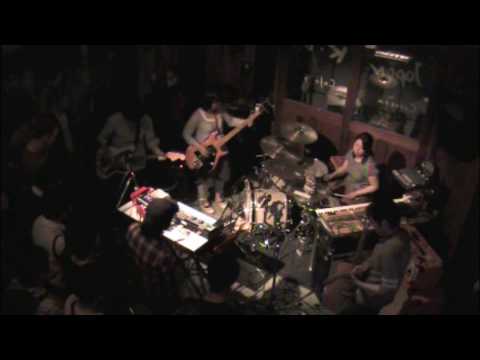
ライブ映像を見ると、電子的なプログラミングが極限まで抑えられていることに気づくはずだ――すべてが4人の手によって、その場で演奏されている。特に好きなのは、彼らがステージ上で円になり、互いの音に耳を澄ませながらリズムを完璧に重ね合わせていく瞬間だ。

YouTube video

そしてこちらも、彼らの素晴らしいライブ映像のもう一本。

YouTube video

3. 知っておくべき日本のロックバンド

Spangle call Lilli lineの歌詞は、日本語として従来的な意味をなすとは限らない――すべての言葉が、ただメロディに奉仕するために存在している。

数ある日本のロックバンドの中でも、彼らはとびきり優れたメロディの書き手だと思う。彼らの音楽は何よりもまずメロディを中心に組み立てられている。

メンバーたちは美術大学で出会い、それぞれがバンド活動とは別に、デザイナーや写真家としての独立したキャリアも持っている。だからこそ彼らは妥協なく、自分たちが作りたい音楽を自由に作ることができる。同時にそれは、彼らが日本で商業的なメインストリームの成功を収めたことが一度もないということでもある――そしてそれこそが、彼らを特別な存在にしている理由だ。

彼らのライブパフォーマンスは、YouTubeで探してでも見る価値がある。

YouTube video

YouTube video

Sigur Rósの音楽について語るとき、人はJónsíのファルセット、弓で弾かれるギター、ヴォンレンスカ語の意味を持たない音節が揺蕩う響きを思い浮かべる。しかしその背景には、アイスランドの外から来たひとりのアメリカ人アーティストの存在がある。Alex Somers。バンドの正規メンバーではないが、Sigur RósのフロントマンであるJónsíの元恋人であり、2005年以降のSigur Rósのアンビエント的深化において誰より重要な役割を担い続けた人物だ。

ボストンでの邂逅

Alex Somersは1984年、メリーランド州ボルティモア生まれ。13歳のとき、クリスマスにもらったギターとともにTascamの4トラック・レコーダーを手に入れ、録音という行為そのものに魅了された。「楽器を弾くことではなく、音という環境を自分でコントロールすることに気がついた瞬間だった」と彼は語っている。兄とともにキーボードの鍵盤にテープを貼ったまま数日間音を流し続けるという実験を繰り返し、アナログな音の探求が彼のすべてのルーツとなった。

ここで重要なのは、Somersがその後バークリー音楽大学(Berklee College of Music)に進み、映画音楽と音楽療法の二重専攻で正規の音楽教育を受けたことだ。バークリーは即興と理論の両輪を持つ実践的な音楽教育機関であり、そこでのオーケストレーション、音楽理論、スコアリングの訓練は、Somersに「感覚的な実験者」であると同時に「音楽を構造として設計できる者」という二面性を与えた。

Sigur Rósというバンドは、その音楽的才能の壮大さとは対照的に、メンバーの誰もいわゆる音楽院的な正規教育を経たわけではない。Jónsíはギター奏者として独学で技術を磨き、ヴォンレンスカ語という「意味のない言語」を生み出した詩人であり、バンド全体の語法は教育よりも直感と実験から育ったものだ。Somersの存在はその文脈においてきわめて特異だ。オーケストラのスコアを読み書きし、アレンジの構造を語れる人間が、バンドのもっとも近い場所にいた。

バークリーで学ぶ期間中の2002年、Sigur Rósがボストンを訪れ、Somersはバークリーの外の路上でバンドのフロントマンであるJónsíと出会った。Jónsíはゲイであることを公言しており、ふたりはすぐに恋人関係となった。交際初期はJónsíがツアーや録音の合間にSomersのケンブリッジのアパートに滞在するという形だったが、2005年、SomersはJónsíを追ってレイキャビクへ移住することを決める。恋人とともにアイスランドで暮らすためにボルティモア育ちのアメリカ人が故郷を離れたという事実は、後のすべての音楽的協働の出発点だ。レイキャビクではさらにアイスランド芸術大学(Listaháskóli Íslands)に入学し、視覚芸術を学んだ。「音楽学校よりも美術学校の方がずっと音楽的だった。クラスメートのほとんどが演奏し、実験していた。音楽学校では、ほとんどの人は音楽を『勉強』しているだけだった」と彼は振り返っている。

Riceboy Sleeps ── 静寂という共同作業

恋人としてレイキャビクで同居するようになったふたりにとって、音楽は生活の不可分な一部だった。自宅のリビングルームで録音し、弦楽四重奏のAmiina(Sigur Rósの長年の協力者)をアパートに招いて演奏させ、コーラスも同じ部屋で録音した。この手作り感そのものが、音の手触りに宿った。

2009年2月、ふたりはハワイの太陽電池で動くロー・フード・コミューンに滞在しながら、それまで断続的に録音してきたトラックをミックスした。Riceboy Sleepsとして同年7月にJónsi & Alex名義でリリースされたこの作品は、アコースティック楽器、ストリングス、コーラスが静かに絡み合う、Sigur Rósのポスト・ロック的壮大さとはまた異なる、より繊細でエーテル的な世界を示した。

のちにSomersはこう語っている。「スタジオを開く前は、音楽はいつも家の中にあった。壁から流れ出てくるようだった。それはとても自然なことだった」。Riceboy Sleepsはその自然さをそのまま封じ込めたアルバムだ。

Somersがバークリーで身につけたアレンジの感覚は、このアルバムにも静かに働いている。Amiina弦楽四重奏とKópavogsdætur合唱団を組み合わせながら、楽曲全体が「静寂の構造」として機能するように設計されている。それは感覚だけで作れるものではなく、音楽という言語の文法を理解している者にしかできない仕事だ。

YouTube video

All Animals – Riceboy Sleepsと並ぶ傑作

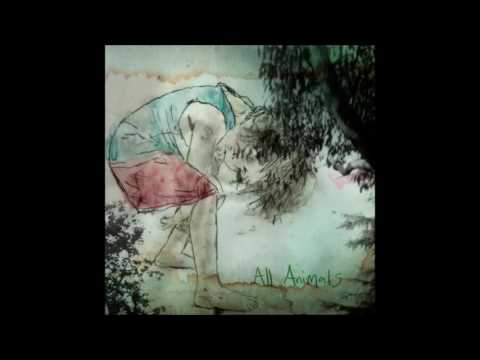
同じjonsi & alex名義のアルバムAll Animals はThyssen-Bornemisza Art Contemporary(TBA21)によって委嘱された楽曲で、アーティストMatthew Ritchieが設計した大型公共アートインスタレーション「The Morning Line」のために作られた。2008年9月にレイキャビクでピアノ、声、動物の音など主にアコースティック楽器で録音された。 The Morning Lineは2008年のセビリア国際現代芸術ビエンナーレで初公開された、高さ8メートル・長さ20メートル、17トンのアルミニウム製の公共アート構造物で、芸術・建築・音楽・数学・宇宙論・科学の交差点を探求するプラットフォームだった。 音楽委嘱作品はJónsi & Alex Somersだけでなく、Bryce Dessner、Mark Fell、Lee Ranaldo、Chris Watsonらも並列で依頼されており、47チャンネルの立体音響システムに対応したマルチチャンネル・オーディオ作品として設計された。 e-flux そしてAll Animals は後にRiceboy Sleepsの限定ボックスセット(3500部)のボーナスCDとして収録され、2017年に初めてヴァイナル化(手描きスリーブ付き限定100部)、2018年のRecord Store Dayで1000部再プレスされました。

YouTube video

Valtari ── 霧の中の彫刻

Sigur RósはRiceboy Sleepsの直後から次のアルバムの録音を試みた。2009年から着手し、長いアンビエントなドローンをいくつか録音したが、方向性を見失い、2010年に録音をすべて破棄して活動休止に入った。素材はあった。しかしバンド自身には、それをひとつのアルバムとして組み立てる視点が持てなくなっていた。

2011年、バンドは再び集まり、今度はSomersのレイキャビクのスタジオで録音を再開した。Somersは当初、ミキシングのみを担当するつもりだった。ところが1週間かけて素材を聴き込んだSomersは、そこに埋もれた可能性を見出した。「素晴らしい曲の集まりを聴いていると気づいた。しかし彼らは完全に焦点を失い、すべてを組み立てて意味のある形にするのが困難な状況にあった」と彼は語っている。

Somersがしたことは明確だ。散らばったドローンとスケッチを俯瞰し、「何を加え、何を削り、どう並べるか」を設計し直すことだった。アンビエントなドローンにテクスチャーと焦点を与え、必要なオーバーダブのリストをバンドに提示し、ヴォンレンスカ語に代えてアイスランド語の歌詞を使うことも促した。バークリーで身につけた「音楽を全体として設計する」感覚が、ここで初めてSigur Rósのアルバムに直接注ぎ込まれた瞬間だ。6週間のセッションを経て、バラバラだった素材はついてひとつのアルバムとして立ち上がった。それがValtari(2012年)だ。ヴァルタリとはアイスランド語で「蒸気ローラー」を意味し、Jónsíはこう説明した。「ゆっくりと転がってくる大きなものみたいな感じ」。

Drowned in Sound誌はこう評した。「2011年、バンドはAlex Somersとともに、バラバラな断片から一貫した魔法のような作品をつくる骨の折れる作業に取り掛かった」。外部の目と耳を持ちながらもバンドの内側の言語を深く理解し、さらに音楽を構造として語れるSomersにしかできない仕事だった。

YouTube video

Liminal ── 閾値に生きる音楽

2018年、Sigur RósはアンビエントプロジェクトLiminalを始動させた。運営するのはJónsi、Alex Somers、そしてプロデューサーのPaul Corleyの三者だ。Paul CorleyはOneohtrix Point NeverやTim Heckerとのコラボレーションで知られるアメリカ人作曲家・プロデューサーで、アイスランドのレーベルBedroom Communityのメンバーでもある。2016年にSigur Rósのライヴ・ミュージックディレクターに就任して以来、バンドのアンビエント志向の仕事において電子音響面の要として機能してきた人物だ。

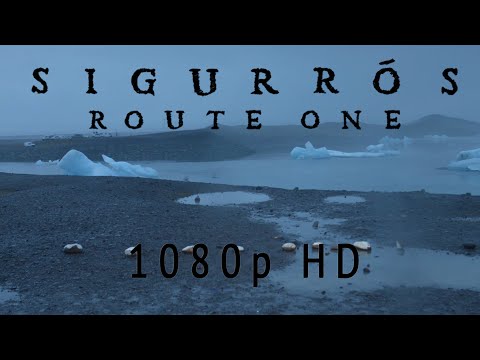
Liminalとは「閾値」を意味し、ここでも外でもない、夢と覚醒のあいだに聴き手を誘う。注目すべきは、このLiminalプロジェクトが2016年のRoute Oneと完全に同じチームによって連続して手がけられているという点だ。NPRはLiminalの開始を「昨年のRoute Oneに続き、同じ面々が今度はSigur Rósのアーカイブを掘り起こして…」と紹介している。Route OneとLiminalは別々の作品ではなく、Jónsi・Somers・Corleyの三者によるアンビエント的探求の前編と後編として捉えるべきプロジェクト群だ。

代表作であるLiminal Sleep(2019年)についてSomersたちはこう記している。「睡眠はどこまでも謎のままだ。私たちは誰もが眠り、眠らなければならないが、その内側に完全に入ることはできない。このプレイリストは睡眠サイクルの旅を——その曲線、定常状態、自然な移行を——映し出す試みだ」。

Somersはここでも単なる共同作業者ではなく、プロジェクトの設計者のひとりとして機能している。Sigur Rósのカタログ全体を素材に、ソロ作品、コラボレーション、映画音楽、AIによる音楽までを織り交ぜた「Sigur Rós的宇宙の多面的な断面」をつくりあげる。彼が長年培ってきたアンビエント音楽への深い理解と、音楽を「環境として設計する」という感覚が、このプロジェクトの骨格を支えている。

YouTube video

Route One ── アルゴリズムが走る環状道路

LiminalよりわずかにさかのぼるRoute Oneは、同じチームによるアンビエント探求の出発点だった。2016年夏至の日、Sigur Rósはアイスランドの環状道路(Route 1)を一周する24時間のドライブを決行した。その全行程1332kmをYouTubeでライヴ配信しながら、音楽もリアルタイムで生成された。これがSlow TV的アンビエント実験「Route One」だ。なお同年はPaul CorleyがSigur Rósのライヴ・ミュージックディレクターに就任した年でもあり、Óveðurの共同プロデュースにも名を連ねている。Route OneはSomers・Corleyというふたりの外部の音楽的知性がバンドに合流した直後の産物だった。

音楽の生成にはBRONZEという専用のジェネレイティブ・ミュージック・プラットフォームが使われた。BRONZEはGoldsmith大学のMike GriersonとミュージシャンGwilym Goldが2011年に共同開発したシステムで、「すべての音は一連のルールに従い、再生のたびにリアルタイムで新しくユニークなトラックが生成される」という設計だ。ランダムではなく、制作者が「法則」を設定する点でMaxやPure Dataといった音楽プログラミング環境に通じる思想を持つ。

「Óveður」のマルチトラック・ステムをこのシステムに入力し、BRONZEが無限に組み換えてリアルタイムで新しい音楽的方向を生み出し続けた。だからこそ24時間超(完全版は25時間以上)という長大な音楽が可能だった。これはリミックスでも即興演奏でもなく、アルゴリズムによる変奏だ。ちょうどブライアン・イーノが最初のアンビエント・シリーズで試みた「テープ・ループをわずかにずれた位相で重ね合わせる」実験に相似している。

SomersがBRONZEのプログラミングを直接手がけたという記録はないが、Oneohtrix Point NeverやTim Heckerとのエレクトロニクス・ワークで鍛えられたCorleyの存在が、こうしたシステムとバンドの音楽的意図を橋渡しした可能性は高い。バークリーで映画音楽を学んだSomersもまた、アカデミックな音楽プログラミング環境(多くの音楽大学でMaxが教えられている)と無縁ではない。記録の上では確認できないが、音楽を「プログラムによって設計する」という発想に対して、このチームがどれほど自然に接続できたかは、Route Oneの完成度そのものが示している。

各トラックの名前はアイスランド環状道路の停車地点のGPS座標だ——63°32'43.7”N 19°43'46.3”W、64°02'44.1”N 16°10'48.5”Wといった具合に。位置情報がそのまま曲名となる。アルバムはアイスランドのNorður og NiðurフェスティバルでアーティストSigga Björgによる手描きスリーブとともに限定リリースされ、2018年のRecord Store Dayで再プレスされた。

Treble Zineが評したように、Route OneはValtariの静謐なアンビエントとKveikurの焦げついた陰鬱さを橋渡しする作品であり、バンドが向かってきた「異教的な海の洞窟、火山性のガラス、古いヴァイキングの空間」という美的宇宙の延長線上にある。そしてRoute Oneは翌年のLiminalへとそのまま接続する。Jónsi・Somers・Corleyの三者は、音楽を「一度完結した作品」ではなく「永続的に生成される環境」として捉えるという思想を、この二つのプロジェクトで一貫して追い続けた。

YouTube video

正規音楽教育という特異性、そしてオーケストラへの橋

Sigur Rósの音楽的語法は、その根のところで「正規の音楽教育とは別のところ」から来ている。Jónsíは独学であり、バンド全体の表現は教科書よりも直感と実験から育ってきた。そのため、オーケストラとの本格的なコラボレーションを志向したとき、バンドはつねに「構造を語れる誰か」を必要としていた。

Alex Somersはその空白を埋めた。バークリーでのオーケストレーションと映画音楽の訓練は、弦楽、木管、ブラス、合唱のそれぞれに対して具体的な音楽的指示を与えられる能力をSomersに与えた。Riceboy SleepsでAmiina弦楽四重奏とKópavogsdætur合唱団を組み合わせたときも、Valtariで過剰なドローンにテクスチャーと焦点を与えたときも、そしてLiminalで「眠りの構造」をアンビエント音楽として設計したときも、Somersが担ったのはこの「音楽の設計」という仕事だった。

Riceboy Sleepsの10周年ツアー(2019年)では、バービカン公演においてロンドン・コンテンポラリー・オーケストラ(LCO)25名の演奏家とともに同アルバムを全曲演奏した。弦、木管、ホルン、パーカッションまでを用いたこの編成でRiceboy Sleepsが演奏されたことについてJónsíはこう語っている。「アルバム全体を管弦楽と合唱で演奏できることは驚くべきことだ。新しい意味、新しい命、異なる色彩とテクスチャーをもたらしてくれる」。

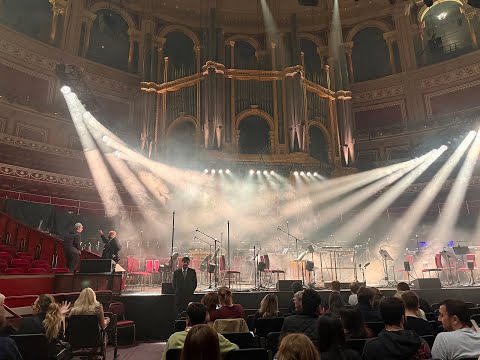
そして2023年のアルバムÁTTAの発表以降、Sigur Rósはオーケストラ伴奏をライヴの標準形態として確立させた。ロバート・エイムズ(Robert Ames)が指揮を執り、各都市の地元オーケストラ(Wordless Music Orchestra、London Contemporary Orchestra、Detroit Symphony Orchestra等)とともに41名編成でステージに立つスタイルだ。2025年にはロンドン・ロイヤル・アルバート・ホールでLCOとともに「Ára bátur」を初めてライヴ演奏し、2026年の最終ツアーレグではスコットランド室内管弦楽団、ビルバオ・シンフォニー・オーケストラ等と各地で共演している。

このオーケストラとの協働の下地には、Somersが長年にわたって育ててきた「ロック・バンドとオーケストラとの間にある言語の橋」がある。Riceboy Sleepsの弦楽アレンジ、Valtariでの弦のレイヤリング、Liminalでのアンサンブルの設計——これらはすべて、正規の音楽教育を受けた者のみが担える仕事だった。Sigur Rósが今日、世界の名だたるコンサートホールでオーケストラとともに立てるのは、ひとつにはこの積み重ねによるものだ。

YouTube video

Takk... (The Tape Variations) ── 記憶の中のテープ

2025年12月、Sigur Rósはひとつの試みを世に出した。Takk... (The Tape Variations)。2005年の名作『Takk...』を、Sidney Satorsky(シドニー・サトースキー)というトロントのプロデューサーが全曲リワークした作品だ。「Takk...はリリースから20年間、ずっとお気に入りのアルバムのひとつだった。コラボレーションへの招待を受けたとき、眠りと覚醒の境界にいるような、オリジナルの曲の別バージョンをつくりたいと思った」とサトースキーは語っている。

サトースキーはすでにJónsi & Alexの2019年作Lost and Foundにも共同プロデューサーとして参加しており、このSigur Rós周辺の「アンビエント的創作圏」に深く根ざした人物だ。

ここで興味深い連想が浮かぶ。Alex Somersが13歳でTascamを手にしてから、テープによる音の変形を繰り返し続けてきたこと、そしてその審美的記憶が、彼の協力者選びにも働いているのではないかという可能性だ。Lost and Foundの公式説明には「テープ実験、モジュラー・シンセ処理、アコースティックのサウンドスケープが焦点の内と外を漂う」とある。Somersがサトースキーを選んだことには、単なる音楽的相性を超えた、テープという素材への共鳴があったのではないだろうか。テープはSomersにとって「音楽を変容させること」の原点だ。その記憶と審美眼が、Takk...という20年前の傑作の再解釈者を選ぶ目にもつながっていると考えることは、それほど的外れではない。

YouTube video

ひとりのアメリカ人が変えたもの

Alex Somersがもたらしたものを一言で言うとするなら、それは「外側の感覚を持ちながら内側の言語を話せる耳」だろう。バンドのメンバーではないが、Jónsíの恋人としてレイキャビクで共に暮らしたことでSigur Rósの音楽的文法を誰より深く理解した。ふたりは2019年に別れたが、その後も音楽的パートナーとしての関係は続いており、JónsíとSomersはいまも創作上の友人であり協力者だ。バークリーで培った映画音楽・オーケストレーションの技法、アイスランド芸術大学での視覚芸術への没入、そして13歳から積み上げてきたテープ実験の記憶——これらすべてが、Sigur Rósのアンビエント的深化において独自の役割を果たした。

Valtariで霧のなかの素材を彫刻し、Liminalで眠りと音楽の境界を設計し、Route Oneでアルゴリズムとアイスランドの地形を溶け合わせ、Takk... (The Tape Variations)ではテープという素材への愛着を次世代の協力者につなぐ。これらはバラバラな出来事ではなく、ひとつの一貫した感性の表れだ。

Sigur Rósは依然としてSigur Rósだ。しかしその音楽が持つアンビエント的深みの多くは、ボルティモア生まれのひとりの人物が13歳のときにTascamを手にした瞬間から、すでにはじまっていたのかもしれない。

Description: I tried falling asleep to Sleep on high-end speakers. The sub-bass kept me awake—because Richter designed it that way, working with a neuroscientist to embed slow-wave sleep frequencies directly into the composition. This piece examines what sets Richter apart from other composers working at the classical-electronic intersection: how he smuggles synthesizers into string arrangements without announcing them, why the felt piano blurs the line between acoustic and electronic, and how his Piano Circus years absorbing Reich and Glass gave him the structural toolkit to dismantle academic minimalism from the inside.

It seemed like the ultimate audiophile luxury: cueing up Max Richter's landmark 8-hour masterpiece, Sleep, on a pair of high-end, full-range speakers, settling under the covers, and letting the music drift me into a state of pure restorative bliss.

Instead, I found myself reaching for the equalizer and cutting the sub-bass boost entirely.

The culprit? The incredible, deeply resonant low-end. On premium speakers capable of reproducing sub-bass frequencies with absolute precision, Sleep transformed from a gentle lullaby into an immersive, physically vibrating soundscape. While my body wanted rest, my ears were utterly captivated by something else: the sheer brilliance of Richter's production.

It made me realize that Richter isn't just a brilliant composer—he is the definitive architect of the post-classical movement, working at the absolute pinnacle of classical tradition and modern electronic texture.

Who is Max Richter

Max Richter is a German-born British composer who was born in Hamelin, Germany, and raised in Bedford, England. His work seamlessly blends classical traditions with modern electronic elements, making him a pioneer of contemporary ambient and post-minimalist music. He is celebrated worldwide for his deeply moving and beautiful compositions.

What distinguishes Richter from the many contemporary composers working in adjacent territory is the depth of his formal training. He studied composition and piano at the University of Edinburgh, then at the Royal Academy of Music in London, and completed his studies privately with the Italian modernist giant Luciano Berio in Florence—one of the defining figures of 20th-century avant-garde composition. This three-stage classical education gave Richter a command of musical structure, harmony, and orchestration that underpins everything he writes, however ambient or electronic the surface may appear. Among classically trained composers who have embraced electronic music, he stands as one of the most sophisticated practitioners: someone who uses synthesizers not as an aesthetic novelty, but as a fully integrated compositional tool with the same intentionality he brings to a string quartet.

From Piano Circus to Radical Minimalism: The Blueprint of Post-Classical

To understand why Richter's sonic spaces hold such hypnotic, physical power, one must look beyond the label of “accessible classical.” Richter represents the crucial missing link between the rigorous, avant-garde minimalism of the 20th century and the electronic landscapes of the 21st.

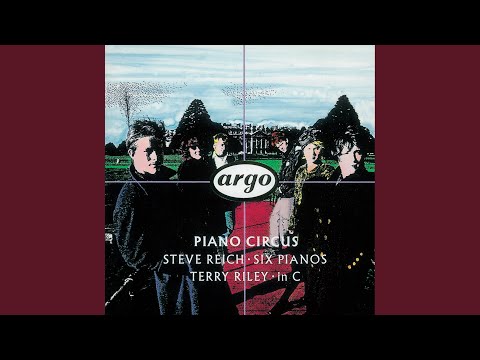
After his studies at Edinburgh, the Royal Academy of Music, and with Luciano Berio in Florence, Richter co-founded Piano Circus in 1989. For ten years, this contemporary ensemble performed formidable, complex repertoire written for six pianos—immersing Richter in the strict, hypnotic structures of Steve Reich, Philip Glass, and Terry Riley.

The Piano Circus Foundation: * The Aesthetics of Repetition: Mastering the art of the loop to alter the listener's perception of time. * The Precision of the Pulse: Relying on subtle phase shifts and micro-rhythms rather than conventional narrative melody to drive a piece forward.

Yet, Richter's genius lay in his willingness to rebel against the very school that formed him. Where mid-century minimalism was often mathematical, academic, and emotionally detached, Richter sought something deeply human.

When he moved on from Piano Circus, he took those rigid minimalist bones and breathed life into them. He injected lush, cinematic Romanticism and married it to the sub-bass weight he absorbed from underground club culture and ambient electronica. This radical act—deconstructing academic minimalism to rebuild it with profound emotional resonance—is precisely what established Richter as the pioneer of the post-classical genre, elevating his work far above standard film scores or neo-classical pastiche.

Steve Reich: Six Pianos YouTube video
The Art of the Invisible Synth: Smuggling Electronics into the Classical Realm

Many contemporary classical artists treat synthesizers like a coat of glossy paint—layered on top of an orchestra to make it sound “modern.” Richter, however, weaves electronic elements directly into the DNA of his acoustic arrangements. He doesn't use synths for sci-fi futurism; he uses them to expand the emotional and physical boundaries of classical instruments.

A prime example of this mastery can be found in his iconic masterpiece, “On the Nature of Daylight.”

[Traditional String Quintet] 
          │
          ▼ (Richter's Subversive Twist)
[Sub-bass Synthesizer replaces the lowest Cello/Double Bass registers]
          │
          ▼
[Result: An otherworldly, chest-hitting emotional weight]

In this track, instead of relying solely on a traditional double bass or cello to anchor the bottom end, Richter subtly introduces a low, sweeping synthesizer. The synth mimics the bowing expression of a stringed instrument but sustains a pure, fundamental low-frequency weight that no wooden instrument could ever physically achieve. It doesn't scream “electronic”; instead, it fools the ear into believing the cello has suddenly acquired a supernatural, heartbreaking depth.

This is the on the nature of daylight from YouTube. YouTube video
The Felt Piano: Texture as an Instrument

Beyond his use of synthesizers, Richter is a master of micro-textures, most notably through his championing of the felt piano.

By placing a layer of felt between the piano hammers and the strings, the sharp, percussive attack of the instrument is muted. What remains is a soft, pillowy tone, rich with the mechanical whispers of the piano itself—the thud of the keys, the creak of the pedal, and the rush of air.

The Sonic Illusion: By stripping away the bright highs of a standard grand piano, Richter creates an immediate sense of intimacy. The felt piano occupies the exact same warm, mid-range frequency space as his synthesizers, allowing the acoustic and electronic elements to melt into a single, seamless instrument.

Why Sleep is a Masterclass in Heavy Sub-Bass

This brings us back to my sleepless night with Sleep. When listened to on standard headphones or casual smart speakers, the piece sounds like a soothing, ambient drift. But play it through high-fidelity speakers with serious low-frequency extension, and you unlock a hidden world.

Here, the minimalist repetition he perfected during his Piano Circus days converges with cutting-edge audio engineering. Richter intentionally designed Sleep to interact with the human body, frequently utilizing low-frequency sine waves and pulsing synth drones that mimic the slow-wave sleep cycles of the human brain. On a high-end setup:

  • The Sub-Bass Drones: They don't just play notes; they pressurize the room. The low-end acts as a physical weight, mimicking the heavy, warm sensation of falling into deep REM sleep.
  • The Deep Soundstage: The electronic textures create a massive, 3D space around the acoustic strings, making the music feel like an endless ocean.

The Science Behind the Sub-Bass: Richter's Intentional Design

To understand why Sleep demands full-range audio reproduction, one must look at how Richter engineered the piece from a neurological standpoint. In interviews regarding the album's creation, Richter revealed that he consulted with neuroscientists to mirror the brain's behavior during deep rest. Specifically, he targeted the “slow-wave” sleep stage, where human neurons fire in a synchronized rhythm of roughly 10 Hz. As Richter noted in a discussion with the Red Bull Music Academy, this 10 Hz frequency isn't just an abstract concept—it translates directly to physical sound: “That's just sub. That's bass, you know? That's where I live.” Furthermore, speaking with CBC, Richter emphasized the physical, rather than purely psychological, nature of the album's lower frequencies: “The piece works a lot on subsonics. Very low frequencies — you feel it physically. In a way, it sort of lulls you... neuroscientists would call it 'rhythmic entrainment.' It sort of synchronizes your body's tempo.” Without a high-end audio setup capable of cleanly reproducing these structural sub-bass waves down toward the physical limits of human hearing, the foundational “lullaby” effect Richter engineered remains completely lost to the listener.

This is for sleep music from YouTube YouTube video
What makes he is so famous

Max Richter’s name famously resonated globally with his brilliant reimagining of Vivaldi’s The Four Seasons. While Recomposed is undoubtedly a masterpiece that broadens the horizons of classical music, I find myself deeply drawn to a different side of his genius. For me, the scores he crafted for the ballet based on the literary world of Virginia Woolf—Woolf Works—stand as an even more profound achievement.

In Woolf Works, Richter doesn't just decorate the narrative with sound; he translates the very essence of Woolf's sensory, fluid text into a breathtaking auditory architecture. From the fragile, time-looping fragments of Mrs. Dalloway to the subtly altered, gender-shifting variations of Orlando, and finally the overwhelming, cosmic waves of Tuesday—the music possesses an unmatched structural rigor and emotional depth.

While Vivaldi Recomposed shows his mastery in reinterpreting the past, Woolf Works showcases Richter at the absolute peak of his original storytelling capabilities. It is a stunning testament to how music can embody psychological interiority, making it, in my view, the far superior and more enduring masterpiece in his catalog.

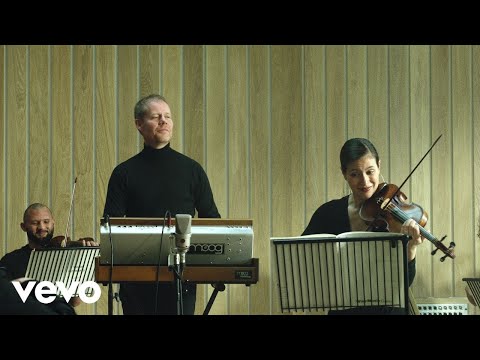
This is max richter vivaldi's spring1 in this video he is playing moog synthesizer. YouTube video
This is the track of wolf works I recommended for YouTube video
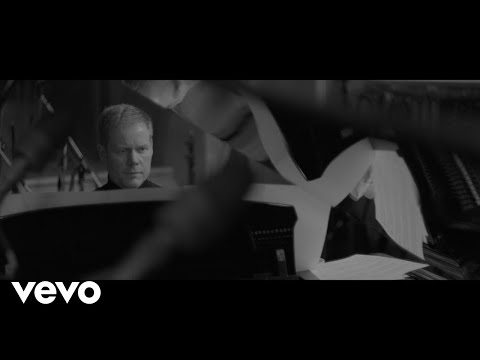
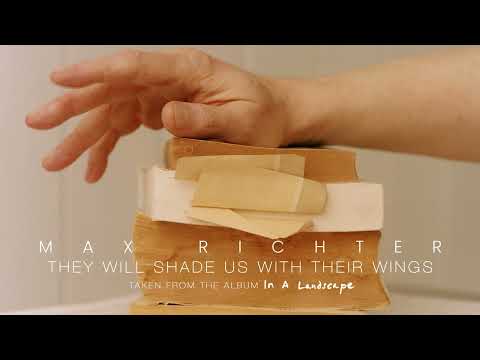
Looking to the Present: In A Landscape

This signature fusion reaches its peak in his latest album, In A Landscape. Recorded at Studio Richter Mahr—a bespoke, eco-conscious sanctuary built entirely for his own creative vision—the record stands as his most intimate masterclass yet in seamlessly marrying modular synthesizers with classical strings.
YouTube video

Final Thoughts

Max Richter's genius lies in his restraint. He has mastered the art of making the synthetic sound organic, and the organic sound ethereal. By grounding his work in the rigorous discipline of minimalism and expanding it with electronic textures, he created a new vernacular for modern music.

If you are listening on a high-end audio system, Sleep might actually be too brilliantly engineered, too texturally fascinating, and too bass-heavy to actually let you sleep. My advice? Save the high-end speakers for daytime active listening to truly appreciate his production wizardry—and stick to a basic pair of earbuds when you actually need to catch some Z's.

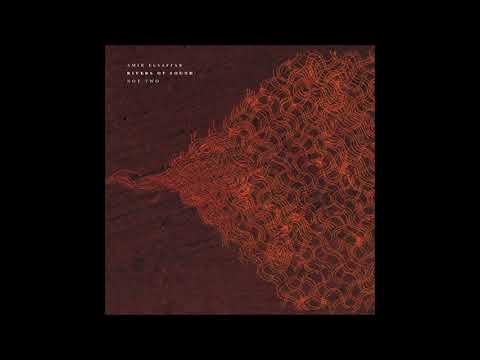
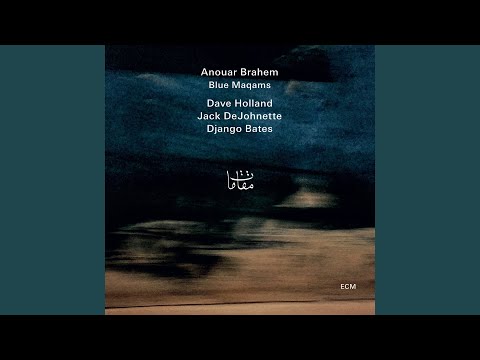
Description: There is a specific alchemy that happens when jazz's rhythmic openness meets the modal, microtonal traditions of the Islamic world—something more transformative than crossover. This piece moves through four albums: the near-miraculous ECM session where Zakir Hussain's tabla meets Jan Garbarek's saxophone; Dhafer Youssef's Electric Sufi, where Sufi vocal incantation collides with electric jazz grooves; Amir ElSaffar's Not Two, a 17-piece ensemble that runs Mesopotamian maqam through the density of Miles Davis's electric period; and Anouar Brahem's Blue Maqams, an album that proves the most profound jazz statement can be whispered in near-silence.

For decades, the boundaries of jazz have been wonderfully fluid. But there is a specific kind of alchemy that happens when the modal, microtonal, and spiritual traditions of the Islamic world collide with the rhythmic freedom of jazz. It's not just a superficial crossover; it's a profound dialogue that reshapes the horizon of modern music.

If you are looking to expand your sonic horizons, here are three incredible albums and artists that masterfully bridge the world of jazz with the profound textures of Islamic and Middle Eastern musical heritage.

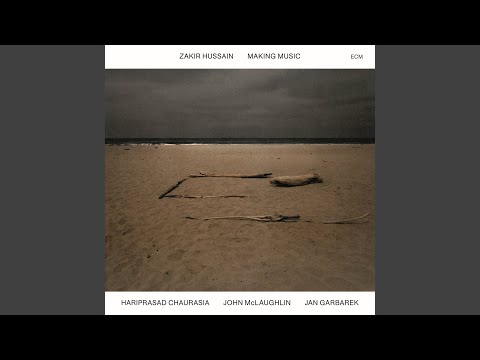
1. The Overlooked ECM Masterpiece: Making Music – Zakir Hussain

(The Spiritual Sublimation of Disparate Worlds)

When people think of the legendary ECM Records, they often picture cool, spacious European jazz or Nordic minimalism. But tucked away in their vast catalog is a hidden gem that beautifully captures the intersection of Eastern spiritual heritage and contemporary improvisation: Zakir Hussain's Making Music (1987).

Hussain himself is Hindu, but the tabla he plays is an instrument deeply rooted in both Hindu and Islamic musical cultures across South Asia, from India to Pakistan. This paired drum—combining the higher-pitched dayan and the lower bayan—is indispensable to Hindu devotional music and Islamic Sufi music (qawwali) alike. That quality of the tabla as a cultural bridge between traditions resonates deeply with the spirit of this album.

The lineup he leads looks like an impossible experiment:

  • Zakir Hussain (Tabla)
  • Hariprasad Chaurasia (Bansuri/Flute)
  • John McLaughlin (Acoustic Guitar)
  • Jan Garbarek (Saxophone)

You might expect a chaotic clash of cultures, but what transpires is a miracle of active listening. Tracks like “Sabah” (Arabic for “morning”) evoke the serene, contemplative atmosphere of the dawn. The fiery precision of McLaughlin's guitar and Hussain's incredible tabla rhythms melt effortlessly into Garbarek's haunting sax tones and Chaurasia's breathy flute. It is an overlooked masterpiece where seemingly incompatible musical DNAs meet, strip away their boundaries, and elevate into pure, universal emotion.

YouTube video

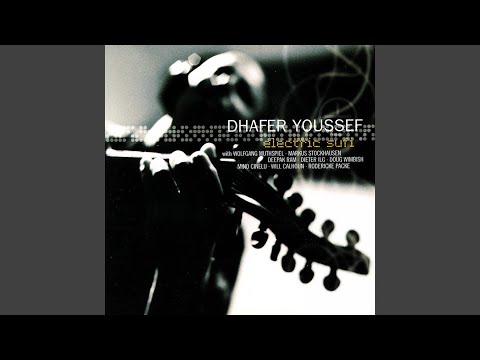
2. The Mystic Oud Modernized: Electric Sufi – Dhafer Youssef

(Translating Sufi Spirituality into Contemporary Jazz)

The Oud is an ancient, fretless lute deeply rooted in Middle Eastern and Islamic classical traditions. In the hands of Tunisian master Dhafer Youssef, however, it becomes a vessel for fierce modern jazz exploration. His seminal album, *Electric Sufi* (2001), is a masterclass in this transformation.

Youssef doesn't just play the oud; he integrates its rich, resonant, and inherently spiritual Eastern textures into a vibrant, electric jazz landscape. Backed by cutting-edge electronic grooves and stellar jazz instrumentation, the album feels both ancient and futuristic.

Within this brilliant catalog, the track “La nuit sacrée” stands out as an absolute masterpiece. This particular piece features the brilliant Austrian trumpeter Markus Stockhausen. Here, yet again, disparate elements collide, sparking a beautiful musical alchemy that transcends genres. It is a sublime example of how two seemingly contrasting worlds can meet and create pure magic through their sonic chemistry.

The Secret Weapon: Beyond his virtuosic oud playing, Youssef possesses a breathtaking, soaring vocal range rooted in traditional Sufi vocal incantations. When his voice and Stockhausen's haunting trumpet pierce through the modern jazz rhythm section, it creates an otherworldly, hypnotic prayer that completely redefines what jazz fusion can be.

YouTube video

3. The Miles Davis Groove of the Orient: Not Two – Amir ElSaffar & Rivers of Sound

(Maqam Meets Big Band Heavy Grooves)

If you crave the dense, urgent, and utterly hypnotic groove of Miles Davis's electric era (think Bitches Brew or On the Corner), but want to hear it filtered through the mystical lens of Iraqi traditional music, look no further than Amir ElSaffar and Rivers of Sound's Not Two (2017).

ElSaffar, an Iraqi-American trumpeter and vocalist, has achieved something monumental here. He plays a custom-tuned trumpet that allows him to play the microtones (maqams) of traditional Arabic and Islamic music. In Not Two, he leads a massive 17-piece ensemble—Rivers of Sound—which blends Western jazz instruments (saxophones, trumpet, drums) with traditional Middle Eastern instruments like the oud, the buzuq, the santur (hammered dulcimer), and the darbuka.

The result? An absolute wall of sound driven by an overwhelming, complex groove. The polyrhythms shift and churn with the same gritty, unstoppable momentum of a Miles Davis avant-garde ensemble, yet the melodic DNA is purely Mesopotamian. It is dense, exhilarating, and completely transcendent.

YouTube video

4. The Ambient Chamber-Jazz of the Maghreb: Blue Maqams – Anouar Brahem

(The Subtle Alchemy of Active Listening and Functional Stillness)

To close out this journey, we must look at an album that redefines the relationship between jazz pacing and spiritual space. While the previous entries thrive on complex polyrhythms or soaring vocal peaks, Tunisian oud master Anouar Brahem's Blue Maqams (2017) operates in the realm of profound, deliberate restraint.

For this ECM release, Brahem assembled an absolute jazz royalty lineup:

  • Anouar Brahem (Oud)
  • Dave Holland (Double Bass)
  • Jack DeJohnette (Drums)
  • Django Bates (Piano)

On paper, seeing legends like Holland and DeJohnette might make you expect a driving, hard-swinging post-bop session. However, Blue Maqams strips away the typical urgency of modern jazz. If you are looking for an intense, physical jazz groove, you won't find it here. Instead, the rhythm section masterfully practices the art of “subtraction”—providing a minimalist, spacious heartbeat rather than a pushy momentum.

What makes this album an absolute masterpiece is its dual nature. On one hand, the delicate dialogues between Brahem's microtonal oud and Django Bates' luminous piano offer rich rewards for deep, focused listening. On the other hand, its pristine ECM acoustic resonance and steady, non-intrusive temper make it one of the finest ambient-like experiences in modern instrumental music.

It is an album that refuses to agitate the listener's mind. For those looking for an impeccable sonic backdrop to deep thinking, writing, or creation, Blue Maqams serves as a high-art sanctuary—proving that sometimes, the most profound spiritual statement in jazz is the one whispered in absolute serenity.

YouTube video

Final Thoughts

These four releases prove that jazz is a universal canvas, uniquely capable of absorbing and reflecting the profound spiritual depths of the Islamic musical world. Whether it's the delicate chamber-fusion of Making Music, the electro-mysticism of Electric Sufi, the roaring microtonal big-band grooves of Not Two, or the tranquil, ambient-like focus of Blue Maqams, these albums offer an unforgettable journey.

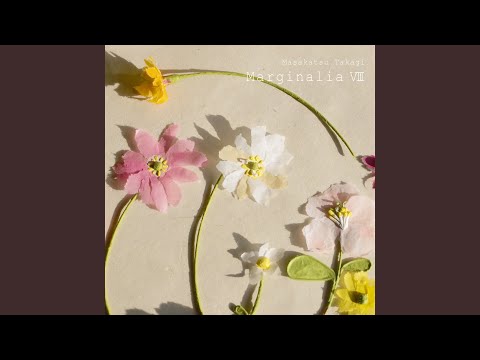
How Masakatsu Takagi Invokes a Non-Western, Animistic Soundscape

Masakatsu Takagi is widely celebrated for his deeply emotional cinematic scores, most notably “Kito Kito” from Mamoru Hosoda’s Wolf Children. Yet, when we strip away the cinematic narratives and listen to his foundational lifework—specifically his ongoing improvisational piano series culminating in his recent release, Marginalia VIII—we are confronted with a beautiful, striking bewilderment.

There are no grand climaxes here, nor any obvious hooks. Instead, we encounter a dense, shimmering cascade of notes that constantly shifts shape and slips away like water through fingers.

This refusal to guide the listener—this inherent sense of emotional detachment—is precisely what makes Takagi one of the most profoundly non-Western, traditionally Japanese creators working in contemporary ambient and experimental music today. He's music not seen influence by classic and jazz as this post is except.

YouTube video

Breaking Free from Structure and Repetition

The history of Western music is essentially a history of architecture—an endeavor to capture time, partition it, and confine it within structural cages. Consider post-minimalist icons like Max Richter. No matter how quiet or ambient their compositions, their work relies on a bedrock of rigid structural patterns and stubborn repetition (loops). The listener willingly surrenders to this calculated, beautiful architecture, finding a sense of emotional security within it.

Even in the realm of jazz improvisation, where freedom seems paramount, the performance is governed by shared linguistic codes: chord progressions, tempos, and physical syncopation.

Takagi’s recent improvisations discard both of these blueprints. His fingers spin a thread of sound that rejects both the bodily groove of jazz and the formal teleology of Western classical music. It is a literal fluid state—a melody that flows like a river, never resting on a single motif long enough to be commodified as a standard “song.”

The Distant Comfort of an Absent Ego

Why does his music feel so beautifully elusive, almost aloof? Because when Takagi sits at the piano, he completely surrenders the egoistic urge to “express human emotion.”

Living deep in the mountains of Hyogo Prefecture, Takagi records with his windows wide open, inviting the surrounding environment into his creative process. He jams with the calls of birds, the droning of insects, and the patterning of rain. Within this acoustic ecology, the piano ceases to be the protagonist. It is demoted—or perhaps elevated—to a mere peer within a massive, non-human ensemble.

Nature does not operate on a fixed tempo, nor does it care for dramatic, narrative arcs. Acting as a biological medium that translates the ambient friction of the world into sound, Takagi improvises as if through automatic writing.

Those who approach his music expecting a human-centric message or an easy emotional payoff will find themselves gently turned away by this absolute absence of ego. Yet, this is the very essence of a deeply Japanese, animistic relationship with sound—one that views the self not as a master of nature, but as an indistinguishable part of it.

Transforming the Living Space into a Mountain Sanctuary

Takagi’s music is not designed for analytical listening from the sweet spot of a stereo setup. It demands an audio environment that can breathe.

When played through a system capable of handling the sheer density of his notes, the micro-nuances of his touch, and the background rustle of the biosphere, the boundaries of your listening room begin to dissolve. Suddenly, the cascading piano notes coming from the speakers and the actual wind passing outside your own window melt into a singular, seamless reality.

This is neither pop music meant for consumption nor academic modern music meant for analysis. It is the luxurious, wild sound of time itself, indifferently and beautifully passing by.

There is a genre called post-rock. Layers of sound interweave, guitars stack upon guitars, and textures emerge that seem impossible for any ordinary band to produce. Since Godspeed You! Black Emperor and Mogwai earned their worldwide reputations, the genre has been associated with a certain kind of grandeur — sound accumulated in the studio, effects piled on effects, sonic architecture meticulously constructed in a DAW. That became one of post-rock's defining templates.

But a band from Kent, Ohio called The Six Parts Seven did something else entirely.

Human Beings, Gathered Together, Making Sound

The Six Parts Seven was founded in 1995 by the Karpinski brothers — Allen on guitar and Jay on drums. Tim Gerak joined as a second guitarist in 1997, and from there the lineup remained fluid, though the three of them stayed at the core.

Their instrumentation was distinctive: multiple clean-toned (undistorted) electric guitars, bass, and drums, joined by electric lap steel guitar, vibraphone, grand piano, and occasionally viola or trumpet. Rather than strumming chords, each instrument carried a single-note melodic line, and the sound arose from the way those lines intertwined.

What matters is that this was not the product of DAW-based overdubbing — it was the sound of real musicians gathered in a real studio. Everywhere and Right Here (2004) was recorded at Magnetic North in Cleveland. Little live footage survives, so the full picture is hard to verify from video alone. But this is not music assembled from dozens of retakes and edited together in a DAW. It is the sound of people in a room, listening to each other, playing — and that is what gives it its particular texture.

Suicide Squeeze Records, and Silence

The Six Parts Seven released their records on Suicide Squeeze Records, an independent label founded in Seattle in 1996. It began with singles from Elliott Smith and Modest Mouse, and over time its roster came to include The Black Keys, Russian Circles, and Iron & Wine — a label with genuine standing in the indie world.

And yet The Six Parts Seven never broke through.

The fact that their music was regularly used as background and transition music on NPR's All Things Considered says everything about where they stood. The music played. The name never stuck. One reviewer put it plainly: the band tended to be overlooked because it had no vocalist. Sigur Rós, he noted, owed much of its popularity to the presence of a singer — even one singing in Icelandic that almost no one could understand, that voice created a kind of gravity. Whether Six Parts Seven would ever cross that invisible line, he wasn't sure.

In 2008, the band went on indefinite hiatus.

Everywhere and Right Here (2004)

This is their finest work. Eight instrumental tracks, most running over five minutes, drawing the listener quietly deeper through repetition and subtle variation.

“What You Love You Must Love Now.” “Already Elsewhere.” “A Blueprint of Something Never Finished.” The titles function like poetry. The music speaks only in sound, and leaves its resonance only in sound. The sweet tone of the lap steel, the clear ring of the vibraphone, the layered harmonics of multiple guitars moving together. All of it achieved without electronics, through nothing but human performance.

YouTube video

Further Listening

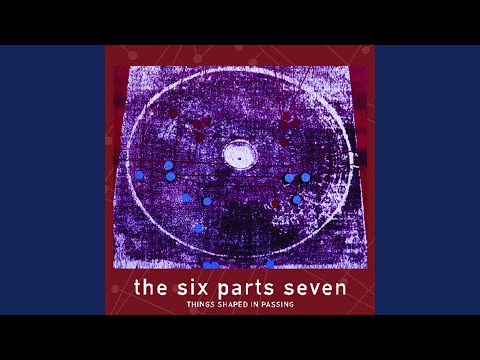
Things Shaped in Passing (2002) was their first album for Suicide Squeeze. The vinyl pressing was limited to 500 copies — a modest release by any measure — yet one Discogs commenter called it “one of the most important instrumental rock albums ever recorded.” With the addition of lap steel and piano, it was the first record to capture the band's sound in its fully realized form. AV Club described it as offering “the attentive listener a brief mental vacation to a stark but scenic landscape.”

YouTube video

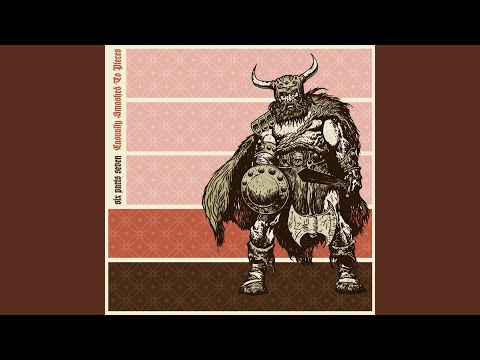
Casually Smashed to Pieces (2007) was their final studio album, recorded at Studio Litho in Seattle and the Ice House in Akron, Ohio, with a wide cast of guest musicians. The band entered hiatus the following year.

YouTube video

There is music that was never spoken of loudly, yet existed with an unmistakable completeness. The Six Parts Seven were that kind of band.

概要 アンビエント音楽はBGMだと思っていた。意識して聴くものではなく、日常の壁紙のような存在だと。その認識を完全に粉砕した3組がいる。リズムをアンビエントに持ち込んだHelios、デジタルグリッチと坂本龍一のピアノが「間」の沈黙を楽器にしたAlva Noto、そしてノイズ・ギターを印象派の風景画に変えたFennesz。この記事は、アンビエント音楽が「受動的な空間」から「能動的な視覚体験」へと変容する瞬間の記録だ。

長い間、私とアンビエント音楽の関係はシンプルだった。それは実用的な背景音だった。心を落ち着かせるための、静かなドローンの織物——日常生活の壁紙へと溶け込んでいく、意識して聴くものではない音楽。

そんな私の前に、3つの音楽的衝撃が現れた。

彼らは単に私のジャンルへの認識を揺さぶったのではない。完全に粉砕したのだ。アンビエント音楽とは単なる受動的な空間ではなく、鋭い精度と微細な緊張感、そして圧倒的な視覚的美しさを持つ景観になり得ると、彼らは証明した。これが、すべてを変えた3組のアーティストだ。

1. Helios——リズムの常識を覆すマスタークラス

アンビエント音楽の慣習として、時間の消去が求められることが多い。あの無重力の漂いを実現するために、まず打ち捨てられるのがパーカッションだ。しかしHelios名義で活動するKeith Kenniffは、ドラムの独創的で洗練された使い方によって、その定石をひっくり返した。

これは偶然ではない。Kenniffはバークリー音楽大学で打楽器と作曲を専攻した正規の音楽教育を受けたミュージシャンだ。そして彼の活動はHeliosにとどまらない。Goldmundという別名義では、アンビエントとポスト・クラシカルが交差する地点に息づく、端正で美しいソロ・ピアノ作品を生み出している。

Heliosはリズムでダンストラックを作るのではない——パーカッションを映画的なアンカーとして使う。彼のドラムは驚くほど精巧で、しばしばクリアで有機的、接近マイキングによって柔らかく触感的なクランチを帯び、完全に人間的な質感を持つ。

アンビエントの霧を乱すのではなく、リズムは鼓動として機能する。ドラムは豊かで映画的なギターとピアノのうねりを正確に切り裂き、見事な対位を生み出す——メロディのパッドが漂いへと誘う一方で、精緻なパーカッションは現在にとどまることを要求するのだ。Heliosは私に教えてくれた。アンビエント音楽は、勢い、構造、そして感情的な切迫感を持つことができると。

YouTube video

2. Alva Noto + 坂本龍一——グリッチと崇高さの融合

Heliosが漂流に構造をもたらしたとすれば、ドイツの電子音楽の巨匠Carsten Nicolai(Alva Noto)と、比類なき坂本龍一との歴史的コラボレーションは、音の質感そのものを再定義した。

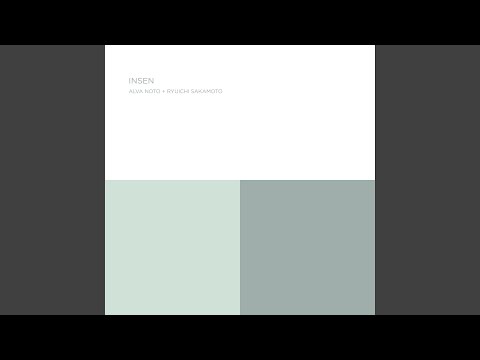
二人の共作アルバム(VrioonInsenなど)は対比のマスタークラスだ——冷たい未来と人間の魂の間で交わされる、息をのむような対話として機能する。

  • Alva Notoの冷たい精度:デジタルグリッチ、微細なレーザーのクリック音、そしてデジタルキャンバスの鋭く冷たい輪郭を描く澄んだサブベース。
  • 坂本龍一の温かな親密さ:サステインと脆さと共鳴に満ちた、完璧で空間的なアコースティック・ピアノの和音。

「間」の魔法

このペアリングの真の天才性は、二つの対立する世界がいかに融合するかにある。坂本のピアノの音は電子音の上に乗るのではなく、電子音に抱かれる。温かく減衰するピアノの和音が、鋭いデジタルグリッチに捕まえられ、ひとつの誤りがメロディへと変わる。音符と音符の間の負の空間——その沈黙——が、呼吸する第三の楽器となる。純粋なデータと純粋な感情が溶け合い、ひとつの壊滅的に美しい言語になり得るという、驚異的な証明だ。

YouTube video

3. Fennesz——ノイズ・ギターで描く印象派の風景

多くの人にとって「ノイズ・ギター」とは、混沌、攻撃性、摩擦を意味する。しかしChristian Fenneszはギターとラップトップを使って、まったく逆のことを成し遂げる——デジタルの歪みを、陽光に満ちた純粋な高揚感へと紡ぎ出すのだ。

Endless Summerのような傑作を聴く体験は、音声トラックを聴くというより、印象派の絵画が生命を持つ瞬間を目撃するに近い。

Fenneszはアコースティックとエレクトリックのギターの弦をかき鳴らし、複雑な処理ソフトウェアに通すことで、コードを何千もの輝くホワイトホットなグリッチと静電気の破片へと砕く。しかしそのデジタルの残骸の中から、信じがたい温もりが浮かび上がる。ノイズはシフトし、進化し、うねり、鮮やかな音の振付を生み出す。聴いていると、テクスチャーは木漏れ日のように、あるいは霞んだ午後にスローモーションで砕け散る波のように、変容していく。彼はノイズを破壊の武器から、崇高な視覚的物語のツールへと変えたのだ。

YouTube video

おわりに

Helios、Alva Noto + 坂本龍一、そしてFenneszに出会う前、私はアンビエント音楽を現実から逃れるためのツールだと思っていた。今は違う——それは現実をより鮮明に見るためのレンズだと気づいた。

巧みなリズム、グリッチとピアノの融合、そして処理されたギター・ノイズの美しさを通じて、これらのアーティストたちは証明した。音と沈黙の間にある空間は、無限に広大で——そして限りなく魅力的だと。