What Inspired Me

unknown music lover from Japan. This blog wrote in both Japanese and English.

Description: “Classical” is a word I use with quotation marks. The piece I want to talk about doesn't sit comfortably within any genre boundary, which is partly why I love it. This piece is a personal note about one specific work that changed how I listen—not because it was the most technically impressive thing I'd heard, but because it was the first time a piece of music felt less like a composition and more like a physical space I could step inside.

The melody comes back again and again at a furious pace, and tabla-like percussion colors every repetition. I'm not even sure “classical” is the right word for it — but if you only know Michael Nyman through his film scores, you owe it to yourself to hear this.

YouTube video

This is “The Upside Down Violin: III) Faster Still,” performed live in 1994 by the MichaeMy Favorite Piece of “Classical” Music

The melody comes back again and again at a furious pace, and tabla-like percussion colors every repetition. I'm not even sure “classical” is the right word for it — but if you only know Michael Nyman through his film scores, you owe it to yourself to hear this.

Who Is Michael Nyman?

If you've watched a Peter Greenaway film or Jane Campion's The Piano, you've already heard Nyman's music, even if you didn't know his name. He's a British composer, pianist, and — long before he was famous for soundtracks — a music critic. In fact, it was Nyman who coined the term “minimal music” back in the 1960s, years before he became one of the genre's most recognizable voices himself.

His sound is built on repetition: short melodic and rhythmic cells that loop, layer, and shift incrementally, building tension and momentum out of small variations rather than grand romantic gestures. Through the late 1970s and 1980s, this style became inseparable from his long creative partnership with Greenaway, scoring arthouse films like The Cook, the Thief, His Wife & Her Lover and Prospero's Books. But it was The Piano in 1993 that turned him into a household name, with its haunting, instantly hummable themes reaching audiences far beyond the art-film crowd.

That's the Nyman most people meet first — and often the only Nyman they ever meet.

The Other Side of Nyman

“The Upside Down Violin” comes from a different corner of his catalog entirely. Composed in 1992, it was commissioned for the Michael Nyman Band together with the Orquesta Andaluzi de Tetouan — a Moroccan orchestra rooted in Andalusian classical tradition — for Expo '92 in Seville. The piece unfolds in three movements: Slow, Faster, and Faster Still, each one ratcheting up the intensity of the previous.

It's in “Faster Still” that everything Nyman is known for collides with something else entirely. His signature obsessive repetition is still there, but it's now interlaced with the modal melodies and driving percussion of North African and Andalusian folk tradition. The effect is something closer to trance than to typical Western classical music — the melodic line spirals forward at breakneck speed while the hand percussion underneath keeps splintering the rhythm into smaller and smaller fragments.

This is exactly why I think people who only know “Nyman the film composer” need to hear it. It's the same compositional DNA — the same hypnotic insistence on repetition — but stripped of the cinematic restraint and let loose at full intensity, fused with a tradition entirely outside the Western classical canon. It's proof that the man behind those quiet, melancholic piano themes also had this kind of fire in him.

I still don't know whether to file this under “classical,” “world music,” or something that refuses to be filed at all. But it's the piece I come back to more than almost any other.l Nyman Band together with the Orquesta Andaluzi de Tetouan. And yes — it really is the same Michael Nyman most people know for The Piano.

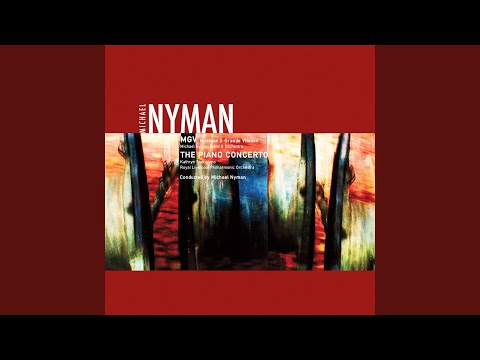
The best album

My favorite music is above but the best album is different. My best album is wrote for MGV express train. It's piano like the train make sound on a rail bridge, and strings make a dynamic scenary.

YouTube video

概要 廃棄されたIBMコンピュータの「葬送の儀式」を録音したテープが、なぜあれほど祈りのような音楽になったのか。メタルバンドのドラマーが、なぜピアノと弦楽器で世界を動かす作曲家になれたのか。音楽産業が存在しないアイスランドという島国が生んだ二人——ヨハン・ヨハンソンとオーラヴル・アルナルズ——の軌跡を辿りながら、「ジャンルの壁を知らずに育つこと」が音楽に何をもたらすかを考える。

ポストクラシカル音楽には、ロイヤル・アカデミーやバークリーで鍛えられた作曲家たちとは別の系譜がある。それは、ジャンルの壁を知らずに育ち、電子音もクラシックの語法も等しく「使える素材」として手に取る人間たちの系譜だ。アイスランドという、音楽産業のインフラがほとんど存在しない島国が生んだ二人の作曲家——ヨハン・ヨハンソンとオーラヴル・アルナルズ——は、その最も鮮やかな例だ。

ヨハン・ヨハンソン(1969–2018)——廃棄されたコンピュータの挽歌

正規教育なき独学の作曲家

レイキャヴィーク生まれのヨハン・ヨハンソンは、本質的に独学のミュージシャンだった。10代からバンドで演奏を始め、インディーバンドDaisy Hill Puppy FarmやオルタナロックバンドHAMで活動しながら、徐々に作曲へと軸足を移していった。正規の音楽院でカリキュラムを学んだわけではない。それが彼の音楽から、学術的なミニマリズムとも映画音楽的な感傷主義とも異なる、独特の乾いた感触を生んでいる。

IBMコンピュータの音——父が遺したテープから

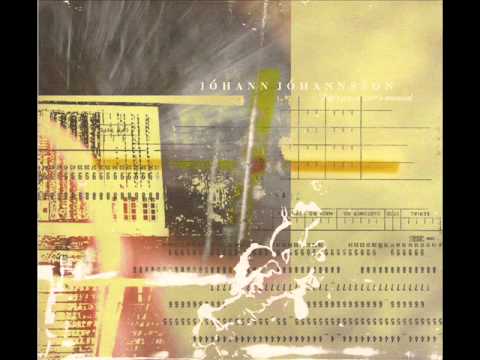
ヨハンソンの代表作のひとつ、IBM 1401, A User's Manual(2006)は、ある家族の記憶から生まれた。1964年にアイスランドに初めて導入されたIBM 1401メインフレームコンピュータ。7年後、新しいモデルに置き換えられることになったこの機械の最後の「演奏」を、チーフエンジニアだった彼の父、ヨハン・グンナーソンがリールテープに録音していた。

父は、特定のプログラムを走らせることでコンピュータが発する迷走電磁波をラジオで受信できることを発見し、そこから音楽的な音程を引き出した。これはコンピュータ音楽の初期的な形態だった。

IBM 1401は音楽を演奏するように設計されてはいなかった。しかしそのオペレーターたちはコンピュータに「歌う」能力を与え、プログラムによってアイスランドの賛美歌「Ísland Ögrum Skorið」(作曲:Sigvaldi Kaldalóns)を演奏させた。廃棄される前には小さな「葬送の儀式」を行い、感謝と悲しみを記録した。コンピュータが賛美歌を歌うという行為は、あのアルバムが纏う「祈り」のような性質の、文字通りの起源である。

ヨハンソンはこのテープを素材に、弦楽オーケストラと電子音を組み合わせた作品を作り上げた。廃棄された機械への哀悼、テクノロジーへの郷愁——そのような感情を、正規の訓練を受けていないからこそ臆せず「音楽の素材」として扱えたのではないか。学術的な作曲教育は、ときに「正しい素材」と「そうでないもの」という境界を引いてしまう。ヨハンソンにはその境界がなかった。

YouTube video

コペンハーゲンを切り取った映像作品——隠れた名作

ヨハンソンはMax KestnerによるドキュメンタリーFilm「Dreams in Copenhagen」の音楽も手がけており、これはコペンハーゲンの日常的な映像を静かに切り取った作品のための音楽だ。派手さを排した、しかし深く呼吸するような音楽で、代表的なフィルムスコアと比べるとほとんど語られることがないが、ヨハンソンの本質がもっとも静かに凝縮された作品のひとつだ。

YouTube video

48歳での死

ヨハンソンは2018年2月9日、ベルリンにて48歳で死去した。死因は心不全で、コカインと風邪薬の致死的な組み合わせが原因とされた。その死の2年後、彼が監督・作曲した唯一の長編映画「Last and First Men」は第70回ベルリン国際映画祭で初上映され、広く絶賛された。彼が最も創造的な時期にあったまま逝ったことは、現代音楽にとって大きな損失だった。

オーラヴル・アルナルズ(1986–)——メタルドラマーからポストクラシカルへ

メタルバンドのドラマーという出発点

1986年、レイキャヴィーク近郊のモスフェットスバイル生まれのオーラヴル・アルナルズは、ハードコアパンクやメタルバンドのドラマーとしてキャリアをスタートさせた。ピアノと弦楽器による繊細なポストクラシカルで知られる現在の姿からは想像しにくいかもしれない。しかしこの出自こそが、彼の音楽の特質——リズムへの本能的な感覚と、ループ構造に対する身体的な親しみ——を形成している。

正規のクラシック音楽教育を受けていないアルナルズが、ミニマリストの技法に影響を受けたとすれば、それはスティーヴ・ライヒやテリー・ライリーの理論書からではなく、エレクトロニカやループミュージックを通じた経路だった可能性が高い。繰り返しのパターンとその微細な変化で空間を作るという方法論を、彼はアカデミックな文脈ではなく、クラブミュージックの身体感覚から学んだのかもしれない。

偶然のきっかけ——インスト作品への転身

アルナルズのポストクラシカルへの転身はほとんど偶然の産物だった。ドイツのメタルバンドHeaven Shall Burnが彼の自室録音のデモを耳にし、2004年のアルバム「Antigone」への参加を依頼した。そのアルバムを聴いた新興レーベルErased TapesのRobert Rathsが感銘を受け、アルナルズにフルアルバムの制作を打診した。こうして生まれた2007年のデビュー作「Eulogy for Evolution」が、彼の作曲家としてのキャリアを開いた。

re:member——エレクトロサウンドとの軽やかな融合

2018年のre:memberは、アルナルズの電子音楽との関係が最も自然な形で結実した作品だ。このアルバムの核心にはStratusという彼独自のシステムがある。Stratusは、アルナルズが中央のピアノで音を弾くと、二台の自動演奏ピアノが異なる音符を生成し、予期しないハーモニーと意外なメロディのシーケンスを作り出す、半生成的なシステムだ。

ここで起きていることは、ミニマリズムの現代的な読み替えだ。ライヒが位相のズレで作った「ずれの音楽」を、アルゴリズムと自動演奏ピアノで再解釈している。しかしその結果は学術的な実験ではなく、驚くほど温かく、哀愁を帯びた音楽になる。

YouTube video

Kiasmos——アンビエントテクノへの越境

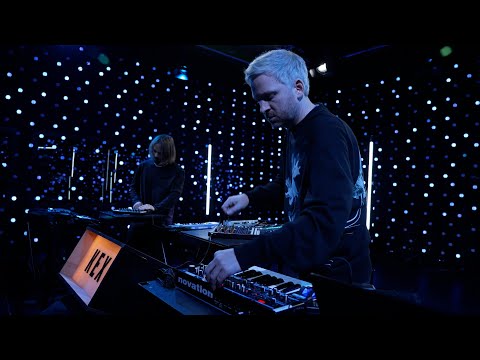
2009年、アルナルズはフェロー諸島出身でレイキャヴィーク在住のプロデューサー、Janus Rasmussen(アイスランドのエレクトロポップバンドBloodgroupのメンバー)とともに、実験的テクノプロジェクト「Kiasmos」を立ち上げた。

Kiasmosはアルナルズのソロ作品とは明確に異なる世界を持つ。テクノビートの上にアンビエントな空気感が漂い、クラブミュージックとポストクラシカルの境界を意図的に溶かしていく。メタルドラマーの出自を持ちながらポストクラシカルを作る人間と、エレクトロポップの人間が出会ったとき生まれる化学反応——それが「踊れそうでいて、どこか遠くを見ているアンビエントテクノ」というKiasmosの独特の質感だ。

YouTube video

もう一つの極:ヤヌス・ラスムセンという「引き算」の美学

Kiasmosをアルナルズ単体の課外活動として片付けることはできない。このプロジェクトが単なる「ストリングスを乗せただけのクラブミュージック」に陥らなかったのは、もう一人のメンバーであるヤヌス・ラスムセンの存在があるからだ。

アルナルズが室内楽の文脈からビートへとアプローチしたのに対し、ヤヌスは純粋な電子音楽・エレクトロポップの現場からキャリアを始めた人間だ。ソロアルバムVín(2019年)や、より野心的な展開を見せたInert(2026年)を聴くと、彼がいかに「音の隙間」をコントロールすることに長けたアーティストであるかがよく分かる。Inertではボーカルをこれまで以上に取り入れながら、ダンスミュージックのスペクトルから新たなエネルギーを引き出している。

ヤヌスの鳴らすミニマル・テクノは、過度な装飾を削ぎ落としたアコースティックな質感と、冷徹でありながらどこか哀愁を帯びた電子音の設計が特徴だ。その細部への執拗なこだわりとサウンドデザインの精度が、アルナルズの持つ叙情的なピアノの旋律と出会った。

クラシック側から越境したアルナルズと、電子音楽側から引き寄せられたヤヌス。Kiasmosという交差点は、異なるスタートラインから同じ「静謐な場所」を目指して合流した、必然の産物なのである。

YouTube video

二人を貫くもの——ジャンルを知らない島国の自由

ヨハンソンもアルナルズも、正規の音楽院教育を受けていない。アルナルズ自身が語っているように、アイスランドには音楽産業のインフラがほとんど存在しないために、アイスランドのミュージシャンはクリエイティブな壁を軽やかに飛び越える大胆さを持っている。廃棄されたコンピュータの音を弦楽オーケストラと並置することも、メタルドラマーが自動演奏ピアノのアルゴリズムを開発することも、「これはやっていいのか」と問う前に手を動かす自由から生まれる。

そしてそれこそが、彼らの音楽が持つ独特の軽さ——学術的な重さも、ポップの計算高さもない、ただ音楽が「こうあってほしい」という直感の産物——の源泉なのだと思う。

小さな島が生んだ密な交流——正規教育を補完したネットワーク

アルナルズ自身がインタビューでこう語っている——「音楽をやっていれば、他の音楽家を全員知っている。競争がない。なぜなら何のために競争するの?音楽で稼ぐこともできないし、有名にもなれない」と。音楽産業のインフラがほとんど存在しないアイスランドでは、逆にミュージシャン同士の距離が異常に近い。

この「狭さ」が生んだ最も重要な交流のひとつが、ヨハンソンとクラシカルチェリストのヒルドゥル・グドナドッティルの関係だ。

ヨハンソンとヒルドゥル——Kitchen Motorsから始まった30年

ヨハンソンは1999年、Kitchen Motorsという組織の共同設立者となった。これはレイキャヴィークを拠点にしたシンクタンク・アート組織・音楽レーベルの複合体で、パンク、ジャズ、クラシック、メタル、電子音楽といった異なるジャンルの人間を横断的に引き寄せ、新しいハイブリッドを生み出すことを目的としていた。ヨハンソン自身は「すでにあった機会を増幅しようとした。ジャズ、クラシック、電子音楽、パンク、メタルの人間を集め、新しい混交を促した。私自身の音楽はあの実験から生まれた」と語っている。

このKitchen Motorsの活動を通じて、ヨハンソンはヒルドゥル・グドナドッティルと出会った。ヒルドゥルはレイキャヴィーク音楽アカデミーでチェロを学び、アイスランド芸術大学とベルリン芸術大学で作曲と新メディアを修めた、正規教育を受けたクラシック奏者だ。後にOscar、Grammy、Emmy、BAFTAを受賞することになる彼女と、独学のヨハンソンは1990年代後半に深い友情を築いた。

二人はベルリンでスタジオを共有していた時期もあり、ヨハンソンの映画スコア(SicarioArrivalMary Magdalene)ではヒルドゥルがチェロ奏者・共同作曲家として参加している。ヒルドゥルはヨハンソンについてこう語っている——「私たちは言葉ではない場所で出会った。魂が絡み合い、そして今日まで絡み合ったままだ。私たちは共に成長した」と。

独学の作曲家と正規訓練を受けたチェリストが、国際的な映画音楽の世界で互いを補い合うように協働したこの関係は、アイスランドの音楽コミュニティが持つ特質——ジャンルも教育背景も関係なく、音楽的に共鳴する人間同士が引き寄せられる場の力——を体現している。

アルナルズとErased Tapesのネットワーク

アルナルズの場合、正規教育の代わりに機能したのはErased Tapesというレーベルが形成したコミュニティだった。同レーベルのピアニスト、ニルス・フラームとの関係がその典型で、二人は2012年以降ベルリンとレイキャヴィークのスタジオで無数の即興セッションを重ね、複数のコラボレーション作品を生み出した。フラームはクラシックピアノの訓練を受けた作曲家だが、アルナルズとの即興では互いの差異が逆に豊かな摩擦を生んでいる。

また、アルナルズが2016年に行ったプロジェクト「Island Songs」では、アイスランド各地の伝統的な合唱文化やポエトリーシーンに関わる演奏家たちと一週間ごとに新曲を共同制作した。メタルドラマー出身の彼が、アイスランドの伝統的な音楽的知性と直接接続していく過程そのものが記録されている。

考察——「狭さ」が可能にしたこと

正規のクラシック教育を受けていないヨハンソンやアルナルズが、なぜあれほど精緻なオーケストラ語法を操れるのか。その答えの一端は、アイスランドという閉じた音楽コミュニティにあるかもしれない。人口35万人の島国では、電子音楽出身の独学作曲家がクラシック奏者と日常的に同じ空間に居合わせ、互いの語法が自然と染み込んでいく環境がある。

正式な学位ではなく、隣にいる人間から学ぶ——そのような有機的な音楽教育の場が、レイキャヴィークには機能していたのではないか。ヨハンソンとヒルドゥルの30年近い関係も、アルナルズとフラームの継続的な即興も、その仮説を支持している。

I discovered the Cranberries in high school, through a TV programme covering the Billboard charts. The moment Dolores O'Riordan's voice came through the speakers, it lodged itself in my ear and refused to leave. That unmistakable trembling lilt, the reverb-drenched guitars, a sound that was at once fragile and fierce. For the teenage version of me, the Cranberries were simply the best thing there was.

Years later, as an adult, a song came on the radio. Reverb-laden guitars, a voice with a rolling, melismatic quality, harmonies coiling around each other — it sounded so much like the Cranberries that I genuinely thought I was mistaken about what I was hearing. But it wasn't the Cranberries. It was a band called Cocteau Twins, who had arrived at that same sound a full decade earlier.

My favorite song of Cramberries

YouTube video

“The Sound of Dreams,” Born on the Industrial Fringes of Scotland

Cocteau Twins were a Scottish rock band active from 1979 to 1997. They formed in Grangemouth, an industrial town in central Scotland — a place guitarist Robin Guthrie once described to Billboard as “like Elizabeth, New Jersey: a great chemical-refining works that's not at all picturesque.” It was from that grey, unglamorous setting that a group of young people began making music as if trying to escape it.

The band was founded by Robin Guthrie (guitar, drum machine) and Will Heggie (bass), with Elizabeth Fraser joining on vocals in 1981. In 1983, multi-instrumentalist Simon Raymonde replaced Heggie, completing the lineup the band is best known for.

Fraser's arrival in the group was almost accidental. Guthrie and Heggie spotted her dancing at a local club and asked if she could sing. She was seventeen years old and had never thought of herself as a singer.

The sound at the heart of the band grew out of Guthrie's unconventional relationship with the guitar. Trained as an electrician with a natural fascination for electronics, he began running his guitar through fuzz boxes and effects pedals in search of something no one had made before. Because he had never learned to play conventionally, his experiments took him in directions that no one else would have thought to try. Layering chorus, flanger and delay units into dense, interlocking textures, he arrived at the ethereal sound that would define the band.

Guthrie described his ambition in his own words: “The aim was to make music with punk's energy but more finesse and beauty, and that shiny, Phil Spector sound. I was trying to make my guitar sound like I could play it, so I was influenced by guitarists who made beautiful noise, like The Pop Group or Rowland S. Howard.”

Then there was Fraser's voice. She prioritised the transcendent quality of sound over lyrical meaning, saying: “The words don't have any meaning at all until I sing them. I did it so I could sing something.” Her vocals were in English and yet somehow defied comprehension, bypassing the mind entirely and arriving directly at emotion. This approach — sometimes called glossolalia — became the defining characteristic that set Cocteau Twins apart from every other band.

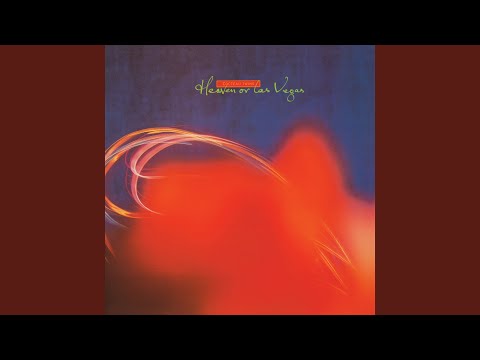
In 1982 the band signed to the London independent label 4AD and released their debut album, Garlands. They went on to pioneer the dream pop subgenre and helped define what would later become known as shoegaze.

Between the Charts and the Underground

Cocteau Twins occupied a peculiar position in the music world — one that commercial statistics alone cannot explain.

On the UK Albums Chart, their trajectory was one of steady ascent: Treasure (1984) peaked at number 29, Victorialand (1986) at number 10, Blue Bell Knoll (1988) at number 15, and Heaven or Las Vegas (1990) — their most celebrated album — reached number 7.

Yet in the United States, even Heaven or Las Vegas peaked at only number 99 on the Billboard 200. Icons of the British indie scene, yet virtually unknown in America — this double status was the curious hallmark of Cocteau Twins.

And yet their musical gravity was quietly pulling in some of the biggest names in the world. Madonna was said to “love” both the band and Fraser, and Prince sought to sign them to his own record label. Great musicians were drawn to them in silence.

YouTube video

YouTube video

A Chain of Inspiration: The Musicians Who Loved Cocteau Twins

The list of artists who have publicly cited Cocteau Twins as an influence is remarkable in its breadth: Björk, Imogen Heap, M83, Annie Lennox, Lana Del Rey, Tori Amos, Slowdive, Ride, Prince, The Weeknd, Massive Attack, The Sundays, My Bloody Valentine, Radiohead, Deftones, and Reggie Watts — all have spoken of the profound impact that Cocteau Twins, and Elizabeth Fraser's voice in particular, had on their music.

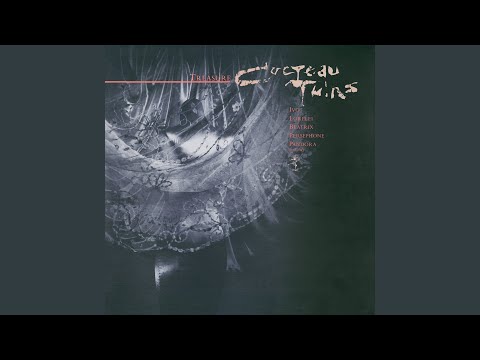
Among the most striking testimonies: The Cure's Robert Smith called Treasure “the most romantic sound I'd ever heard,” and the fingerprints of that album's guitar sound can clearly be heard on The Cure's landmark record Disintegration.

Slowdive guitarist Christian Savill recalled the first time he heard “Pearly-Dewdrops' Drops”: “The vocals and words were unlike anything I'd ever heard, and the guitars seemed huge and mysterious.” Ride bassist Steve Queralt was equally direct: “For me, Cocteau Twins recorded some of the greatest sounds ever committed to tape. It's Robin's shimmering guitars that set the blueprint for bands like us — and that's surely where it all began for shoegaze.”

In the world of post-rock, Explosions in the Sky's Chris Hrasky cited Cocteau Twins as part of the DNA of their sound. Simon Raymonde was so taken with the band that he eventually signed them to his own label, Bella Union, for their landmark 2003 album The Earth Is Not a Cold Dead Place.

The Shadow Lineage: Cocteau Twins and the Cranberries

Let me return to where this began. The instinct I had when I heard that song on the radio — that it sounded like the Cranberries — turns out to be a matter of broad critical consensus.

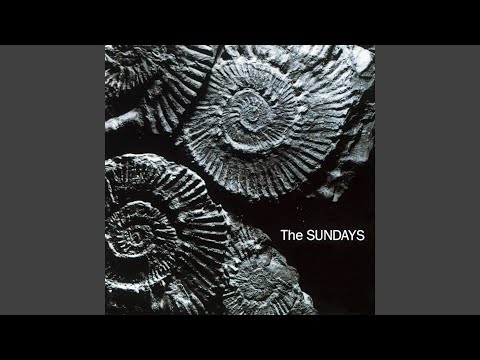
Central to that lineage is a band who sit precisely between Cocteau Twins and the Cranberries: The Sundays. Formed in 1988 when vocalist Harriet Wheeler and guitarist David Gavurin met at the University of Bristol, this English quartet caused an immediate sensation. Their debut single “Can't Be Sure” prompted Melody Maker's reviewer to declare them “the best thing I've ever heard,” sparking a label bidding war almost immediately. Their 1990 debut album Reading, Writing and Arithmetic reached number 4 on the UK Albums Chart. Their sound — blending the ethereal textures of Cocteau Twins with the jangly guitar melodicism of The Smiths, anchored by Wheeler's crystalline voice — led critics to describe them repeatedly as a band carrying the genetic imprint of both. They released three albums before falling silent after 1997, but their music endures as a cornerstone of dream pop.

In the 1990s, Rolling Stone wrote about the Cranberries: “They sound an awful lot like The Sundays, who, in turn, strongly resemble the Cocteau Twins. What they have done with that aesthetic, however, is make it their own.”

Neither Dolores O'Riordan nor guitarist Noel Hogan explicitly acknowledged the Cocteau Twins as an influence. When Noel was confronted with comparisons, he tended to deflect: “If we sound like other bands, that's coincidence.” In interview after interview, Hogan named Johnny Marr and The Cure as his primary guitar influences — never Robin Guthrie. And yet the music they made so clearly transplanted the dream pop aesthetic that Cocteau Twins had spent a decade building, rooting it in Irish soil.

Sound on Sound described the Cranberries as a band who “followed in the footsteps of The Sundays — themselves shaped by Cocteau Twins — to rise quickly to fame in the early 1990s with their evocative dream pop.” The influence runs in one direction only: Cocteau Twins → The Sundays → the Cranberries.

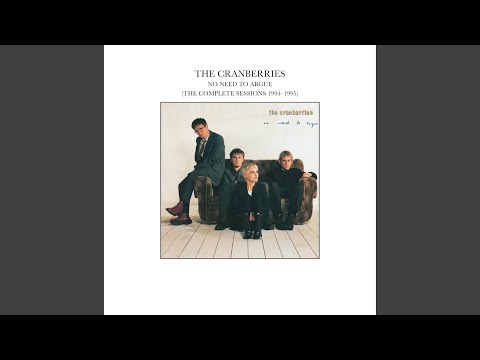
Salon's music criticism went even further: the Cranberries track “The Icicle Melts,” from their album No Need to Argue, was identified as a direct homage to Cocteau Twins — whether or not Dolores intended it consciously, that lineage ran all the way down to the title.

YouTube video

How Cocteau Twins Regarded Their Followers

Guthrie had complicated feelings about the many bands who followed in his wake.

In an interview with Drowned in Sound, he said: “I find it hard to have respect for artists who only look back. They're constantly trying to recreate something that happened 20 or 30 years ago. If I said we were going to reform the Cocteau Twins tomorrow, everyone would think it was great. I don't get that.”

Elsewhere he pushed back against being grouped with the shoegaze movement: “The Cocteau Twins often get compared to bands from the shoegaze movement, but we were never part of that. I was really pushing the electronic idea. I wasn't just happy to put my guitar through one effects pedal — I'd put it through loads. That was my idea, and I wanted to take it further and further.”

The band's official website puts it this way: “Others have tried to reproduce or capture their sound, with limited success. The few artists who have succeeded sound mostly unlike them, but have managed to convey an essence — inspiration without imitation. Think Beach House, Goldfrapp, Sigur Rós, or M83. Cocteau Twins were a foundational influence for whole categories of music, notably dream pop and shoegaze.”

Commercial Success vs. Musical Influence

The Cranberries achieved commercial success on a scale that Cocteau Twins could never have imagined. Their debut album sold tens of millions of copies worldwide. “Zombie,” “Linger,” and “Dreams” are songs that have outlasted generations. By comparison, Heaven or Las Vegas — Cocteau Twins' biggest record — sold 235,000 copies in the UK by 1996. The difference is not merely significant; it is categorical.

And yet when it comes to musical influence, the picture reverses entirely. The aesthetic of reverb and layered effects that Cocteau Twins built — an approach to texture, atmosphere and the voice as instrument — is written into the DNA of an enormous body of music in the twenty-first century: dream pop, shoegaze, indie folk, ambient R&B and much more. That the Cranberries could sound the way they did was only possible because Cocteau Twins had spent a decade establishing that aesthetic.

Slowdive's Neil Halstead captured this precisely: “I've heard plenty of tracks that mimic the Cocteaus' sound and vocal style, but fail to include their beautifully constructed chord progressions, key changes and melodic hooks. The voice, the guitars, the songs — they aren't just simple blocks you can co-opt or fit together to recreate the whole. Each element is huge and deep and unique in and of itself. Many of us try and borrow a hint of one or two facets, but we're really only scratching at the surface.”

The Cranberries' success is unquestionably great. But if you ask where the music came from — who built the house that the Cranberries moved into — the answer points to Cocteau Twins. And the blueprint for that house is still being followed everywhere.

YouTube video

A Beauty That Has Not Faded in Forty Years

The official Cocteau Twins website contains a quietly remarkable observation: “It is a testament to the timelessness of their sound and production quality that many new fans don't even know that the story actually started in 1979.”

That, to me, is the highest possible compliment. Music that people hear today and assume was made recently. Music that carries no timestamp. Cocteau Twins' albums, more than forty years on, are still that kind of music.

Robin Guthrie, in a rare reflective moment, said of his former bandmate: “I would record with Liz again in a heartbeat. But at least I worked with the world's best singer.”

In high school, the Cranberries were the door I walked through into dream pop. But it was Cocteau Twins, arriving on the radio years later, that showed me just how deep and beautiful and timeless the world on the other side of that door really was.

To tourists, Japan looks like a flawless utopia. Trains run exactly on time, streets are spotless, and people are quiet, polite, and orderly. Foreign visitors marvel at this “beautiful harmony.”

But they rarely see the invisible mechanisms that produce this order. They don’t see the systemic violence of conformity that crushes anyone who doesn’t fit the mold.

As someone who grew up with neurodiversity (developmental differences) in this society, I know the true cost of Japan’s aesthetic perfection.

The Trauma of “Why Can’t You Just Be Normal?”

In Japan, the enforcement of order begins at birth. From early childhood, we are subjected to merciless manner education, often driven by intense maternal pressure to conform. My own childhood was a constant cycle of being severely disciplined by my mother and endlessly compared to others.

“Look at that child. Why can they do it, but you can’t?”

This single sentence is repeated in millions of Japanese homes. In a culture where “being different” is considered a defect, failing to read the room or sit still is treated as a moral failure. For a neurodivergent child, this constant comparison leaves your self-esteem completely shattered before you even become an adult. You learn to live in fear, constantly masking your true self just to survive.

The Workplace: A Matrix of Unwritten Rules

This hyper-strict upbringing seamlessly transitions into the adult workforce, where corporate rituals punish individuality.

Take “punctuality,” for example. Being on time doesn’t just mean showing up at the clock; arriving even one minute late is treated as a major character flaw and a breach of trust.

Then there is the infamous corporate ritual called Nemawashi (根回し) — the practice of laying informal groundwork before a meeting. In Japan, you cannot simply propose a brilliant new idea during a presentation. If you haven’t quietly spoken to every stakeholder beforehand to get their approval in private, your idea will be shot down. Innovation is secondary to maintaining the absolute hierarchy. You must never contradict your superiors.

Furthermore, you are expected to act in perfect synchronization with your colleagues at all times. If you don’t go out to lunch with the group, if you leave the office precisely when your shift ends while others are working overtime, or if you fail to decode the unspoken atmosphere, you are branded as KY (Kuuki ga Yomenai) — someone who “cannot read the air.” Once you get that label, your workplace relationships disintegrate, and you are quietly isolated.

The True Cost of Harmony

Japan is an incredibly difficult society to navigate if your brain is wired differently. The very things tourists love about Japan — the quiet trains, the uniform service, the predictable order — are sustained by the collective trauma of a population terrified of standing out.

Our society has mastered the art of hiding its casualties. Behind the beautiful, serene facade of Japanese order lies a grinding machine that demands total submission to the collective, leaving those who cannot conform to suffer in absolute silence.

In a world dominated by loudness and shifting trends, true genius often resides in the quietest corners. Some musicians create worlds so fragile yet so structurally resilient that their music refuses to age. While they may not have conquered the mainstream charts of their time, their work remains fully realized, pristine, and breathtakingly relevant today.

Here are three underappreciated female artists whose minimalist, fiercely controlled vocals and striking sonic landscapes demand to be rediscovered.

1. Vashti Bunyan

The Untouched Pioneer of Whispering Folk

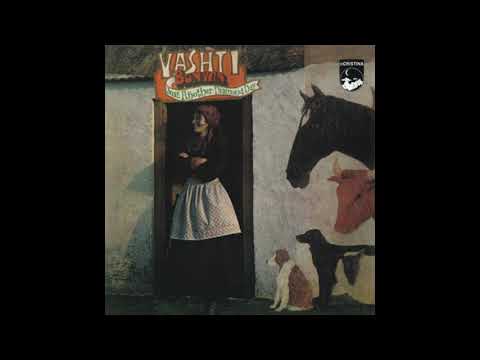
In 1970, Vashti Bunyan released Just Another Diamond Day, an album born from a slow, horse-drawn journey through the British countryside. Ignored upon release, leading Bunyan to walk away from the music industry for decades, the album has since become a mythical blueprint for freak-folk and baroque-pop.

Her voice does not fight the acoustic arrangements; instead, it floats like a delicate mist over fragile acoustic guitars, mandolins, and strings. It is a masterclass in the power of under-singing—proof that a whisper, when entirely pure and sustained, can outlast the loudest roar.

Listen on youtube:“Just Another Diamond Day”

YouTube video

She's music is forgotten in lots of long time. But talented musicians revaluation she's music. So she come back and make a few albums.

YouTube video

2. Stina Nordenstam

Sweden's Stina Nordenstam is an enigmatic force whose 1990s masterpieces, such as Memories of a Color and And She Closed Her Eyes, redefined the boundaries of avant-pop and vocal jazz. Often associated with a striking, childlike whisper, Nordenstam's voice possesses a deceptive, razor-sharp strength.

Set against rich, organic jazz double-basses, subtle horns, and unpredictable avant-garde arrangements, her voice never gets buried under the instrumentation. She commands the space between the notes, utilizing silence and restraint as physical textures. Her refusal to conform to traditional pop vocal dynamics makes her work feel completely detached from time.

Listen on youtube: “Memory of Color”

YouTube video

3. Susanna (Susanna and the Magical Orchestra)

The Cold Blue Light of Nordic Restraint

Deeply rooted in a jazz upbringing and releasing pivotal early work on the avant-garde Norwegian label Rune Grammofon, Susanna Wallumrød (along with keyboardist Morten Qvenild in their Magical Orchestra project) perfected the art of the sonic chill.

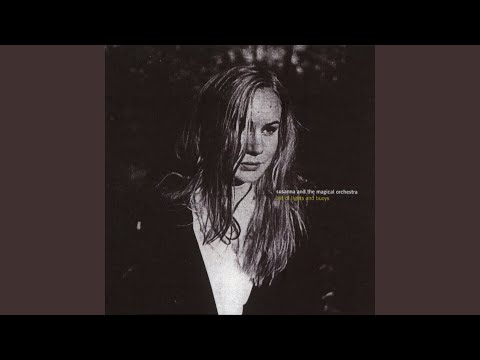
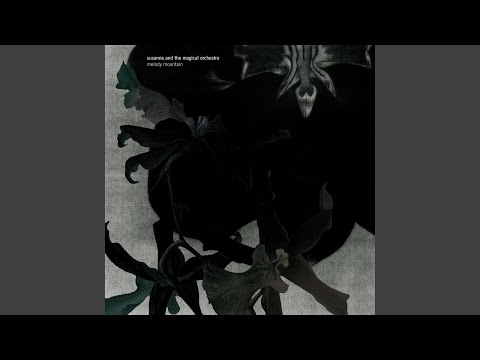
Whether navigating the icy, minimalist electronica of List of Lights and Buoys or stripping down iconic rock songs to their bare, acoustic skeletons on Melody Mountain, Susanna's vocal tone is a marvel of absolute control. Her delivery is cool and detached, yet anchored by an undeniable inner gravity. Like the spiritual lineage of ECM records, her music treats silence not as emptiness, but as the most beautiful sound next to a singular, piercing voice.

Key Track: “Who Am I” (Susanna and the Magical Orchestra)

YouTube video

Why she is well known

she's album is released from nordic minor label or jazz around label like Runa Gramfom. So she's music is not hear without nordic pop music listner. But she's talent is genius

YouTube video

概要: BBC Radio 3の深夜番組「Late Junction」は、ジョン・アダムズの次にシガー・ロスをかけ、その後シューベルトをかける。ジャンルも時代も国境も関係なく、ただ「耳に届いたときの体験の質」だけを選択基準にするプログラミングだ。この記事では、アルゴリズムでもなくプレイリストでもない、人間のキュレーションが音楽との出会いにどんな可能性をもたらすかを、Late Junctionという番組を軸に考える。

音楽を深く探求する者たちにとって、深夜のラジオは常に神聖な聖域であり続けてきた。しかし、アルゴリズムが音楽を「lo-fiスタディビーツ」や予測可能なストリーミングのムードプレイリストといった受動的なものへと商品化していく中で、真の意味でのアーティスティックなキュレーションは希少な贅沢になりつつある。

もしあなたの耳が、構造的な知性、生々しい音響的テクスチャー、そして徹底したジャンルへの反抗を渇望しているなら、ぜひ聴くべき放送上の金字塔がある。BBC Radio 3の「Late Junction」だ。

そのキャッチコピーがすべてを物語っている。「太古から未来へと続く、音楽の旅。冒険的なリスナーのための居場所。」

激動の歴史:ふたつの異なるヴィジョンを生んだ番組編成をめぐる闘い

今日のLate Junctionが持つ重みを理解するには、現在の形に至るまでの局内での闘いと、そこから生まれた姉妹番組について知る必要がある。

20年近くにわたり、Late Junctionは平日の複数夜にわたって放送される、BBC Radio 3の看板番組だった。あらゆる境界が消え去る、伝説的な領域だ。2019年、BBCの経営陣は大規模な番組編成の見直しと予算の再配分に乗り出し、Late Junctionの平日放送枠を大幅に削減する案を提示した。これに対する世界中の音楽コミュニティの反応は迅速かつ激烈だった。ブライアン・イーノ、ジャーヴィス・コッカー、ピーター・ガブリエル、そしてレディオヘッドのエド・オブライエンとフィル・セルウェイを含む、何百人ものアーティストや文化人が公開書簡に署名し、Late Junctionの過激なまでの自由を削ることは、独立系・実験的音楽にとっての生命線を断つことになると訴えた。

この妥協案は、単に番組を縮小しただけでなく、Radio 3の深夜帯のあり方そのものを再構築するものだった。Late Junctionは、毎週金曜の夜90分という、凝縮されたひとつの枠に集約された。そして空いた平日の夜の時間帯には、まったく異なる哲学に基づいて作られた新番組が割り当てられた。それがNight Tracksである。

Night Tracksを「より勇敢だったものに取って代わった、慰め程度の代替品」として捉えるのは簡単だ。しかしそれでは、この番組が実際にやっていることを過小評価してしまう。Night Tracksは「Late Junctionの劣化版」を目指して設計されたのではない。むしろ、Late Junctionがそもそも解決しようとしていなかった問題、すなわち「現代音楽やアンビエント、シネマティックなサウンドを、単なる作業用BGMではなく真摯な芸術として扱いながら、毎晩持続的で没入感のある深夜のリスニング環境をリスナーに提供するにはどうすればよいか」という問いに応えるために設計されたのだ。

フォーマット:ふたつの異なる、卓越したキュレーションのかたち

Late Junctionは今や週1回の枠に凝縮されたことで、そのキュレーションは驚くほど濃密なものになった。金曜の一回の放送の中で、この番組はルネサンス期のポリフォニーを生々しく時代考証に基づいて演奏したアーリーミュージック、北欧の前衛ジャズ即興演奏が持つ冷ややかな抑制、世界の辺境から届く飾り気のないトラディショナル・ミュージックのフィールドレコーディング、そして左翼的な実験音響アートを、軽々と接続してみせる。そこに学術的な気取りはない。番組は、400年前の宗教的な声楽作品が、先月地下スタジオで録音されたモジュラーシンセサイザーのトラックとまったく同じ精神的な重みと構造的な野心を持つものとして扱う。

一方Night Tracksは、これとは異なる、しかし同じくらい意図的な論理のもとに成り立っている。Late Junctionが摩擦と衝突を重んじるのに対し、Night Tracksは流れを重んじる。そしてそれは、技術の不在ではなく、れっきとしたキュレーションの技術なのだ。主にエリザベス・オールカーが担当するこの番組は、現代音楽やアンビエントの作曲家たちが現実のオーディエンスに届くための、イギリス国内でも有数の重要なプラットフォームとなっている。アーラン・クーパー、マックス・リヒター、ハニア・ラニ、フローティング・ポインツといったアーティストの初放送や新曲初出しは、しばしばNight Tracksから生まれてきた。多くのリスナーにとって、Night Tracksは入り口だ。Late Junctionの鋭い切れ味を受け止める準備が整う前に、真夜中にアンビエントや現代音楽を感情的に身近なものとして感じさせてくれる、最初の番組なのである。そのシームレスでムード主導のつなぎ方は妥協の産物ではない。それはジャンルの衝突ではなく、ペース、キー、テクスチャーを軸に組み立てられた、プレイリスト・アルゴリズムというよりもDJセットの構築に近い、ひとつの職人技である。

結論:ふたつの番組、ひとつのリスニング実践

このふたつの番組をライバル関係として捉えてしまうと、BBC Radio 3の深夜編成を特別なものにしている本質を見失う。それは、ひとつのモデルではなく、ふたつの異なる、しかし同じくらい真摯なキュレーションのモデルを提供しているという点だ。Night Tracksは、専門知識を必要とせずに現代音楽への入り口を求め、毎晩の没入を求めるリスナーに報いる。Late Junctionは、意図的なジャンルの衝突と未知の伝統音楽への、週に一度の深い潜行に挑む準備ができたリスナーに報いる。

BBC SoundsのオンデマンドアーカイブはGeoブロックが厳しいため、英国外のリスナーがどちらの体験も得たいと思うなら、信頼できるVPNは真っ当な投資といえる。自動レコメンドをオフにし、平日の夜はNight Tracksの没入的な流れのためにBBC Soundsを立ち上げ、金曜の夜はLate Junctionの意図的な衝突のために取っておこう。このふたつを併用することで、世界でも有数の完成度を誇る音楽探求の習慣が手に入るはずだ。

最近のNightTracksプレイリストの一つをお見せしよう

#曲名アーティスト
1China GatesJohn Adams
2Hoppipolla - The Tape VariationsSigur Rós
3Prelude Op. 9 No. 1Alexander Scriabin
4Talking RainLarry Chernicoff
5Ambient BeautyThomas Newman
6Shoulder Length (Solo Piano Version)Thomas Newman
7Love SceneGavin Bryars
8Syncopes (From "The Talented Mr Ripley")Gabriel Yared
9Der LeiermannFranz Schubert
10Improvisation on Der LeiermannFranz Schubert
11Winter 2Antonio Vivaldi & Max Richter
12White Landscapes, Op. 47a: I. Divination by SnowTakashi Yoshimatsu
13Come, Heavy SleepJohn Dowland
14Nocturnal After John Dowland, Op. 70: IX. Slow and QuietBenjamin Britten
154 Last Songs: No. 3, TiredRalph Vaughan Williams
16Lux AeternaIvo Antognini
17Near LightÓlafur Arnalds
18Innerglow Portal / Aqua Drawer LampImaginary Softwoods
19Handel: "Will the Sun Forget to Streak" from Oratorio 'Solomon', HWV 67George Frideric Handel
20Tilliboyo ("Sunset")Foday Musa Suso
21Di sera for 2 Oboes & Strings, P. 48Ottorino Respighi
22The LightGeorgia Duncan

このように、アメリカの偉大なミニマリズム作曲家ジョンアダムス、ポストロックの牽引者シガーロス、そして近代の偉大な作曲家シューベルトを同時にかけている番組はNightTracksだけだろう。ジャズやクラシックに詳しくない人はこの番組から入ると抵抗が少ないと思う。

The Illinois college students who once dissolved before becoming anyone have returned in 2026 — each living an ordinary life — to quietly step beyond the vessel of rock.

Prologue: The “Green House” Nobody Cared About

In 1999, in a corner of a college campus in Illinois, an album was quietly recorded. The budget was a mere two thousand dollars; the sessions lasted just four days. By the time recording began, the band had already entered dissolution mode — members were graduating, and the end was imminent. In the three years leading up to those studio sessions, they had played somewhere between fifteen and thirty live shows, most of them to a handful of people in half-empty rooms.

“Nobody cared about this band.”

As member Steve Holmes later recalled, their debut album — known colloquially as LP1 — was destined to be filed away in a drawer as a memento of youth, reaching no one, disappearing quietly alongside the close of their college years. What the underground scene of the time wanted was emo as punk: louder, more impulsive, more viscerally emotional.

[What is emo?] Short for “emotional hardcore,” emo emerged in the late 1980s as a branch of American hardcore punk. It retained the intensity of its parent genre while turning inward — breakups, loneliness, and identity crisis delivered with raw personal candor. By the 1990s, pop-inflected acts like Blink-182 and The Get Up Kids dominated the mainstream, but in the Chicago suburbs of Illinois — where American Football, Owen, and Cap'n Jazz all took shape — a subgenre called Midwest emo developed its own distinct character: complex guitar arpeggios, odd time signatures, an intellectual and introspective sensibility. The 2010s saw a global-scale reappraisal of these bands, widely referred to as the “emo revival” or the genre's third wave. American Football's sound — understated, quiet, labyrinthine — was entirely out of step with the spirit of its time.

Yet in the fourteen years of the band's absence, something strange happened in reverse. Through file-sharing software like LimeWire and early internet message boards, that green-house cover quietly became a cult scripture among serious music listeners, eventually circling back as a foundational “source text” for the emo revival bands of the 2010s.

When a reissue in 2014 prompted a reunion, what awaited them was a string of sold-out stages around the world. Nate Kinsella — cousin of Mike Kinsella — joined as bassist at this point, expanding the band from a trio to a quartet. The group that had dissolved in total obscurity returned to find itself a legend the world had been waiting for.

YouTube video

The Remarkable “Side-Project Professionalism”

What makes this band truly singular is that even after their miraculous reunion, they never returned to being full-time musicians.

Member Steve Lamos teaches as an associate professor of writing and rhetoric at the University of Colorado Boulder; Holmes works for a software company; frontman Mike Kinsella raises children while maintaining his solo project Owen. They can manage twenty to thirty live shows a year at most — grounded, practical people leading grounded, practical lives, running American Football as a full-fledged side project.

That sense of astonishment you felt listening to LP2how could something with this level of completeness have been made on the side? — is, from a structural standpoint, a perfectly logical outcome.

Kinsella has spoken of the “many compromises” involved in writing lyrics in the margins of work and parenting, scrawled out on tour buses under punishing schedules. But it is precisely because they have no need for the hungry ego or commercial calculation that comes with making a living from music that they are able to maintain — alongside the rhythms of daily life — a grownup's stoicism in controlling studio reverb and sound pressure down to the millimeter. The alternate tunings and polyrhythms they played in college, filtered through seventeen years of lived experience, had been refined into a species of fully controlled, quietly obsessive craftsmanship.

It should be noted that Lamos left the band in 2021 before returning in 2023, and has been involved in the making of LP4.

YouTube video

New Territory in 2026: Arpeggios Beyond the Fog

And then, in 2026, LP4 arrived — their first new record in seven years — more beautiful than anything they had made before, and further from their earlier sound than they had ever ventured.

The first thing that strikes the ear is the dramatic shift in sonic texture. The fresh, vivid indie-rock feel that once rang out from a campus corner has stepped back; in its place, a rich and deep acoustic space spreads outward, edging toward modern classical, electronica, post-rock, and ambient drone. The band has aged as people, and the musical vocabulary absorbed along the way has matured correspondingly — that much seems clear from the boldness of this expansion.

Thematically, too, LP4 carries a weight incomparable to anything before it. Polyvinyl has described the album as “relentlessly heavy,” noting that subjects like suicide, shame, divorce, addiction, self-loathing, and recovery often coexist within a single song. The lyricism of LP1, which charted the tremors of youth, has deepened into the raw, unfiltered reality of middle age.

Yet peel back that new acoustic fog one layer, and at the structural core of these songs — holding everything up — you will find the same “obsessively repeated arpeggios in alternate tunings, woven between two guitars” as always.

The roots of their music lie not in the impulse of punk but in a minimalism directly descended from Steve Reich: short phrases repeated, emotional contour drawn from subtle phase shifts and harmonic variations. That equation has not wavered, regardless of how much the surrounding texture has changed. One clear expression of this is LP4's “Desdemona,” built around a sustained rhythmic pulse drawn from Reich's landmark Music for 18 Musicians (1978) — the band's long-declared admiration for Reich finally inscribed into the skeleton of the music itself. For listeners who fell in love with the indie-rock energy of earlier records, this fog-laden sound may feel like a departure into too-distant territory. But for the band, it may represent a liberation from the monument they erected with their first album.

Those small, darting guitar arpeggios — once the vessel for the pain and unsteadiness of youth — now resound in 2026 like a loop that says: daily life goes on, quietly, but without question.

YouTube video

A Chain of Respect Across Generations

The fact that American Football's influence is inscribed not in critical endorsement alone, but in the actual actions of both contemporary and younger musicians, speaks to the essential strength of their music.

The most striking evidence of this is the 25th-anniversary tribute album for LP1, released in 2024. Featuring contributions from Iron & Wine, Manchester Orchestra, Blondshell, and others, the release drew particular attention for Ethel Cain's cover of “For Sure.” One of the most representative artists in the current alternative scene, Ethel Cain reached out and volunteered to cover the track herself, expanding the original's three minutes and sixteen seconds into a piece approaching ten minutes. “It's the song that always stands out to me when I put on the record,” she said, “and I immediately knew how to translate it into my own sound.” She added that “American Football is a band that etched themselves so deeply into an era with their debut — their musical storytelling has continued to inspire me in countless ways,” and the depth of her devotion is evident even in the music video for her own song “American Teenager,” whose typography and layout consciously echoes the cover design of LP1.

On LP4, the roster of collaborators reads as a map of the band's reach. Brendan Yates of Turnstile — a band at the front lines of the hardcore scene — was invited to join “No Feeling” as one voice in a choral ensemble, but when he tried an impromptu high-register harmony in the studio, his vocal presence lifted the song into an entirely different dimension. Kinsella recalled the moment as “everyone in the studio's jaw dropping.” That two artists from apparently separate contexts — emo and hardcore — could generate this kind of natural chemistry is itself proof that American Football operates beyond the boundaries of any particular genre.

The collaboration with Paramore's Hayley Williams on LP3 (2019) is legible in the same terms. Williams — who operates at the mainstream of pop-rock — agreed to appear on “Uncomfortably Numb” because she had simply been a longtime fan of American Football. And on LP4, Caithlin De Marrais of Rainer Maria — a peer from the same 1990s emo scene — also appears. Artists from different generations, each drawn to this band for their own reasons: that fact alone testifies to the rare and powerful magnetic field that is American Football.

3rd album is as good as others YouTube video

Epilogue: The Aesthetics of a Repeated Ordinary Life

Why does American Football's music lodge itself so deeply even in listeners who do not ordinarily listen to emo? Not because they are a band that detonates emotion.

There is something here that connects to the sadcore atmosphere of Red House Painters and Sun Kiel Moon — a raw authenticity that seals heavy feeling inside stillness. The slowly unspooling arpeggios they share with slowcore may be part of it. But the deeper reason is that this emotional truth is designed with cold precision through a minimalist “structure” that could almost be called mathematical.

A project that should have died completely is deified through the underground waterways of the modern internet, then breathed back to life in the margins of the adult lives its members now lead. What the 2026 record proves — quietly, and overwhelmingly — is that as the landscape of their lives has shifted, they have kept weaving, at the tips of their fingers, the same “aesthetics of repetition” they have carried since 1999, unchanged.

Reading the roles of Thom Yorke and Jonny Greenwood through Christopher O'Riley's transcriptions, and tracing the single thread that leads to their present-day solo work

Prologue: The Day Classical Listeners Went Looking for “Mr. Head”

In 2003, a strange wave of inquiries flooded NPR radio program From the Top. During a broadcast, listeners so moved by a piece the host-pianist had performed began writing in to ask: “Where can I find the beautiful music of this composer, 'Mr. Head'?”

“Mr. Head,” of course, was Radiohead.

The program's host, Christopher O'Riley, had been playing his own piano-solo arrangements of Radiohead songs — entirely unannounced, as if they were standard classical repertoire — in the same time slots he might otherwise fill with Debussy or Rachmaninoff miniatures. Classical listeners had assumed they were hearing music in the lineage of Bach or Debussy.

This “misidentification” is more than a charming anecdote. It stands as the most eloquent possible proof of the structural depth within Radiohead's music.

O'Riley: The “Eccentric” with Virtuoso Technique and Classical Intelligence

Christopher O'Riley is by no means an unknown amateur. He is a concert pianist who won prizes at all four of the world's premier competitions — Van Cliburn, Leeds, Busoni, and Montreal — and has performed with major orchestras including the New York Philharmonic, Los Angeles Philharmonic, and Philadelphia Orchestra. He began piano at age four, studied with Russell Sherman at the New England Conservatory, and has spent his career performing works of formidable technical demand: Prokofiev, Ravel, Shostakovich. That such a figure would turn his attention to Radiohead covers is itself remarkable.

O'Riley first encountered Radiohead in 1997, the year OK Computer was released. Stopped in his tracks by what he heard on the radio, he went on to devour not only official recordings but live bootlegs, B-sides, and unreleased material, eventually beginning to transcribe the music himself.

Five Players' Sound into One Piano: An Act of Near-Impossible Compression

Consider for a moment what this actually entails. Radiohead is a five-piece band: Thom Yorke on vocals and guitar; Jonny Greenwood on guitar, ondes Martenot, string arrangements, and electronic processing; Ed O'Brien on effects guitar; Colin Greenwood on bass; Phil Selway on drums. From OK Computer onward, this is further layered with Mellotron, electronic sound processing, and sampling — in effect, a fusion of rock band, electronic music, and chamber ensemble operating in multiple simultaneous strata.

O'Riley compresses all of this into a piano solo. Two hands. One sustain pedal.

He has spoken frankly about the difficulty: “My Radiohead transcriptions are among the most difficult things in my repertoire — including Prokofiev's Piano Concerto No. 2.” He cited a particular two-bar passage in “There There”: “It's roughly equivalent to the hardest moment in the Prokofiev concerto. It just happens forty times in a row.”

So what, concretely, is O'Riley doing?

First, there is voice redistribution. In Radiohead's music, vocal melody, guitar countermelody, and bassline run simultaneously as independent voices. O'Riley redistributes these across the full range of the piano: the vocal line sings in the upper register of the right hand, while the left hand supports bass and rhythm, and the middle register weaves in the guitar's countermelody. The voice-separation techniques used in playing Bach inventions and fugues find direct application here.

Then there is the translation of electronic texture. The floating quality of Jonny Greenwood's ondes Martenot; the “fog” created by Ed O'Brien's delay pedal; the inhuman quality of Yorke's electronically processed vocals — none of these seem reproducible on a purely physical instrument like the piano. O'Riley creates resonance and tonal blending through meticulous sustain pedal control, and approximates the electronic “roughness” by strategically placing dissonant harmonies. Critics have described this technique as “a translation deploying Ravel's harmonic sensibility and Shostakovich's use of dissonance.”

Finally, there is rhythmic reconstruction. The polyrhythms and syncopations of Phil Selway's drumming are transplanted to the left hand — but a mere transplant would be flat. Through what critics have called a “rhythmically unstable left hand,” O'Riley conveys the groove of the drums through variations in touch and subtle fluctuations of tempo.

He has described what draws him to Radiohead's music this way:

“Not one member of Radiohead may be able to read music. But each of them brings a thread of a particular idea or motive to a song. It's very similar to the interplay of multiple voices in a Bach fugue or a Shostakovich fugue.”

This perception is precisely what separates his arrangements from mere covers. Rather than simply “reducing” five players' worth of sound, he preserves the essential contrapuntal structure and rebuilds it across eighty-eight keys. It is an act of deconstruction and reassembly — work that only becomes visible through classical training.

O'Riley also knew that not every song could be translated. When he told Yorke, “I can't imagine playing 'Pyramid Song' on piano unless you're singing it,” that was a judgment: without Yorke's vocal as a voice, the heart of the piece disappears. Deciding which songs to choose and which to leave alone was itself part of O'Riley's art as an arranger.

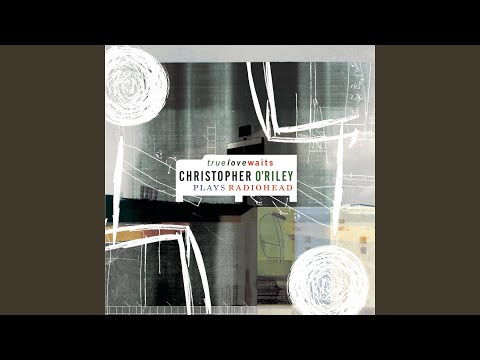
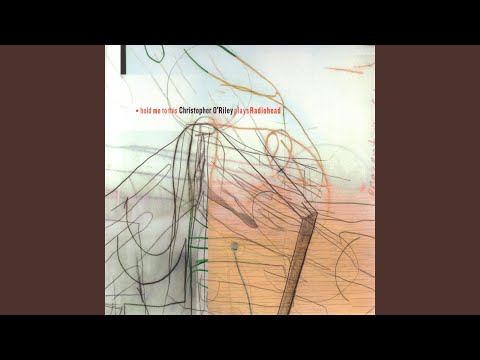
True Love Waits: Christopher O'Riley Plays Radiohead, released in 2003, earned four stars from Rolling Stone — a rating that, by all accounts, had effectively never before been awarded to a classical recording by that publication.
YouTube video

YouTube video

O'Riley and Thom Yorke: An Encounter of Self-Deprecation and Admiration

In the period around the album's release, O'Riley had the opportunity to speak directly with Thom Yorke. The record of that conversation illuminates both the nature of Radiohead's music and Yorke himself.

As O'Riley was preparing the cover album, mutual acquaintances warned him: “Don't be surprised if they hear your versions and say, 'Why would you bother covering us?'”

What O'Riley actually found when he met Yorke was a figure completely unlike his expectations.

When O'Riley mentioned, “I'm arranging a 1997 version of 'Lift' — I prefer the older version,” Yorke replied without hesitation: “Good. The new version is shit.” This unsparing self-criticism was entirely characteristic.

When O'Riley said he couldn't imagine playing “Pyramid Song” without Yorke singing it, Yorke shot back immediately: “Meaning it's only good if I ruin it?”

When O'Riley observed, “On its own, 'How to Disappear Completely' might just be guitar and vocals — ordinary, even. But the cloud of quarter-tone strings Jonny layered over it is what makes it unique,” Yorke fell quiet and smiled — barely, but unmistakably. It was the expression of someone who had just heard articulated something he himself had never put into words.

O'Riley later reflected: “He was an extraordinarily humble, self-deprecating person. We just spent the time talking about his wonderful music.”

O'Riley subsequently met the full band in Amsterdam, in a considerably more relaxed atmosphere. A kind of mutual respect had formed between the group working collectively and the pianist who engaged with their songs alone.

What this encounter reveals is that Yorke values his own music less than anyone else — not out of false modesty, but from the insatiable dissatisfaction with one's own work that perfectionism inevitably produces. The same impulse that drove him to push the rest of the band through the ordeal of Kid A in pursuit of a new direction.

The Bends (1995): The Completion of a Musical Identity, and the “Structure” Already Present

The multi-voiced structure that O'Riley identified in Radiohead was not confined to OK Computer and the experimental work that followed. It was already present, in embryonic form, with The Bends.

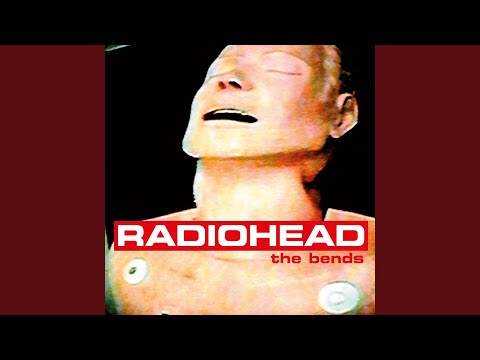
The Bends was released in March 1995 and reached number four on the UK Albums Chart. Five singles were released from it: “High and Dry” peaked at UK number 17, “Fake Plastic Trees” at 20, “Just” at 19, and the final single “Street Spirit (Fade Out)” at number 5. “Street Spirit” outperformed the previous benchmark of “Creep,” demonstrating that Radiohead were no one-hit wonder. The album ultimately went four-times platinum in the UK and platinum in the US.

More significant than the chart numbers is the fact that The Bends established Radiohead's compositional mode as a band. On Pablo Honey, nearly every song had been written by Yorke alone; on The Bends, each member's voice began for the first time to act autonomously. The guitar part of “Just” was constructed by Jonny Greenwood deploying an octatonic scale across four octaves, with the solo pitch-shifted into the upper register via a DigiTech Whammy pedal — an entirely original approach. “(Nice Dream)” began with Yorke's simple four-chord skeleton, which O'Brien and Greenwood then fleshed out by adding their own parts. “Fake Plastic Trees” was completed by a reversed process: producer John Leckie recorded a solo take of Yorke playing acoustic guitar, and the band then built up sound over it. “Black Star” was recorded on a day when Leckie was absent, with an engineer then still relatively new to the band — Nigel Godrich — sitting at the controls. That session marked the beginning of a lifelong partnership: Godrich would go on to produce every subsequent Radiohead record.

This diversification of creative roles gave each song independent voices of its own. In the Britain of 1995, dominated by Britpop at its peak, The Bends pointed in an entirely different direction from the nostalgic rock of Oasis. Pitchfork would later describe the Yorke–Jonny Greenwood songwriting partnership of this period as “comparable to Lennon–McCartney or Jagger–Richards.” Garbage and R.E.M. began naming Radiohead as a favourite band; The Cure contacted them to ask about the sonic approach of the album, hoping to apply it to their own work.

That O'Riley actively covered The Bends material is consistent with this reading. The track listing of True Love Waits (2003) includes five songs from the album: “Fake Plastic Trees,” “Bulletproof... I Wish I Was,” “Black Star,” “Thinking About You,” and “You.” Choosing The Bends songs alongside the experimental material from OK Computer onward says something important about O'Riley's curatorial eye: in his view, Radiohead's musical depth did not spring into existence with OK Computer. The multi-voiced structure of The Bends already warranted translation to the piano in its own right.

AllMusic's critic wrote of O'Riley's covers of The Bends material: “Darker, quieter numbers like 'Bulletproof' and 'Motion Picture Soundtrack' translate particularly well to the piano.” The introspective stillness of those songs and their interlocking voices have a natural affinity with the instrument — which is itself evidence that, even at this stage, Radiohead was already writing music that did not depend solely on “the sound of a rock band.”
YouTube video

What Is Radiohead: An “Accidental Fugue” in Five Voices

What, precisely, does O'Riley mean when he speaks of a “Bach-like structure”?

The essence of a Bach fugue is that multiple independent voices move simultaneously while organically interweaving. Each voice functions not as accompaniment but as an equal participant bearing its own subject. Radiohead's five members likewise each carried an irreplaceable “voice.”

Thom Yorke is the primary source of the songs' skeletal framework, lyrics, and melody. He writes the bones of a song at the piano and brings it to the band. His vocal functions as an independent melodic voice that contends with the instrumental ensemble on equal terms.

Jonny Greenwood is the figure who brought the sensibility of contemporary classical music into the band: guitar textures, string arrangements, ondes Martenot, electronic processing — he designed what might be called “the acoustic space around the song.” When O'Riley observed that “it's the cloud of quarter-tone strings Jonny layered over 'How to Disappear Completely' that makes it unique,” and Yorke responded with a faint smile, the significance of that voice was something Yorke understood better than anyone.

Ed O'Brien creates “fog” and “space” in the sound through effects and guitar texture. A single choice of delay pedal setting can transform the entire acoustic environment of a track.

Colin Greenwood's basslines function not as simple low-end support but as an independent melodic voice with its own movement. The bass on Kid A's “Dollars and Cents” originated as improvisation he played while listening to Alice Coltrane records.

Phil Selway's drumming carries a jazz-inflected flexibility; rather than merely marking time, it engages in dialogue with the other voices.

Crucially, this “fugal structure” was never a deliberate design. Most band members cannot read music. Yet the musical intuitions and experiences each brought to the table accidentally produced something closely approximating what Bach constructed as formal theory: counterpoint arrived at unconsciously.

That said, none of this was yet in place on Pablo Honey (1993), where Yorke wrote the songs and the band performed them — straightforward alternative rock under the influence of Pixies and Dinosaur Jr. The autonomous voices began to emerge on The Bends (1995) and fully flowered on OK Computer.
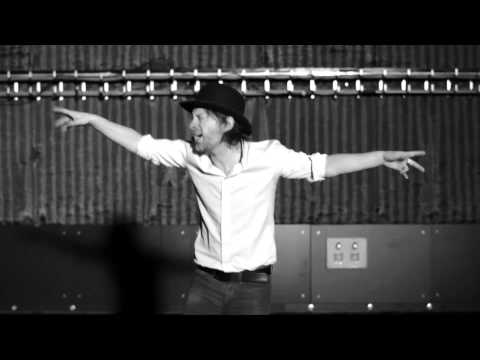
YouTube video

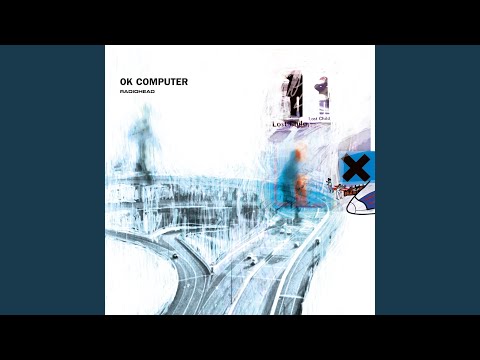
OK Computer (1997): The Moment Electronica's Shadow Falls

After the The Bends tour, Radiohead spent long stretches on the tour bus listening to Miles Davis's Bitches Brew (1970). Jonny recalled:

“In a sense we were arrogant. We'd listen to a record like Bitches Brew and want to do that — even though none of us owned a trumpet or had any desire to play one. There was an arrogance in thinking, 'Oh, we can do something like that.'”

Yorke explicitly named Bitches Brew's “unbelievably dense and terrifying sound” as the starting point for OK Computer. He also cited Ennio Morricone, the krautrock band Can, and DJ Shadow's sampling techniques as influences.

At this stage, the electronica influence is still germinal. The opening of “Airbag” had Phil Selway's drums recorded for sixteen minutes, then a few-second loop extracted and processed on a Macintosh to form the rhythmic core. The second half of “Karma Police” was rebuilt by Yorke and Godrich alone using samples and loops — a dry run for Kid A.

But OK Computer is fundamentally still collective work. Influences were shared; everyone was aligned on the direction.
YouTube video

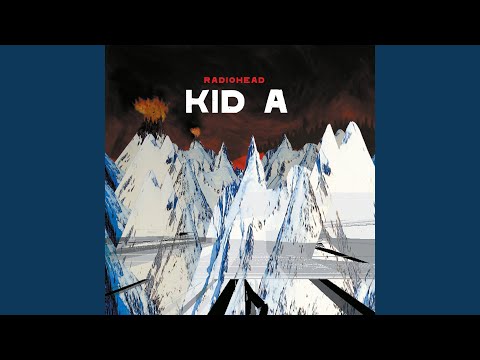
Kid A (2000): The Moment Yorke Nearly Broke Radiohead

After the global success of OK Computer, Yorke experienced a strange sense of loss. The emergence of Travis, Coldplay, and other bands imitating his sound provoked a visceral reaction; he stopped listening to rock entirely.

Walking the cliffs of Cornwall, what he listened to obsessively was Warp Records: Aphex Twin, Autechre, Boards of Canada. He would later describe Aphex Twin as having “opened another world to me — one that didn't need my electric guitar.”

The new material Yorke brought to sessions was incomplete: driven by sound and rhythm, often lacking lyrics or conventional structure. Jonny feared it would become “art for art's sake rock.” Colin couldn't warm to its coldness. Even producer Godrich was disoriented; other members seriously considered leaving. Yorke has acknowledged this directly:

“The other members couldn't figure out what to contribute. When you're working on synthesizers, you lose the sense of being in the same room as other people. I made it nearly impossible for everyone.”

Yet even here, the “accidental fugue” found a way to function. “Idioteque” began when Jonny handed Yorke a fifty-minute improvisation on modular synthesizer; Yorke found a forty-second fragment he felt was “absolute genius” and built the entire song around it. It was a moment where Yorke's electronic impulse and Jonny's acoustic design merged.

Kid A is the record made while the band was on the verge of collapse. And that experience prepared the ground for what came next.
YouTube video

The Eraser (2006): The Solo Work as Necessary Exit

After the Hail to the Thief (2003) tour, Radiohead entered a period of hiatus. During that time, Yorke sat alone with a laptop and began making music — music that became the 2006 solo album The Eraser.

This was not a rejection of Radiohead. Jonny said: “He needed to put this out. Everyone was glad he did.” Yorke himself repeatedly emphasised at the time of release: “I'd always wanted to do something like this. It came together easily and quickly. Radiohead is not breaking up.”

Most of the songs on The Eraser were pieces that had “not fit” within Radiohead — personal fragments of electronic music written in hotel rooms and on planes, material that couldn't be contained within the band's frame. The experience of pushing the rest of the band to their limits during Kid A had led to a simple resolution: the next electronic impulse would be followed alone, without bringing the band along.

Yorke went on to form the electronic band Atoms for Peace, and more recently launched The Smile with Jonny Greenwood. The Smile has been described as a freer and wilder project drawing more heavily on jazz, krautrock, and progressive rock.

YouTube video

Epilogue: A Chain of Fugues

A single line comes into focus.

Just as American Football's arpeggios, born on a midwestern night, drew inspiration from Steve Reich's minimalism. Just as O'Riley found Bach's fugues in Radiohead's music. Just as Yorke heard in Bitches Brew “something that accumulates while falling apart.”

Perhaps the depth of music lies in this: the same structural principle repeating across different eras, cultures, and forms, undeterred by the boundaries of genre. What O'Riley's piano demonstrated is the fact that Radiohead occupied a place beyond the frame of “rock band.”
post-rockというジャンルがある。多重レイヤーの音が絡み合い、ギターが幾重にも重なり、通常のバンド編成では不可能なはずのテクスチャーが広がる音楽だ。Godspeed You! Black EmperorやMogwaiが世界的な評価を得て以降、このジャンルはある種の「壮大さ」と結びついて語られることが多い。スタジオで音を積み上げ、エフェクトを重ね、DAWで緻密に構築された音の建築物——それがpost-rockのひとつの定型になった。

だが、オハイオ州Kentから現れたバンド、The Six Parts Sevenはまったく異なるやり方でそれをやってのけた。

人間が集まって、音を鳴らした

The Six Parts Sevenは1995年、KarpinskiブラザーズのAllen(ギター)とJay(ドラム)によって結成された。1997年にギタリストのTim Gerakが加わり、以降はメンバーが流動しながらも核となる三人を中心に活動を続けた。

このバンドの楽器編成が独特だった。複数のクリーントーン(歪みなし)エレキギター、ベース、ドラム。そこにエレクトリック・ラップスティールギター、ビブラフォン、グランドピアノ、ときにビオラやトランペットまで加わる。コードをかき鳴らすのではなく、それぞれの楽器が単音のメロディラインを担い、それが絡み合うことでサウンドが立ち上がる。

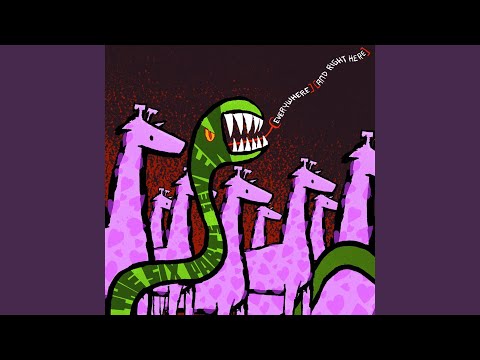
重要なのは、これがDAWによる多重録音ではなく、実際に複数のミュージシャンがスタジオに集まって演奏した音だということだ。2004年のアルバム Everywhere and Right Here はクリーブランドのMagnetic Northスタジオで録音されている。ライブ映像がほとんど残っていないため、その全貌を映像で確認することは難しい。だが少なくとも、DAWで何十テイクも録り直して組み上げたような音ではない。人間が部屋に集まり、耳を傾け合いながら鳴らした音がそのまま作品になっている——その手触りが、このバンドの音楽の本質だ。

Suicide Squeeze Records、そして静寂

The Six Parts Sevenが在籍したSuicide Squeeze Recordsは、1996年にシアトルで設立されたインディーレーベルだ。Elliott SmithやModest Mouseのシングルから始まり、The Black Keys、Russian Circles、Iron & Wineなども名を連ねた、インディー界では誠実な評価を得るレーベルだった。

それでも、The Six Parts Sevenの音楽は届かなかった。

NPRの報道番組 All Things Considered のBGMや転換音楽として彼らの曲が使われていたという事実が、その立ち位置を象徴している。音楽は流れた。でも名前は残らなかった。あるレビュアーはこう書いている——「ボーカリストがいないせいで、このバンドはいつも見過ごされてきた。Sigur Rósがあれほど人気なのは、誰もアイスランド語を理解できなくてもヴォーカリストの存在がある種の引力を生むからだ。Six Parts Sevenがその見えない線を越えられるかどうか、私にはわからない」と。

2008年、バンドは活動休止状態に入った。

Everywhere and Right Here(2004)

このアルバムが彼らの到達点だ。8曲、いずれもインストゥルメンタル。5分を超える曲が多く、反復とわずかな変化によって聴き手を静かに深いところへ連れていく。

「What You Love You Must Love Now」「Already Elsewhere」「A Blueprint of Something Never Finished」——曲名自体が詩のように機能している。音だけで語り、音だけで余韻を残す。ラップスティールの甘い音色、ビブラフォンの澄んだ響き、複数のギターが作る立体的なハーモニー。これだけの楽器を、エレクトロニクスに頼らず人間の演奏で成立させている。

YouTube video

合わせて聴くべき作品

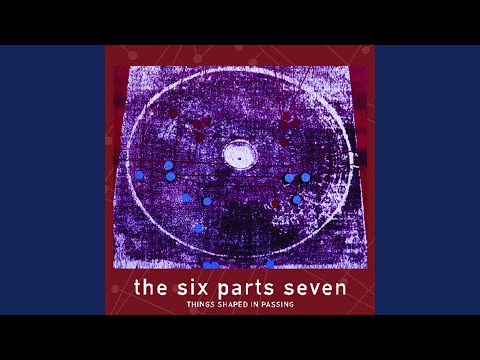
Things Shaped in Passing(2002)はSuicide Squeeze移籍後の初作。ヴァイナルは500枚限定プレスという小さなリリースながら、Discogsでは「インストゥルメンタル・ロック史上最も重要なアルバムのひとつ」という声もある。ラップスティールとピアノが加わり、バンドのサウンドが最初に完成した形で記録された一枚だ。AV Clubはこのアルバムを「注意深く聴く者にとっては、荒涼としながらも美しい風景への短い精神的な旅」と評した。

YouTube video

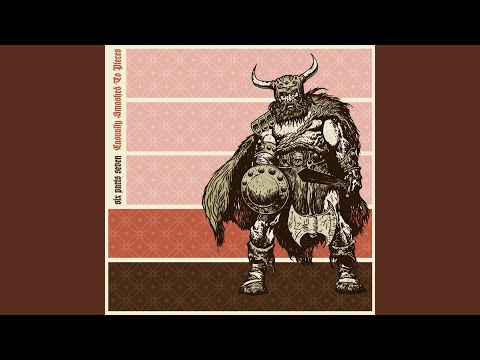
Casually Smashed to Pieces(2007)は最後のスタジオアルバム。シアトルのStudio Lithioとオハイオのアクロンで録音され、多くのゲストミュージシャンを迎えた集大成的な作品。バンドはこの翌年に活動休止に入る。

YouTube video

大きな声で語られることなく、しかし確かな完成度とともに存在した音楽がある。The Six Parts Sevenはそういうバンドだった。

Christopher O'Rileyのトランスクリプションから読み解く、Thom YorkeとJonny Greenwoodの役割分担、そして現在のソロ活動へと続く一本の道筋

プロローグ:クラシック音楽の聴衆が「Mr. Head」を探した日

2003年、アメリカのNPRラジオ番組「From the Top」に奇妙な問い合わせが殺到した。番組の途中、ホストのピアニストが演奏した曲に感銘を受けたリスナーたちが、「この”Mr. Head”という作曲家の美しい音楽はどこで入手できますか」と尋ねてきたのだ。

「Mr. Head」とは、もちろんRadioheadのことだった。

番組ホストのChristopher O'Rileyは、DebussyやRachmaninoffの小品を弾く時間枠に、Radioheadの曲をピアノ独奏にアレンジしたものをクラシック曲のように無告知で演奏していた。クラシック音楽の聴衆は、それをバッハやドビュッシーの系譜に連なる音楽だと思って聴いていたのだ。

この「誤認」は、単なる面白いエピソードではない。Radioheadの音楽が持つ構造的な深さを、これ以上なく雄弁に証明している。

O'Riley:超絶技巧とクラシック的知性を持つ「変わり者」

Christopher O'Rileyは、けっして無名のアマチュアではない。Van Cliburn、Leeds、Busoni、モントリオールという国際ピアノコンクールの最高峰すべてで受賞し、ニューヨーク・フィル、ロサンゼルス・フィル、フィラデルフィア管弦楽団など主要オーケストラと共演を重ねたコンサートピアニストだ。4歳からピアノを始め、ニューイングランド音楽院でRussell Shermanに師事した。プロコフィエフ、ラヴェル、ショスタコーヴィチという高度な技巧を要する作品を演奏し続けてきた人物が、Radioheadのカバーに向かったのだ。

彼がRadioheadを知ったのは1997年、OK Computer発売の年だった。ラジオで偶然耳にしたその音楽に打ちのめされたO'Rileyは、以来Radioheadの公式音源だけでなく、ライブブートレグ、B面曲、未発表音源まで聴き尽くし、みずから採譜を始めた。

5人分の音をピアノ1台へ:不可能に近い圧縮作業

ここで立ち止まって考えてほしい。Radioheadは5人組のバンドだ。Thom Yorkeのボーカルとギター、Jonny Greenwoodのギター・オンドマルトノ・弦楽アレンジ・電子処理、Ed O'Brienのエフェクトギター、Colin Greenwoodのベース、Phil Selwayのドラム。しかもOK Computer以降は、これらに加えてMellotron、電子音響処理、サンプリングが加わる。事実上、ロックバンドと電子音楽と室内楽が融合した多層構造だ。

O'Rileyはこれをピアノ独奏に圧縮する。右手と左手、そして足のペダル操作だけで。

O'Riley自身がこの困難さについて明言している。「自分のRadioheadのトランスクリプションはレパートリーの中で最も難しい部類に入る。プロコフィエフのピアノ協奏曲第2番も含めて」。彼は”There There”のある2小節を例に挙げ、「プロコフィエフ協奏曲の最難所とほぼ同じだ。それが40回続くだけだが」と語っている。

では具体的に、O'Rileyは何をしているのか。

まず声部の再配分だ。Radioheadの楽曲では、ボーカルメロディー、ギターの対旋律、ベースラインという複数の独立した声部が同時進行する。O'Rileyはこれらをピアノの音域全体に再配置する。ボーカルラインを右手の高音域で歌わせながら、左手でベースとリズムを支え、中音域でギターの対旋律を織り込む。バッハのインベンションやフーガを弾くときの声部分離技術が、ここで直接応用される。

次に電子的テクスチャーの変換だ。Jonny Greenwoodのオンドマルトノが生み出す浮遊感、Ed O'Brienのディレイペダルが作る「霧」、電子処理されたYorkeのボーカルが持つ非人間的な質感。これらはピアノという純粋に物理的な楽器では再現不可能に見える。O'Rileyはサステインペダルを精緻にコントロールすることで残響と音の溶け合いを作り出し、和声の不協和音を戦略的に配置することで電子的な「ざらつき」を模倣する。音楽評論家はこの技術を「ラヴェル的なハーモニー感覚とショスタコーヴィチ的な不協和音の使い方を駆使した翻訳」と表現している。

さらにリズムの再構築がある。Phil Selwayのドラムが刻むポリリズムやシンコペーションは、ピアノの左手に移植される。しかしただ移植するだけでは平板になる。O'Rileyは「リズム的に不安定な左手」と評されるアプローチで、ドラムのグルーヴ感をピアノのタッチの強弱と微妙なテンポの揺れで表現する。

彼はRadioheadの音楽の魅力についてこう説明している。

「Radioheadのメンバーの誰一人として譜面が読めないかもしれない。しかし、それぞれが特定のアイデアや動機という糸を曲に持ち込んでいる。それはバッハのフーガやショスタコーヴィチのフーガにおける複数の声部の絡み合いと、よく似ている」

この認識こそが、彼のアレンジをただのカバーと区別するものだ。5人分の音を単純に「減らす」のではなく、その声部構造の本質を保ちながら88鍵の上に再構築する。それは楽曲の解体と再組立であり、クラシック音楽の訓練なしには見えてこない作業だ。

ただしO'Riley自身も「すべての曲がピアノに翻訳できるわけではない」と知っていた。「”Pyramid Song”はあなたが歌わない限り、ピアノで弾こうとは思えない」とYorkeに伝えたとき、それはYorkeのボーカルという声部を失ったときに曲の核心が消えてしまうという判断だ。どの曲を選び、どの曲を避けるか。その編曲者としての眼力もまた、O'Rileyの技術の一部だった。

2003年にリリースされたTrue Love Waits: Christopher O'Riley Plays RadioheadはRolling Stone誌で4つ星を獲得した。クラシック作品としてRolling Stoneに4つ星をつけられたのは、事実上このアルバムだけだと言われている。

YouTube video

YouTube video

O'RileyとThom Yorke:自己卑下と賛辞が交錯した邂逅

アルバムのリリース前後、O'RileyはThom Yorkeと直接言葉を交わす機会を得た。その会話の記録が、Radioheadという音楽の本質と、Yorkeという人物の両方を照らし出している。

O'Rileyがカバーアルバムを準備していた頃、Radioheadをよく知る友人たちは彼にこう警告したという。「彼らが君のバージョンを聴いて、”なんでわざわざ我々をカバーするんだ”と言っても驚かないほうがいい」。

実際にYorkeと対面したO'Rileyが発見したのは、想像とは全く異なる人物像だった。

O'Rileyが「1997年バージョンの”Lift”を編曲しています。古いバージョンのほうが好きで」と伝えると、Yorkeはこともなげに言い放った。「それは良かった、新しいバージョンはクソだから」。自分の曲に対するこの容赦ない自己評価が、Yorkeの一貫した姿勢だった。

さらにO'Rileyが「”Pyramid Song”はあなたが歌わない限り、ピアノで弾こうとは思えない」と言うと、Yorkeは間髪入れずに返した。「つまり、私が台無しにしなければいいんでしょ」。

O'Rileyが「”How to Disappear Completely”はギターとボーカルだけでは凡庸かもしれない。しかしJonnyが重ねた四分音のストリングスのクラウドがこの曲をユニークにしている」と語ったとき、Yorkeは黙ってわずかに微笑んだ。その微笑みには、自分では言語化しなかった何かを言い当てられた人間の表情があった。

O'Rileyはこの出会いをこう振り返っている。「非常に謙虚で自己卑下的な人物だった。ただ彼の素晴らしい音楽について話して過ごした」。

その後、O'RileyはアムステルダムでRadioheadのメンバー全員とも顔を合わせた。こちらはよりフレンドリーな雰囲気だったという。バンドとして活動する彼らと、一人でRadioheadの曲に向き合い続けるピアニストの間に、ある種の相互尊重が成立していた。

この出会いが示すのは、Yorkeが自分の音楽の価値を誰よりも低く見積もっているということだ。しかしその謙遜は、偽りの謙遜ではなく、完璧主義者が必然的に陥る「自作への飽くなき不満」から来ている。Kid Aで他のメンバーを困難に追い込んでまで方向を変えようとしたのも、その同じ衝動からだろう。

The Bends(1995年):音楽性の完成と、すでにそこにあった「構造」

O'RileyがRadioheadに見出した多声部的な構造は、OK Computerやそれ以降の実験的な作品だけに宿っているわけではない。それはThe Bendsの時点で、すでに萌芽的に完成していた。

The Bendsは1995年3月にリリースされ、全英アルバムチャートで4位を記録した。シングルは5枚リリースされ、「High and Dry」が全英17位、「Fake Plastic Trees」が同20位、「Just」が同19位、そして最終シングル「Street Spirit (Fade Out)」が同5位を記録した。「Street Spirit」はそれまでの「Creep」を超えるチャート成績を収め、Radioheadが一発屋ではないことを証明した。アルバムは最終的に全英4倍プラチナ、全米プラチナを達成した。

チャートの数字よりも重要なのは、The BendsがRadioheadのバンドとしての作曲形態を確立した作品だということだ。Pablo Honeyではほぼ全曲をYorkeが書いていたのに対して、The Bendsでは各メンバーの声部が初めて自律し始めた。「Just」のギターパートはJonny Greenwoodが4オクターブにわたるオクタトニックスケールを駆使して作り上げ、DigiTech Whammyペダルでソロを高音域にピッチシフトするという独創的なアプローチを取った。「(Nice Dream)」はYorkeのシンプルな4コードの骨格に、O'BrienとGreenwoodがパートを追加して膨らませた。「Fake Plastic Trees」はYorkeが一人でギターを弾いたテイクをLeckieが録音し、そこにバンドが音を積み重ねるという逆転した方法で完成した。さらに「Black Star」はLeckieが席を外した日に、当時まだエンジニアだったNigel Godrichがバンドと録音した曲で、この日を起点にGodrichはRadioheadのすべての作品を手がける生涯のプロデューサーとなっていく。

こうした分業の多様化が、各曲に独立した声部を持たせる素地を作った。The BendsはBritpopが全盛を誇った1995年のイギリスにおいて、Oasisのような「懐古的なロック」とは全く異なる方向を向いていた。後にPitchforkはこの時期のYorkeとJonny Greenwoodのパートナーシップを「Lennon=McCartneyやJagger=Richardsに匹敵する」と評した。GarbageやR.E.M.がRadioheadを好きなバンドとして挙げ始め、The Cureはこのアルバムの音作りを自分たちの作品に応用したいと問い合わせてきたほどだ。

O'RileyがThe Bendsの曲を積極的にカバーしたことは、この見立てと一致している。True Love Waits(2003年)のトラックリストには、The Bendsから「Fake Plastic Trees」「Bulletproof...I Wish I Was」「Black Star」「Thinking About You」「You」が収録されている。OK Computer以降の実験的な楽曲と並べてThe Bendsの曲を選んだことは、O'Rileyの選曲眼が語ることとして重要だ。彼にとってRadioheadの音楽的深みはOK Computer以降に突然生まれたものではなく、The Bendsにおいてすでに十分にピアノ独奏へと翻訳するに値する多声部的構造を持っていた。

AllMusicの批評家はO'RileyのThe Bends曲のカバーについて「”Bulletproof”や”Motion Picture Soundtrack”のような暗くて落ち着いたナンバーは特にピアノへの翻訳がうまく機能している」と評した。これらの曲が持つ内省的な静けさと声部の絡み合いは、ピアノという楽器の特性と親和性が高い。逆にいえば、この時代のRadioheadがすでに「ロックバンドのサウンド」だけに依存しない音楽を書いていたことの証左でもある。

YouTube video

Radioheadとは何か:5声部からなる「偶然のフーガ」

O'Rileyが指摘した「バッハ的構造」とは、具体的にどういうことか。

バッハのフーガの本質は、複数の独立した声部が同時進行しながら有機的に絡み合うことにある。各声部は「伴奏」ではなく、主題を持った対等な存在として機能する。Radioheadの5人もまた、それぞれが代替不可能な「声部」を担っていた。

Thom Yorkeは曲の骨格・歌詞・メロディーの主要な発信源だ。ピアノで曲の骨格を書きバンドに持ち込む。彼のボーカルは独立したメロディー声部として機能し、楽器群と拮抗する。

Jonny Greenwoodはクラシック現代音楽の素養を持ち込んだ存在だ。ギターのテクスチャー、弦楽アレンジ、オンドマルトノ、電子処理など「曲の外側の音響空間」を設計した。O'Rileyが「”How to Disappear Completely”はJonnyが重ねた四分音のストリングスのクラウドがこの曲をユニークにしている」と指摘したとき、Yorkeが微かに微笑んだことは先に述べた。その「声部」の重要性を、誰よりもYorke自身が知っていた。

Ed O'Brienはエフェクトとギターのテクスチャーで音の「霧」や「空間」を作る役割を担う。ディレイペダルの使い方一つで、楽曲全体の音響空間が変わる。

Colin Greenwoodのベースラインは単純な低音ではなく、独立したメロディー的な動きを持つ声部として機能する。Kid Aの「Dollars and Cents」のベースラインは、彼がAlice Coltraneのレコードをかけながら即興で弾いたものが原型だ。

Phil Selwayのドラムはジャズ的な柔軟性を持ち、拍を刻む以上に他の声部と対話する。

重要なのは、この「フーガ的構造」が意図的な設計ではなかったことだ。バンドメンバーの多くは譜面を読めない。しかしそれぞれが持ち寄る音楽的直感と経験が、偶然にもバッハが理論として構築した多声部音楽に近い何かを生み出した。「無意識に生まれた対位法」とでも呼ぶべき現象だ。

ただし、Pablo Honey(1993年)の段階ではそこまで至っていない。この時期はYorkeが書いた曲をバンドが演奏するという段階で、PixiesやDinosaur Jr.の影響下にある普通のオルタナロックだった。各メンバーの声部が自律し始めたのはThe Bends(1995年)から、そして完全に開花したのがOK Computerだった。

YouTube video

OK Computer(1997年):エレクトロニカの影が差し込む瞬間

The Bendsのツアーを終えたRadioheadは、バスの中でMiles DavisのBitches Brew(1970年)を聴き続けていた。Jonnyはこう回想している。

「ある意味で僕らは傲慢だった。Bitches Brewのようなレコードを聴いて、それをやりたいと思った。誰もトランペットなど持っていないし弾きたくもないのに、”ああ、あれに近い何かができる”という傲慢さがあった」

YorkeはOK Computerの出発点を「Bitches Brewの信じられないほど密で恐ろしいサウンド」だと明言した。また、Ennio Morricone、クラウトロックバンドのCan、DJ Shadowのサンプリング技術も影響源として挙げた。

この段階ではエレクトロニカの影響はまだ萌芽的だ。「Airbag」の冒頭でPhil Selwayのドラムを16分間録音し、そこから数秒のループをMacintoshで加工してリズム構造の核にした。「Karma Police」の後半は、YorkeとGodrichが二人だけでサンプルとループを使って再構築した。これが後のKid Aへの「前哨戦」となった。

しかしOK Computerは根本的にはまだバンドの共同作業だ。影響を共有し、全員が「どこへ向かうか」に同意していた。

YouTube video

Kid A(2000年):YorkeがRadioheadを壊しかけた瞬間

OK Computerの世界的成功のあと、Yorkeは奇妙な喪失感を経験した。Travis、Coldplayなどの後続バンドが自分たちのサウンドを模倣し始めたことに激しく反応し、ロックを聴くのを完全にやめた。

彼がコーンウォールの断崖を歩きながら聴き続けたのは、WarpレーベルのAphex Twin、Autechre、Boards of Canadaだった。後にAphex Twinを「自分のエレクトリックギターを必要としない別の世界を開いてくれた」と評している。

Yorkeが新曲を持ち込むとき、歌詞もなく、サウンドやリズムだけで構成された不完全なものばかりだった。Jonnyは「ただ芸術のための芸術的なロックになるのではないか」と恐れた。Colinはその「冷たさ」が好きになれなかった。プロデューサーのGodrichでさえ戸惑い、他のメンバーは脱退を真剣に考えた。Yorke自身も後に認めている。

「他のメンバーたちは何を貢献すればいいかわからなかった。シンセサイザーで作業していると、他の人と同じ部屋にいる感覚がなくなる。私は全員の人生をほぼ不可能にしてしまった」

しかしここにも「偶然のフーガ」が機能した瞬間がある。「Idioteque」はJonnyがモジュラーシンセサイザーで作った50分の即興演奏をYorkeに渡し、Yorkeがその中から40秒の断片を「絶対の天才だ」と感じて曲全体を構築したものだ。Yorkeの電子音楽的衝動とJonnyの音響的設計力が融合した瞬間だった。

Kid Aはバンドが崩壊しかけながらも生み出した作品だ。そしてその経験が、次の決断を準備した。

YouTube video

The Eraser(2006年):ソロ活動へ、必然としての出口

Hail to the Thief(2003年)のツアーを終えた後、Radioheadは休止期間に入った。Yorkeはその間に一人でラップトップと向き合い、音楽を作り始めた。それが2006年のソロアルバムThe Eraserになる。

これはRadioheadへの反発ではなかった。Jonnyは「彼がこれを出す必要があった。みんな喜んでいた」と語っている。Yorkeもリリース時に「ずっとこういうことをやってみたかった。楽しくてあっという間にできた。Radioheadは解散しない」と繰り返し強調した。

The Eraserの曲の多くは、Radioheadに「収まらなかった曲」だった。ホテルや飛行機の中で書かれた、バンドのフレームに入りきらない個人的な電子音楽の断片。Kid Aの制作でバンドを困難な状況に追い込んだ経験が、「次の電子音楽的衝動はバンドを巻き込まずに一人でやろう」という判断に繋がった。

その後YorkeはエレクトロニックバンドAtoms for Peaceを結成し、さらに近年はJonny GreenridgeとThe Smileを立ち上げた。The Smileはより多くのジャズ、クラウトロック、プログレッシブロックの影響を取り込んだ、より自由でワイルドなサウンドのプロジェクトだと評されている。

YouTube video

エピローグ:「フーガ」の連鎖

一本の線が浮かぶ。

中西部の夜に生まれたAmerican Footballのアルペジオが、Steve Reichのミニマリズムからインスピレーションを受けていたように。O'RileyがRadioheadの音楽にバッハのフーガを見出したように。YorkeがBitches Brewに「壊れながら積み上がる何か」を感じたように。

音楽の深さとは、ジャンルの垣根を超えて、同じ構造原理が異なる時代・文化・形式において反復されることかもしれない。O'Rileyのピアノが示したのは、Radioheadが「ロックバンド」という枠を超えた場所にいたという事実だ。