What Inspired Me

unknown music lover from Japan. This blog wrote in both Japanese and English.

Words Came Before the Music

Natalie Merchant was born in 1963 in Jamestown, New York. Her parents divorced when she was seven, and after her mother remarried, the family moved to a commune in upstate New York. The women she met there became the foundation of who she would become.

“I fell in love with those people,” she has said. “They were artists. They were ladies that didn't shave their legs. They lived alone and fed the wood stove in the winter, and they were strong.”

She grew up in a house without television. At sixteen, she dropped out of high school and enrolled in community college. Outside the classroom, she read books and discovered folk music — picking up a copy of Harry Smith's Anthology of American Folk Music from the library was the door that led her to singing. It wasn't hours of guitar practice that shaped her; words and reading came first. Her eye for people pushed to the margins of society was already forming in those years.

10,000 Maniacs — The Band's Voice, Her Own Words

In 1981, seventeen-year-old Natalie joined a Jamestown band called Still Life. The band soon renamed themselves 10,000 Maniacs, and Natalie took on the roles of lead vocalist and primary lyricist.

From her teenage years, her songwriting stood apart. Forgotten figures from history, the guilt of a bystander watching a child be abused (“What's the Matter Here”), an unwanted pregnancy (“Eat for Two”) — the practice of using pop songs as a vehicle for social and historical subjects was there from the very start of her career, and it never left.

The band hit their peak between 1987 and 1993, with In My Tribe, Blind Man's Zoo, and Our Time in Eden all charting in the top tier of the US charts. At their 1993 MTV Unplugged session, they covered “Because the Night,” the song co-written by Bruce Springsteen and Patti Smith. Natalie's intimately conversational delivery made the cover the band's biggest hit, reaching No. 11 on the Billboard Hot 100, and brought her name to a much wider audience.

That same year, she announced she was leaving. Her stated reason: a lack of creative control over the music she wrote. She chose to break free from the machinery of a band that had grown large around her and to stand entirely on her own as a singer-songwriter.

Patti Smith's original (written by Bruce Springsteen) Patti Smith — Because the Night

10,000 Maniacs' cover 10,000 Maniacs — Because the Night

Tigerlily — A Voice Written in Complete Freedom

Her 1995 solo debut Tigerlily was the first album Natalie made with total creative freedom.

The result was stunning. “Carnival,” “Wonder,” and “Jealousy” charted on the Billboard Hot 100 in succession, and the album went on to sell over five million copies. But the commercial success gave Natalie something beyond fame — it gave her the financial and psychological independence to spend the rest of her career ignoring label pressure and pursuing social activism and artistic experimentation entirely on her own terms.

“Wonder,” in particular, was written as a tribute to twin girls Natalie had come to know personally, both born with epidermolysis bullosa (EB), a rare and painful genetic condition that causes the skin to blister at the slightest contact. Natalie has said she didn't know who the song was about when she wrote it — she discovered the twins afterward, formed a deep friendship with them, and stayed close until they died in their twenties. The song's universal message later inspired R.J. Palacio's YA novel Wonder, and was played over the end credits of the 2017 film adaptation.

The success of “Wonder” was no accident. The same gaze she had learned from the strong women of the commune — a way of seeing people the world had pushed aside — was what moved audiences. As a rare example of an artist who achieved both artistic integrity and commercial success simultaneously, Tigerlily remains the defining album of Natalie Merchant's career.

Natalie Merchant — Wonder

“Wonder” (1995, from Tigerlily). Written as a tribute to twin girls born with epidermolysis bullosa (EB). Its universal message inspired R.J. Palacio's novel Wonder and was used in the end credits of the 2017 film of the same name.

Poetry and Politics — A Maturing Voice

After going solo, Natalie moved steadily away from chart positions and toward the music she actually wanted to make.

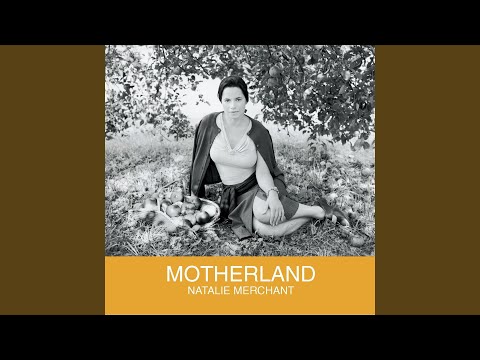
Motherland (2001) brought her political and social consciousness to the foreground, and Leave Your Sleep (2010) saw her set the poems of various poets to music — an unconventional project by any measure. The freedom that Tigerlily's success had created made these uncommercial artistic experiments possible. She drifted from the mainstream, but her influence can be heard clearly in the generation of thoughtful singer-songwriters that followed — Colin Meloy of The Decemberists, Weyes Blood, and others who share her instinct for literary, socially conscious songwriting.

The album's title track, “Motherland,” is a desperate prayer to be held and sheltered from the encroaching concrete of modern life. Its repeated refrain — a plea to be cradled, lulled to sleep, kept safe — reads not as simple nostalgia but as a direct confrontation with the alienation of contemporary society. The song was completed just days before September 11, 2001. Merchant later said: “I was far more cynical when I wrote it. But now the song has become the death of nostalgia and dreams.” An act of violence rewrote the meaning of a song she had already finished — and that fact alone speaks to how wide a net her writing casts.

🔗 Read the full lyrics to “Motherland” on Genius
Natalie Merchant — Big Girls

On “Big Girls” from Keep Your Courage (2023), a duet with Black vocalist Abena Koomson-Davis, she sings of women holding each other up through the storm. Her eye for those pushed to the margins has not dimmed past sixty.

Losing Her Voice, Finding It Again

In 2019, Natalie was visiting the V&A Museum in London when her arm suddenly went numb. Back home, tests revealed she had OPLL (ossification of the posterior longitudinal ligament) — a degenerative spinal condition in which the ligaments of the spine calcify and compress the spinal cord, potentially leading to paralysis in severe cases. Emergency surgery was unavoidable.

The operation lasted six hours. Surgeons made an incision in her throat, moved her vocal cords aside, and removed three bones from her spine. When she came around, she couldn't sing.

“It took me to a place of panic,” she has said. “It made me wish I had made more records.”

For ten months, her voice didn't return. While that silence stretched on, the pandemic closed over the world. Natalie found a collection of poetry by Robin Robertson, and words began to move through her throat again. She started writing songs. The result was Keep Your Courage (2023).

Peter Asher, who had produced her work years earlier, said: “I've been a fan for decades, but this might be her greatest album.” The chart numbers don't match the heights of Tigerlily's commercial peak. But in an album made after losing her voice, getting it back, and turning sixty, there is something that no chart position could measure.

Natalie Merchant — Keep Your Courage

“Keep Your Courage” (2023). Her first collection of original songs in nine years, born from the silence of spinal surgery and the solitude of a pandemic.

The Gaze That Never Changed

Her voice has aged. But the core of how she sings has not.

The style of speaking directly to the listener, the eye for those the world has pushed aside, the ability to fold feminism and social consciousness into music people actually wanted to hear — all of it has been there since the day a seventeen-year-old walked into a Jamestown band rehearsal, and none of it has left.

A girl who dropped out of high school, was shaped by the strong women of a commune, and found her way into music through a library record collection has been speaking to the world for over forty years. Is there a voice like that in your own life — one that has never quite changed?
Description: Sting's 2006 Songs from the Labyrinth is easy to dismiss as a celebrity detour into classical territory. It is the opposite. Dowland was not a classical composer in any modern sense—he was a singer-songwriter whose melodies mapped the exact contour of a sigh, writing what Sting himself called “400-year-old pop songs.” This piece explores what made Dowland's music so enduringly strange: the pre-equal-temperament tuning that required lutenists to reposition gut-string frets by ear before every piece, the way his signature melancholy offered sanctuary rather than despair, and why stripping away operatic formality actually returned these songs to their original DNA.

If you are looking for the perfect acoustic soundtrack to soothe a tired mind or provide a calm, intimate backdrop for your workday, look no further than Sting's 2006 album, *Songs from the Labyrinth*. Released under the prestigious classical label Deutsche Grammophon, this project isn't a mere rock star pop-cover gimmick. It is a deeply respectful, profound deep-dive into the melancholic world of the Renaissance composer, John Dowland (1563–1626).

At first glance, a modern rock icon and a Renaissance lute composer might seem worlds apart. However, looking closer reveals why this hidden gem feels so incredibly natural—and why it beautifully captures the true, populist essence of early music.

The Uncanny Parallels: Sting and John Dowland

Sting's adaptation works so brilliantly because the two artists share a striking amount of common ground:

  • The Renaissance Singer-Songwriter: We often treat Dowland like a rigid “classical” composer, but in his day, he was the definitive singer-songwriter. He wrote catchy, deeply emotional melodies meant to be sung directly to an audience, mirroring exactly what Sting has done for decades in rock and jazz.
  • The Cult of Melancholy: In late Elizabethan England, there was a massive cultural trend celebrating intellectual “melancholy”—the art of leaning into beautiful sadness. Dowland was the absolute king of this vibe. Sting, with his signature smoky, gravelly voice, perfectly channels that exact raw, human weariness.
  • The Populist Impulse: Both artists share a deep instinct for writing melodies that connect directly with ordinary people—not the academy or the concert hall. Sting himself described Dowland's songs as “400-year-old pop songs,” a framing that captures exactly why this collaboration feels so natural.

The Timeless Genius of John Dowland: More Than Just Melancholy

To understand why this collaboration feels so poignant, one must understand the sheer brilliance of Dowland himself. In an era dominated by rigid sacred music, Dowland was a radical melodist. He possessed an almost supernatural gift for writing hooks—breathtakingly beautiful, cascading lines that capture the exact contour of a sigh.

While his motto was famously “Semper Dowland semper dolens” (Always Dowland, always mourning), his sadness was never oppressive. It was empathetic. Dowland's music didn't wallow; it offered a sanctuary. It was the Renaissance equivalent of a late-night ambient record—a gentle validation of human vulnerability that feels less like a performance and more like a shared confidence in the dark. That is why his melodies haven't aged a day in four centuries.

Before Equal Temperament: The Artisan's Tuning

To truly understand the haunting atmosphere of Dowland's music, we have to look at how sound was managed before the dawn of modern music theory.

Dowland lived in an era long before J.S. Bach and the standardization of Equal Temperament (the modern system where an octave is divided into 12 mathematically equal parts). Instead, the Renaissance relied on systems like Meantone Temperament, where certain chords sounded breathtakingly pure and perfectly resonant, while other keys were so severely out of tune they were completely unusable.

Because of this, tuning was entirely left to the discretion and craftsmanship of the individual lutenist.

Unlike a modern guitar with fixed metal frets, a Renaissance lute uses frets made of gut strings tied around the neck. Players literally had to slide these frets millimeter by millimeter by ear before every single piece. They adjusted the frets to match the specific key of the song, ensuring that the primary chords achieved a pure, beating-free resonance. Dowland and his contemporaries also used the natural tension of slightly “imperfect” intervals to create deliberate, bitter dissonances that beautifully mirrored human grief and emotional tension.

The Lute's Evolution: From Intimate Intonation to Solo Virtuosity

This artisan approach to tuning perfectly served how the instrument actually functioned in society, and how its purpose shifted over time.

The Original Form: The Art of Self-Accompaniment

In the 16th century, Dowland's massively successful songbooks were published with a brilliant layout design. A single page contained the main melody, the lute notation, and alternative vocal parts printed upside down and sideways around the edges. This allowed a single person to sit down and perform a “lute song” as a raw, acoustic, intimate solo act—or let a small group gather around a single table to harmonize.

The Shift to Solo Virtuosity

As these vocal songs became nationwide blockbusters, a shift occurred. Musicians and Dowland himself began thinking, “These melodies are incredible; let's arrange them so the lute can play all the vocal parts simultaneously without a singer.”

Over the decades, this transformed the lute into a highly complex, polyphonic solo instrument. By the time of the late Baroque era, it had evolved into a vehicle for mind-bending, purely instrumental solo virtuosity.

The Triumph of Sting's Approach

Because history eventually viewed the lute as a complex, classical solo instrument, modern listeners are used to hearing Dowland performed by operatic, pristine vocalists standing far away on a recital stage. By stripping away the operatic pretense and pairing a smoky, casual voice with the lute, Sting actually restored these songs to their original, authentic 400-year-old DNA.

The Master and the Apprentice

While Sting spent years practicing the grueling, highly specific technique required to play the lute's dense strings, he knew his limits. He wisely brought in Edin Karamazov, one of the world's premier master lutenists, to anchor the album's breathtaking instrumental framework.

Throughout the record, you hear Karamazov weaving a flawless tapestry of sound, while Sting steps in to sing with an approachable, conversational warmth—even joining in on secondary lute duets.

If you want an early music experience that skips the textbook lecture and goes straight for the emotional gut, put on Songs from the Labyrinth. It is the ultimate testament to the fact that beautiful, melancholic songwriting is entirely timeless.

Going Deeper: The World of Pure Solo Lute

If Sting's album serves as your gateway and you find yourself wanting to explore the pure, wordless magic of solo lute music, you must check out the early music specialists.

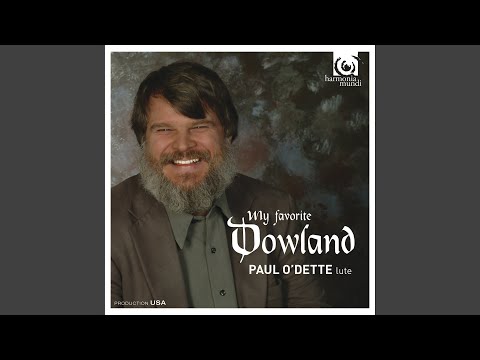
For the absolute definitive solo Dowland experience, Paul O'Dette's masterpiece album, My Favorite Dowland (Harmonia Mundi), is the ultimate gold standard. O'Dette is an absolute legend of historical performance practice who captures the breathing space, the tactile warmth of fingers on gut strings, and the profound emotional depth of Dowland's compositions. Without needing a single lyric, his fingers weave the pure, unadulterated essence of Elizabethan melancholy.

You can experience the exquisite textures and hushed beauty of his solo performances directly via the link below:

YouTube video

If you want an early music experience that skips the textbook lecture and goes straight for the emotional gut, put on Songs from the Labyrinth or dive into O'Dette's solo catalog. It is the ultimate testament to the fact that beautiful, melancholic songwriting is entirely timeless.

On May 29, 1997, in Memphis, Tennessee, Jeff Buckley walked down to Wolf River — a tributary of the Mississippi — with a friend. He was in town recording his second album. He waded into the water fully clothed and disappeared. His body was found six days later. He was thirty years old. The autopsy found no alcohol or drugs in his system. The fact that he was still dressed when he entered the water is among several details that have never been fully explained. That mysterious end has only deepened the legend of a man who left behind just one album.

That album was Grace, released in 1994.

A Music of Unlikely Mixtures

Jeff Buckley was born in 1966 in Anaheim, California. His father was the folk singer Tim Buckley, but Jeff was raised apart from him and the two had almost no relationship. He eventually made his way to New York, where he built a following playing solo at a small East Village club called Sin-é, and signed with Columbia Records. Grace came out in August 1994.

What makes Grace such a singular record is its musical promiscuity. The hard rock intensity of Led Zeppelin, the soul and jazz of Nina Simone, the spiritual vocal ecstasy of Pakistani qawwali singer Nusrat Fateh Ali Khan — all of it was somehow channeled through one voice and one guitar. Buckley once described himself in his own press bio as “the warped lovechild of Nina Simone and all four members of Led Zeppelin.”

YouTube video

The album's most celebrated track is a cover of Leonard Cohen's “Hallelujah.” Cohen wrote the original in 1984, a work dense with religious and poetic weight. Buckley's direct reference point, however, was not Cohen's version but the spare 1991 recording by former Velvet Underground member John Cale — piano only, stripped of the synth-heavy original arrangement. Buckley took that as his starting point and rebuilt the song into something entirely his own: sensual, almost unbearably fragile, yet emotionally overwhelming. Today, when people say “Hallelujah,” they mean Buckley's version. The cover has eclipsed the original.

YouTube video

“Lover, You Should've Come Over” is perhaps the most purely lyrical moment on the record — the side of Buckley that was above all a songwriter. The vocal delicacy and the density of the words occupy the same space without crowding each other.

YouTube video

Why Britain Claimed Him

Grace sold poorly in the United States on release. In Britain, the reaction was different. Critics recognized something singular in it immediately, and a devoted audience followed. David Bowie cited it in Pulse as one of the albums he would take to a desert island. Bono called Buckley “a pure drop in an ocean of noise” in the U2 fanzine Propaganda and dedicated multiple shows on the PopMart tour to him.

Part of what drew British audiences to Buckley was the nature of his voice itself. A staggering four-octave range, an absolute commitment to emotional honesty, and the freedom to move between falsetto and full-throated power without it ever sounding mannered — it spoke directly to what British rock in that moment was reaching for.

Legacy Part One: Thom Yorke and “Fake Plastic Trees”

On September 1, 1994, Radiohead and their producer John Leckie attended a Jeff Buckley show at The Garage in London. They were in the middle of recording The Bends and struggling. Buckley played alone — just a Telecaster and a pint of Guinness. Bassist Colin Greenwood later recalled it in an interview with Uncut: “It was just fucking amazing, really inspirational.”

The next day, Yorke went back into the studio and recorded “Fake Plastic Trees” alone on acoustic guitar. He played three takes and then burst into tears. He didn't want to use the recordings — “too vulnerable,” he said. His bandmates convinced him otherwise. Those takes became the final version. Producer Leckie described what the Buckley concert had unlocked: “It made him realize you could sing in a falsetto without sounding dripping.”

YouTube video

Legacy Part Two: Chris Martin and “Shiver”

In a 2008 interview on BBC Radio 1, Coldplay's Chris Martin was asked about the band's debut single “Shiver.” His answer was unambiguous: “It's a blatant Jeff Buckley attempt. Not quite as good, that's what I think. We were 21 and he was very much a hero, and as with those things it tends to filter through.”

In a separate interview, Martin went further: “One of the key people who's responsible for us being a band is probably Jeff Buckley. His music was so powerful — that's when we were getting the band together, and I certainly found a lot of inspiration in it, to the point of trying to actually sound like him for at least the first few singles.”

YouTube video

Where His Voice Reached — Further Testimonies

Radiohead and Coldplay are only the most documented cases. The reach of Grace extended well beyond them, across generations and genres.

Jimmy Page (Led Zeppelin) In a 2003 interview, Page said: “Nothing has had the impact on me that Jeff Buckley did.” He and Robert Plant made a point of going to see Buckley live, and Page described the experience as “absolutely scary.” Watching Buckley play in standard tuning what seemed impossible, he said: “I thought, oh gee, he really is clever, isn't he?”

Elton John When asked by Mojo to name his all-time favourite album, John cited Grace: “Like an album made by someone from another planet.”

Bono (U2) Listening to “Hallelujah” on the radio, Bono said: “I was just envious — just raw envy.” He singled out Buckley's 22-second held note and added: “For me, as a singer, it's very humbling.”

Chrissie Hynde (The Pretenders) “He was such a great guitar player, Jeff. When someone is a good singer and songwriter you tend to overlook that, but he was a shit-hot guitar player — he really blew us away that night when we saw what he was really up to with the guitar.”

Matt Bellamy (Muse) Bellamy acquired the Fender Telecaster Buckley had used on stage and in the studio. “I didn't buy it to hang it on the wall,” he said, “but to actually use it and keep this guitar part of music. I'd like to believe that's what Jeff would have wanted.”

The Unfinished

When Buckley died, the sessions for his second album — working title My Sweetheart the Drunk — had barely begun. The demos and studio recordings that existed were released posthumously as Sketches for My Sweetheart the Drunk, but no one listening could mistake them for a finished work.

With a single album, Buckley changed the course of British rock. An American, he reached into the heart of the British scene and left his mark on some of its most defining music. What he might have made next is a question that will never have an answer. Which is perhaps why Grace keeps sounding the way it does — like something that isn't finished yet.

There is a genre called post-rock. Layers of sound interweave, guitars stack upon guitars, and textures emerge that seem impossible for any ordinary band to produce. Since Godspeed You! Black Emperor and Mogwai earned their worldwide reputations, the genre has been associated with a certain kind of grandeur — sound accumulated in the studio, effects piled on effects, sonic architecture meticulously constructed in a DAW. That became one of post-rock's defining templates.

But a band from Kent, Ohio called The Six Parts Seven did something else entirely.

Human Beings, Gathered Together, Making Sound

The Six Parts Seven was founded in 1995 by the Karpinski brothers — Allen on guitar and Jay on drums. Tim Gerak joined as a second guitarist in 1997, and from there the lineup remained fluid, though the three of them stayed at the core.

Their instrumentation was distinctive: multiple clean-toned (undistorted) electric guitars, bass, and drums, joined by electric lap steel guitar, vibraphone, grand piano, and occasionally viola or trumpet. Rather than strumming chords, each instrument carried a single-note melodic line, and the sound arose from the way those lines intertwined.

What matters is that this was not the product of DAW-based overdubbing — it was the sound of real musicians gathered in a real studio. Everywhere and Right Here (2004) was recorded at Magnetic North in Cleveland. Little live footage survives, so the full picture is hard to verify from video alone. But this is not music assembled from dozens of retakes and edited together in a DAW. It is the sound of people in a room, listening to each other, playing — and that is what gives it its particular texture.

Suicide Squeeze Records, and Silence

The Six Parts Seven released their records on Suicide Squeeze Records, an independent label founded in Seattle in 1996. It began with singles from Elliott Smith and Modest Mouse, and over time its roster came to include The Black Keys, Russian Circles, and Iron & Wine — a label with genuine standing in the indie world.

And yet The Six Parts Seven never broke through.

The fact that their music was regularly used as background and transition music on NPR's All Things Considered says everything about where they stood. The music played. The name never stuck. One reviewer put it plainly: the band tended to be overlooked because it had no vocalist. Sigur Rós, he noted, owed much of its popularity to the presence of a singer — even one singing in Icelandic that almost no one could understand, that voice created a kind of gravity. Whether Six Parts Seven would ever cross that invisible line, he wasn't sure.

In 2008, the band went on indefinite hiatus.

Everywhere and Right Here (2004)

This is their finest work. Eight instrumental tracks, most running over five minutes, drawing the listener quietly deeper through repetition and subtle variation.

“What You Love You Must Love Now.” “Already Elsewhere.” “A Blueprint of Something Never Finished.” The titles function like poetry. The music speaks only in sound, and leaves its resonance only in sound. The sweet tone of the lap steel, the clear ring of the vibraphone, the layered harmonics of multiple guitars moving together. All of it achieved without electronics, through nothing but human performance.

YouTube video

Further Listening

Things Shaped in Passing (2002) was their first album for Suicide Squeeze. The vinyl pressing was limited to 500 copies — a modest release by any measure — yet one Discogs commenter called it “one of the most important instrumental rock albums ever recorded.” With the addition of lap steel and piano, it was the first record to capture the band's sound in its fully realized form. AV Club described it as offering “the attentive listener a brief mental vacation to a stark but scenic landscape.”

YouTube video

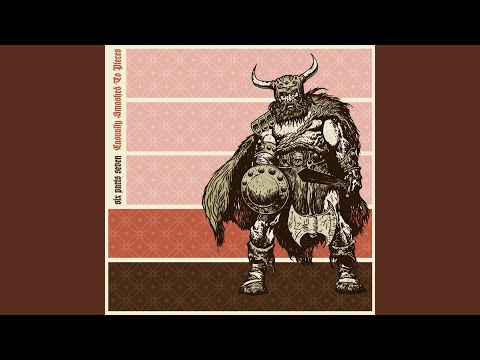
Casually Smashed to Pieces (2007) was their final studio album, recorded at Studio Litho in Seattle and the Ice House in Akron, Ohio, with a wide cast of guest musicians. The band entered hiatus the following year.

YouTube video

There is music that was never spoken of loudly, yet existed with an unmistakable completeness. The Six Parts Seven were that kind of band.

概要: 繰り返しは、なぜ人の意識を変容させるのか。スティーヴ・ライヒがフェイジング技法で発見した「ループのわずかなずれが生み出すトランス状態」と、ベルリン・テクノがクラブフロアで実践してきた神経学的な操作は、本質的に同じ原理を共有している。この記事では、反復と単調さが「退屈」ではなく「脳のハック」として機能するメカニズムを、二つの音楽運動の交点から読み解く。

部屋でじっと座って聴いていると、それはときに「やや単調」に聴こえる。メロディやドラマチックなサビを徹底的に拒絶した、ストイックなまでの反復。しかし、この退屈の一歩手前にある響きこそが、人間が300年以上かけて積み上げてきたヨーロッパの古いオーケストラ伝統をひっくり返し、聴き手の脳の認知システムを直接ハッキングするための恐るべき装置であるとしたらどうだろうか。

現代音楽の最高峰であるスティーヴ・ライヒと、ベルリンのアンダーグラウンドを震撼させ続けるエレン・エイリアン(Ellen Allien)。住む世界も時代も全く異なる二人が、それぞれのやり方で到達した「知覚の流れの変容とトランスの構造」を紐解く。そしてその先に、両者が一本の見えない糸で結ばれていることが浮かび上がってくる。

1. 2台のテープレコーダーから始まった革命:スティーヴ・ライヒの背景と経歴

1936年ニューヨーク生まれ。スティーヴ・ライヒは、戦後の現代音楽が「難解で緻密な数式のような前衛音楽(無調音楽やセリエリズム)」へ向かう中、それとは全く別のベクトルへ舵を切ったミニマリズムの先駆者のひとりだ。同時期にはラ・モンテ・ヤング、テリー・ライリー、フィリップ・グラスらがいたが、ライヒはその中でも際立って「身体的なパルス」への執着を持った作曲家だった。

コーネル大学で哲学を修め、ジュリアード音楽院やミルズ・カレッジで作曲を学んだライヒのバックグラウンドは、学術的なエリートのそれでありながら、常に「身体的なパルス」と結びついていた。14歳のとき、初めてケニー・クラークの演奏を聴いて打楽器に目覚め、地元の名ドラマーであるローランド・コールホフ(のちにニューヨーク・フィルのティンパニ奏者)に師事した。その後アフリカ(ガーナ)の打楽器やバリ島のガムランといった民俗音楽の儀式的なループ構造を現地でフィールドワークしながら研究したことが、彼の音楽の血肉となっている。

テープの位相(ズレ)から『18人の音楽家のための音楽』へ

電子楽器やシンセサイザーがまだ普及していなかった1960年代半ば、ライヒは偶然の機材のエラーから、自身の音楽の生涯の核となる「フェージング(位相のズレ)」を発見する。

初期の実験作『It's Gonna Rain』(1965)や『Come Out』(1966)において、彼は同じ音声(声の断片)を録音した2台のオープンリール・テープレコーダーを同時に再生した。マシンの個体差によってミリ秒単位で速度が狂い、2つのループの位相が徐々にズレていく。

YouTube video

【ライヒのテープ・ハック】
ループA: [■■■■■■■■]
ループB: [ ■■■■■■■■]  ※わずかに速度が遅れ、ズレていく

ここでライヒは、脳がバグるような怪奇現象を目撃する。同じ音がズレて重なり合った結果、音と音の隙間(デッドスペース)が噛み合い、元々のテープには録音されていなかったはずの「幻のメロディや、存在しない新しいリズム」が勝手に脳の中で鳴り始めるのだ。人間の脳は、予測できないパターンのズレに直面したとき、それを補完しようとして勝手に新しい音を自給自足し始めてしまう。

これは単なる「錯聴」ではない。一定の反復刺激にさらされ続けた脳が、その流れのパターンを先読みしようとして過剰適応を起こす——そこに「ズレ」という予期しない変化が差し込まれると、知覚の流れそのものが書き換えられ、現実とは異なる音の風景が立ち現れる。この「知覚の流れの変容」こそが、ライヒの音楽がトランス状態へと人を誘う根本的なメカニズムだ。

この、テープというテクノロジーで見つけた「位相のズレによる知覚の変容」を、人間の肉体(アコースティック楽器)を使って極限までスケールアップさせた結実が、彼の最高傑作『18人の音楽家のための音楽(Music for 18 Musicians)』(1976)である。

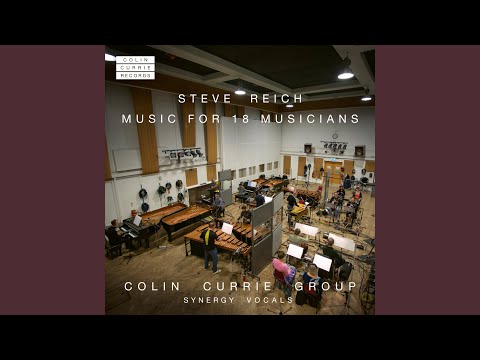
ちなみに、もしこのパルスによる脳のハックを今から体験するなら、コリン・カリー・グループ(Colin Currie Group)による録音を強く薦めたい。かつてライヒ自身が、彼らの演奏を「自分たちが演奏したもの(オリジナル)よりも完璧で、ダイナミックだ」と絶賛したほどの名盤であり、寸分の狂いもないストイックな精度と、脳を覚醒させる響きの美しさがここには極限まで宿っている。 YouTube video

約1時間、18人の演奏家がひたすらマリンバやピアノ、弦楽器で細かく刻む「パルス(脈動)」の上で、人力でフェージングを起こしていく。知性が大仰なメロディに感動する余地を奪い、一定のパルスを聴き続けさせることで、脳をトランス状態(催眠状態)へとハメていく。ライヒは「同じものをズラす」ことで、音の隙間から新しい生命を発生させるハッキングを見出したのである。

この作品はのちに、Orbital、Aphex Twin、The Orbといったアーティストたちが切り開いたアンビエント・トランス音楽の源流と評されることになる。ライヒの発見した「反復による知覚の変容」という回路が、テクノへと流れ込む伏線はすでにここに埋め込まれていた。

Orbitalのライブ YouTube video

2. 廃墟のインダストリアル:壁崩壊後のベルリンという「停滞」のゆりかご

このライヒが現代音楽のホールで鳴らした「トランスの遺伝子」は、1990年代、大西洋を渡った先の奇妙な街の地下深くで、全く異なる形で爆発することになる。それがベルリン・テクノの誕生だ。

音楽カルチャーは、経済的に豊かで満ち足りている時よりも、社会がガタガタに停滞し、未来への閉塞感が漂っている時にこそ、人々の鬱屈したエネルギーを燃料にして花開く。70年代末のイギリスの工場地帯の絶望からパンク・ロックやジョイ・ディヴィジョンが生まれたように、90年代のベルリンにも、固有の「停滞期の空気感」が充満していた。

1989年11月、ベルリンの壁が崩壊した。東西の統一は一見華やかなハッピーエンドに見えるが、当時のリアルな経済は大混乱し、大停滞していた。東側の国営企業は次々と倒産して失業者が溢れ、街のインフラや産業はストップ。未来がどちらに転がるか分からない不安がストリートを覆っていた。

しかし、この産業が機能停止した大停滞が、音楽にとっては「奇跡の空白地帯(デッドスペース)」を作り出した。

旧東ベルリン側には、持ち主のわからない広大な廃墟、地下金庫、放棄された発電所といった、コンクリートと鉄のガラン堂が大量に放置されていた。産業が停滞し、土地の価値が暴落したことで、当時のベルリンは家賃が異常に安く(あるいは不法占拠でき)、若者たちには「有り余る時間」があった。

ヨーロッパの古いオーケストラ伝統(楽譜や和声の奴隷になること)を嫌い、あくせく働くシステムから脱落したアナーキーな若者たちがその廃墟に集まり、安価なリズムマシンのスイッチを入れた。仕事もない、お金もない、けれど夜になれば冷たいコンクリートの中で、地を這うようなストイックな電子の4つ打ちキックを浴びて朝まで踊り明かす。あの冷酷でタフなインダストリアル・テクノの重低音は、社会の停滞という暗闇を突破するために必要な、剥き出しの「肉体的な祈り」として発展していった。

そしてここで重要なのは、彼らが(おそらく無意識に)ライヒと同じ原理に辿り着いていたことだ。ひたすら続く4つ打ちのパルスは、聴き手の脳をある種の「予測モード」に固定する。その固定された流れの中に微細な変化が差し込まれた瞬間、知覚の流れが揺らぎ、トランスへの扉が開く——ライヒがテープのズレで実験室的に発見したことを、ベルリンのフロアは肉体を使って再発明していたのだ。

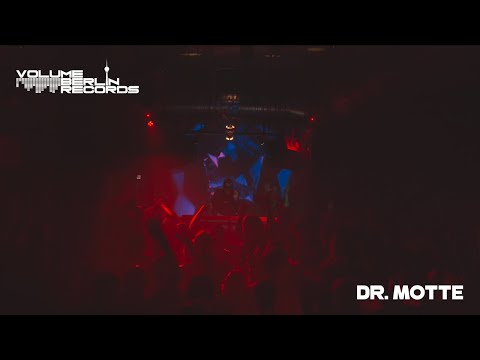
そのベルリン・テクノが生んだ最大の祝祭が、ラブパレードだ。DJ・プロデューサーのマティアス・レーニ(通称Dr. Motte)が1989年7月に創始したこのイベントは、最初はたった150人がベルリンの街頭に繰り出した、平和と国際的な相互理解を音楽で訴えるための政治的デモとして始まった。それが90年代を通じて爆発的に拡大し、1999年にはベルリンの街路を120〜150万人のレイバーが埋め尽くす、世界最大規模のダンスミュージック・イベントへと成長した。ドラムマシンの4つ打ちが巨大なスピーカーから叩きつけられる中、無数の人々がブランデンブルク門から戦勝記念塔へと続く大通りを踊り歩く光景は、テクノが単なるクラブカルチャーを超えた「集団的なトランスの儀式」であることを、世界に向けて可視化した出来事だった。Dr. Motteは商業化の波に抗い続け、2006年にイベントの商標が売却されると自ら距離を置いた。その精神は現在、「Rave the Planet」という後継イベントに引き継がれている。

YouTube video

3. エレン・エイリアンのニューアルバムに見る「異物のハッキング」

この壁崩壊前後の「本物の混沌と自由」をDJブースから生き抜いてきたベルリンの女王が、エレン・エイリアンである。西ベルリンで育ち、壁崩壊直後の1992年にはTresor、E-Werkのレジデントとなった彼女は、勃興するシーンのただ中にいた。

ブロンドの端正なルックスを裏切るような、男勝りの強烈で凶悪なインダストリアル・ビートを響かせる彼女の音楽的アプローチは、2026年のニューアルバム『New Life』においても、驚くほどライヒと地続きの「知覚の変容」を敢行している。ミニマル・テクノ、ダークウェーブ、ヒプノティック・ユーフォリアを織り交ぜたこの作品は、コミュニティ形成と集団的行動というテーマを、まさに「反復による知覚の変容」を武器にして語りかけてくる。

エレンの試みにおいて注目すべきは、洗練されたシンセパッドのうねるような動きだけでなく、「ストイックな反復リズムの中に、異質なサンプリング素材を投げ込む」という手法だ。

【テクノのサンプリング・ハック】
固定されたリズム:  [🥁──🥁──🥁──🥁] (4つ打ちの硬い骨組み)
異物の投げ込み:   [   🎙️   ✨   💥   ]  ※サンプリング素材が衝突する

ライヒが「同じものをズラす」ことで知覚の流れを書き換えたのに対し、エレンをはじめとするベルリン・テクノのアプローチは、逆のベクトルから同じ地点を目指す。

彼女は、冷徹で絶対にブレない強烈なリズムのループを、あえて完璧に固定して鳴らし続ける。聴き手の脳がその冷酷なまでの反復に完全に適応し、日常の境界線が溶けてトランス状態に入ったその瞬間、そこに「掠れたコード音」や「ノイズの断片」「変調された人の声」といったサンプリング素材をぽんと投げ込むのだ。

すると、土台にあるキックの硬いリフレインそのものは1ミリも変化していないはずなのに、投げ込まれたサンプリングの残響と衝突した瞬間、ベースラインやリズムの形そのものが全く違う形に変形して聴こえる。これは聴覚的な錯覚ではなく、脳が反復の流れに過剰適応した結果として起きる「知覚の流れの変容」だ。固定された骨組みに異物をぶつけることで、知覚を再書き換えし、より深いトランス状態へと引き込む——テクノ独自のハッキング手法がここにある。

ライヒがテープのズレで「流れを乱すことによる変容」を発見し、エレンがサンプリングの衝突で「流れへの適応を利用した変容」を武器にする。手法は鏡像のように反転しているが、脳の知覚の流れを一度崩してトランスへ導くという目的地は、完全に一致している。

エレン・エイリアンのニューアルバムはApple Musicで一部が先行リリースとして聴ける。ここでは代わりに彼女のDJライブ風景を載せた。 YouTube video

結び:円環を閉じるミニマリズム

座って聴くには「単調すぎる」という最初の違和感は、彼らの仕掛けた罠に嵌った証拠にすぎない。分かりやすいサビをあえて削ぎ落とす(引き算する)からこそ、人間はパルスの隙間に起きるほんの微細な変化に対して異常に敏感になる。脳が反復に慣れ、知覚の流れがある一点に収束したとき——そのわずかな「ズレ」や「異物」が、その流れを書き換えてトランスの扉を開ける。

ライヒがオープンリールを回して見つけた脳の知覚変容の回路は、ベルリンの停滞した廃墟で電子マシンの4つ打ちへと宿り、エレン・エイリアンのサンプリングの衝突によって、現代のフロアで牙を剥き続けている。形を変えて引き継がれるこの「ミニマリズムの快楽」は、今夜もどこかの暗闇で、誰かの脳汁をじわじわと誘い出している。

Description: I tried falling asleep to Sleep on high-end speakers. The sub-bass kept me awake—because Richter designed it that way, working with a neuroscientist to embed slow-wave sleep frequencies directly into the composition. This piece examines what sets Richter apart from other composers working at the classical-electronic intersection: how he smuggles synthesizers into string arrangements without announcing them, why the felt piano blurs the line between acoustic and electronic, and how his Piano Circus years absorbing Reich and Glass gave him the structural toolkit to dismantle academic minimalism from the inside.

It seemed like the ultimate audiophile luxury: cueing up Max Richter's landmark 8-hour masterpiece, Sleep, on a pair of high-end, full-range speakers, settling under the covers, and letting the music drift me into a state of pure restorative bliss.

Instead, I found myself reaching for the equalizer and cutting the sub-bass boost entirely.

The culprit? The incredible, deeply resonant low-end. On premium speakers capable of reproducing sub-bass frequencies with absolute precision, Sleep transformed from a gentle lullaby into an immersive, physically vibrating soundscape. While my body wanted rest, my ears were utterly captivated by something else: the sheer brilliance of Richter's production.

It made me realize that Richter isn't just a brilliant composer—he is the definitive architect of the post-classical movement, working at the absolute pinnacle of classical tradition and modern electronic texture.

Who is Max Richter

Max Richter is a German-born British composer who was born in Hamelin, Germany, and raised in Bedford, England. His work seamlessly blends classical traditions with modern electronic elements, making him a pioneer of contemporary ambient and post-minimalist music. He is celebrated worldwide for his deeply moving and beautiful compositions.

What distinguishes Richter from the many contemporary composers working in adjacent territory is the depth of his formal training. He studied composition and piano at the University of Edinburgh, then at the Royal Academy of Music in London, and completed his studies privately with the Italian modernist giant Luciano Berio in Florence—one of the defining figures of 20th-century avant-garde composition. This three-stage classical education gave Richter a command of musical structure, harmony, and orchestration that underpins everything he writes, however ambient or electronic the surface may appear. Among classically trained composers who have embraced electronic music, he stands as one of the most sophisticated practitioners: someone who uses synthesizers not as an aesthetic novelty, but as a fully integrated compositional tool with the same intentionality he brings to a string quartet.

From Piano Circus to Radical Minimalism: The Blueprint of Post-Classical

To understand why Richter's sonic spaces hold such hypnotic, physical power, one must look beyond the label of “accessible classical.” Richter represents the crucial missing link between the rigorous, avant-garde minimalism of the 20th century and the electronic landscapes of the 21st.

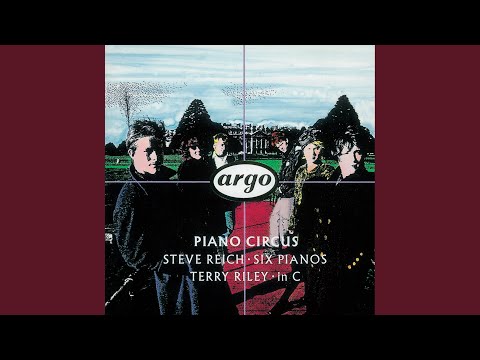
After his studies at Edinburgh, the Royal Academy of Music, and with Luciano Berio in Florence, Richter co-founded Piano Circus in 1989. For ten years, this contemporary ensemble performed formidable, complex repertoire written for six pianos—immersing Richter in the strict, hypnotic structures of Steve Reich, Philip Glass, and Terry Riley.

The Piano Circus Foundation: * The Aesthetics of Repetition: Mastering the art of the loop to alter the listener's perception of time. * The Precision of the Pulse: Relying on subtle phase shifts and micro-rhythms rather than conventional narrative melody to drive a piece forward.

Yet, Richter's genius lay in his willingness to rebel against the very school that formed him. Where mid-century minimalism was often mathematical, academic, and emotionally detached, Richter sought something deeply human.

When he moved on from Piano Circus, he took those rigid minimalist bones and breathed life into them. He injected lush, cinematic Romanticism and married it to the sub-bass weight he absorbed from underground club culture and ambient electronica. This radical act—deconstructing academic minimalism to rebuild it with profound emotional resonance—is precisely what established Richter as the pioneer of the post-classical genre, elevating his work far above standard film scores or neo-classical pastiche.

Steve Reich: Six Pianos YouTube video

The Art of the Invisible Synth: Smuggling Electronics into the Classical Realm

Many contemporary classical artists treat synthesizers like a coat of glossy paint—layered on top of an orchestra to make it sound “modern.” Richter, however, weaves electronic elements directly into the DNA of his acoustic arrangements. He doesn't use synths for sci-fi futurism; he uses them to expand the emotional and physical boundaries of classical instruments.

A prime example of this mastery can be found in his iconic masterpiece, “On the Nature of Daylight.”

[Traditional String Quintet] 
          │
          ▼ (Richter's Subversive Twist)
[Sub-bass Synthesizer replaces the lowest Cello/Double Bass registers]
          │
          ▼
[Result: An otherworldly, chest-hitting emotional weight]

In this track, instead of relying solely on a traditional double bass or cello to anchor the bottom end, Richter subtly introduces a low, sweeping synthesizer. The synth mimics the bowing expression of a stringed instrument but sustains a pure, fundamental low-frequency weight that no wooden instrument could ever physically achieve. It doesn't scream “electronic”; instead, it fools the ear into believing the cello has suddenly acquired a supernatural, heartbreaking depth.

This is the on the nature of daylight from YouTube. YouTube video

The Felt Piano: Texture as an Instrument

Beyond his use of synthesizers, Richter is a master of micro-textures, most notably through his championing of the felt piano.

By placing a layer of felt between the piano hammers and the strings, the sharp, percussive attack of the instrument is muted. What remains is a soft, pillowy tone, rich with the mechanical whispers of the piano itself—the thud of the keys, the creak of the pedal, and the rush of air.

The Sonic Illusion: By stripping away the bright highs of a standard grand piano, Richter creates an immediate sense of intimacy. The felt piano occupies the exact same warm, mid-range frequency space as his synthesizers, allowing the acoustic and electronic elements to melt into a single, seamless instrument.

Why Sleep is a Masterclass in Heavy Sub-Bass

This brings us back to my sleepless night with Sleep. When listened to on standard headphones or casual smart speakers, the piece sounds like a soothing, ambient drift. But play it through high-fidelity speakers with serious low-frequency extension, and you unlock a hidden world.

Here, the minimalist repetition he perfected during his Piano Circus days converges with cutting-edge audio engineering. Richter intentionally designed Sleep to interact with the human body, frequently utilizing low-frequency sine waves and pulsing synth drones that mimic the slow-wave sleep cycles of the human brain. On a high-end setup:

  • The Sub-Bass Drones: They don't just play notes; they pressurize the room. The low-end acts as a physical weight, mimicking the heavy, warm sensation of falling into deep REM sleep.
  • The Deep Soundstage: The electronic textures create a massive, 3D space around the acoustic strings, making the music feel like an endless ocean.

The Science Behind the Sub-Bass: Richter's Intentional Design

To understand why Sleep demands full-range audio reproduction, one must look at how Richter engineered the piece from a neurological standpoint. In interviews regarding the album's creation, Richter revealed that he consulted with neuroscientists to mirror the brain's behavior during deep rest. Specifically, he targeted the “slow-wave” sleep stage, where human neurons fire in a synchronized rhythm of roughly 10 Hz. As Richter noted in a discussion with the Red Bull Music Academy, this 10 Hz frequency isn't just an abstract concept—it translates directly to physical sound: “That's just sub. That's bass, you know? That's where I live.” Furthermore, speaking with CBC, Richter emphasized the physical, rather than purely psychological, nature of the album's lower frequencies: “The piece works a lot on subsonics. Very low frequencies — you feel it physically. In a way, it sort of lulls you... neuroscientists would call it 'rhythmic entrainment.' It sort of synchronizes your body's tempo.” Without a high-end audio setup capable of cleanly reproducing these structural sub-bass waves down toward the physical limits of human hearing, the foundational “lullaby” effect Richter engineered remains completely lost to the listener.

This is for sleep music from YouTube YouTube video

What makes he is so famous

Max Richter’s name famously resonated globally with his brilliant reimagining of Vivaldi’s The Four Seasons. While Recomposed is undoubtedly a masterpiece that broadens the horizons of classical music, I find myself deeply drawn to a different side of his genius. For me, the scores he crafted for the ballet based on the literary world of Virginia Woolf—Woolf Works—stand as an even more profound achievement.

In Woolf Works, Richter doesn't just decorate the narrative with sound; he translates the very essence of Woolf's sensory, fluid text into a breathtaking auditory architecture. From the fragile, time-looping fragments of Mrs. Dalloway to the subtly altered, gender-shifting variations of Orlando, and finally the overwhelming, cosmic waves of Tuesday—the music possesses an unmatched structural rigor and emotional depth.

While Vivaldi Recomposed shows his mastery in reinterpreting the past, Woolf Works showcases Richter at the absolute peak of his original storytelling capabilities. It is a stunning testament to how music can embody psychological interiority, making it, in my view, the far superior and more enduring masterpiece in his catalog.

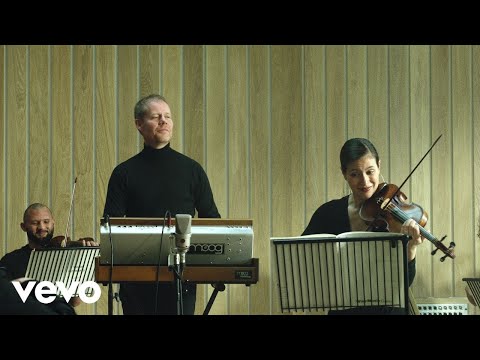
This is max richter vivaldi's spring1 in this video he is playing moog synthesizer. YouTube video

This is the track of wolf works I recommended for YouTube video

Looking to the Present: In A Landscape

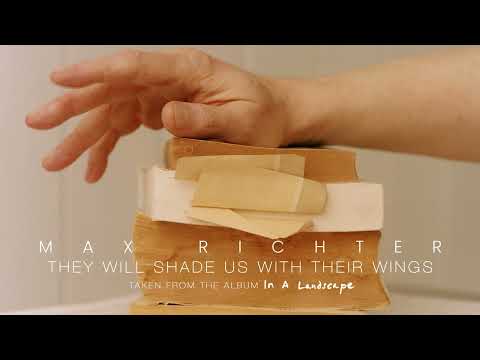
This signature fusion reaches its peak in his latest album, In A Landscape. Recorded at Studio Richter Mahr—a bespoke, eco-conscious sanctuary built entirely for his own creative vision—the record stands as his most intimate masterclass yet in seamlessly marrying modular synthesizers with classical strings.

YouTube video

Final Thoughts

Max Richter's genius lies in his restraint. He has mastered the art of making the synthetic sound organic, and the organic sound ethereal. By grounding his work in the rigorous discipline of minimalism and expanding it with electronic textures, he created a new vernacular for modern music.

If you are listening on a high-end audio system, Sleep might actually be too brilliantly engineered, too texturally fascinating, and too bass-heavy to actually let you sleep. My advice? Save the high-end speakers for daytime active listening to truly appreciate his production wizardry—and stick to a basic pair of earbuds when you actually need to catch some Z's.

Description: There is a specific alchemy that happens when jazz's rhythmic openness meets the modal, microtonal traditions of the Islamic world—something more transformative than crossover. This piece moves through four albums: the near-miraculous ECM session where Zakir Hussain's tabla meets Jan Garbarek's saxophone; Dhafer Youssef's Electric Sufi, where Sufi vocal incantation collides with electric jazz grooves; Amir ElSaffar's Not Two, a 17-piece ensemble that runs Mesopotamian maqam through the density of Miles Davis's electric period; and Anouar Brahem's Blue Maqams, an album that proves the most profound jazz statement can be whispered in near-silence.

For decades, the boundaries of jazz have been wonderfully fluid. But there is a specific kind of alchemy that happens when the modal, microtonal, and spiritual traditions of the Islamic world collide with the rhythmic freedom of jazz. It's not just a superficial crossover; it's a profound dialogue that reshapes the horizon of modern music.

If you are looking to expand your sonic horizons, here are three incredible albums and artists that masterfully bridge the world of jazz with the profound textures of Islamic and Middle Eastern musical heritage.

1. The Overlooked ECM Masterpiece: Making Music – Zakir Hussain

(The Spiritual Sublimation of Disparate Worlds)

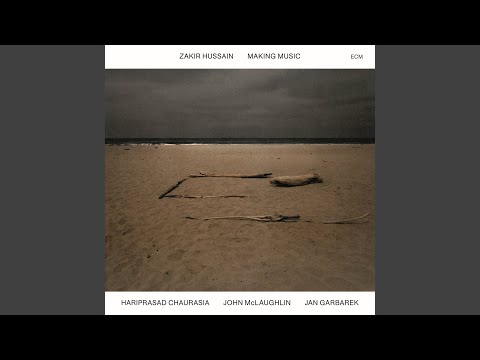
When people think of the legendary ECM Records, they often picture cool, spacious European jazz or Nordic minimalism. But tucked away in their vast catalog is a hidden gem that beautifully captures the intersection of Eastern spiritual heritage and contemporary improvisation: Zakir Hussain's Making Music (1987).

Hussain himself is Hindu, but the tabla he plays is an instrument deeply rooted in both Hindu and Islamic musical cultures across South Asia, from India to Pakistan. This paired drum—combining the higher-pitched dayan and the lower bayan—is indispensable to Hindu devotional music and Islamic Sufi music (qawwali) alike. That quality of the tabla as a cultural bridge between traditions resonates deeply with the spirit of this album.

The lineup he leads looks like an impossible experiment:

  • Zakir Hussain (Tabla)
  • Hariprasad Chaurasia (Bansuri/Flute)
  • John McLaughlin (Acoustic Guitar)
  • Jan Garbarek (Saxophone)

You might expect a chaotic clash of cultures, but what transpires is a miracle of active listening. Tracks like “Sabah” (Arabic for “morning”) evoke the serene, contemplative atmosphere of the dawn. The fiery precision of McLaughlin's guitar and Hussain's incredible tabla rhythms melt effortlessly into Garbarek's haunting sax tones and Chaurasia's breathy flute. It is an overlooked masterpiece where seemingly incompatible musical DNAs meet, strip away their boundaries, and elevate into pure, universal emotion.

YouTube video

2. The Mystic Oud Modernized: Electric Sufi – Dhafer Youssef

(Translating Sufi Spirituality into Contemporary Jazz)

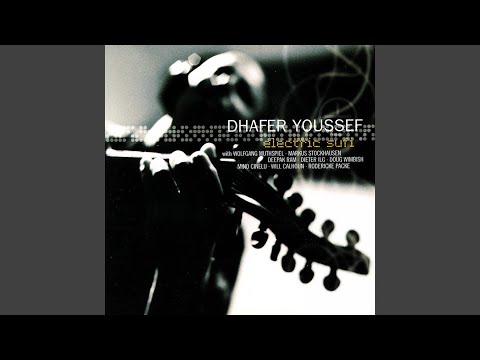
The Oud is an ancient, fretless lute deeply rooted in Middle Eastern and Islamic classical traditions. In the hands of Tunisian master Dhafer Youssef, however, it becomes a vessel for fierce modern jazz exploration. His seminal album, *Electric Sufi* (2001), is a masterclass in this transformation.

Youssef doesn't just play the oud; he integrates its rich, resonant, and inherently spiritual Eastern textures into a vibrant, electric jazz landscape. Backed by cutting-edge electronic grooves and stellar jazz instrumentation, the album feels both ancient and futuristic.

Within this brilliant catalog, the track “La nuit sacrée” stands out as an absolute masterpiece. This particular piece features the brilliant Austrian trumpeter Markus Stockhausen. Here, yet again, disparate elements collide, sparking a beautiful musical alchemy that transcends genres. It is a sublime example of how two seemingly contrasting worlds can meet and create pure magic through their sonic chemistry.

The Secret Weapon: Beyond his virtuosic oud playing, Youssef possesses a breathtaking, soaring vocal range rooted in traditional Sufi vocal incantations. When his voice and Stockhausen's haunting trumpet pierce through the modern jazz rhythm section, it creates an otherworldly, hypnotic prayer that completely redefines what jazz fusion can be.

YouTube video

3. The Miles Davis Groove of the Orient: Not Two – Amir ElSaffar & Rivers of Sound

(Maqam Meets Big Band Heavy Grooves)

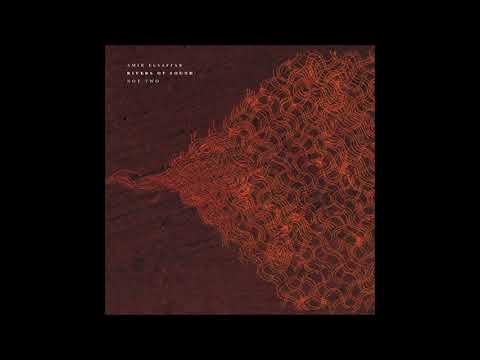
If you crave the dense, urgent, and utterly hypnotic groove of Miles Davis's electric era (think Bitches Brew or On the Corner), but want to hear it filtered through the mystical lens of Iraqi traditional music, look no further than Amir ElSaffar and Rivers of Sound's Not Two (2017).

ElSaffar, an Iraqi-American trumpeter and vocalist, has achieved something monumental here. He plays a custom-tuned trumpet that allows him to play the microtones (maqams) of traditional Arabic and Islamic music. In Not Two, he leads a massive 17-piece ensemble—Rivers of Sound—which blends Western jazz instruments (saxophones, trumpet, drums) with traditional Middle Eastern instruments like the oud, the buzuq, the santur (hammered dulcimer), and the darbuka.

The result? An absolute wall of sound driven by an overwhelming, complex groove. The polyrhythms shift and churn with the same gritty, unstoppable momentum of a Miles Davis avant-garde ensemble, yet the melodic DNA is purely Mesopotamian. It is dense, exhilarating, and completely transcendent.

YouTube video

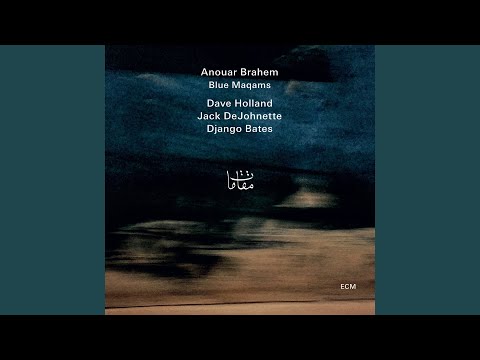
4. The Ambient Chamber-Jazz of the Maghreb: Blue Maqams – Anouar Brahem

(The Subtle Alchemy of Active Listening and Functional Stillness)

To close out this journey, we must look at an album that redefines the relationship between jazz pacing and spiritual space. While the previous entries thrive on complex polyrhythms or soaring vocal peaks, Tunisian oud master Anouar Brahem's Blue Maqams (2017) operates in the realm of profound, deliberate restraint.

For this ECM release, Brahem assembled an absolute jazz royalty lineup:

  • Anouar Brahem (Oud)
  • Dave Holland (Double Bass)
  • Jack DeJohnette (Drums)
  • Django Bates (Piano)

On paper, seeing legends like Holland and DeJohnette might make you expect a driving, hard-swinging post-bop session. However, Blue Maqams strips away the typical urgency of modern jazz. If you are looking for an intense, physical jazz groove, you won't find it here. Instead, the rhythm section masterfully practices the art of “subtraction”—providing a minimalist, spacious heartbeat rather than a pushy momentum.

What makes this album an absolute masterpiece is its dual nature. On one hand, the delicate dialogues between Brahem's microtonal oud and Django Bates' luminous piano offer rich rewards for deep, focused listening. On the other hand, its pristine ECM acoustic resonance and steady, non-intrusive temper make it one of the finest ambient-like experiences in modern instrumental music.

It is an album that refuses to agitate the listener's mind. For those looking for an impeccable sonic backdrop to deep thinking, writing, or creation, Blue Maqams serves as a high-art sanctuary—proving that sometimes, the most profound spiritual statement in jazz is the one whispered in absolute serenity.

YouTube video

Final Thoughts

These four releases prove that jazz is a universal canvas, uniquely capable of absorbing and reflecting the profound spiritual depths of the Islamic musical world. Whether it's the delicate chamber-fusion of Making Music, the electro-mysticism of Electric Sufi, the roaring microtonal big-band grooves of Not Two, or the tranquil, ambient-like focus of Blue Maqams, these albums offer an unforgettable journey.

かつて何者にもなれずに解散したイリノイの大学生たちは、2026年、それぞれの「生活」の傍らで、ロックという器を静かに踏み越えた。

プロローグ:誰も気にしていなかった「緑の家」

1999年、アメリカ・イリノイ州の大学キャンパスの片隅で、ひとつのアルバムがひっそりと録音された。予算はわずか2000ドル、期間はたったの4日間。メンバーの卒業に伴い、バンドはアルバムのリリースを待たずしてすでに解散モードに入っていた。スタジオに入るまでの3年間で行ったライブはわずか15本から30本。それも観客が数人の、閑散としたものだった。

「誰もこのバンドを気にしていなかった」

後にメンバーのSteve Holmesが振り返った通り、彼らの1stアルバム(通称『LP1』)は、誰に届くこともなく、青春の終わりとともに引き出しの奥へ片付けられた「思い出の品」になるはずだった。当時のアンダーグラウンド・シーンが求めていたのは、もっと激しく、衝動的に感情を叫ぶパンクとしての「エモ」だったからだ。

【エモとは】 “Emotional hardcore”を略した呼称で、1980年代後半にアメリカのハードコア・パンクから分岐して生まれたロックの一ジャンル。激しいサウンドを保ちながら、失恋・孤独・アイデンティティの揺らぎといった個人の内面を赤裸々に歌うことを特徴とする。90年代にはBlinkやGetup Kidsのようなポップ寄りのバンドが主流を形成する一方、American FootballやOwens、Cap'n Jazzが生まれたイリノイ州シカゴ近郊では「ミッドウェスト・エモ」と呼ばれるサブジャンルが育ち、複雑なギター・アルペジオや変拍子を取り入れた知的・内省的な様式を展開した。2010年代には当時のバンドが再評価され「エモ・リバイバル」と呼ばれる第三波が世界規模で起きている。地味で、静かで、複雑な彼らの音楽は、時代の空気感と完全に齟齬をきたしていた。

しかし、バンドが不在の14年間に、奇妙な逆流現象が起きる。ファイル共有ソフトLimewireやインターネットのメッセージボードを通じて、あの「緑の家」のジャケットは音楽マニアの間でカルト的な聖典として語り継がれ、2010年代のエモ・リバイバル世代のバンドたちによって「源流」として逆輸入されたのだ。

2014年、リイシュー盤の発売を機に再結成が実現したとき、彼らを待っていたのは世界中のソールドアウトのステージだった。このとき、Mike KinsellaのいとこであるNate Kinsellaがベーシストとして加入し、バンドはトリオからカルテットへと生まれ変わる。解散したときは誰にも知られていなかった彼らは、再結成したときには世界から求められる伝説になっていた。

YouTube video

驚異の「副業プロフェッショナリズム」

このバンドの特異性は、奇跡的な再結成を遂げた後も、彼らが決して「専業ミュージシャン」に戻らなかったことにある。

メンバーのSteve Lamosはコロラド大学ボルダー校でライティング・レトリック学の准教授として教壇に立ち、Holmesはソフトウェア会社に勤め、フロントマンのMike Kinsellaは子育てをしながら自身のソロプロジェクト「Owen」を営む。彼らは年間20〜30本のライブが限界の、堅実な「生活者」であり、完全なる「副業」としてAmerican Footballを運営している。

あなたがLP2を聴いたときに覚えた「副業で作ったとは思えない完成度」への驚愕。それは、音楽構造的に正しい必然が生んだものだ。

Kinsellaは後に、仕事や子育ての合間、ツアーバスの中で歌詞を書き殴るような過酷なスケジュールの中で「多くの妥協があった」と語っている。しかし、音楽で飯を食うためのギラギラしたエゴや商業的打算が必要ないからこそ、彼らは日常の傍らで、スタジオの残響や音圧を1ミリ単位でコントロールする「大人のストイシズム」を貫くことができた。かつて大学時代に鳴らしていた変則チューニングやポリリズムは、17年間の人生経験を経て、完全にコントロールされた狂気的な職人技へと昇華されていたのだ。

なお、Lamosは2021年に一度バンドを離れているが、2023年に復帰。LP4の制作にも加わっている。

YouTube video

2026年の新境地:霧の向こうのアルペジオ

そして2026年、7年ぶりの新作として送り出したLP4は、これまでのどの作品よりも美しく、そして彼らの過去のサウンドからは最も遠い場所へと到達している。

一聴して耳を引くのは、そのドラスティックな音響の変化だ。かつてキャンパスの片隅で鳴っていた瑞々しいインディー・ロックのテクスチャーは一歩後退し、そこにはモダン・クラシカルやエレクトロニカ、さらにはポストロックやアンビエント・ドローンに近い、豊潤で深い音響空間が広がっている。生活者としての年齢を重ね、インプットされる音楽的語彙がさらに成熟したことが、この大胆な拡張を生んだのだろう。

テーマの面でも、LP4は過去作とは比べものにならない重さを持つ。Polyvinylはこのアルバムを「容赦なく重い」と評し、自殺、羞恥、離婚、依存症、自己嫌悪、そして再生といった主題が、しばしば1曲の中に同居すると説明している。青春の揺らぎを描いたLP1の叙情性は、中年の生々しいリアルへと深化している。

しかし、この新しい音響の霧を1枚めくったその中心で、楽曲を構造的に支えているのは、やはりあの「2本のギターが織りなす、執拗に繰り返される変則チューニングのアルペジオ」だ。

彼らの音楽のルーツには、パンクの衝動ではなく、スティーヴ・ライヒ直系のミニマリズムがある。短いフレーズを反復し、わずかな位相のズレや和声の変化で感情の起伏を描くという方程式は、周囲の環境(テクスチャー)がどれほど変わろうとも、一切揺らいでいない。その結実のひとつが、LP4収録の「Desdemona」だ。この曲はライヒの代表作『Music for 18 Musicians』(1978年)に着想を得た持続的なリズム・パルスを軸に構築されており、バンドが長年口にしてきたライヒへの傾倒が、ついに楽曲の骨格に刻み込まれた形となっている。インディー・ロックの衝動を愛したリスナーにとっては、この霧深い音響はあまりにも遠くへ行きすぎたように映るかもしれない。しかし彼らにとっては最初のアルバムの打ち立てた金字塔からの開放であるのかもしれない。

かつて青春の揺らぎや痛みを表現していたあの小刻みなギターのアルペジオは、2026年の今、まるで「淡々と、しかし確実に続いていく日常の営み」そのものを象徴するループのように響く。

YouTube video

世代を超えた「尊敬の連鎖」

American Footballの影響力が単なる「評論家のお墨付き」ではなく、同時代および次世代のミュージシャンたちの実際の行動に刻まれているという事実は、彼らの音楽の本質的な強さを物語っている。

その最も顕著な証左が、2024年に発表されたLP1の25周年記念カバーアルバムだ。Iron & Wine、Manchester Orchestra、Blondshellなど多彩なアーティストが参加したこの企画で、とりわけ注目を集めたのがEthel Cainによる「For Sure」のカバーだった。現在のオルタナティヴ・シーンを代表するアーティストの一人であるEthel Cainは、自らこの曲を選んでカバーを申し出、原曲の3分16秒を約10分の楽曲へと昇華させた。「私がレコードをかけるたびにいつも際立って聴こえる曲で、自分のサウンドにどう翻訳するかはすぐにわかった」と彼女は語っている。また「American Footballは、デビュー盤でひとつの時代にこれほど深く刻み込まれたバンドだ。その音楽的ストーリーテリングは、数えきれないほどの方法で私にインスピレーションを与え続けてきた」とも述べており、彼女の傾倒が表面的なものでないことは、楽曲「American Teenager」のMVがLP1のジャケットのフォント・レイアウトを意識的に模倣していることからも伝わってくる。

LP4においても、コラボレーションの顔ぶれがそのままバンドの影響力の地図となっている。ハードコア・シーンの最前線に立つTurnstileのBrendan Yatesが参加した「No Feeling」は、もともとコーラスの合唱パートの一員として招かれたものだったが、スタジオで即興的に高音ハーモニーを試みたところ、その声の個性が楽曲を別次元へと引き上げた。Kinsellaはその瞬間を「スタジオ全員の顎が落ちた」と振り返っている。エモとハードコアという一見異なる文脈に立つ二者が、こうして自然な化学反応を起こすこと自体、American Footballが特定のジャンルの枠を超えて機能していることの証明だろう。

LP3(2019年)でのParamoreのHayley Williamsとのコラボレーションも同様の文脈で理解できる。ポップ・ロックのメインストリームで活躍するWilliamsが「Uncomfortably Numb」への参加を承諾したのは、彼女がAmerican Footballの長年のファンだったからに他ならない。さらにLP4では、90年代のエモ・シーンで活動をともにした同時代人Rainer MariaのCaithlin De Marraisも名を連ねる。世代の異なるアーティストたちが、それぞれの理由でこのバンドに引き寄せられてくる—その事実そのものが、American Footballというバンドの稀有な磁場の強さを示している。

3rd album is as good as others YouTube video

エピローグ:反復される日常の美学

American Footballの音楽が、普段エモを聴かないリスナーの耳にすらこれほど深く刺さる理由。それは、彼らが感情を爆発させるバンドだからではない。

Red House PaintersやSun Kill Moonが持つ「静けさの中に重い感情を封じ込める」あのサッドコアの情景にも通じる、剥き出しの真正性。スロウコアとの共通のゆっくりと奏でられるアルペジオがそう感じさせるのかもしれない。それを、数学的とも言えるミニマリズムの「構造」によって冷徹に設計しているからだ。

一度は完璧に死んだはずのプロジェクトが、SNSという現代の地下水脈を通じて神格化され、大人になった彼らの「生活の余白」で再び息を吹き返す。2026年の最新作が証明しているのは、彼らが人生の景色を変えながらも、あの1999年から何も変わらない「反復の美学」を指先で編み続けているという、静かな、しかし圧倒的な事実なのだ。

概要: ハイエンドスピーカーで『スリープ』を流したら、眠れなかった。低音が強すぎて、部屋が震えた。それはリヒターが意図してそう設計したからだ。神経科学者と共同で、人間の脳の睡眠サイクルを模した周波数を埋め込んで。この記事では、クラシックの正規教育を受けながらアンダーグラウンド・ミニマリズムに革命を起こしたマックス・リヒターの技法——シンセを「見えなく」する方法、フェルト・ピアノが生む音の錯覚、そして彼のプロダクションがなぜあれほど「身体に届く」のか——を解剖する。

最高のオーディオファイル体験のはずだった。マックス・リヒターの8時間に及ぶ傑作『スリープ』をハイエンドのフルレンジスピーカーで流し、布団に潜り込んで、音楽に身を委ねながら至福の眠りへと漂っていく——。

しかし結局、スピーカーのイコライザーで低音増幅をオフにするはめになった。

原因は、あの圧倒的なまでに深く響く低音域だ。サブベース周波数を精緻に再現できるプレミアムスピーカーを通すと、『スリープ』は穏やかな子守唄から、部屋全体を物理的に振動させるイマーシブな音響体験へと変貌する。身体は休息を求めているのに、耳はまったく別のものに釘付けになってしまった——リヒターのプロダクションの、圧倒的な完成度に。

この体験は私にあることを気づかせた。リヒターは単に優れた作曲家というだけでなく、ポスト・クラシカルという動きの決定的な建築家であり、クラシック音楽の伝統と現代電子音響の頂点で仕事をしているのだと。

マックス・リヒターとは何者か

マックス・リヒターはドイツ・ハーメルン生まれのイギリス人作曲家で、イングランドのベッドフォードで育った。クラシックの伝統と現代的な電子音楽要素をシームレスに融合させるその作風は、コンテンポラリー・アンビエントとポスト・ミニマリスト音楽の開拓者として彼を世界的な地位に押し上げた。その音楽は、深く心を動かす美しさで世界中から支持されている。

同じ領域で活動する多くの現代作曲家とリヒターを隔てるのは、その正規教育の深さだ。彼はエジンバラ大学で作曲とピアノを学び、続いてロンドンの王立音楽院(Royal Academy of Music)で研鑽を積み、さらにフィレンツェで20世紀アヴァンギャルド音楽の巨人ルチアーノ・ベリオに師事してその学びを完成させた。この三段階の正規クラシック教育によって、表面がどれほどアンビエントで電子的に聞こえようとも、リヒターの書くものすべてを支える音楽構造・和声・オーケストレーションの確かな土台が築かれている。正規のクラシック教育を受けた作曲家の中で電子音楽を取り入れた者は多いが、リヒターはその最も洗練された実践者の一人だ——シンセサイザーを表面的な美的装飾としてではなく、弦楽四重奏と同じ意図性を持つ、完全に統合された作曲ツールとして使いこなしている。

ピアノ・サーカスからラジカルなミニマリズムへ——ポスト・クラシカルの設計図

リヒターのサウンドスケープがなぜあれほど催眠的で身体的な力を持つのかを理解するには、「親しみやすいクラシック」というラベルの先を見る必要がある。リヒターは、20世紀の厳格なアヴァンギャルド・ミニマリズムと21世紀の電子的な音風景を繋ぐ、決定的なミッシングリンクだ。

エジンバラ、王立音楽院、そしてフィレンツェでのベリオのもとでの学びを経て、リヒターは1989年にピアノ・サーカスを共同設立した。この現代アンサンブルで10年間、6台のピアノのために書かれた難度の高い複雑なレパートリーを演奏し続け、スティーヴ・ライヒ、フィリップ・グラス、テリー・ライリーの厳格で催眠的な構造にどっぷりと浸かった。

ピアノ・サーカスが培ったもの: * 反復の美学:ループの技法を極め、聴き手の時間感覚を変容させること。 * パルスの精度:従来の旋律的ナラティブではなく、微妙な位相のずれとマイクロリズムによって音楽を前進させること。

しかしリヒターの才能の核心は、自分を形成したその流派にあえて反旗を翻す意志にあった。20世紀中盤のミニマリズムが数学的・学術的で感情から切り離されていたのに対し、リヒターが求めたのは深く人間的な何かだった。

ピアノ・サーカスを離れた後、彼はそのミニマリズムの骨格に命を吹き込んだ。豊かで映画的なロマン主義を注入し、アンダーグラウンドのクラブカルチャーとアンビエント・エレクトロニカから吸収したサブベースの重みと結婚させた。学術的なミニマリズムを解体し、深い感情的共鳴を持つものとして再構築するこの急進的な行為こそが、リヒターをポスト・クラシカルというジャンルの開拓者として確立させ、その作品を単なる映画音楽やネオクラシカルの模倣から遠ざけた。

Steve Reich: Six Pianos YouTube video

見えないシンセの技法——クラシックの領域に電子音を密輸入する

多くの現代クラシック作曲家はシンセサイザーを光沢あるペンキのように扱う——「現代的」に聞かせるためにオーケストラの上から塗り重ねるのだ。しかしリヒターは、電子的要素をアコースティック・アレンジメントのDNAに直接織り込む。SFチックな未来主義のためにシンセを使うのではなく、クラシック楽器の感情的・物理的な限界を拡張するために使う。

この熟達ぶりの最も分かりやすい例が、彼の代表作 「オン・ザ・ネイチャー・オブ・デイライト」 に見られる。

【弦楽五重奏】 
          │
          ▼ (リヒターの逸脱)
【サブベース・シンセが最低音域のチェロ/コントラバスを代替する】
          │
          ▼
【結果:胸を打つ、超自然的な感情の重み】

この曲では、通常コントラバスやチェロが担う最低音域に、リヒターは密かに低く広がるシンセサイザーを忍び込ませる。そのシンセは弦楽器の弓奏の表情を模しながらも、木製楽器が物理的に決して到達できない純粋で根源的な低周波の重みを持続させる。「電子的」と叫ぶのではなく——むしろチェロが突如、超自然的で胸の締め付けられるような深みを獲得したのだと、耳を錯覚させるのだ。

YouTube video

フェルト・ピアノ——テクスチャーそのものが楽器になる

シンセサイザーの使い方に加え、リヒターはマイクロ・テクスチャーの達人でもある。その最も象徴的な例が、フェルト・ピアノへの傾倒だ。

ピアノのハンマーと弦の間にフェルトの層を挟むことで、楽器本来の鋭い打鍵アタックが消音される。残るのは柔らかく羽根のような音色——鍵盤の鈍い打音、ペダルの軋み、空気の流れといった、ピアノ内部の機械的なささやきをたっぷりと含んだ響きだ。

音の錯覚: スタンダードなグランドピアノの明るい高音域を取り除くことで、リヒターは即座に親密さの感覚を生み出す。フェルト・ピアノはシンセサイザーとまったく同じ温かみのあるミッドレンジ周波数を占有し、アコースティックと電子的な要素がひとつのシームレスな楽器へと溶け合うことを可能にする。

なぜスリープは重厚なサブベースのマスタークラスなのか

話は冒頭のあのスピーカー体験に戻る。標準的なヘッドフォンやカジュアルなスマートスピーカーで聴くと、この曲は心地よいアンビエントの漂いのように聞こえる。しかし本格的な低域再生能力を持つ高忠実度スピーカーで鳴らすと、隠されていた世界が解き放たれる。

ピアノ・サーカス時代に磨き上げたミニマリスト的反復が、最先端のオーディオエンジニアリングと融合する瞬間だ。リヒターは『スリープ』を意図的に人間の身体と相互作用するよう設計した——人間の脳のスロー・ウェーブ睡眠サイクルを模した低周波サイン波と、脈動するシンセ・ドローンを多用することで。ハイエンドのシステムで聴くと:

  • サブベース・ドローン:単に音符を鳴らすのではなく、部屋を加圧する。低音域は物理的な重みとして機能し、深いREM睡眠に落ちる際の重く温かな感覚を模倣する。
  • 深いサウンドステージ:電子的なテクスチャーが弦楽器のアコースティック音の周囲に広大な3D空間を生み出し、音楽は無限の海のように感じられる。

サブベースの科学——リヒターの意図的な設計

なぜ『スリープ』はフルレンジの再生環境を必要とするのか。それを理解するには、リヒターがこの作品を神経学的な観点からどのように設計したかを見る必要がある。アルバム制作に関するインタビューで、リヒターは深い休息中の脳の振る舞いを模倣するために神経科学者に相談したことを明らかにしている。具体的には、人間のニューロンが約10Hzのリズムで同期発火する「スロー・ウェーブ」睡眠段階をターゲットにした。レッドブル・ミュージック・アカデミーとの対話でリヒターが語ったように、この10Hzという周波数は抽象的な概念ではなく、物理的な音として直接変換される——「それはサブ(低音)そのものです。バス、つまり低音域——それが私の住んでいる場所なんです」と。さらにCBCとのインタビューでリヒターは、アルバムの低音域の物理的な性質を強調した——「この曲はサブソニクス(超低音域)に多く作用します。非常に低い周波数——身体で感じるんです。ある意味、それがあなたを……神経科学者は『リズミック・エントレインメント(リズム的同期)』と呼ぶでしょうが——身体のテンポを同期させるんです」と。リヒターが設計したこの構造的なサブベースの波動を、人間の聴覚の物理的な限界付近まで再現できるハイエンドのオーディオ環境なしには、彼が作り込んだ「子守唄」的な効果は聴き手に完全には届かない。

YouTube video

なぜリヒターはこれほど有名なのか

マックス・リヒターの名を世界に知らしめたのは、ヴィヴァルディの「四季」という傑作を鮮やかに再解釈した作品だった。「リコンポーズド」がクラシック音楽の地平を広げた傑作であることは疑いようがない。しかし私が深く惹かれるのは、彼の才能の別の側面だ。ヴァージニア・ウルフの文学世界を原作とするバレエ——「ウルフ・ワークス」——のために書かれた音楽こそ、より深い達成だと思っている。 「ウルフ・ワークス」においてリヒターは、単に物語を音で彩るのではなく、ウルフの感覚的で流動的なテキストの本質そのものを、息をのむような音響的建築へと翻訳している。時間がループするような断片で構成される「ダロウェイ夫人」から、微妙に変容しながら性別すら越境していく「オーランドー」の変奏、そして圧倒的で宇宙的な波動を持つ「チューズデイ」へ——この音楽は比類のない構造的厳密さと感情的深みを持っている。 「ヴィヴァルディ・リコンポーズド」が過去の名作を再解釈する卓越した技量を示しているとすれば、「ウルフ・ワークス」はリヒターの独自の語り手としての能力が絶頂に達した作品だ。音楽が人間の心理的な内面性そのものを体現できることを示す、鮮烈な証明——私にとって、これこそ彼のキャリアにおけるより優れた、より永続する傑作である。

これはマックス・リヒターのヴィヴァルディ「春」第1楽章の映像で、彼がMoogシンセサイザーを演奏しています。 YouTube video

これはマックス・リヒターの「wolf works」からの一曲で文学から影響を受けた抒情的な魅力にあふれています。 YouTube video

現在へ:『イン・ア・ランドスケープ』

このリヒター固有の融合の技法が頂点に達したのが、最新アルバム『イン・ア・ランドスケープ』だ。自身の創造的ビジョンのためだけに設計されたエコ意識の高い専用スタジオ「Studio Richter Mahr」で録音されたこの作品は、モジュラーシンセサイザーとクラシック弦楽器をシームレスに融合させる、これまでで最も親密なマスタークラスとして聳え立つ。

YouTube video

おわりに

マックス・リヒターの天才性は、その抑制にある。合成音をオーガニックに、有機的な音をエーテリアルに聞かせる技法を彼は極めた。ミニマリズムの厳格な規律に根ざし、電子的なテクスチャーでそれを拡張することで、現代音楽の新たな語彙を生み出した。

ハイエンドのオーディオシステムで『スリープ』を聴くなら、あまりにも精巧に設計され、テクスチャーが豊かすぎて、低音が強すぎて、実際には眠れないかもしれない。私のアドバイスはこうだ——プロダクションの魔法を本当に堪能したいなら、昼間にハイエンドスピーカーで。本当に眠る必要があるときは、シンプルなイヤーバッズで聴こう。

概要: アルヴォ・ペルトは「ティンティナブリ」と呼ばれる作曲技法を1970年代に独自に開発した——音楽から不要な装飾をすべて削ぎ落とし、ただ一つの音と、その倍音だけを残す方法だ。ソビエト連邦の検閲と自己の内的な危機から生まれたこの極限の簡素さが、なぜ現代の聴衆にこれほど深く届くのか。宗教音楽でも新時代のヒーリング・ミュージックでもない、ペルトの本質を探る。

現代クラシック音楽の世界で、今日もっとも広く聴かれ、深く愛されている作曲家は誰かと問われれば、アルヴォ・ペルトの名が絶対的な頂点に立つ。

実は彼は、私が生涯で最も愛するクラシック音楽家において、第2位に置く特別な存在でもある。

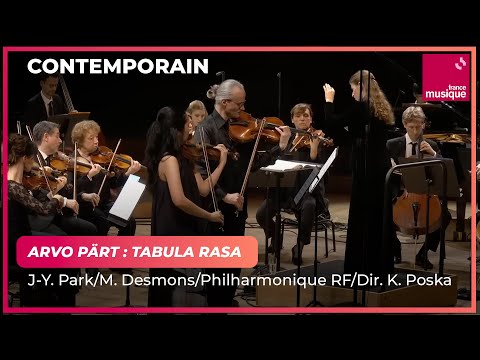
この美の巨匠がいかに伝説的な存在であるか、そして彼の傑作『タブラ・ラサ』が世界のメディアとコンサートホールにどれほど深く響き渡り続けているかを、ここで見ていきたい。

YouTube video

1. 生ける伝説——アルヴォ・ペルトとはいかなる存在か

現代クラシック音楽はしばしば、難解で消化しにくいという印象を持たれがちだ。アルヴォ・ペルトはそのステレオタイプを粉砕した。音楽的な過剰を削ぎ落とすことで、彼は「ティンティナブリ(tintinnabuli)」(ラテン語で「小さな鐘」)と呼ばれる独自のスタイルを生み出した——ミニマルで深く空間的な響きが、このジャンルを根本から再定義した。

正規教育と前衛音楽への深い探求

ペルトの音楽的な深みは、その正規の訓練と、20世紀の前衛的な作曲技法への徹底した探求なしには語れない。

1957年から1963年まで、彼はタリン音楽院でHeino Ellerに師事し、作曲を体系的に学んだ。しかし彼の探求はそこで終わらなかった。1958年から1968年の第一創作期において、ネオクラシシズムから出発しながらも、シェーンベルクが開発した十二音技法(ドデカフォニー)アレアトリシズム(偶然性音楽)コラージュ技法、そして音響場といった、20世紀前衛音楽の主要な手法をすべて自ら実験・吸収していった。1960年のNekrolog(ネクロログ)はエストニア初の十二音作品であり、西側から最初の国際的注目を集めた。

しかしこの探求は行き詰まりを迎える。1968年のCredoがソ連当局に禁止されたのち、ペルトは8年近い沈黙に入った。この期間、彼は14〜16世紀の合唱音楽、グレゴリオ聖歌、そしてルネサンス・ポリフォニーの起源を徹底的に研究した。十二音技法とその対極にある中世の声楽的純粋さ——この二つの極を自らの内で経験し尽くした末に、1976年、ティンティナブリ様式が生まれた。

現代音楽の最先端にあった前衛技法を深く習得し、それを意図的に手放すことで辿り着いた極限の単純さ。ペルトの音楽がもつ静寂の深さは、この比類なき音楽的旅路の産物なのだ。

客観的なデータが証明する世界的影響力

ペルトの影響力は、感覚的な評価にとどまらず、客観的なデータによっても裏付けられている。

  • 「最も多く演奏される存命作曲家」の首位独占 権威ある演奏統計サイトBachtrakによれば、ペルトは2012年から2019年まで8年連続で世界で最も多く演奏される存命作曲家の称号を保持した。今日でも、ジョン・ウィリアムズなどの映画音楽の巨匠と並んで、常にその最上位にランクされている。彼の楽曲は世界中のオーケストラで研究・演奏されている。
  • ECMレーベル現象 名門ECMレコードの創設者マンフレート・アイヒャーが、車のラジオからペルトの音楽を初めて耳にしたとき、あまりに深く心を動かされ、彼を探し出して音楽を世に届けることを決意した。以来、ペルトのアルバムはECMニュー・シリーズの決定的な看板となり、世界中のクラシック・クロスオーバーチャートのトップに君臨し続けている。

2. 世界のメディアを席巻する傑作——『タブラ・ラサ』

1977年に作曲されたタブラ・ラサ(ラテン語で「白紙」)は、過去50年間で最も重要で、最も広く演奏され、最もアイコニックな作品のひとつと言えるだろう。その影響力は伝統的なコンサートホールをはるかに超え、現代文化へとシームレスに浸透している。

遍在するラジオ放送とストリーミング

世界の主要クラシックラジオ局——英国のBBC Radio 3であれ、米国のWCRBであれ——に耳を傾ければ、タブラ・ラサ鏡の中の鏡を耳にする可能性は非常に高い。これらは「アンビエントで深い集中のための音楽」の金字塔だ。SpotifyやApple Musicでは、瞑想・集中・現代ミニマリズムのエディトリアルプレイリストに常設され、毎日数百万回のストリーミングを記録している。

現代映画とアートの究極のサウンド

タブラ・ラサの緊張感、沈黙、そして構造的な重みは、ビジョナリーな映画作家やアーティストにとって不可欠なツールとなっている。

  • 映画: ジャン=リュック・ゴダールの『ヌーヴェル・ヴァーグ』での使用で知られ、A Ghost Storyなどの現代的な映画作品にも深く取り込まれている。
  • メディア&ダンス: 現代ダンスのトップコレオグラファーたちが日常的に採用し、高品質なミニマリスト・アート・インスタレーションの音響的背景としても使用されている。

言葉では表現できないほどの人間の感情の深さや、息を呑むような静寂を伝えようとするとき、世界のメディアはタブラ・ラサへと向かう。

3. なぜ心に響くのか——個人的な視点から

ペルトを私の第2位のお気に入り音楽家として位置づける者として、私が最も魅了されるのは、彼の音楽が持つ完璧な構造、リズム、そして深い経済性だ。

タブラ・ラサを聴くことは、建築美のマスタークラスだ。すべての音、すべての休止、すべてのリズムの変化が精密に計算されており、無駄な要素はただのひとつも存在しない。それは完璧に書かれたソフトウェアコードや、純粋な現代抽象芸術を眺めるときと同じ、知的かつ美的な満足をもたらす。

混沌とした騒音に満ちたこの世界で、ペルトの音楽が電波を支配し続けているのは、現代のリスナーが切実に求めているものをそこに見出すからだ——沈黙への、真摯で妥協なき回帰を。

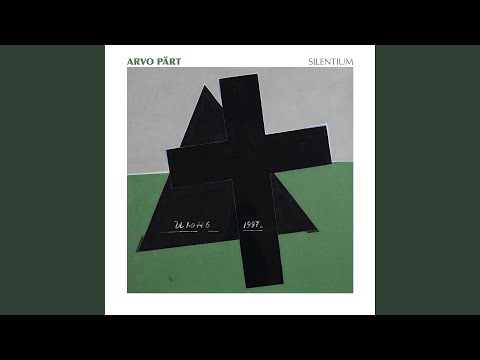
彼の音楽の中で私が最も愛するのは、タブラ・ラサから「Silentium(シレンティウム)」のこの録音だ。この曲は本当にゆっくりと演奏され、プリペアードピアノが鐘のように響く。それが私がこの曲を最も好きな理由だ。

YouTube video