What Inspired Me

unknown music lover from Japan. This blog wrote in both Japanese and English.

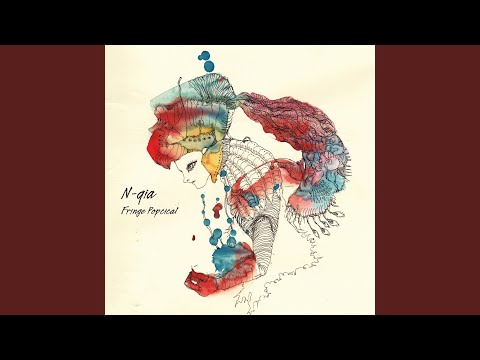
概要 serphは東京を拠点とする電子音楽家だ。2009年のデビュー以来、ジャズ、テクノ、クラシック、映画音楽を横断しながら、他の誰にも似ていない音響世界を構築してきた。その音楽の核心にあるのは、重層的な楽器の交代によるメロディーの構築と、常人離れした密度のエディットだ。商業的成功とは相容れない道を選び、飢餓感の中で作り続けた初期。N-qiaという活動を通じた人生の転換。そして2026年、肩の力が抜けた新作Destiny Landのリリース——この記事はserphという音楽家の軌跡を追う。

この記事は以前掲載した「もっと知られてほしい日本のインディーミュージシャン3組」でserphを取り上げたが、紹介しきれなかった部分が多かったため、改めて単独で掘り下げることにした。

serphとは

serphは東京在住の男性によるソロ・プロジェクト。2009年、ピアノと作曲を始めてわずか3年で完成させたアルバム『accidental tourist』でデビュー。以来、コンスタントに作品をリリースし続けている。ジャズ、テクノ、クラシック、映画音楽、プログレなど多彩な要素を取り込みながら、独自の音響世界を構築してきた電子音楽家だ。

初期の傑作①:vent

2010年リリースの2ndアルバム『vent』は、serphという音楽家の輪郭を世に知らしめた作品だ。

この作品の特異さは、楽器の使い方にある。ひとつのhttps://write.as/hiroaki-satou/yin-nohong-shui-nini-reru-serphnoshi-jie/editメロディーラインを単一の楽器が担うのではなく、複数の楽器が交代でそのメロディーを受け渡しながら、重層的に積み上げていく。ピアノが提示したフレーズをシンセが引き継ぎ、そこにストリングスが絡み、管楽器がアクセントを加える——気づけば音の建築物が目の前にそびえ立っている。

YouTube video

初期の傑作②:Heartstrings

2011年の『Heartstrings』は、serphの代表作として広く認知されている。

この作品で顕著なのは、音の密度の凄まじさだ。3〜4分という短い尺の中に、これでもかと音が詰め込まれている。serph自身、インタビューでこう語っている——「3、4分の中で、とにかく生きている実感というか、音楽ヤバい!という感覚をぶち込みたい」「ミニマルな方向は自分はたぶん行かない」と。

YouTube video

再生環境が変わると、別の音楽になる

正直に言っておきたいことがある。この音楽は、再生環境によって全く異なる体験をもたらす。安価なスピーカーやイヤフォンでは、音の洪水に飲み込まれて轟音になってしまうことがある。細部に折り重なった音の層、空間の奥行き、各楽器の定位——それらはある程度の再生環境があって初めて解像度を持って聴こえてくる。

それほどまでに緻密なエディットを施した音楽が商業的に成功しにくいことは、serph自身が誰よりもよく知っているはずだ。それでもその道を選び、極め続けた。

なぜ海外で知られていないのか

同じnobleレーベルから生まれた日本エレクトロニカのシーンを見渡すと、kashiwa daisukeとworld's end girlfriendはいずれも海外との接続に成功している。kashiwa daisukeはデビュー作をドイツのonpaレーベルからリリースし、2009年にはベルリンのBerghainを含む欧州8都市でツアーを行った。world's end girlfriendは自身のレーベルVirgin Babylon Recordsを拠点にしながら、UK拠点のErased Tapes Recordsが欧米での配給を担い、アジア各国でもライセンスされた。

両者に共通するのは音楽性だ。暴力的なまでの音圧と、アンビエントに近い空間感の共存——それは言語を超えてポストロックやシューゲイザーの文脈で受容されやすい音楽だった。Pitchforkをはじめとする英語圏メディアもこの文脈で語ることができる。

serphの音楽はその構造が根本的に異なる。重層的な楽器の交代と、濃密なメロディックエディットは、ポストロックやアンビエントの文脈に単純には収まらない。PitchforkもRolling StoneもAllMusicも、serphを取り上げたことがない。Rate Your MusicでのHeartstringsの登録数は46件、Last.fmのリスナー数は約5,700人にとどまる。この数字は、その音楽の完成度とはおよそ釣り合わない。

serphが海外に知られていない理由は、音楽の質の問題ではない。その緻密さが、既存のカテゴリに収まることを拒んでいるからだ。

Daisuke Kashiwaの初期の代表作 YouTube video

World’s ends girlfriendsの曲の中でもポップで聴きやすい作品の一つ YouTube video

命懸けの作業

DTMで音楽を作ったことがある人なら、直感的にわかることがある。

ひとつのトラックに何十もの音を重ね、それぞれの音量・定位・EQ・タイミングを微調整し、全体のバランスを整える作業は、集中力と時間の消耗が極めて激しい。一小節を仕上げるのに何時間もかかることがある。serphが年間300曲ほど制作していると語っているのは、その作業量の凄まじさを物語っている。

さらに、その緻密さが商業的成功と相容れないことをserph自身が知っている。再生環境によっては轟音になるほどの密度で音を重ねるということは、大多数のリスナーへの訴求を最初から手放すことを意味する。労力は最大、リターンは最小——それでも作り続けるという選択は、精神的なコストという意味でも、命懸けの作業と呼ぶに値する。

デビュー前、serphはこう語っていた。「精神的な飢餓感を満たすために毎日曲を作っている」。孤独と社会的不適合感の中で、音楽だけが唯一の居場所だった。その飢餓感が、あの密度を生み出していた。

N-qiaという出会い

serphの音楽の変遷を語るとき、N-qiaというユニットを避けることはできない。

2010年頃、MySpaceでボーカリストのNozomiから「歌わせてください」というメッセージが届いた。serphは軽い気持ちで音源を聴き、会い、一緒に音楽を作り始めた。それがN-qia——後に夫婦ユニットになる出会いだった。

2016年のCINRAのインタビューで、serphはその意味をこう語っている。「彼女と出会って、素直でいられる自分を再発見して、猜疑心みたいなものがどんどんほぐされました」。

デビュー前、serphは「精神的な飢餓感を満たすために毎日曲を作っている」と語っていた。その飢餓感がどこから来ていたか——孤独、社会への不適合感、自己否定の蓄積。音楽はその「逃げ場」だった。

しかしNozomiとの出会いは、その構造を少しずつ変えていった。2018年のインタビューでは「飢餓感で音楽を作ってるという話をしたと思うんですけど、今は真逆なんですよ」と語っている。

命懸けで作り続けた音楽が、その道を極めたことで、少しずつ軽くなっていった。

YouTube video

2026年新作:Destiny Land

2026年3月6日、serphは新作アルバム『Destiny Land』を11曲でリリースした。

『Heartstrings』以来の密度と、N-qia以降に獲得した軽やかさが共存している。重層的な音の構築はそのままに、どこか肩の力が抜けた感触がある。飢餓感ではなく、充足から生まれた音楽の手触りだ。

YouTube video

音の洪水の先に

serphの音楽は、再生環境を要求する。それは敷居ではなく、招待状だと思う。

轟音になりうるほどの密度で音を重ね、商業的な成功とは相容れない道を選び、それでも作り続けてきた。そのストイックさが音楽に染み込んでいる。そして今、その音楽はかつての飢餓感ではなく、解放の感触を帯びはじめている。

Destiny Land を、できれば良い環境で聴いてほしい。

概要: ジャズとイスラム音楽が出会うとき、そこには単なるクロスオーバーではなく、別の次元の錬金術が起きる。タブラ奏者ザキール・フセインが率いるECMの隠れた傑作、スーフィーの詠唱をジャズに翻訳したDhafer Youssef、マイルス・デイヴィスのグルーヴをメソポタミアの微分音で再解釈したAmir ElSaffar、そして静寂そのものを音楽にしたAnouar Brahem。この4枚が、あなたの「ジャズとはこういうものだ」という先入観を静かに解体する。

何十年もの間、ジャズの境界線は実に自由に揺れ動きた。しかしイスラム世界のモーダルで微分音的、そして霊的な伝統がジャズのリズム的自由と衝突するとき、そこには特別な錬金術が生まれる。それは表面的なクロスオーバーではない——現代音楽の地平線そのものを塗り替える、深遠な対話だ。

あなたの音の地平を広げたいなら、ジャズとイスラム・中東の音楽的遺産を見事に橋渡しする、これら4枚の傑作アルバムをぜひ聴いてほしい。

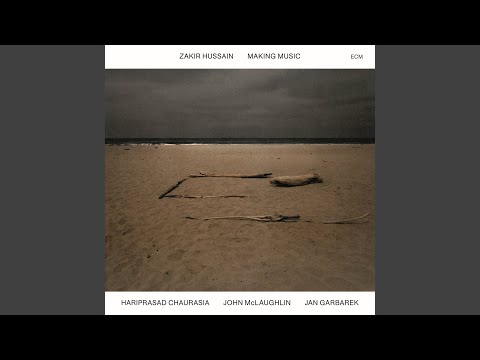
1. 見過ごされたECMの傑作:Making Music – Zakir Hussain

(異なる世界の精神的な昇華)

ECMレコードといえば、クールで空間的なヨーロッパ・ジャズや北欧ミニマリズムを思い浮かべる人が多いだろう。しかしその広大なカタログの片隅に、東洋の精神的遺産と現代即興演奏の交差点を美しく捉えた隠れた宝石が眠っている——Zakir HussainのMaking Music(1987年)だ。

Zakir Hussain自身はヒンドゥー教徒だが、彼が操るタブラはインドからパキスタンに至る南アジア全域で、ヒンドゥー・イスラム双方の音楽文化に深く根ざした打楽器だ。高音域のダヤンと低音域のバヤンという二つのタムを組み合わせたこの楽器は、ヒンドゥー教の礼拝音楽にもイスラムのスーフィー音楽(カッワーリー)にも欠かせない存在であり、その文化的な架け橋としての性格が、このアルバムの精神とも深く共鳴している。

そのHussainが率いるこのラインナップは、まるで不可能な実験のように見える:

  • Zakir Hussain(タブラ)
  • Hariprasad Chaurasia(バンスリー/フルート)
  • John McLaughlin(アコースティック・ギター)
  • Jan Garbarek(サックス)

文化の混沌とした衝突を予想する幕開けだが、実際に展開されるのは、積極的な傾聴から生まれる奇跡だ。「Sabah」(アラビア語で「朝」)のようなトラックは、夜明けの静謐で瞑想的な雰囲気を呼び起こす。McLaughlinのギターが放つ燃えるような精緻さとHussainの驚異的なタブラのリズムが、Garbarekの幽玄なサックスの音色とChaurasiaの息吹き込む横笛の響きに溶け込んでいく。一見相容れない音楽的DNAが出会い、境界を取り払い、純粋で普遍的な感情へと昇華する——これは見過ごされた傑作だ。

YouTube video

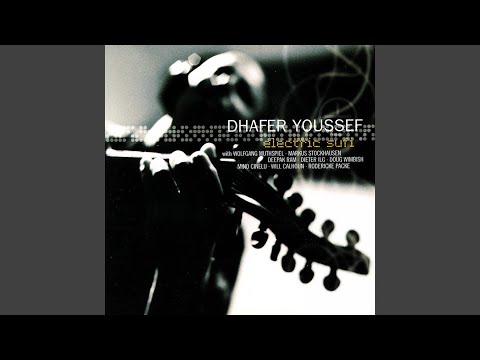
2. 神秘のウードの現代化:Electric Sufi – Dhafer Youssef

(スーフィーの精神性を現代ジャズへと翻訳する)

ウードは、中東・イスラム古典音楽に深く根ざした古代のフレットなしリュートだ。しかしチュニジアの名手Dhafer Youssefの手にかかると、それは激しく現代的なジャズ探求のための器へと変容する。彼の代表作*Electric Sufi*(2001年)は、まさにその変容の真骨頂だ。

Youssefはウードをただ演奏するのではない。その豊かで共鳴感あふれる、本質的に霊的な東洋のテクスチャーを、活気ある電気的なジャズの風景へと統合してみせる。最先端の電子グルーヴと一流のジャズ演奏を背景に、このアルバムは古代的でありながら未来的な響きをたたえている。

その充実した作品群の中でも、「La nuit sacrée」は絶対的な傑作として際立つ。この曲には、オーストリアのトランペット奏者Markus Stockhausenが参加している。ここでもまた、まったく異なる要素が衝突し、ジャンルを超えた美しい音楽的錬金術を生み出している。二つの相反する世界が出会い、その音の化学反応を通じて純粋な魔法を生み出す——そんな崇高な一例だ。

秘密の武器: Youssefの卓越したウード演奏に加え、彼は伝統的なスーフィーの声楽的詠唱に根ざした息を呑むほどの声域を持つ。彼の声とStockhausenの幽玄なトランペットが現代のジャズ・リズム・セクションを突き抜けるとき、そこに生まれるのはこの世ならぬ催眠的な祈りだ——ジャズ・フュージョンとは何かを根本から再定義する響きである。

YouTube video

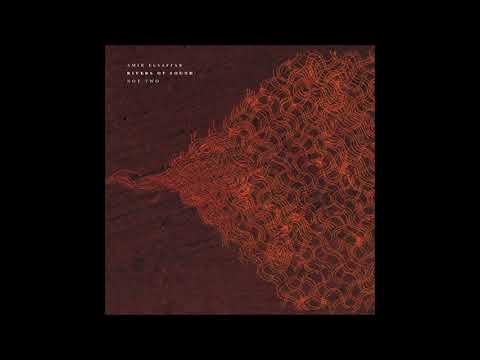
3. 東洋のマイルス・デイヴィス・グルーヴ:Not Two – Amir ElSaffar & Rivers of Sound

(マカームとビッグバンドの重厚なグルーヴが出会う)

マイルス・デイヴィスのエレクトリック期(Bitches BrewOn the Cornerを思い浮かけてほしい)の、あの密度高く切迫した、完全に催眠的なグルーヴを求めつつ、それがイラクの伝統音楽の神秘的なレンズを通してフィルタリングされたものを聴きたいなら、Amir ElSaffar and Rivers of SoundのNot Two(2017年)以外に選択肢はない。

イラク系アメリカ人のトランペット奏者・声楽家であるElSaffarが、ここで成し遂げたことは記念碑的だ。彼は特注のチューニングが施されたトランペットを演奏し、アラビア・イスラム音楽の伝統的な微分音(マカーム)を奏でることができる。Not Twoでは彼が17人編成の大型アンサンブル——Rivers of Sound——を率いており、西洋のジャズ楽器(サックス、トランペット、ドラム)とウード、ブズク、サントゥール(ハンマー・ダルシマー)、ダルブッカといった中東の伝統楽器が融合している。

その結果は?圧倒的で複雑なグルーヴに突き動かされる、まさに音の壁だ。ポリリズムはマイルス・デイヴィスのアヴァンギャルド・アンサンブルと同じ、荒削りで止まることのない勢いで変化し蠢く——しかしそのメロディのDNAは純粋にメソポタミア的だ。密度が高く、圧倒的で、そして完全に超越的である。

YouTube video

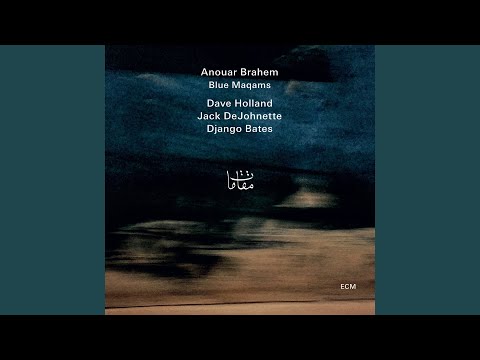
4. マグレブのアンビエント・チェンバー・ジャズ:Blue Maqams – Anouar Brahem

(深い傾聴と機能的な静寂の、微細な錬金術)

この旅を締めくくるにあたり、私たちはジャズのテンポ感と精神的な空間の関係性を再定義するアルバムに目を向ける必要がある。これまでの作品が複雑なポリリズムや高揚するボーカルのピークで繁栄していたのに対し、チュニジアのウードの巨匠、Anouar BrahemのBlue Maqams(2017年)は、深く意図された「抑制」の領域で機能している。

このECMのリリースにあたり、Brahemは文字通りジャズ界のロイヤルファミリー(至高のラインナップ)を集結させた:

  • Anouar Brahem(ウード)
  • Dave Holland(ダブルベース)
  • Jack DeJohnette(ドラム)
  • Django Bates(ピアノ)

紙の上でHollandやDeJohnetteといったレジェンドの名を見ると、ドライヴィングでハードにスウィングするポスト・バップのセッションを期待するかもしれない。しかし、Blue Maqamsはモダン・ジャズ特有の焦燥感をすべて削ぎ落としている。もしあなたが肉体的で強烈なジャズのグルーヴを求めているなら、このアルバムにそれを見つけることはできない。その代わり、リズムセクションは完璧な「引き算の美学」を実践し、押し付けがましい推進力ではなく、ミニマルで広大な鼓動を提供している。

このアルバムを絶対的な傑作たらしめているのは、その「二面性」だ。一方では、Brahemの微分音ウードとDjango Batesの輝くようなピアノとの繊細な対話が、深く集中して聴く(アクティブ・リスニング)リスナーに豊かな報酬を与えてくれる。しかしその一方で、ECMらしい純度の高いアコースティックの残響と、人の意識を邪魔しない穏やかなテンパー(気質)は、現代のインストゥルメンタルミュージックにおける、最も優れたアンビエント(環境音楽)的体験の一つとして機能する。

これは、聴き手の心を決してかき乱さないアルバムだ。深い思考、執筆、あるいは創作活動のための非の打ち所がない音響的背景を探している人にとって、Blue Maqamsは高度な芸術的聖域として機能する。ジャズにおける最も深い精神的表明とは、時に、絶対的な静寂の中で囁かれるものであることを証明しているのだ。

YouTube video

おわりに

これら4つの作品は、ジャズが普遍的なキャンバスであり、イスラム音楽世界の深遠な精神的深みを吸収し、反映する独自の能力を持っていることを証明している。

Making Musicの繊細な室内楽的フュージョン、Electric Sufiのエレクトロ・ミスティシズム、Not Twoの轟くようなマカーム・ビッグバンド・グルーヴ、そしてBlue Maqamsの静謐でアンビエントのような集中力。どのアルバムも、あなたの耳に忘れられない旅を届けてくれるはずだ。

When people think of Sigur Rós, they picture Jónsi's falsetto, the bowed guitar, the drift of meaningless syllables in Vonlenska. But behind that sound stands an American artist who arrived from outside Iceland. Alex Somers is not a member of the band, yet he was Jónsi's partner for over a decade — and since 2005 has been one of the most crucial figures in shaping the group's ambient depth.

A Meeting in Boston

Alex Somers was born in Baltimore, Maryland in 1984. At thirteen, alongside a guitar he received for Christmas, he acquired a Tascam four-track recorder and fell into a fascination with recording itself. “It wasn't about playing an instrument,” he recalled. “It was about controlling my own sonic environment.” He taped down keyboard keys with his brother, letting drones run for days. This analog experimentation became the root of everything that followed.

What matters here is that Somers went on to study at the Berklee College of Music in Boston, completing a double major in film scoring and music therapy — a full formal music education. Berklee's curriculum gave him a rigorous grounding in orchestration, music theory, and scoring technique, producing in Somers a rare duality: the instinctive experimenter and the structural designer who could build music on paper.

Sigur Rós, for all their musical grandeur, are a band whose language grew from intuition rather than academic training. Jónsi is a self-taught guitarist and the poet who invented Vonlenska; the band's entire vocabulary was shaped by feeling and experiment, not by the conservatoire. Somers's presence in that world is therefore strikingly singular: here was someone who could read and write orchestral scores, someone who could talk about arrangement as architecture — and he was standing closer to the band than almost anyone.

In 2002, while still at Berklee, Somers was introduced to Jónsi on the street outside the college when Sigur Rós came through Boston on tour. Jónsi is openly gay, and the two became a couple almost immediately. In the early months of the relationship, Jónsi would stay at Somers's Cambridge apartment between tours and recording sessions. Then in 2005, Somers made the decision to follow Jónsi to Reykjavík. The fact that a boy from Baltimore left his home country to live with his partner in Iceland is the origin point for everything that came after. In Reykjavík, Somers also enrolled at the Iceland Academy of the Arts (Listaháskóli Íslands) to study visual art. “Art school was far more musical than music school,” he later reflected. “Almost all my classmates were playing and experimenting. At music school, most people were just studying music.”

Riceboy Sleeps — Collaboration as Silence

Living together in Reykjavík as a couple, music became inseparable from daily life. They recorded at home — the string quartet Amiina (longtime Sigur Rós collaborators) playing in the living room, the Kópavogsdætur Choir recorded in the same apartment. That handmade quality became embedded in the texture of the sound.

In February 2009, the pair retreated to a solar-powered raw-food commune in Hawaii to mix the tracks they had been recording intermittently over several years. Released that July as Riceboy Sleeps, under the name Jónsi & Alex, the album presented a world distinct from Sigur Rós's post-rock grandeur — more delicate, more ethereal, acoustic instruments and choir dissolving into one another.

Somers later recalled: “Before I opened a studio, music was always just in the house. It came from the walls. That felt very natural.” Riceboy Sleeps is that naturalness preserved in amber.

Somers's Berklee training works quietly in this album. Combining Amiina's string quartet with the Kópavogsdætur Choir, shaping each piece so that the whole functions as a structure of silence — that is not something made by instinct alone. It requires someone who understands the grammar of music as a language.

YouTube video


All Animals — A Commission Born in a Biennial

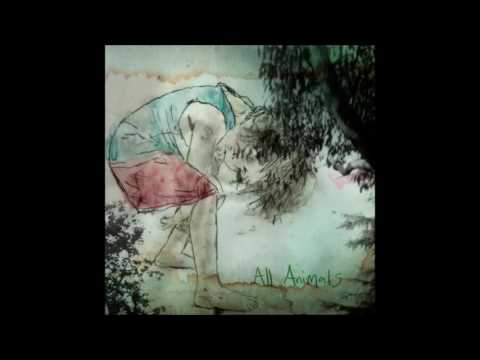
The Jónsi & Alex work All Animals has a different origin entirely from Riceboy Sleeps. It was commissioned by Thyssen-Bornemisza Art Contemporary (TBA21) for The Morning Line, a monumental public art structure designed by artist Matthew Ritchie. The piece was written and recorded in September 2008 in Reykjavík, using primarily acoustic instruments — piano, voice, and animal sounds.

The Morning Line itself was first unveiled at the 3rd Seville International Contemporary Art Biennial in 2008: a structure 8 metres high and 20 metres long, built from 17 tonnes of coated aluminium, conceived as a platform for exploring the intersections of art, architecture, music, mathematics, cosmology, and science. Jónsi & Alex were not the only composers commissioned — alongside them were Bryce Dessner, Mark Fell, Lee Ranaldo, Chris Watson, and others, each contributing works encoded for the installation's 47-channel spatial sound system.

All Animals was later included as a bonus CD in the limited-edition Riceboy Sleeps box set (3,500 numbered copies), first pressed on vinyl in 2017 in a run of 100 hand-painted copies, and repressed for Record Store Day 2018 in an edition of 1,000.
YouTube video


Valtari — Sculpting in Fog

Immediately after Riceboy Sleeps, Sigur Rós began attempting a new album. They started recording in 2009 — ambient sketches, long drones — but lost their sense of direction and scrapped everything in 2010, entering an indefinite hiatus. The material existed. What the band had lost was the perspective to assemble it into something coherent.

In 2011 the band reconvened, this time at Somers's Reykjavík studio. He had been brought on to mix. But after a week spent deep in the material, he found something buried there. “I realized I was listening to an amazing collection of songs,” he said. “But the guys were at a stage where they were losing focus, and it was difficult to assemble everything and make sense of it all.”

What Somers did was concrete: he surveyed the scattered drones and sketches from above, then redesigned them — deciding what to add, what to cut, how to sequence. He added texture and focus to ambient drones, presented the band with a list of overdubs to record, and encouraged them to use Icelandic lyrics in place of Vonlenska. The intuition Berklee had sharpened — the ability to think of music as a whole rather than a collection of parts — was being applied directly to a Sigur Rós album for the first time. After six weeks of sessions, the fragments coalesced into Valtari (2012). The word means “steamroller” in Icelandic; Jónsi described it as “something large that slowly rolls over you.”

Drowned in Sound wrote: “In 2011, the band alongside Alex Somers started the painstaking forensic task of piecing together a cohesive and magical work from disparate constituent parts.” It was work only someone with an outsider's perspective, a deep insider's fluency, and the structural vocabulary of a trained musician could have done.

YouTube video


Liminal — Music Living on the Threshold

In 2018, Sigur Rós launched the ambient project Liminal, run jointly by Jónsi, Alex Somers, and producer Paul Corley. Corley is an American composer and producer known for his work with Oneohtrix Point Never and Tim Hecker, and a member of the Icelandic label Bedroom Community. He became Sigur Rós's live Music Director in 2016, and has since been the electronic and sonic anchor of the band's ambient work.

Liminal means “threshold” — the project draws listeners into the membrane between waking and sleep, neither here nor there. Crucially, Liminal was made by exactly the same team as 2016's Route One. NPR introduced Liminal's launch by noting it followed “last year's Route One” by “the same crew.” Route One and Liminal are not separate works; they are the first and second movements of a sustained ambient investigation by Jónsi, Somers, and Corley.

Of Liminal Sleep (2019), the centrepiece of the project, the three wrote: “We like the fact that sleep remains defiantly mysterious; something we all do — all need to do — but can't ever get fully inside. This playlist is a modest attempt to mirror the journey of a sleep cycle, with its curves, steady states and natural transitions.”

Somers here is not merely a collaborator but one of the project's architects — weaving the entirety of the Sigur Rós catalogue, solo work, film scores, and AI-generated music into what the project describes as “a multi-faceted perspective on the whole Sigur Rós creative universe.” His lifelong understanding of ambient music as environmental design is the skeleton holding this project upright.

YouTube video

Route One — The Algorithm Drives the Ring Road

Route One precedes Liminal by two years and represents the starting point of the same team's ambient exploration. On the longest day of summer 2016, Sigur Rós drove the entire 1,332-kilometre loop of Iceland's ring road, broadcasting the 24-hour journey live on YouTube while a soundtrack was generated in real time alongside it. This was the Slow TV ambient experiment Route One — and 2016 was also the year Paul Corley joined as live Music Director and co-produced the single “Óveður.” Route One was the first fruit of the moment Somers and Corley both arrived in the band's orbit.

The music was generated using BRONZE, a dedicated generative music platform developed in 2011 by Mike Grierson of Goldsmiths University and musician Gwilym Gold. The system's design principle: “every sound is subject to a set of laws, with a new and unique track generated in real time on every playback.” It is not random — the composer sets the rules — which places it philosophically in the same lineage as Max/MSP or Pure Data, the music programming environments taught in many music schools and universities.

Multi-track stems from “Óveður” were fed into BRONZE, which endlessly recombined them in real time. That is what made 24 hours — or over 25 in the full version — of continuous music possible. This is neither a remix nor an improvisation; it is algorithmic variation, directly analogous to Brian Eno's earliest ambient experiments with tape loops displaced slightly in phase.

There is no public record of Somers directly programming the BRONZE system, but Corley's deep background in electronics work — honed across years of collaboration with Oneohtrix Point Never and Tim Hecker — likely made him the bridge between the system and the band's musical intentions. Somers, trained at Berklee in an environment where music programming tools like Max are standard, was not far from this mode of thinking either. The record of their direct involvement may be incomplete; what Route One's achievement makes clear is how naturally this team connected to the idea of composing music as programmable law.

Each track takes its name from the GPS coordinates of a stop along the road: 63°32'43.7”N 19°43'46.3”W, 64°02'44.1”N 16°10'48.5”W, and so on — location data as title. The album was initially released at Iceland's Norður og Niður festival in hand-painted sleeves by artist Sigga Björg, then repressed for Record Store Day 2018.

As Treble Zine observed, Route One bridges the placid serenity of Valtari with the ice-burned sullenness of Kveikur, a continuation of the aesthetic universe the band has been building toward: pagan sea caves, volcanic glass, old Viking space. And Route One connects directly into Liminal: the three — Jónsi, Somers, Corley — pursued throughout both projects a single consistent thought: that music need not be a finished object, but a perpetually generated environment.
YouTube video

Formal Training, and the Bridge to the Orchestra

Sigur Rós's musical language grew from somewhere other than formal education. Jónsi is self-taught; the band's entire expression was shaped by instinct and experiment rather than the conservatoire. When the band began moving seriously toward orchestral collaboration, they always needed someone who could speak that language structurally. Alex Somers filled that gap.

His Berklee training in orchestration and film scoring gave him the practical ability to write specific musical instructions for strings, woodwind, brass, and choir. When he combined Amiina's quartet with the Kópavogsdætur Choir on Riceboy Sleeps, when he layered texture and focus onto Valtari's drones, when he designed the ensemble architecture of Liminal — all of it was work that requires a trained musician's ear.

At the Barbican in 2019, Jónsi and Somers performed Riceboy Sleeps in its entirety with the London Contemporary Orchestra — 25 players spanning strings, woodwind, horns, and percussion. “It's pretty amazing that we get to play the whole album in running order with an orchestra and choir,” Jónsi said. “It brings new meaning, new life, different shades and textures.”

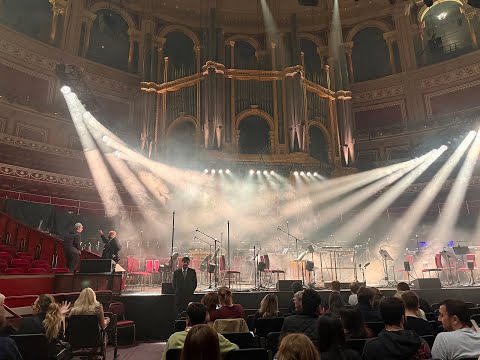
Since the release of ÁTTA in 2023, Sigur Rós have established full orchestral accompaniment as their standard touring format — conductor Robert Ames leading local 41-piece orchestras (the Wordless Music Orchestra, the LCO, the Detroit Symphony Orchestra, and others) across Europe and North America. In 2025, at the Royal Albert Hall, they performed “Ára bátur” live for the first time with the LCO. The 2026 final tour leg has seen them collaborate with the Scottish Chamber Orchestra, the Bilbao Symphony Orchestra, and others city by city.

The foundation for all of this was laid over years: the string arrangements of Riceboy Sleeps, the layering on Valtari, the ensemble design of Liminal — work that only someone with formal musical training could have done. That Sigur Rós now stand in the world's great concert halls alongside full orchestras owes something, at least in part, to this accumulated groundwork.
YouTube video

Takk... (The Tape Variations) — Tape as Memory

In December 2025, Sigur Rós released Takk... (The Tape Variations): a full reworking of the 2005 classic by Sidney Satorsky, a Toronto-based producer. “Takk... has been one of my favourite albums since it was released 20 years ago,” Satorsky wrote. “When I was invited to collaborate, I wanted to explore creating alternate versions of the songs that felt at home somewhere between sleep and awake.”

Satorsky had already served as co-producer on Jónsi & Alex's Lost and Found (2019), placing him well inside this ambient creative orbit rather than as an unknown outsider.

A suggestive thread runs through the choice. Alex Somers has been manipulating tape since he was thirteen — layering recordings on a Tascam, building environments from sound. The official description of Lost and Found explicitly cites “tape experiments” as central to the work. In Satorsky, Somers may have found a collaborator who shared not just musical sensibility but a particular relationship to tape as material — the sense that recording is less about capture than transformation. Tape is, for Somers, the origin point of what it means to make music at all. That memory and aesthetic instinct may well have shaped the eye that selected the person to reinterpret a twenty-year-old masterpiece.

YouTube video

What One American Changed

If Alex Somers's contribution must be summarised in a phrase, it is this: an ear that could speak the inside language from the outside. He was never a band member, but by living in Reykjavík with Jónsi as his partner, he came to understand Sigur Rós's musical grammar more deeply than almost anyone. The two separated in 2019, but their creative relationship has continued — Jónsi and Somers remain collaborators and friends.

His film-scoring training at Berklee, his immersion in visual art at the Iceland Academy of the Arts, his lifelong accumulation of tape experiments — all of these fed into a singular role in Sigur Rós's ambient deepening.

In Valtari, he sculpted material out of fog. In Liminal, he designed the border between sleep and music. In Route One, he helped set algorithm and Icelandic geography dissolving into one another. In Takk... (The Tape Variations), he passed a love of tape as material to the next collaborator in the circle. These are not separate events — they are expressions of a single coherent sensibility.

Sigur Rós remains Sigur Rós. But much of the ambient depth in their music may trace back to the moment a boy from Baltimore first put his hands on a Tascam four-track at the age of thirteen — and realized that sound was an environment you could control.


For deep music researchers, late-night radio has always been a sacred sanctuary. Yet, as algorithms commodify music into passive “lo-fi study beats” and predictable streaming mood playlists, true artistic curation is becoming a rare luxury.

If your ears crave structural intelligence, raw sonic textures, and absolute genre defiance, there is one broadcasting milestone that you must hear: BBC Radio 3's Late Junction.

The Turbulent History: A Schedule Fight That Gave Birth to Two Distinct Visions

To understand the weight of Late Junction today, one must understand the institutional battle behind its current shape — and the sister programme that emerged from it.

For nearly two decades, Late Junction was a multi-night weekday staple on BBC Radio 3, a legendary zone where boundaries vanished. In 2019, BBC management underwent sweeping schedule overhauls and budget reallocations, proposing to cut Late Junction's weekday footprint dramatically. The response from the global music community was swift and fierce. Hundreds of artists and cultural figures — including Brian Eno, Jarvis Cocker, Peter Gabriel, and Radiohead's Ed O'Brien and Phil Selway — signed a widely publicized open letter, arguing that diminishing Late Junction's radical freedom would cut off a vital lifeline for independent and experimental art.

The compromise reshaped Radio 3's late-night identity rather than simply shrinking it. Late Junction was consolidated into a concentrated, once-a-week 90-minute slot every Friday night. In its place, the weekday evenings were handed to a brand-new programme built around a different philosophy: Night Tracks.

It would be easy to read Night Tracks as a consolation prize — the “safe” option that replaced something braver. But that undersells what it actually does. Night Tracks wasn't designed to be Late Junction-lite; it was designed to solve a problem Late Junction was never trying to solve: how do you give listeners a sustained, immersive late-night listening environment, night after night, that still takes contemporary classical, ambient, and cinematic sound seriously as art rather than wallpaper?

The Format: Two Different Kinds of Curatorial Mastery

Because Late Junction is now condensed into a single weekly slot, its curation has become astonishingly potent. In a single Friday broadcast, the programme effortlessly links early music's raw, historically informed Renaissance polyphony, the cold restraint of avant-garde Nordic jazz improvisation, unvarnished field recordings of traditional music from remote corners of the globe, and left-field experimental sound art. There is no academic pretension — the show treats a 400-year-old sacred vocal piece as having the same spiritual gravity and structural ambition as a modular synthesizer track recorded last month in an underground studio.

Night Tracks operates on a different, equally deliberate logic. Where Late Junction prizes friction and collision, Night Tracks prizes flow — and that is a genuine curatorial skill, not an absence of one. Presented largely by Elizabeth Alker, it has become one of the most important platforms in the UK for contemporary classical and ambient composers to reach a real audience: first plays and premieres from artists like Erland Cooper, Max Richter, Hania Rani, and Floating Points have lived on Night Tracks. For many listeners, Night Tracks is the gateway — the programme that first makes ambient and modern classical feel emotionally accessible at midnight, before they're ready for Late Junction's sharper edges. Its seamless, mood-led sequencing isn't a compromise; it's a craft of its own, closer to DJ set construction than playlist algorithm, built around pacing, key, and texture rather than genre-clash.

I show you one of the recent one of Night Tracks playlist.

#曲名アーティスト
1China GatesJohn Adams
2Hoppipolla - The Tape VariationsSigur Rós
3Prelude Op. 9 No. 1Alexander Scriabin
4Talking RainLarry Chernicoff
5Ambient BeautyThomas Newman
6Shoulder Length (Solo Piano Version)Thomas Newman
7Love SceneGavin Bryars
8Syncopes (From "The Talented Mr Ripley")Gabriel Yared
9Der LeiermannFranz Schubert
10Improvisation on Der LeiermannFranz Schubert
11Winter 2Antonio Vivaldi & Max Richter
12White Landscapes, Op. 47a: I. Divination by SnowTakashi Yoshimatsu
13Come, Heavy SleepJohn Dowland
14Nocturnal After John Dowland, Op. 70: IX. Slow and QuietBenjamin Britten
154 Last Songs: No. 3, TiredRalph Vaughan Williams
16Lux AeternaIvo Antognini
17Near LightÓlafur Arnalds
18Innerglow Portal / Aqua Drawer LampImaginary Softwoods
19Handel: "Will the Sun Forget to Streak" from Oratorio 'Solomon', HWV 67George Frideric Handel
20Tilliboyo ("Sunset")Foday Musa Suso
21Di sera for 2 Oboes & Strings, P. 48Ottorino Respighi
22The LightGeorgia Duncan

As this playlist shows, Night Tracks is probably the only program that plays the great American minimalist composer John Adams, post-rock pioneers Sigur Rós, and the great modern composer Schubert all in the same set. I think it's a good entry point for people who aren't well-versed in jazz or classical music — there's less of a barrier coming in through this show.

The Format: Uncompromised, High-Art Curation

Because Late Junction was condensed into a single 90-minute weekly slot, its curation has become astonishingly potent. Where Night Tracks aims for late-night soothing continuity, Late Junction chooses absolute creative friction and adventure.

In a single Friday broadcast, the program effortlessly links: * Early Music (古楽): Raw, historically informed performances of Renaissance polyphony or ancient medieval lute dynamics. * Avant-Garde Jazz: The fierce, cold restraint of modern Nordic improvisation. * Field Recordings & Traditional Music: Unvarnished, tactile folk recordings from remote corners of the globe. * Experimental Sound Art: Left-field electronic subversion, industrial noise, and fiercely independent avant-pop.

There is no academic pretension. The show explicitly demonstrates that a 400-year-old sacred vocal piece shares the exact same spiritual gravity, structural ambition, and artistic DNA as a modular synthesizer track recorded last month in an underground studio.


The Verdict: An Essential Use of a VPN

While casual listeners might find the ambient flows of Night Tracks sufficient for background noise, serious music enthusiasts will find Late Junction to be an indispensable masterclass.

Due to strict BBC Sounds geo-blocking for on-demand archives, navigating a reliable VPN to access the UK servers is more than just a technical workaround—it is a vital investment in your artistic lifestyle. It offers an uncompromised passport to a world of deep listening that no corporate streaming algorithm can ever replicate.

Turn off the automated recommendations. Fire up your VPN on a Friday night, open BBC Sounds, and let Late Junction take you on a true musical journey.

概要: ハイエンドスピーカーで『スリープ』を流したら、眠れなかった。低音が強すぎて、部屋が震えた。それはリヒターが意図してそう設計したからだ。神経科学者と共同で、人間の脳の睡眠サイクルを模した周波数を埋め込んで。この記事では、クラシックの正規教育を受けながらアンダーグラウンド・ミニマリズムに革命を起こしたマックス・リヒターの技法——シンセを「見えなく」する方法、フェルト・ピアノが生む音の錯覚、そして彼のプロダクションがなぜあれほど「身体に届く」のか——を解剖する。

最高のオーディオファイル体験のはずだった。マックス・リヒターの8時間に及ぶ傑作『スリープ』をハイエンドのフルレンジスピーカーで流し、布団に潜り込んで、音楽に身を委ねながら至福の眠りへと漂っていく——。

しかし結局、スピーカーのイコライザーで低音増幅をオフにするはめになった。

原因は、あの圧倒的なまでに深く響く低音域だ。サブベース周波数を精緻に再現できるプレミアムスピーカーを通すと、『スリープ』は穏やかな子守唄から、部屋全体を物理的に振動させるイマーシブな音響体験へと変貌する。身体は休息を求めているのに、耳はまったく別のものに釘付けになってしまった——リヒターのプロダクションの、圧倒的な完成度に。

この体験は私にあることを気づかせた。リヒターは単に優れた作曲家というだけでなく、ポスト・クラシカルという動きの決定的な建築家であり、クラシック音楽の伝統と現代電子音響の頂点で仕事をしているのだと。

マックス・リヒターとは何者か

マックス・リヒターはドイツ・ハーメルン生まれのイギリス人作曲家で、イングランドのベッドフォードで育った。クラシックの伝統と現代的な電子音楽要素をシームレスに融合させるその作風は、コンテンポラリー・アンビエントとポスト・ミニマリスト音楽の開拓者として彼を世界的な地位に押し上げた。その音楽は、深く心を動かす美しさで世界中から支持されている。

同じ領域で活動する多くの現代作曲家とリヒターを隔てるのは、その正規教育の深さだ。彼はエジンバラ大学で作曲とピアノを学び、続いてロンドンの王立音楽院(Royal Academy of Music)で研鑽を積み、さらにフィレンツェで20世紀アヴァンギャルド音楽の巨人ルチアーノ・ベリオに師事してその学びを完成させた。この三段階の正規クラシック教育によって、表面がどれほどアンビエントで電子的に聞こえようとも、リヒターの書くものすべてを支える音楽構造・和声・オーケストレーションの確かな土台が築かれている。正規のクラシック教育を受けた作曲家の中で電子音楽を取り入れた者は多いが、リヒターはその最も洗練された実践者の一人だ——シンセサイザーを表面的な美的装飾としてではなく、弦楽四重奏と同じ意図性を持つ、完全に統合された作曲ツールとして使いこなしている。

ピアノ・サーカスからラジカルなミニマリズムへ——ポスト・クラシカルの設計図

リヒターのサウンドスケープがなぜあれほど催眠的で身体的な力を持つのかを理解するには、「親しみやすいクラシック」というラベルの先を見る必要がある。リヒターは、20世紀の厳格なアヴァンギャルド・ミニマリズムと21世紀の電子的な音風景を繋ぐ、決定的なミッシングリンクだ。

エジンバラ、王立音楽院、そしてフィレンツェでのベリオのもとでの学びを経て、リヒターは1989年にピアノ・サーカスを共同設立した。この現代アンサンブルで10年間、6台のピアノのために書かれた難度の高い複雑なレパートリーを演奏し続け、スティーヴ・ライヒ、フィリップ・グラス、テリー・ライリーの厳格で催眠的な構造にどっぷりと浸かった。

ピアノ・サーカスが培ったもの: * 反復の美学:ループの技法を極め、聴き手の時間感覚を変容させること。 * パルスの精度:従来の旋律的ナラティブではなく、微妙な位相のずれとマイクロリズムによって音楽を前進させること。

しかしリヒターの才能の核心は、自分を形成したその流派にあえて反旗を翻す意志にあった。20世紀中盤のミニマリズムが数学的・学術的で感情から切り離されていたのに対し、リヒターが求めたのは深く人間的な何かだった。

ピアノ・サーカスを離れた後、彼はそのミニマリズムの骨格に命を吹き込んだ。豊かで映画的なロマン主義を注入し、アンダーグラウンドのクラブカルチャーとアンビエント・エレクトロニカから吸収したサブベースの重みと結婚させた。学術的なミニマリズムを解体し、深い感情的共鳴を持つものとして再構築するこの急進的な行為こそが、リヒターをポスト・クラシカルというジャンルの開拓者として確立させ、その作品を単なる映画音楽やネオクラシカルの模倣から遠ざけた。

Steve Reich: Six Pianos YouTube video

見えないシンセの技法——クラシックの領域に電子音を密輸入する

多くの現代クラシック作曲家はシンセサイザーを光沢あるペンキのように扱う——「現代的」に聞かせるためにオーケストラの上から塗り重ねるのだ。しかしリヒターは、電子的要素をアコースティック・アレンジメントのDNAに直接織り込む。SFチックな未来主義のためにシンセを使うのではなく、クラシック楽器の感情的・物理的な限界を拡張するために使う。

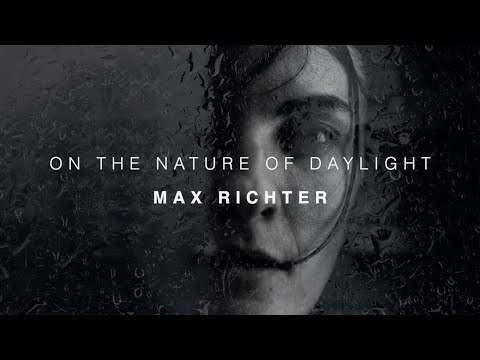
この熟達ぶりの最も分かりやすい例が、彼の代表作 「オン・ザ・ネイチャー・オブ・デイライト」 に見られる。

【弦楽五重奏】 
          │
          ▼ (リヒターの逸脱)
【サブベース・シンセが最低音域のチェロ/コントラバスを代替する】
          │
          ▼
【結果:胸を打つ、超自然的な感情の重み】

この曲では、通常コントラバスやチェロが担う最低音域に、リヒターは密かに低く広がるシンセサイザーを忍び込ませる。そのシンセは弦楽器の弓奏の表情を模しながらも、木製楽器が物理的に決して到達できない純粋で根源的な低周波の重みを持続させる。「電子的」と叫ぶのではなく——むしろチェロが突如、超自然的で胸の締め付けられるような深みを獲得したのだと、耳を錯覚させるのだ。

YouTube video

フェルト・ピアノ——テクスチャーそのものが楽器になる

シンセサイザーの使い方に加え、リヒターはマイクロ・テクスチャーの達人でもある。その最も象徴的な例が、フェルト・ピアノへの傾倒だ。

ピアノのハンマーと弦の間にフェルトの層を挟むことで、楽器本来の鋭い打鍵アタックが消音される。残るのは柔らかく羽根のような音色——鍵盤の鈍い打音、ペダルの軋み、空気の流れといった、ピアノ内部の機械的なささやきをたっぷりと含んだ響きだ。

音の錯覚: スタンダードなグランドピアノの明るい高音域を取り除くことで、リヒターは即座に親密さの感覚を生み出す。フェルト・ピアノはシンセサイザーとまったく同じ温かみのあるミッドレンジ周波数を占有し、アコースティックと電子的な要素がひとつのシームレスな楽器へと溶け合うことを可能にする。

なぜスリープは重厚なサブベースのマスタークラスなのか

話は冒頭のあのスピーカー体験に戻る。標準的なヘッドフォンやカジュアルなスマートスピーカーで聴くと、この曲は心地よいアンビエントの漂いのように聞こえる。しかし本格的な低域再生能力を持つ高忠実度スピーカーで鳴らすと、隠されていた世界が解き放たれる。

ピアノ・サーカス時代に磨き上げたミニマリスト的反復が、最先端のオーディオエンジニアリングと融合する瞬間だ。リヒターは『スリープ』を意図的に人間の身体と相互作用するよう設計した——人間の脳のスロー・ウェーブ睡眠サイクルを模した低周波サイン波と、脈動するシンセ・ドローンを多用することで。ハイエンドのシステムで聴くと:

  • サブベース・ドローン:単に音符を鳴らすのではなく、部屋を加圧する。低音域は物理的な重みとして機能し、深いREM睡眠に落ちる際の重く温かな感覚を模倣する。
  • 深いサウンドステージ:電子的なテクスチャーが弦楽器のアコースティック音の周囲に広大な3D空間を生み出し、音楽は無限の海のように感じられる。

サブベースの科学——リヒターの意図的な設計

なぜ『スリープ』はフルレンジの再生環境を必要とするのか。それを理解するには、リヒターがこの作品を神経学的な観点からどのように設計したかを見る必要がある。アルバム制作に関するインタビューで、リヒターは深い休息中の脳の振る舞いを模倣するために神経科学者に相談したことを明らかにしている。具体的には、人間のニューロンが約10Hzのリズムで同期発火する「スロー・ウェーブ」睡眠段階をターゲットにした。レッドブル・ミュージック・アカデミーとの対話でリヒターが語ったように、この10Hzという周波数は抽象的な概念ではなく、物理的な音として直接変換される——「それはサブ(低音)そのものです。バス、つまり低音域——それが私の住んでいる場所なんです」と。さらにCBCとのインタビューでリヒターは、アルバムの低音域の物理的な性質を強調した——「この曲はサブソニクス(超低音域)に多く作用します。非常に低い周波数——身体で感じるんです。ある意味、それがあなたを……神経科学者は『リズミック・エントレインメント(リズム的同期)』と呼ぶでしょうが——身体のテンポを同期させるんです」と。リヒターが設計したこの構造的なサブベースの波動を、人間の聴覚の物理的な限界付近まで再現できるハイエンドのオーディオ環境なしには、彼が作り込んだ「子守唄」的な効果は聴き手に完全には届かない。

YouTube video

なぜリヒターはこれほど有名なのか

マックス・リヒターの名を世界に知らしめたのは、ヴィヴァルディの「四季」という傑作を鮮やかに再解釈した作品だった。「リコンポーズド」がクラシック音楽の地平を広げた傑作であることは疑いようがない。しかし私が深く惹かれるのは、彼の才能の別の側面だ。ヴァージニア・ウルフの文学世界を原作とするバレエ——「ウルフ・ワークス」——のために書かれた音楽こそ、より深い達成だと思っている。 「ウルフ・ワークス」においてリヒターは、単に物語を音で彩るのではなく、ウルフの感覚的で流動的なテキストの本質そのものを、息をのむような音響的建築へと翻訳している。時間がループするような断片で構成される「ダロウェイ夫人」から、微妙に変容しながら性別すら越境していく「オーランドー」の変奏、そして圧倒的で宇宙的な波動を持つ「チューズデイ」へ——この音楽は比類のない構造的厳密さと感情的深みを持っている。 「ヴィヴァルディ・リコンポーズド」が過去の名作を再解釈する卓越した技量を示しているとすれば、「ウルフ・ワークス」はリヒターの独自の語り手としての能力が絶頂に達した作品だ。音楽が人間の心理的な内面性そのものを体現できることを示す、鮮烈な証明——私にとって、これこそ彼のキャリアにおけるより優れた、より永続する傑作である。

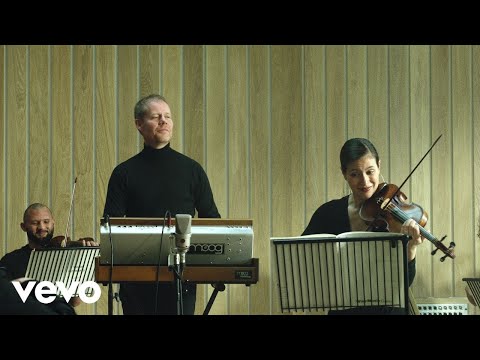
これはマックス・リヒターのヴィヴァルディ「春」第1楽章の映像で、彼がMoogシンセサイザーを演奏しています。 YouTube video

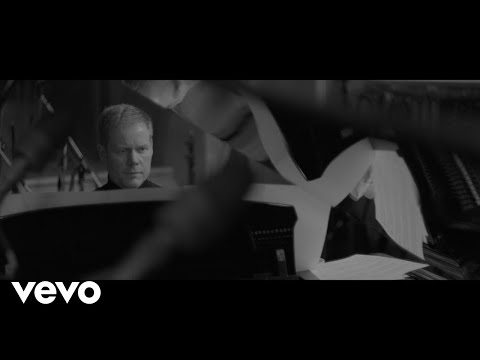
これはマックス・リヒターの「wolf works」からの一曲で文学から影響を受けた抒情的な魅力にあふれています。 YouTube video

現在へ:『イン・ア・ランドスケープ』

このリヒター固有の融合の技法が頂点に達したのが、最新アルバム『イン・ア・ランドスケープ』だ。自身の創造的ビジョンのためだけに設計されたエコ意識の高い専用スタジオ「Studio Richter Mahr」で録音されたこの作品は、モジュラーシンセサイザーとクラシック弦楽器をシームレスに融合させる、これまでで最も親密なマスタークラスとして聳え立つ。

YouTube video

おわりに

マックス・リヒターの天才性は、その抑制にある。合成音をオーガニックに、有機的な音をエーテリアルに聞かせる技法を彼は極めた。ミニマリズムの厳格な規律に根ざし、電子的なテクスチャーでそれを拡張することで、現代音楽の新たな語彙を生み出した。

ハイエンドのオーディオシステムで『スリープ』を聴くなら、あまりにも精巧に設計され、テクスチャーが豊かすぎて、低音が強すぎて、実際には眠れないかもしれない。私のアドバイスはこうだ——プロダクションの魔法を本当に堪能したいなら、昼間にハイエンドスピーカーで。本当に眠る必要があるときは、シンプルなイヤーバッズで聴こう。

概要: 鳥の鳴き声、波の音、熱帯雨林の昆虫たち——それらはすでに、ミキシング・デスクを必要とせず、周波数帯を分割し、完璧なポリフォニーを実践している。音響生態学者クラウスの「生物音響圏」理論と、UKの伝説的レーベルTouchがリリースしたフィールド・レコーディング作品を手がかりに、「人間が音楽と呼ぶもの」の起源を問い直す。シンセサイザーのドローンを聴くとき、あなたは機械を聴いているのか、それとも熱帯の昆虫たちの古代の咆哮を聴いているのか。

人類は何世紀にもわたって、音楽の起源をめぐる議論を続けてきた。音楽は純粋に人間が生み出したもの、数学的美の抽象的な表れなのか?それとも本質的には、自然界の精巧な模倣なのか?

音響生態学の分野に目を向けると——とりわけ**クラウスの「生物音響圏(Biophony)」**の概念を通じて——自然界こそが究極のオーケストラであることが見えてくる。この理論によれば、発声する生物はそれぞれ固有の周波数帯を占有し、互いの干渉を避けているという。

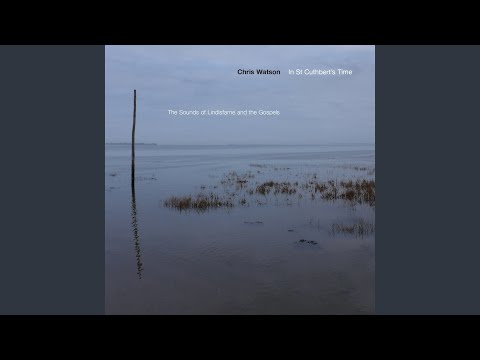
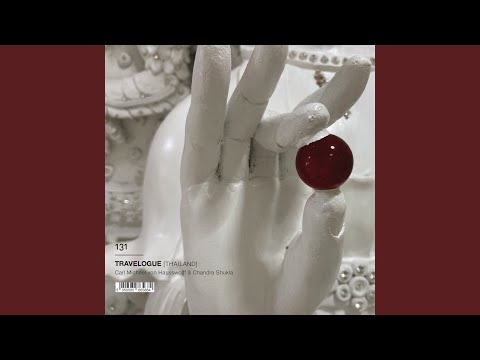
伝説的なアヴァンギャルド・レーベル Touch がリリースした2作品は、この概念を完璧に体現している。Chris Watsonの In St Cuthbert's Time と、Carl Michael von Hausswolff & Chandra Shuklaの Travelogue: Thailand だ。どちらの作品も、私たちが「音楽」と呼ぶものが、すでに自然界で——進化の設計によって完璧に調和されながら——起きていることを示している。

In St Cuthbert's Time が描く音響のニッチ

フィールド・レコーディングの巨匠であり、Cabaret Voltaireの創設メンバーでもあるChris Watsonは、この作品でリンディスファーン聖地島へと私たちを連れていく。7世紀の風景を音によって再構成した本作が捉えているのは、混沌とした騒音の壁ではなく、高度に組織化された音響建築だ。

  • 低域: 北海の波が刻む、リズミカルで重厚な鼓動——まるでリズム・セクションのように。
  • 中域: 渉禽類や哺乳類の、明瞭で旋律的な鳴き声が絶妙なタイミングで折り重なる。
  • 高域: アジサシやカモメの鋭い叫びが、風の中を切り裂く。

Watsonが自ら配置する必要はない。生物たちはすでに、数千年の歳月をかけて自らを配置してきたのだから。それぞれの生き物が固有の周波数帯を占有し、自分のメッセージを確実に届けようとする——その結果として、自然発生的かつ完璧なハーモニーが生まれる。

YouTube video

Travelogue: Thailand が描く空間的ポリフォニー

荒涼としたイギリスの海岸から、密度の高い熱帯の湿気へ。Carl Michael von HausswolffとChandra Shuklaによる Travelogue: Thailand は、自然の交響楽を別の角度から捉えた作品だ。

熱帯雨林では、音響空間をめぐる競争が熾烈だ。本作が記録するのは、ほとんど電子音楽のように聞こえる、密度の高い音のグリッドだ。

  • 昆虫たちはアナログ・シンセサイザーを思わせる精密な高周波の振動に収束する。
  • 両生類が中低域のドローンを維持する。
  • 鳥たちが鋭くリズミカルな音で林冠を突き抜ける。

これを聴くと、「自然の音景」と「ドローン/ノイズ・ミュージック」の境界線が完全に溶ける。タイのジャングルに生きる生物たちは、現代の通信機器がそうするように——互いの信号を妨害しないために周波数を切り替えながら——空間的ポリフォニーを実践しているのだ。

YouTube video

Touchという現象——それは単なるレコード・レーベルを超えている

これらの作品を語るうえで、1982年にJon WozencraftとMike Hardingが設立したUKのオーディオ・ヴィジュアル・レーベル Touch の特異な重要性を避けることはできない。

Touchはアンビエントや実験音楽のレーベルというに留まらない。**集中した聴取(focused listening)**を世に問う、唯一無二のキュレーターだ。

Touchが特別な理由

  • 音の地位を高める: Touchはフィールド・レコーディングを「効果音」や「背景テクスチャー」としてではなく、正真正銘の音楽作品として扱った。嵐の中の鳥の声は、コンサートホールのヴァイオリニストと同じくらい卓越した表現であることを、聴衆に気づかせたのだ。
  • 多感覚的な哲学: Jon Wozencraftの鋭く純度の高い写真と、ジャケットの緻密なタイポグラフィによって、Touchは音世界への物理的な入口をつくる。そのアートワークは、音が地理・生態・時間と深く結びついていることを常に思い起こさせる。
  • 芸術としての音響生態学: Touchは科学としての音響生態学と高度な芸術の橋渡しをした。自然界の生存戦略——周波数の棲み分け——こそが、人間のミニマリズム、ドローン、アンビエント音楽の真の設計図であることを証明したのだ。

Fennesz——ギターノイズが環境音になるとき

Touchからリリースを重ねるオーストリアのアーティスト、Fennesz(クリスチャン・フェネス)は、まったく逆の方向から同じ音響的領域へと到達した存在だ。WatsonやVon Hausswolffが自然界を直接捉えるのに対し、Fenneszはギターをデジタル処理の幾重もの層で破壊し尽くす——そこに残るのは、環境音と区別のつかない何かだ。揺らめき、呼吸し、生きている。 楽器は消え、地球が残る。

YouTube video

結論——究極の模倣

では、音楽とは究極的に自然環境音の模倣なのか?

In St Cuthbert's TimeTravelogue: Thailand は、強くその肯定を示唆している。人間が波形を合成し、合唱を編曲するはるか以前から、自然界はすでにミキシング・デスクを完璧に操っていた。周波数帯は割り当てられ、音は水平線を越えてパンされ、音量は生存のために完璧にバランスされていた。

私たちが音楽を作るとき、それは無から何かを生み出しているのではない。地球の古くて完璧に調和された言語を——Touchが何十年もかけて美しく記録し続けてきたその言語を——ただ思い出しているに過ぎないのかもしれない。

あなたはどう思いますか?シンセサイザーのドローンを聴くとき、あなたは機械の音を聴いているのか、それとも熱帯の昆虫たちの古代の咆哮を聴いているのか?

概要 アンビエント音楽はBGMだと思っていた。意識して聴くものではなく、日常の壁紙のような存在だと。その認識を完全に粉砕した3組がいる。リズムをアンビエントに持ち込んだHelios、デジタルグリッチと坂本龍一のピアノが「間」の沈黙を楽器にしたAlva Noto、そしてノイズ・ギターを印象派の風景画に変えたFennesz。この記事は、アンビエント音楽が「受動的な空間」から「能動的な視覚体験」へと変容する瞬間の記録だ。

長い間、私とアンビエント音楽の関係はシンプルだった。それは実用的な背景音だった。心を落ち着かせるための、静かなドローンの織物——日常生活の壁紙へと溶け込んでいく、意識して聴くものではない音楽。

そんな私の前に、3つの音楽的衝撃が現れた。

彼らは単に私のジャンルへの認識を揺さぶったのではない。完全に粉砕したのだ。アンビエント音楽とは単なる受動的な空間ではなく、鋭い精度と微細な緊張感、そして圧倒的な視覚的美しさを持つ景観になり得ると、彼らは証明した。これが、すべてを変えた3組のアーティストだ。

1. Helios——リズムの常識を覆すマスタークラス

アンビエント音楽の慣習として、時間の消去が求められることが多い。あの無重力の漂いを実現するために、まず打ち捨てられるのがパーカッションだ。しかしHelios名義で活動するKeith Kenniffは、ドラムの独創的で洗練された使い方によって、その定石をひっくり返した。

これは偶然ではない。Kenniffはバークリー音楽大学で打楽器と作曲を専攻した正規の音楽教育を受けたミュージシャンだ。そして彼の活動はHeliosにとどまらない。Goldmundという別名義では、アンビエントとポスト・クラシカルが交差する地点に息づく、端正で美しいソロ・ピアノ作品を生み出している。

Heliosはリズムでダンストラックを作るのではない——パーカッションを映画的なアンカーとして使う。彼のドラムは驚くほど精巧で、しばしばクリアで有機的、接近マイキングによって柔らかく触感的なクランチを帯び、完全に人間的な質感を持つ。

アンビエントの霧を乱すのではなく、リズムは鼓動として機能する。ドラムは豊かで映画的なギターとピアノのうねりを正確に切り裂き、見事な対位を生み出す——メロディのパッドが漂いへと誘う一方で、精緻なパーカッションは現在にとどまることを要求するのだ。Heliosは私に教えてくれた。アンビエント音楽は、勢い、構造、そして感情的な切迫感を持つことができると。

YouTube video

2. Alva Noto + 坂本龍一——グリッチと崇高さの融合

Heliosが漂流に構造をもたらしたとすれば、ドイツの電子音楽の巨匠Carsten Nicolai(Alva Noto)と、比類なき坂本龍一との歴史的コラボレーションは、音の質感そのものを再定義した。

二人の共作アルバム(VrioonInsenなど)は対比のマスタークラスだ——冷たい未来と人間の魂の間で交わされる、息をのむような対話として機能する。

  • Alva Notoの冷たい精度:デジタルグリッチ、微細なレーザーのクリック音、そしてデジタルキャンバスの鋭く冷たい輪郭を描く澄んだサブベース。
  • 坂本龍一の温かな親密さ:サステインと脆さと共鳴に満ちた、完璧で空間的なアコースティック・ピアノの和音。

「間」の魔法

このペアリングの真の天才性は、二つの対立する世界がいかに融合するかにある。坂本のピアノの音は電子音の上に乗るのではなく、電子音に抱かれる。温かく減衰するピアノの和音が、鋭いデジタルグリッチに捕まえられ、ひとつの誤りがメロディへと変わる。音符と音符の間の負の空間——その沈黙——が、呼吸する第三の楽器となる。純粋なデータと純粋な感情が溶け合い、ひとつの壊滅的に美しい言語になり得るという、驚異的な証明だ。

YouTube video

3. Fennesz——ノイズ・ギターで描く印象派の風景

多くの人にとって「ノイズ・ギター」とは、混沌、攻撃性、摩擦を意味する。しかしChristian Fenneszはギターとラップトップを使って、まったく逆のことを成し遂げる——デジタルの歪みを、陽光に満ちた純粋な高揚感へと紡ぎ出すのだ。

Endless Summerのような傑作を聴く体験は、音声トラックを聴くというより、印象派の絵画が生命を持つ瞬間を目撃するに近い。

Fenneszはアコースティックとエレクトリックのギターの弦をかき鳴らし、複雑な処理ソフトウェアに通すことで、コードを何千もの輝くホワイトホットなグリッチと静電気の破片へと砕く。しかしそのデジタルの残骸の中から、信じがたい温もりが浮かび上がる。ノイズはシフトし、進化し、うねり、鮮やかな音の振付を生み出す。聴いていると、テクスチャーは木漏れ日のように、あるいは霞んだ午後にスローモーションで砕け散る波のように、変容していく。彼はノイズを破壊の武器から、崇高な視覚的物語のツールへと変えたのだ。

YouTube video

おわりに

Helios、Alva Noto + 坂本龍一、そしてFenneszに出会う前、私はアンビエント音楽を現実から逃れるためのツールだと思っていた。今は違う——それは現実をより鮮明に見るためのレンズだと気づいた。

巧みなリズム、グリッチとピアノの融合、そして処理されたギター・ノイズの美しさを通じて、これらのアーティストたちは証明した。音と沈黙の間にある空間は、無限に広大で——そして限りなく魅力的だと。

post-rockというジャンルがある。多重レイヤーの音が絡み合い、ギターが幾重にも重なり、通常のバンド編成では不可能なはずのテクスチャーが広がる音楽だ。Godspeed You! Black EmperorやMogwaiが世界的な評価を得て以降、このジャンルはある種の「壮大さ」と結びついて語られることが多い。スタジオで音を積み上げ、エフェクトを重ね、DAWで緻密に構築された音の建築物——それがpost-rockのひとつの定型になった。

だが、オハイオ州Kentから現れたバンド、The Six Parts Sevenはまったく異なるやり方でそれをやってのけた。

人間が集まって、音を鳴らした

The Six Parts Sevenは1995年、KarpinskiブラザーズのAllen(ギター)とJay(ドラム)によって結成された。1997年にギタリストのTim Gerakが加わり、以降はメンバーが流動しながらも核となる三人を中心に活動を続けた。

このバンドの楽器編成が独特だった。複数のクリーントーン(歪みなし)エレキギター、ベース、ドラム。そこにエレクトリック・ラップスティールギター、ビブラフォン、グランドピアノ、ときにビオラやトランペットまで加わる。コードをかき鳴らすのではなく、それぞれの楽器が単音のメロディラインを担い、それが絡み合うことでサウンドが立ち上がる。

重要なのは、これがDAWによる多重録音ではなく、実際に複数のミュージシャンがスタジオに集まって演奏した音だということだ。2004年のアルバム Everywhere and Right Here はクリーブランドのMagnetic Northスタジオで録音されている。ライブ映像がほとんど残っていないため、その全貌を映像で確認することは難しい。だが少なくとも、DAWで何十テイクも録り直して組み上げたような音ではない。人間が部屋に集まり、耳を傾け合いながら鳴らした音がそのまま作品になっている——その手触りが、このバンドの音楽の本質だ。

Suicide Squeeze Records、そして静寂

The Six Parts Sevenが在籍したSuicide Squeeze Recordsは、1996年にシアトルで設立されたインディーレーベルだ。Elliott SmithやModest Mouseのシングルから始まり、The Black Keys、Russian Circles、Iron & Wineなども名を連ねた、インディー界では誠実な評価を得るレーベルだった。

それでも、The Six Parts Sevenの音楽は届かなかった。

NPRの報道番組 All Things Considered のBGMや転換音楽として彼らの曲が使われていたという事実が、その立ち位置を象徴している。音楽は流れた。でも名前は残らなかった。あるレビュアーはこう書いている——「ボーカリストがいないせいで、このバンドはいつも見過ごされてきた。Sigur Rósがあれほど人気なのは、誰もアイスランド語を理解できなくてもヴォーカリストの存在がある種の引力を生むからだ。Six Parts Sevenがその見えない線を越えられるかどうか、私にはわからない」と。

2008年、バンドは活動休止状態に入った。

Everywhere and Right Here(2004)

このアルバムが彼らの到達点だ。8曲、いずれもインストゥルメンタル。5分を超える曲が多く、反復とわずかな変化によって聴き手を静かに深いところへ連れていく。

「What You Love You Must Love Now」「Already Elsewhere」「A Blueprint of Something Never Finished」——曲名自体が詩のように機能している。音だけで語り、音だけで余韻を残す。ラップスティールの甘い音色、ビブラフォンの澄んだ響き、複数のギターが作る立体的なハーモニー。これだけの楽器を、エレクトロニクスに頼らず人間の演奏で成立させている。

YouTube video

合わせて聴くべき作品

Things Shaped in Passing(2002)はSuicide Squeeze移籍後の初作。ヴァイナルは500枚限定プレスという小さなリリースながら、Discogsでは「インストゥルメンタル・ロック史上最も重要なアルバムのひとつ」という声もある。ラップスティールとピアノが加わり、バンドのサウンドが最初に完成した形で記録された一枚だ。AV Clubはこのアルバムを「注意深く聴く者にとっては、荒涼としながらも美しい風景への短い精神的な旅」と評した。

YouTube video

Casually Smashed to Pieces(2007)は最後のスタジオアルバム。シアトルのStudio Lithioとオハイオのアクロンで録音され、多くのゲストミュージシャンを迎えた集大成的な作品。バンドはこの翌年に活動休止に入る。

YouTube video

大きな声で語られることなく、しかし確かな完成度とともに存在した音楽がある。The Six Parts Sevenはそういうバンドだった。

Description: Why does Iceland, a nation of 350,000 with virtually no music industry, produce composers who command orchestral language with such quiet authority? This piece traces the parallel lives of Jóhann Jóhannsson—who built an elegy around a discarded IBM computer his father once programmed to sing a hymn—and Ólafur Arnalds, a former metal drummer who accidentally became one of post-classical music's most distinctive voices. At its core, this is a story about what happens when you grow up without genre walls, and how proximity to other musicians can substitute for a conservatory education.

Post-classical music has a lineage that runs parallel to those trained at the Royal Academy or Berklee. It is a lineage of people who grew up without walls between genres—who reach for electronic sound and classical language alike as equally usable material. The two composers that the island nation of Iceland produced, virtually without a music industry infrastructure to speak of—Jóhann Jóhannsson and Ólafur Arnalds—are among the most vivid examples of this.

Jóhann Jóhannsson (1969–2018): An Elegy for a Discarded Computer

A Self-Taught Composer Without Formal Education

Born in Reykjavík, Jóhann Jóhannsson was essentially a self-taught musician. He began playing in bands as a teenager—the indie outfit Daisy Hill Puppy Farm and the alt-rock band HAM—gradually shifting his focus toward composition. He never worked through a conservatory curriculum. That fact is audible in his music: it carries a distinctive dryness that sets it apart from both academic minimalism and the sentimentality of conventional film scoring.

The IBM Computer's Sound: From a Tape His Father Left Behind

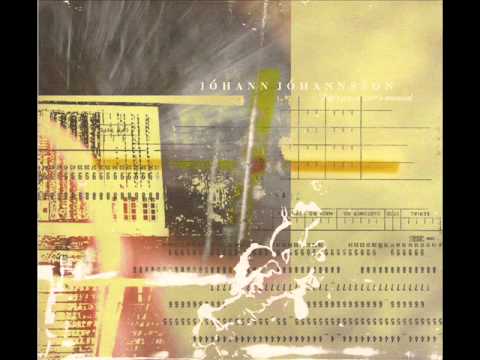
One of Jóhannsson's defining works, IBM 1401, A User's Manual (2006), was born from a family memory. In 1964, the IBM 1401 mainframe computer arrived in Iceland for the first time. Seven years later, when a newer model made it redundant, the chief engineer—Jóhannsson's father, Jóhann Gunnarsson—recorded the machine's final “performance” on a reel-to-reel tape.

His father had discovered that by running certain programs, the computer's stray electromagnetic waves could be picked up on a radio receiver—coaxing musical tones from a machine never designed to produce them. It was an early form of computer music.

The IBM 1401 was not built to play music. Yet its operators gave it the ability to sing—programming it to perform the Icelandic hymn “Ísland Ögrum Skorið” (composed by Sigvaldi Kaldalóns). Before it was decommissioned, they held a small funeral ceremony, recording their gratitude and their grief. The act of a computer singing a hymn is the literal origin of the prayer-like quality that pervades that album.

Jóhannsson took this tape and built a work for string orchestra and electronics around it. Mourning for a discarded machine, nostalgia for a lost technology—the fact that he could treat such material as legitimate compositional substance without hesitation may well be a product of having no formal training to tell him otherwise. Academic composition education can draw lines between what is “proper” material and what is not. Jóhannsson had no such lines.

YouTube video

A Film About Copenhagen: A Hidden Masterpiece

Jóhannsson also composed the score for Max Kestner's documentary Dreams in Copenhagen—a film that quietly captures the textures of everyday life in the Danish city. The music is unhurried and deeply unshowy, and compared to his major film scores, it is rarely discussed. Yet it is one of the works in which Jóhannsson's essential nature is most quietly concentrated.

YouTube video

Death at 48

Jóhannsson died in Berlin on 9 February 2018, at the age of 48. The cause was heart failure, with toxicology reports indicating that a lethal combination of cocaine and flu medication was likely responsible. Two years after his death, the only feature film he directed and scored—Last and First Men—had its world premiere at the 70th Berlin International Film Festival, where it received widespread critical acclaim. He died at the height of his creative powers, and that remains one of the most significant losses contemporary music has sustained.

Ólafur Arnalds (1986–): From Metal Drummer to Post-Classical Composer

A Metal Band Drummer as a Starting Point

Born in 1986 in Mosfellsbær, just outside Reykjavík, Ólafur Arnalds began his career as the drummer for hardcore punk and metal bands. This origin may seem hard to reconcile with the delicate post-classical works—built from piano and strings—that he is now known for. Yet it is precisely this background that shaped the distinctive qualities of his music: an instinctive feel for rhythm and a physical familiarity with loop-based structures.

For an artist without formal classical training, if Arnalds absorbed the techniques of minimalism at all, it was almost certainly not through the theoretical writings of Steve Reich or Terry Riley. It was more likely through electronica and loop music—the methodology of building space through repeating patterns and their microscopic variations absorbed not academically but through the physical sensation of club music.

An Accidental Beginning: The Transition to Instrumental Music

Arnalds' transition to post-classical composition was largely accidental. The German metal band Heaven Shall Burn heard some of his bedroom demo recordings and invited him to contribute piano-and-string pieces to their 2004 album Antigone. Robert Raths, founder of the newly formed Erased Tapes label, heard the record and was impressed enough to contact Arnalds about recording a full album. The result was his 2007 debut Eulogy for Evolution, which opened his career as a composer.

re:member: A Natural Fusion with Electronic Sound

His 2018 album re:member is the work in which Arnalds' relationship with electronic music finds its most natural expression. At the heart of the album is a system of his own invention called Stratus: as Arnalds plays notes on a central piano, two self-playing pianos generate different notes in response, creating unexpected harmonies and surprising melodic sequences through a semi-generative process.

What is happening here is a contemporary reframing of minimalism. The logic of Steve Reich's phasing music—building from the displacement of patterns—is reimagined through algorithms and self-playing pianos. Yet the result is not an academic exercise. It is music of surprising warmth and quiet melancholy.

YouTube video

Kiasmos: Crossing into Ambient Techno

In 2009, Arnalds formed the experimental techno project Kiasmos with Janus Rasmussen—a producer born in the Faroe Islands and based in Reykjavík, and a member of the Icelandic electro-pop band Bloodgroup.

Kiasmos inhabits a world clearly distinct from Arnalds' solo work. Ambient atmosphere drifts above techno beats; the border between club music and post-classical is deliberately dissolved. The chemistry between a man who came to post-classical through metal drumming and a man rooted in electro-pop produces something singular: ambient techno that feels as though it might be danced to, yet always seems to be looking somewhere far away.

YouTube video

The Other Pole: Janus Rasmussen and the Aesthetics of Subtraction

Kiasmos cannot be dismissed as Arnalds' side project. What kept it from becoming mere “club music with strings draped over it” is the presence of Janus Rasmussen.

Where Arnalds approached beats from the context of chamber music, Janus began his career in pure electronic music and electro-pop. His solo albums Vín (2019) and the more ambitious Inert (2026) reveal an artist with exceptional control over the space between sounds. On Inert, he incorporates his own vocals more than ever before, drawing new energy from across the dance music spectrum while retaining the subtle restraint that has defined his work.

Janus' brand of minimal techno is characterized by a stripped-back, acoustic-feeling texture and a cold yet quietly melancholic electronic design. That meticulous attention to detail and precision in sound design met Arnalds' lyrical piano melodies.

Arnalds crossing over from the classical side, Janus drawn in from the electronic side: Kiasmos is the inevitable product of two people starting from different places and converging on the same destination—a place of stillness.

YouTube video

What Connects Them: The Freedom of an Island That Knew No Genre Walls

Neither Jóhannsson nor Arnalds received formal conservatory training. As Arnalds himself has noted, because virtually no music industry infrastructure exists in Iceland, its musicians carry a fearlessness about leaping over creative barriers. Placing the sounds of a discarded computer alongside a string orchestra, or a former metal drummer developing algorithms for self-playing pianos—both of these acts emerge from a freedom to move before asking whether one is allowed to.

That freedom is, perhaps, the source of the distinctive lightness in their music: neither the weight of academic seriousness nor the calculation of pop, but the direct product of an instinct for how music ought to feel.


The Dense Network of a Small Island: A Substitute for Formal Education

In an interview, Arnalds put it plainly: “If you're doing music, you kind of know everyone else who is doing music. There is no competition. Because you're not competing for anything. There is no real music business there. You can't make any money. You can't get famous.” In Iceland, where a music industry barely exists, musicians are unusually close to one another.

The most important relationship born from this closeness—for Jóhannsson—was his friendship with the classical cellist Hildur Guðnadóttir.

Jóhannsson and Hildur: Thirty Years That Began with Kitchen Motors

In 1999, Jóhannsson co-founded Kitchen Motors—a think tank, arts organization, and music label based in Reykjavík, designed to draw together people from across the divides of punk, jazz, classical, metal, and electronic music and generate new hybrids between them. Jóhannsson himself described it this way: “We tried to amplify the opportunities that already existed, pulling together people from the worlds of jazz, classical, electronic music, punk and metal to encourage new hybrids. My own music grew out of those experiments.”

It was through Kitchen Motors that Jóhannsson met Hildur Guðnadóttir. Hildur studied cello at the Reykjavík Music Academy, then composition and new media at the Iceland Academy of the Arts and the Berlin University of the Arts—a classically trained musician who would go on to win an Oscar, a Grammy, an Emmy, and a BAFTA. She and the self-taught Jóhannsson built a deep friendship in the late 1990s.

There were periods when the two shared a studio in Berlin. On Jóhannsson's film scores—Sicario, Arrival, Mary Magdalene—Hildur participated as cellist and co-composer. Of Jóhannsson, she has said: “We met in a completely non-verbal place. Our souls got tangled together, and stayed tangled together to this very day. We grew together.”

The image of a self-taught composer and a classically trained cellist complementing each other in the world of international film music embodies what is most characteristic about Iceland's music community: regardless of genre or educational background, those who resonate musically simply find each other.

Arnalds and the Erased Tapes Network

For Arnalds, what stood in place of formal education was the community formed around the Erased Tapes label. His relationship with the German pianist Nils Frahm is the clearest example: from 2012 onward, the two spent countless hours in improvised sessions across studios in Berlin and Reykjavík, producing multiple collaborative releases. Frahm is a classically trained composer, and in their improvisations the differences between them generate a productive friction rather than conflict.

Arnalds' 2016 project Island Songs extended this further still—over seven weeks, he traveled to seven locations across Iceland to co-write a new composition with a different local collaborator each week, connecting directly with performers from Iceland's choral traditions and poetry culture. The arc of a former metal drummer finding his way into Iceland's deeper musical intelligence is captured in the project itself.

Reflection: What “Smallness” Made Possible

Why do Jóhannsson and Arnalds, neither of them formally trained in classical music, nonetheless command orchestral language with such precision? Part of the answer may lie in Iceland's closed musical community. In an island nation of 350,000 people, a self-taught composer from the world of electronic music finds himself sharing rooms with classical musicians as a matter of daily life—and their respective languages seep in through proximity rather than instruction.

Learning not from a degree program but from the person beside you: Reykjavík may have functioned as exactly this kind of organic musical education. The almost thirty-year relationship between Jóhannsson and Hildur, and the ongoing improvisations between Arnalds and Frahm, both support that reading.

概要: 繰り返しは、なぜ人の意識を変容させるのか。スティーヴ・ライヒがフェイジング技法で発見した「ループのわずかなずれが生み出すトランス状態」と、ベルリン・テクノがクラブフロアで実践してきた神経学的な操作は、本質的に同じ原理を共有している。この記事では、反復と単調さが「退屈」ではなく「脳のハック」として機能するメカニズムを、二つの音楽運動の交点から読み解く。

部屋でじっと座って聴いていると、それはときに「やや単調」に聴こえる。メロディやドラマチックなサビを徹底的に拒絶した、ストイックなまでの反復。しかし、この退屈の一歩手前にある響きこそが、人間が300年以上かけて積み上げてきたヨーロッパの古いオーケストラ伝統をひっくり返し、聴き手の脳の認知システムを直接ハッキングするための恐るべき装置であるとしたらどうだろうか。

現代音楽の最高峰であるスティーヴ・ライヒと、ベルリンのアンダーグラウンドを震撼させ続けるエレン・エイリアン(Ellen Allien)。住む世界も時代も全く異なる二人が、それぞれのやり方で到達した「知覚の流れの変容とトランスの構造」を紐解く。そしてその先に、両者が一本の見えない糸で結ばれていることが浮かび上がってくる。

1. 2台のテープレコーダーから始まった革命:スティーヴ・ライヒの背景と経歴

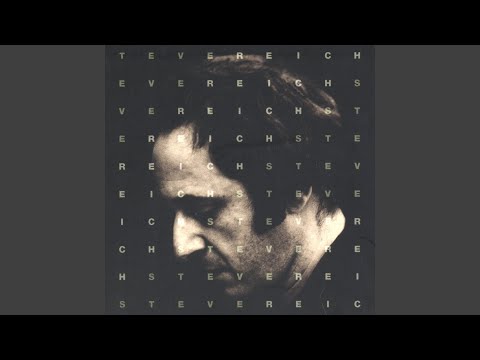
1936年ニューヨーク生まれ。スティーヴ・ライヒは、戦後の現代音楽が「難解で緻密な数式のような前衛音楽(無調音楽やセリエリズム)」へ向かう中、それとは全く別のベクトルへ舵を切ったミニマリズムの先駆者のひとりだ。同時期にはラ・モンテ・ヤング、テリー・ライリー、フィリップ・グラスらがいたが、ライヒはその中でも際立って「身体的なパルス」への執着を持った作曲家だった。

コーネル大学で哲学を修め、ジュリアード音楽院やミルズ・カレッジで作曲を学んだライヒのバックグラウンドは、学術的なエリートのそれでありながら、常に「身体的なパルス」と結びついていた。14歳のとき、初めてケニー・クラークの演奏を聴いて打楽器に目覚め、地元の名ドラマーであるローランド・コールホフ(のちにニューヨーク・フィルのティンパニ奏者)に師事した。その後アフリカ(ガーナ)の打楽器やバリ島のガムランといった民俗音楽の儀式的なループ構造を現地でフィールドワークしながら研究したことが、彼の音楽の血肉となっている。

テープの位相(ズレ)から『18人の音楽家のための音楽』へ

電子楽器やシンセサイザーがまだ普及していなかった1960年代半ば、ライヒは偶然の機材のエラーから、自身の音楽の生涯の核となる「フェージング(位相のズレ)」を発見する。

初期の実験作『It's Gonna Rain』(1965)や『Come Out』(1966)において、彼は同じ音声(声の断片)を録音した2台のオープンリール・テープレコーダーを同時に再生した。マシンの個体差によってミリ秒単位で速度が狂い、2つのループの位相が徐々にズレていく。

YouTube video

【ライヒのテープ・ハック】
ループA: [■■■■■■■■]
ループB: [ ■■■■■■■■]  ※わずかに速度が遅れ、ズレていく

ここでライヒは、脳がバグるような怪奇現象を目撃する。同じ音がズレて重なり合った結果、音と音の隙間(デッドスペース)が噛み合い、元々のテープには録音されていなかったはずの「幻のメロディや、存在しない新しいリズム」が勝手に脳の中で鳴り始めるのだ。人間の脳は、予測できないパターンのズレに直面したとき、それを補完しようとして勝手に新しい音を自給自足し始めてしまう。

これは単なる「錯聴」ではない。一定の反復刺激にさらされ続けた脳が、その流れのパターンを先読みしようとして過剰適応を起こす——そこに「ズレ」という予期しない変化が差し込まれると、知覚の流れそのものが書き換えられ、現実とは異なる音の風景が立ち現れる。この「知覚の流れの変容」こそが、ライヒの音楽がトランス状態へと人を誘う根本的なメカニズムだ。

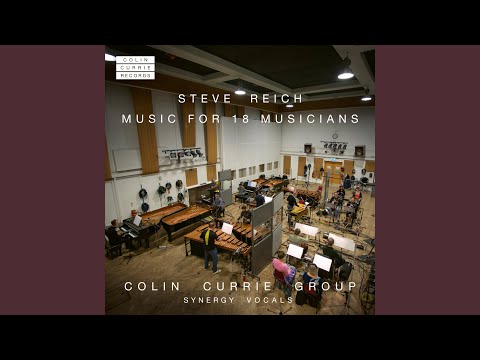
この、テープというテクノロジーで見つけた「位相のズレによる知覚の変容」を、人間の肉体(アコースティック楽器)を使って極限までスケールアップさせた結実が、彼の最高傑作『18人の音楽家のための音楽(Music for 18 Musicians)』(1976)である。

ちなみに、もしこのパルスによる脳のハックを今から体験するなら、コリン・カリー・グループ(Colin Currie Group)による録音を強く薦めたい。かつてライヒ自身が、彼らの演奏を「自分たちが演奏したもの(オリジナル)よりも完璧で、ダイナミックだ」と絶賛したほどの名盤であり、寸分の狂いもないストイックな精度と、脳を覚醒させる響きの美しさがここには極限まで宿っている。 YouTube video

約1時間、18人の演奏家がひたすらマリンバやピアノ、弦楽器で細かく刻む「パルス(脈動)」の上で、人力でフェージングを起こしていく。知性が大仰なメロディに感動する余地を奪い、一定のパルスを聴き続けさせることで、脳をトランス状態(催眠状態)へとハメていく。ライヒは「同じものをズラす」ことで、音の隙間から新しい生命を発生させるハッキングを見出したのである。

この作品はのちに、Orbital、Aphex Twin、The Orbといったアーティストたちが切り開いたアンビエント・トランス音楽の源流と評されることになる。ライヒの発見した「反復による知覚の変容」という回路が、テクノへと流れ込む伏線はすでにここに埋め込まれていた。

Orbitalのライブ YouTube video

2. 廃墟のインダストリアル:壁崩壊後のベルリンという「停滞」のゆりかご

このライヒが現代音楽のホールで鳴らした「トランスの遺伝子」は、1990年代、大西洋を渡った先の奇妙な街の地下深くで、全く異なる形で爆発することになる。それがベルリン・テクノの誕生だ。

音楽カルチャーは、経済的に豊かで満ち足りている時よりも、社会がガタガタに停滞し、未来への閉塞感が漂っている時にこそ、人々の鬱屈したエネルギーを燃料にして花開く。70年代末のイギリスの工場地帯の絶望からパンク・ロックやジョイ・ディヴィジョンが生まれたように、90年代のベルリンにも、固有の「停滞期の空気感」が充満していた。

1989年11月、ベルリンの壁が崩壊した。東西の統一は一見華やかなハッピーエンドに見えるが、当時のリアルな経済は大混乱し、大停滞していた。東側の国営企業は次々と倒産して失業者が溢れ、街のインフラや産業はストップ。未来がどちらに転がるか分からない不安がストリートを覆っていた。

しかし、この産業が機能停止した大停滞が、音楽にとっては「奇跡の空白地帯(デッドスペース)」を作り出した。

旧東ベルリン側には、持ち主のわからない広大な廃墟、地下金庫、放棄された発電所といった、コンクリートと鉄のガラン堂が大量に放置されていた。産業が停滞し、土地の価値が暴落したことで、当時のベルリンは家賃が異常に安く(あるいは不法占拠でき)、若者たちには「有り余る時間」があった。

ヨーロッパの古いオーケストラ伝統(楽譜や和声の奴隷になること)を嫌い、あくせく働くシステムから脱落したアナーキーな若者たちがその廃墟に集まり、安価なリズムマシンのスイッチを入れた。仕事もない、お金もない、けれど夜になれば冷たいコンクリートの中で、地を這うようなストイックな電子の4つ打ちキックを浴びて朝まで踊り明かす。あの冷酷でタフなインダストリアル・テクノの重低音は、社会の停滞という暗闇を突破するために必要な、剥き出しの「肉体的な祈り」として発展していった。

そしてここで重要なのは、彼らが(おそらく無意識に)ライヒと同じ原理に辿り着いていたことだ。ひたすら続く4つ打ちのパルスは、聴き手の脳をある種の「予測モード」に固定する。その固定された流れの中に微細な変化が差し込まれた瞬間、知覚の流れが揺らぎ、トランスへの扉が開く——ライヒがテープのズレで実験室的に発見したことを、ベルリンのフロアは肉体を使って再発明していたのだ。

そのベルリン・テクノが生んだ最大の祝祭が、ラブパレードだ。DJ・プロデューサーのマティアス・レーニ(通称Dr. Motte)が1989年7月に創始したこのイベントは、最初はたった150人がベルリンの街頭に繰り出した、平和と国際的な相互理解を音楽で訴えるための政治的デモとして始まった。それが90年代を通じて爆発的に拡大し、1999年にはベルリンの街路を120〜150万人のレイバーが埋め尽くす、世界最大規模のダンスミュージック・イベントへと成長した。ドラムマシンの4つ打ちが巨大なスピーカーから叩きつけられる中、無数の人々がブランデンブルク門から戦勝記念塔へと続く大通りを踊り歩く光景は、テクノが単なるクラブカルチャーを超えた「集団的なトランスの儀式」であることを、世界に向けて可視化した出来事だった。Dr. Motteは商業化の波に抗い続け、2006年にイベントの商標が売却されると自ら距離を置いた。その精神は現在、「Rave the Planet」という後継イベントに引き継がれている。

YouTube video

3. エレン・エイリアンのニューアルバムに見る「異物のハッキング」

この壁崩壊前後の「本物の混沌と自由」をDJブースから生き抜いてきたベルリンの女王が、エレン・エイリアンである。西ベルリンで育ち、壁崩壊直後の1992年にはTresor、E-Werkのレジデントとなった彼女は、勃興するシーンのただ中にいた。

ブロンドの端正なルックスを裏切るような、男勝りの強烈で凶悪なインダストリアル・ビートを響かせる彼女の音楽的アプローチは、2026年のニューアルバム『New Life』においても、驚くほどライヒと地続きの「知覚の変容」を敢行している。ミニマル・テクノ、ダークウェーブ、ヒプノティック・ユーフォリアを織り交ぜたこの作品は、コミュニティ形成と集団的行動というテーマを、まさに「反復による知覚の変容」を武器にして語りかけてくる。

エレンの試みにおいて注目すべきは、洗練されたシンセパッドのうねるような動きだけでなく、「ストイックな反復リズムの中に、異質なサンプリング素材を投げ込む」という手法だ。

【テクノのサンプリング・ハック】
固定されたリズム:  [🥁──🥁──🥁──🥁] (4つ打ちの硬い骨組み)
異物の投げ込み:   [   🎙️   ✨   💥   ]  ※サンプリング素材が衝突する

ライヒが「同じものをズラす」ことで知覚の流れを書き換えたのに対し、エレンをはじめとするベルリン・テクノのアプローチは、逆のベクトルから同じ地点を目指す。

彼女は、冷徹で絶対にブレない強烈なリズムのループを、あえて完璧に固定して鳴らし続ける。聴き手の脳がその冷酷なまでの反復に完全に適応し、日常の境界線が溶けてトランス状態に入ったその瞬間、そこに「掠れたコード音」や「ノイズの断片」「変調された人の声」といったサンプリング素材をぽんと投げ込むのだ。

すると、土台にあるキックの硬いリフレインそのものは1ミリも変化していないはずなのに、投げ込まれたサンプリングの残響と衝突した瞬間、ベースラインやリズムの形そのものが全く違う形に変形して聴こえる。これは聴覚的な錯覚ではなく、脳が反復の流れに過剰適応した結果として起きる「知覚の流れの変容」だ。固定された骨組みに異物をぶつけることで、知覚を再書き換えし、より深いトランス状態へと引き込む——テクノ独自のハッキング手法がここにある。

ライヒがテープのズレで「流れを乱すことによる変容」を発見し、エレンがサンプリングの衝突で「流れへの適応を利用した変容」を武器にする。手法は鏡像のように反転しているが、脳の知覚の流れを一度崩してトランスへ導くという目的地は、完全に一致している。

エレン・エイリアンのニューアルバムはApple Musicで一部が先行リリースとして聴ける。ここでは代わりに彼女のDJライブ風景を載せた。 YouTube video

結び:円環を閉じるミニマリズム

座って聴くには「単調すぎる」という最初の違和感は、彼らの仕掛けた罠に嵌った証拠にすぎない。分かりやすいサビをあえて削ぎ落とす(引き算する)からこそ、人間はパルスの隙間に起きるほんの微細な変化に対して異常に敏感になる。脳が反復に慣れ、知覚の流れがある一点に収束したとき——そのわずかな「ズレ」や「異物」が、その流れを書き換えてトランスの扉を開ける。

ライヒがオープンリールを回して見つけた脳の知覚変容の回路は、ベルリンの停滞した廃墟で電子マシンの4つ打ちへと宿り、エレン・エイリアンのサンプリングの衝突によって、現代のフロアで牙を剥き続けている。形を変えて引き継がれるこの「ミニマリズムの快楽」は、今夜もどこかの暗闇で、誰かの脳汁をじわじわと誘い出している。