What Inspired Me

unknown music lover from Japan. This blog wrote in both Japanese and English.

Words Came Before the Music

Natalie Merchant was born in 1963 in Jamestown, New York. Her parents divorced when she was seven, and after her mother remarried, the family moved to a commune in upstate New York. The women she met there became the foundation of who she would become.

“I fell in love with those people,” she has said. “They were artists. They were ladies that didn't shave their legs. They lived alone and fed the wood stove in the winter, and they were strong.”

She grew up in a house without television. At sixteen, she dropped out of high school and enrolled in community college. Outside the classroom, she read books and discovered folk music — picking up a copy of Harry Smith's Anthology of American Folk Music from the library was the door that led her to singing. It wasn't hours of guitar practice that shaped her; words and reading came first. Her eye for people pushed to the margins of society was already forming in those years.

10,000 Maniacs — The Band's Voice, Her Own Words

In 1981, seventeen-year-old Natalie joined a Jamestown band called Still Life. The band soon renamed themselves 10,000 Maniacs, and Natalie took on the roles of lead vocalist and primary lyricist.

From her teenage years, her songwriting stood apart. Forgotten figures from history, the guilt of a bystander watching a child be abused (“What's the Matter Here”), an unwanted pregnancy (“Eat for Two”) — the practice of using pop songs as a vehicle for social and historical subjects was there from the very start of her career, and it never left.

The band hit their peak between 1987 and 1993, with In My Tribe, Blind Man's Zoo, and Our Time in Eden all charting in the top tier of the US charts. At their 1993 MTV Unplugged session, they covered “Because the Night,” the song co-written by Bruce Springsteen and Patti Smith. Natalie's intimately conversational delivery made the cover the band's biggest hit, reaching No. 11 on the Billboard Hot 100, and brought her name to a much wider audience.

That same year, she announced she was leaving. Her stated reason: a lack of creative control over the music she wrote. She chose to break free from the machinery of a band that had grown large around her and to stand entirely on her own as a singer-songwriter.

Patti Smith's original (written by Bruce Springsteen) Patti Smith — Because the Night

10,000 Maniacs' cover 10,000 Maniacs — Because the Night

Tigerlily — A Voice Written in Complete Freedom

Her 1995 solo debut Tigerlily was the first album Natalie made with total creative freedom.

The result was stunning. “Carnival,” “Wonder,” and “Jealousy” charted on the Billboard Hot 100 in succession, and the album went on to sell over five million copies. But the commercial success gave Natalie something beyond fame — it gave her the financial and psychological independence to spend the rest of her career ignoring label pressure and pursuing social activism and artistic experimentation entirely on her own terms.

“Wonder,” in particular, was written as a tribute to twin girls Natalie had come to know personally, both born with epidermolysis bullosa (EB), a rare and painful genetic condition that causes the skin to blister at the slightest contact. Natalie has said she didn't know who the song was about when she wrote it — she discovered the twins afterward, formed a deep friendship with them, and stayed close until they died in their twenties. The song's universal message later inspired R.J. Palacio's YA novel Wonder, and was played over the end credits of the 2017 film adaptation.

The success of “Wonder” was no accident. The same gaze she had learned from the strong women of the commune — a way of seeing people the world had pushed aside — was what moved audiences. As a rare example of an artist who achieved both artistic integrity and commercial success simultaneously, Tigerlily remains the defining album of Natalie Merchant's career.

Natalie Merchant — Wonder

“Wonder” (1995, from Tigerlily). Written as a tribute to twin girls born with epidermolysis bullosa (EB). Its universal message inspired R.J. Palacio's novel Wonder and was used in the end credits of the 2017 film of the same name.

Poetry and Politics — A Maturing Voice

After going solo, Natalie moved steadily away from chart positions and toward the music she actually wanted to make.

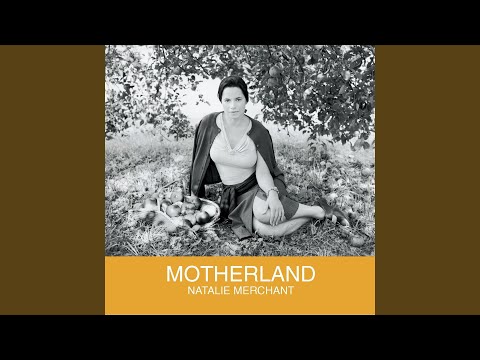
Motherland (2001) brought her political and social consciousness to the foreground, and Leave Your Sleep (2010) saw her set the poems of various poets to music — an unconventional project by any measure. The freedom that Tigerlily's success had created made these uncommercial artistic experiments possible. She drifted from the mainstream, but her influence can be heard clearly in the generation of thoughtful singer-songwriters that followed — Colin Meloy of The Decemberists, Weyes Blood, and others who share her instinct for literary, socially conscious songwriting.

The album's title track, “Motherland,” is a desperate prayer to be held and sheltered from the encroaching concrete of modern life. Its repeated refrain — a plea to be cradled, lulled to sleep, kept safe — reads not as simple nostalgia but as a direct confrontation with the alienation of contemporary society. The song was completed just days before September 11, 2001. Merchant later said: “I was far more cynical when I wrote it. But now the song has become the death of nostalgia and dreams.” An act of violence rewrote the meaning of a song she had already finished — and that fact alone speaks to how wide a net her writing casts.

🔗 Read the full lyrics to “Motherland” on Genius

Natalie Merchant — Big Girls

On “Big Girls” from Keep Your Courage (2023), a duet with Black vocalist Abena Koomson-Davis, she sings of women holding each other up through the storm. Her eye for those pushed to the margins has not dimmed past sixty.

Losing Her Voice, Finding It Again

In 2019, Natalie was visiting the V&A Museum in London when her arm suddenly went numb. Back home, tests revealed she had OPLL (ossification of the posterior longitudinal ligament) — a degenerative spinal condition in which the ligaments of the spine calcify and compress the spinal cord, potentially leading to paralysis in severe cases. Emergency surgery was unavoidable.

The operation lasted six hours. Surgeons made an incision in her throat, moved her vocal cords aside, and removed three bones from her spine. When she came around, she couldn't sing.

“It took me to a place of panic,” she has said. “It made me wish I had made more records.”

For ten months, her voice didn't return. While that silence stretched on, the pandemic closed over the world. Natalie found a collection of poetry by Robin Robertson, and words began to move through her throat again. She started writing songs. The result was Keep Your Courage (2023).

Peter Asher, who had produced her work years earlier, said: “I've been a fan for decades, but this might be her greatest album.” The chart numbers don't match the heights of Tigerlily's commercial peak. But in an album made after losing her voice, getting it back, and turning sixty, there is something that no chart position could measure.

Natalie Merchant — Keep Your Courage

“Keep Your Courage” (2023). Her first collection of original songs in nine years, born from the silence of spinal surgery and the solitude of a pandemic.

The Gaze That Never Changed

Her voice has aged. But the core of how she sings has not.

The style of speaking directly to the listener, the eye for those the world has pushed aside, the ability to fold feminism and social consciousness into music people actually wanted to hear — all of it has been there since the day a seventeen-year-old walked into a Jamestown band rehearsal, and none of it has left.

A girl who dropped out of high school, was shaped by the strong women of a commune, and found her way into music through a library record collection has been speaking to the world for over forty years. Is there a voice like that in your own life — one that has never quite changed?

serph is a Tokyo-based electronic musician. Since his debut in 2009, he has built a sonic world unlike anyone else's, drawing on jazz, techno, classical, and film music. At the heart of his music lies a layered melodic architecture — multiple instruments trading a single phrase, passing it hand to hand — combined with an density of editing that defies comparison. Early years spent making music out of hunger, in near-total solitude. A life-changing encounter through the N-qia project. And in 2026, the release of Destiny Land, an album made with something lighter in its step. This article traces the arc of serph as a musician.

This article revisits serph, who was featured in an earlier post: “Three Incredible Japanese Indie Musicians You Need to Hear”. That piece left too much unsaid, so this is a dedicated deep dive.

Who Is serph?

serph is a solo project by a man based in Tokyo. He debuted in 2009 with accidental tourist, an album completed just three years after he began learning piano and composition. Since then, he has released work at a steady and prolific pace. Drawing on jazz, techno, classical, film music, and progressive rock, he has built a sound that is entirely his own.

Early Masterwork ①: vent

vent, released in 2010, was the album that introduced serph's musical voice to the world.

What makes it unusual is how the instruments behave. Rather than a single instrument carrying a melody from beginning to end, multiple instruments take turns — passing the phrase between them, layering as they go. A piano states a motif, a synth picks it up, strings weave in, a woodwind adds the accent. Before you realize it, a full architectural structure of sound has risen around you.

To call it escapism would be to underestimate how precisely this escape has been designed.

YouTube video

Early Masterwork ②: Heartstrings

Heartstrings (2011) is the album most widely recognized as serph's defining work.

What stands out is the sheer density of sound. In three or four minutes, he packs in more than most producers would attempt in twice the time. serph himself put it plainly in an interview: “I want to cram in the feeling of being alive — that sense of 'music is incredible' — into three or four minutes.” And: “I probably won't be going in a minimal direction.”

YouTube video

The Same Music Sounds Different Depending on Where You Hear It

Something worth saying plainly: this music is not the same experience on every playback system. On cheap speakers or earphones, the sheer volume of sound can collapse into a wall of noise. The layered textures, the depth of the space, the placement of each instrument — these only resolve into something you can actually hear when the system is up to the task.

That serph chose to make music this dense — knowing what it would mean for commercial reach — says something about the kind of artist he is. He knew this road didn't lead to mainstream success. He took it anyway.

Why He Remains Unknown Outside Japan

Looking at the broader scene that emerged from the noble label, two peers stand out for their international reach: kashiwa daisuke and world's end girlfriend. kashiwa daisuke released his debut on the German label onpa, and in 2009 toured eight cities across Europe including a performance at Berghain in Berlin. world's end girlfriend, operating through his own Virgin Babylon Records, had Seven Idiots distributed in the US and UK via the London-based Erased Tapes Records, with licensing across Asia.

What these two have in common is a particular kind of sound — music that sits at the intersection of crushing intensity and near-ambient space. That combination translates into the post-rock and shoegaze vocabularies that English-language media know how to reach for. Pitchfork can place it. So can The Wire.

serph's music resists that framing entirely. The melodic layering, the density of the edits — it doesn't fit neatly into post-rock, ambient, or electronica as those terms are used internationally. Pitchfork has never reviewed him. Neither has Rolling Stone or AllMusic. Heartstrings has 46 ratings on Rate Your Music and around 5,700 listeners on Last.fm. Those numbers bear no relationship to the quality of what's there.

The reason serph is unknown outside Japan is not a question of quality. It is that his music refuses to sit inside any category that already exists.

Below, for comparison: an early work by kashiwa daisuke, and one of the more accessible tracks from world's end girlfriend.

YouTube video

YouTube video

Work That Costs Everything

Anyone who has made music with a DAW will understand this intuitively.

Stacking dozens of sounds onto a single track, adjusting the volume, panning, EQ, and timing of each one individually, then balancing the whole — this is work that demands enormous concentration and enormous amounts of time. A single bar can take hours to complete. That serph has reported making around 300 tracks a year gives some sense of what this commitment actually looks like.

Now add the knowledge that the work will not be commercially rewarded. Choosing to build music at a density that overwhelms most playback systems means giving up on most potential listeners from the start. Maximum effort, minimum return — and yet the work continues. In that sense, calling it a life-or-death undertaking is not an exaggeration.

Before his debut, serph said this: “I make music every day to satisfy a kind of mental hunger.” He was isolated, socially adrift, unable to find his place. Music was the only space where he was allowed to exist. That hunger was what produced the density.

The Encounter That Changed Everything: N-qia

To understand how serph's music changed, you have to understand N-qia.

Around 2010, a vocalist named Nozomi sent a message to serph through MySpace: “Please let me sing.” He listened to her demo without high expectations, then met her, and they started making music together. That was N-qia — and later, a marriage.

In a 2016 CINRA interview, serph described what the encounter meant: “Meeting her, I rediscovered a version of myself that could be open and uncomplicated. The suspicion I'd carried for so long just gradually loosened.”

In an earlier interview, he had described making music from a place of “mental hunger.” That hunger had roots — isolation, a sense of not belonging, accumulated self-negation. Music was the “escape.” But Nozomi slowly changed that structure.

By 2018, he was saying: “I used to say I made music out of hunger. Now it's the complete opposite.”

The music he had made at such cost, having mastered it completely, was beginning to feel lighter.

YouTube video

2026: Destiny Land

On March 6, 2026, serph released Destiny Land — eleven tracks, his latest album.

The density is still there. So is the layered architecture that has defined his sound since Heartstrings. But something has shifted. There is a looseness to it, a sense that the music is being made from a different place than it once was — not from hunger, but from something more like fullness.

YouTube video

Beyond the Flood

serph's music makes demands of the listener's equipment. That is not a barrier — it is an invitation.

He chose density over accessibility, craft over commerce, and kept choosing it through years when the choice cost him enormously. That commitment is audible in every track. And now, for the first time, the music carries something the early work didn't quite have: the sound of someone who has come through the other side.

Listen to Destiny Land on the best system you have access to.

Description: The saxophone was invented in the 1840s—yet in the hands of certain performers, it can sing Renaissance polyphony with an almost human intimacy that period instruments can't quite achieve. This piece pairs that strange anachronism with the story of a medieval songbook that survived purely by accident—sealed inside a convent wall and rediscovered centuries later. Two improbable survivals: a repertoire that was nearly lost, and an instrument that wasn't supposed to play it. What happens when they meet is unexpectedly moving.

The Origin of an Encounter — In the Icelandic Wilderness

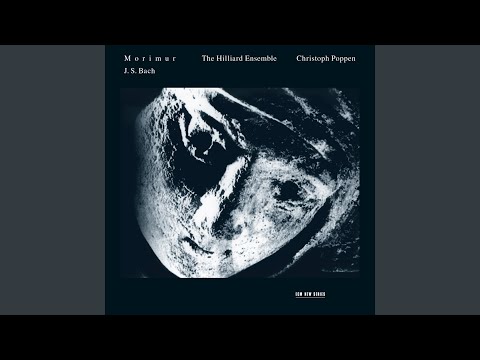
In 1991, ECM Records founder Manfred Eicher was shooting a film in Iceland — an adaptation of a Max Frisch novel. Amid that desolate lava landscape, he found himself returning again and again to a particular combination: the sacred choral music of Spanish Renaissance composer Cristóbal de Morales, and the improvisations of Norwegian saxophonist Jan Garbarek.

Different genres, different centuries. And yet, within the same space of the Icelandic wilderness, those two musics resonated with a strangeness that felt entirely natural. Carrying that conviction, Eicher brought Garbarek and the Hilliard Ensemble together at St. Gerold Monastery in Austria in 1993.

That afternoon, three or four minutes into the Hilliard Ensemble's performance of Morales's Parce mihi Domine, Garbarek quietly picked up his saxophone and joined in without a word. Everyone played to the end in a kind of stunned silence, and when the music stopped and the quiet descended, Eicher — his eyes wet with tears — said: “We must record this immediately.”

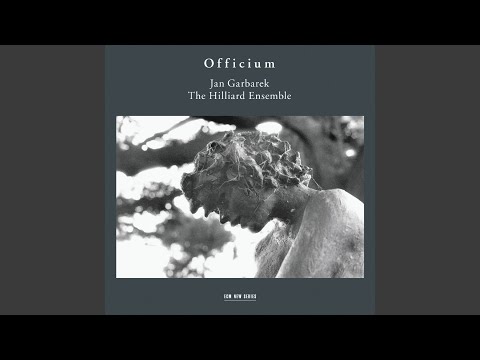
In 1994, the album Officium was released.

YouTube video

Who Is Jan Garbarek

Born in 1947 in Mysen, Norway. At fourteen, he heard John Coltrane on the radio and resolved then and there to play the saxophone. He taught himself by imitating Coltrane, won an amateur contest in 1962, and went on to study with American composer and theorist George Russell — becoming the face of ECM Records from the label's very first release, his 1970 debut Afric Pepperbird.

Garbarek's saxophone voice is unmistakable: a sharp-edged tone that stretches into long, sustained notes — sometimes likened to the call of Islamic prayer. But at its foundation lies a deep connection to Norwegian folk music. Triptykon (1972) was his first work to incorporate Norwegian folk melodies, a direction encouraged by American trumpeter Don Cherry. “I am tied to a particular vocabulary and phrases linked to Norwegian folk music,” Garbarek has said.

When he plays Norwegian folk melodies on tenor saxophone, his microtonal pitch bends recall the gradual movement of an Indian raga — not the equal-tempered intervals of jazz, but the subtle inflections of a singer bending a note with their voice. It is a saxophone, and yet something vocal inhabits it. This approach was precisely the key that made the chemical reaction with the Hilliard Ensemble's vocal polyphony possible.

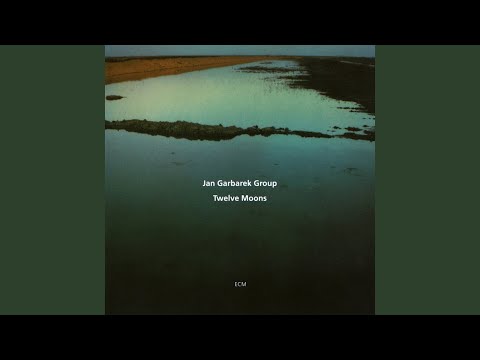
Garbarek's musical world extends far beyond the frame of a jazz saxophonist, crystallising into a form of “composition” deeply rooted in his own identity and Nordic origins. One clear expression of this is the 1993 album Twelve Moons, where he reconstructs the traditional songs (joik) of the Sámi — the indigenous people of his homeland — alongside motifs from fellow Norwegian composer Grieg, reshaping them through his own vocabulary into richly original works.

YouTube video

Who Is the Hilliard Ensemble

A British male vocal quartet founded in 1974, taking their name from Elizabethan miniaturist Nicholas Hilliard. Specialists in medieval and Renaissance music — from Gregorian chant to sixteenth-century polyphony — they were also active advocates for contemporary composers such as Arvo Pärt, and maintained a long relationship with ECM Records.

The ensemble comprised countertenor David James, tenors Rogers Covey-Crump and John Potter, and baritone Gordon Jones. They concluded their forty-one years of activity in 2014.

Bach left behind a vast body of church music throughout his life. The Chaconne appears at first glance to be a work for solo instrument alone — yet it is said that encoded within its intricate melodic lines, like a hidden cipher, is a sacred chorale written as a prayer for his deceased wife. The Hilliard Ensemble, that authority on early music, breathes entirely new life into this celebrated work by laying those concealed voices over it.

YouTube video

Why the Saxophone “Sings” — Three Reasons

1. The Pitch Inflections of Folk Music

Garbarek does not sound a pitch as a fixed point. The sense of “bending a note like the human voice” — absorbed into his body from Norwegian folk performance practice — gives the saxophone line a quality of living voice. The modal scale structures of Renaissance vocal polyphony and this microtonal style of playing dissolve into each other naturally.

2. The Reverberation of the Monastery

The recording was made at St. Gerold Monastery in Vorarlberg, Austria. The long reverberation generated by that stone space envelops both voice and saxophone within the same acoustic environment, blurring the boundary between them. Garbarek's saxophone resonates as “a fifth voice,” breathing the same air as the four singers.

3. Pure Improvisation — Without a Score

Garbarek never looks at the Hilliard's scores. What he needs is simply “what key they're singing in — two sharps or two flats — that's all”; everything else he plays entirely by ear. His improvisation is not pre-constructed: it is a real-time dialogue responding to the emotions generated in the moment by the singers. That is why no two takes are ever the same, and why the saxophone's voice sounds like “a breath woven between the phrases of a song.”

Morales as Material

At the heart of the album stands Cristóbal de Morales (c. 1500–1553) — a composer born in Seville who served in the Papal Chapel in Rome for a decade, and the foremost figure of the Spanish Renaissance. His Parce mihi Domine (“Lord, have mercy on me”) is drawn from the Officium defunctorum — the Mass for the Dead — and its sombre, austere beauty lives on unchanged five hundred years later within the stone walls of a monastery.

It was no accident that Eicher, in the Icelandic wilderness, was listening to Morales and Garbarek simultaneously. Both shared the quality of “a thin melodic voice placed within a vast silence.”

A Second Miracle — The Cantigas de Santa Maria, a Folk Song That Did Not Disappear

If Officium represents an encounter between sacred chant and jazz, another recording poses a yet more fundamental question: why do songs sung by commoners and troubadours in thirteenth-century Spain sound “new” to our ears eight hundred years later?

The Miracle of Survival as Written Music

In October 1988, a recording session was held at the Mnebhi Palace in Fez, Morocco. Joel Cohen — American early music conductor and lutenist — led the Camerata Mediterranea alongside the Fez Andalusian Orchestra (conducted by Abdelkrim Rais) and Moroccan musician Mohammed Briouel, all gathered in one room. The repertoire was the Cantigas de Santa Maria — songs to the Virgin Mary assembled under Alfonso X (“the Wise”), King of Castile, in the thirteenth century.

What are the Cantigas? A collection of 420 poems and musical compositions written in medieval Galician-Portuguese, comprising hymns of praise to the Virgin Mary and accounts of her miracles. The vast majority of composers are unknown — songs created by Muslim, Christian, and Jewish poets, troubadours, and musicians who gathered at court, then collected and codified by Alfonso X under his royal authority. It is precisely because of that royal patronage that they survive today.

What matters is that these songs survive as written music. Four manuscripts still exist — two at El Escorial, one at the Biblioteca Nacional de España in Madrid, and one in Florence — each containing musical notation. Medieval notation differs substantially from modern practice, requiring specialist knowledge to decipher, but the melodic contour can at least be read. This is close to a miracle. Countless melodies sung among the nobility and common people of that era vanished as unwritten oral traditions. But the Cantigas were inscribed in manuscripts under royal patronage and have crossed eight centuries to reach us.

Convivencia — The Music Born of an Age of Coexistence

Thirteenth-century Spain — Castile and Andalusia in particular — existed in a rare cultural condition known as convivencia (“coexistence”): Christianity, Islam, and Judaism sharing the same spaces, their cultures intersecting. This situation carried complex tensions as the Reconquista advanced, but the court of Alfonso X functioned, at least, as a crossroads of that multicultural exchange.

The music of the Cantigas holds within it the modes of Gregorian chant alongside the microtonal colours of Arab-Andalusian music. Oud, qanun (a zither-type string instrument), and darbuka (a goblet drum) intertwine with the voices. This is Christian devotional music, yet it wears Islamic instruments and scales. That the 1988 Fez recording placed a European early music ensemble and Moroccan Andalusian musicians in the same room was also a re-enactment of that historical mingling.

Joel Cohen as Guide

Born in 1942 in Providence, Rhode Island. After studying at Brown University and Harvard — where he studied composition — he went to Paris to study with Nadia Boulanger. He became music director of the Boston Camerata in 1968 (serving for forty years, until 2008), and later founded the Camerata Mediterranea in 1990.

In America, Cohen is known primarily as the long-serving leader of the Boston Camerata; on the eastern side of the Atlantic, however, he is esteemed as a lutenist and master of accompanied song. His practice of playing the lute while conducting and singing connects directly to the troubadour tradition of medieval and Renaissance music-making. His work as a music producer for French national radio, his Edison Award (Netherlands), and his decoration as an Officier de l'Ordre des Arts et des Lettres in France attest to his international standing.

That the Cantigas recording received the Edison Prize 2000 confirms that this “ancient yet new” music was recognised at the highest level.

YouTube video

Why Does It Sound “New” Eight Hundred Years Later

That the Cantigas survived as written notation is a miracle of preservation — but that alone does not explain why they resonate as fresh to the modern ear.

One reason is the ambiguity of the decipherment. Medieval notation records rhythmic information only loosely, leaving performers a degree of interpretive freedom. This is music that lives between excavation and re-creation, not strict reconstruction.

A second reason is the modernity of hybridity itself. The sound world of the Cantigas — oud and lute, Arab percussion and European strings in conversation — resonates somewhere with contemporary world music and crossover sensibilities. And yet it is not a calculated “fusion” but the natural product of an era in which coexistence was simply taken for granted. It is precisely that unselfconsciousness that catches the modern ear off guard.

Melodies once voiced by nameless singers in the court of Alfonso X were breathed back to life by Moroccan and European musicians at the Mnebhi Palace in Fez, and arrive now at the ears of listeners in the 2000s. A slender thread of written notation has held that eight-hundred-year bridge in place.

On the Record

Officium appeared on not only classical charts but pop charts following its 1994 release, becoming the best-selling record in ECM history with over 1.5 million copies sold. Critics called the album “something with no name — neither jazz nor early music.” Hilliard member John Potter said: “What kind of music is this? We don't know. It is what happened when a saxophonist, a vocal quartet, and a record producer met and made music together.”

Over the following twenty years, approximately one thousand concerts were performed, and four follow-up albums were released: Mnemosyne (1999), Officium Novum (2010), and Remember Me, My Dear (2019).

I still remember the moment a track came through the speakers of BBC Radio 3's Late Junction. It was a jazz piano trio, yet it had the texture of electronica. The beat was played on a live drum kit, yet it had a mechanical precision. The bass occasionally growled like a guitar. I had never heard jazz that sounded like this. The next day, I went out and bought the CD. That was my introduction to the Esbjörn Svensson Trio — e.s.t.

Three Musicians, Three Musical Worlds

E.s.t. was a Swedish jazz piano trio formed in Stockholm in 1993. The members were Esbjörn Svensson (piano), Dan Berglund (double bass), and Magnus Öström (drums).

Svensson and Öström were childhood friends. They grew up together in the small Swedish town of Västerås and had been playing in bands together since their teens. Svensson's musical origins spanned both classical music and jazz: his mother was a classical pianist, his father a jazz enthusiast. He grew up listening to rock on the radio, loved Thelonious Monk, and drew from an unusually wide range of influences. One of the tracks the band worked on during rehearsals went by the working title “Radiohead-Melody” — a detail that speaks for itself. Svensson said of it plainly: “All three of us love Radiohead.”

Öström's path to the drums began with his older brother's record collection: Jimi Hendrix, Deep Purple, the Allman Brothers, Lynyrd Skynyrd. A boy who trained his ears on rock, he was thirteen when he attended a concert by Billy Cobham and John McLaughlin and discovered jazz-rock. That experience became the foundation of everything he would do as a drummer.

Berglund was a committed hard rock fan to his core. As he described it himself: “I started to experiment with the bow and distortion on the bass, to sound like Jimi Hendrix or Ritchie Blackmore.” His bass was an unconventional instrument in any jazz context. After forming Tonbruket following e.s.t.'s end, he put it directly: “Since we have a guitarist in this band, I no longer have to be both bassist and guitarist, as I was at times with e.s.t.” The bass in e.s.t., in other words, had been doing the work of a guitar as well.

The Sound That Human Bodies Made

What made e.s.t.'s sound unlike anything else was the result of these three different musical backgrounds colliding and fusing.

Öström used the tips of brushes on his snare to imitate the feel of pop rhythm samples, and incorporated electronic triggers to expand his sonic palette. That quality — a live drum kit with the precision of programmed beats and the organic fluctuation of a human performer — came from a percussionist who had trained his ears on rock, awakened to jazz-rock, and then set out to reproduce the grid-like feel of electronica with his own body.

Berglund ran his double bass through distortion, fuzz and delay pedals, and sometimes bowed it to make it sing like a guitar. This approach — unorthodox by any jazz standard — gave e.s.t.'s music its rock-derived texture and forward momentum.

And then there was Svensson's piano. Playing with the structural logic of classical music, the spontaneity of jazz improvisation, and the melodic sensibility of pop, he landed unmistakably as a jazz pianist on top of whatever “non-jazz” thing Öström and Berglund were building beneath him.

YouTube video

How Live Performance Set the World on Fire

E.s.t. had been celebrated in Sweden from early on, but their international breakthrough came in 1999 at the ACT World Jazz Night at the Montreux Jazz Festival. From that point, ACT began releasing their albums outside Scandinavia, and the band expanded their reach across Europe.

Their strategy was relentless live performance. They spent nearly a hundred days a year on tour, playing not only jazz clubs but rock-oriented venues. Their use of elaborate lighting and fog machines on stage was a conscious effort to reach younger audiences beyond the traditional jazz crowd.

In London, they started at the small Pizza Express Jazz Club on Dean Street and steadily built their audience until they were filling concert halls. Late Junction and other adventurous radio programmes provided an important route to listeners outside the jazz world during this period.

Their 2002 album Strange Place for Snow won numerous prizes — among them the German Jazz Award and the Victoire du Jazz (France's equivalent of the Grammy) for best international act — bringing e.s.t.'s name to audiences across Europe. In 2006, they became the first European band ever to appear on the cover of the American jazz bible Downbeat.

The Live Recording That Captures the Miracle: Live in Hamburg

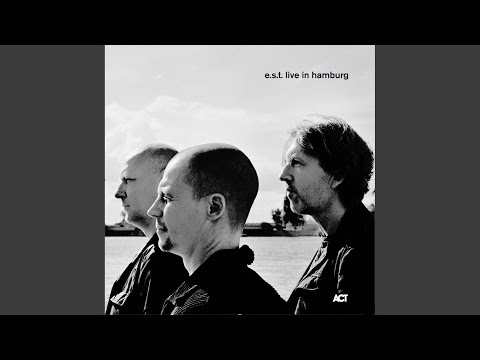
The proof that e.s.t. had reached their absolute peak is preserved in Live in Hamburg, recorded in November 2006 at the Laeiszhalle in Hamburg. It was made roughly eighteen months before Svensson's death, at the moment when the three musicians were playing with the greatest freedom and daring of their careers. The improvisational breadth that no studio album could quite contain, and the miracle of three musicians generating a groove as one — it is all here.

YouTube video

The Completed Vision: Seven Days of Falling

The 2003 album Seven Days of Falling is where e.s.t.'s sound reached its fullest realisation. Electronica, jazz and rock fused completely, crystallising into something that belonged to no genre.

On this album, Öström's drumming pursued the “programmed” quality more boldly than ever, while Berglund's bass moved even more freely across the boundary between bass and guitar. Svensson's piano sustained its melodic beauty while concealing increasingly complex rhythmic structures beneath it.

It was around this time that critics began describing e.s.t. as “the gateway through which people who had never liked jazz discovered they could.” The trio was selling three times the usual volume for a jazz release, and audiences who had never set foot in a jazz venue were filling their concert halls.

YouTube video

A Comparison: Nils Petter Molvær and the Difference That Matters

A Norwegian trumpet player who is sometimes discussed alongside e.s.t. is Nils Petter Molvær. ECM Records had long been known as a label synonymous with quiet, contemplative chamber jazz — and Molvær overturned that reputation with Khmer in 1997 and Solid Ether in 2000. The latter album brought programmed beats even more to the foreground: its opening track, “Dead Indeed,” was almost entirely played and programmed by Molvær himself. Both records received critical acclaim well beyond jazz circles and opened ECM to new audiences.

But there is a fundamental difference. Molvær operates a computer and sampler himself, layering his trumpet over electronically generated beats. It is a distinctive and accomplished approach — but its starting point is different from e.s.t.'s.

What e.s.t. created was the result of human bodies attempting to imitate the grid of electronica and then surpass it. Without a machine in sight, three musicians on acoustic instruments fused jazz, rock and electronica together through sheer physical performance. That was the miracle they made with their bodies.

The Sudden End

On 14 June 2008, at the height of their powers, Svensson went missing during a scuba diving session off the island of Ingarö near Stockholm. He was 44. His diving companions — including his fourteen-year-old son — found him unconscious on the seabed.

Berglund and Öström decided that continuing the band with a different pianist was not something they could do. E.s.t. ended there.

Both have continued making music in other projects. Berglund formed Tonbruket; Öström pursued a solo career before launching Rymden. But e.s.t. as a band no longer exists.

A Miracle No One Has Surpassed

Musicians who came after e.s.t. took something from their sound and tried to carry it into their own music. But no one has managed to rebuild the house completely.

The sound of electronica, rock and jazz fused through nothing but live drums, live bass and live piano was a chemical reaction produced by three musicians with singular backgrounds and years of shared ensemble experience. It cannot be reproduced.

Listening to albums made more than twenty years ago, e.s.t.'s sound has not aged. That is not because their music was riding the wave of a particular genre or era. It is because they touched something at the limit of what human bodies and acoustic instruments can do.

That miracle has not been surpassed.

When people think of Sigur Rós, they picture Jónsi's falsetto, the bowed guitar, the drift of meaningless syllables in Vonlenska. But behind that sound stands an American artist who arrived from outside Iceland. Alex Somers is not a member of the band, yet he was Jónsi's partner for over a decade — and since 2005 has been one of the most crucial figures in shaping the group's ambient depth.

A Meeting in Boston

Alex Somers was born in Baltimore, Maryland in 1984. At thirteen, alongside a guitar he received for Christmas, he acquired a Tascam four-track recorder and fell into a fascination with recording itself. “It wasn't about playing an instrument,” he recalled. “It was about controlling my own sonic environment.” He taped down keyboard keys with his brother, letting drones run for days. This analog experimentation became the root of everything that followed.

What matters here is that Somers went on to study at the Berklee College of Music in Boston, completing a double major in film scoring and music therapy — a full formal music education. Berklee's curriculum gave him a rigorous grounding in orchestration, music theory, and scoring technique, producing in Somers a rare duality: the instinctive experimenter and the structural designer who could build music on paper.

Sigur Rós, for all their musical grandeur, are a band whose language grew from intuition rather than academic training. Jónsi is a self-taught guitarist and the poet who invented Vonlenska; the band's entire vocabulary was shaped by feeling and experiment, not by the conservatoire. Somers's presence in that world is therefore strikingly singular: here was someone who could read and write orchestral scores, someone who could talk about arrangement as architecture — and he was standing closer to the band than almost anyone.

In 2002, while still at Berklee, Somers was introduced to Jónsi on the street outside the college when Sigur Rós came through Boston on tour. Jónsi is openly gay, and the two became a couple almost immediately. In the early months of the relationship, Jónsi would stay at Somers's Cambridge apartment between tours and recording sessions. Then in 2005, Somers made the decision to follow Jónsi to Reykjavík. The fact that a boy from Baltimore left his home country to live with his partner in Iceland is the origin point for everything that came after. In Reykjavík, Somers also enrolled at the Iceland Academy of the Arts (Listaháskóli Íslands) to study visual art. “Art school was far more musical than music school,” he later reflected. “Almost all my classmates were playing and experimenting. At music school, most people were just studying music.”

Riceboy Sleeps — Collaboration as Silence

Living together in Reykjavík as a couple, music became inseparable from daily life. They recorded at home — the string quartet Amiina (longtime Sigur Rós collaborators) playing in the living room, the Kópavogsdætur Choir recorded in the same apartment. That handmade quality became embedded in the texture of the sound.

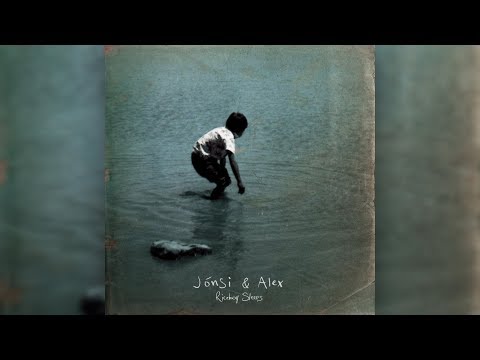
In February 2009, the pair retreated to a solar-powered raw-food commune in Hawaii to mix the tracks they had been recording intermittently over several years. Released that July as Riceboy Sleeps, under the name Jónsi & Alex, the album presented a world distinct from Sigur Rós's post-rock grandeur — more delicate, more ethereal, acoustic instruments and choir dissolving into one another.

Somers later recalled: “Before I opened a studio, music was always just in the house. It came from the walls. That felt very natural.” Riceboy Sleeps is that naturalness preserved in amber.

Somers's Berklee training works quietly in this album. Combining Amiina's string quartet with the Kópavogsdætur Choir, shaping each piece so that the whole functions as a structure of silence — that is not something made by instinct alone. It requires someone who understands the grammar of music as a language.
YouTube video


All Animals — A Commission Born in a Biennial

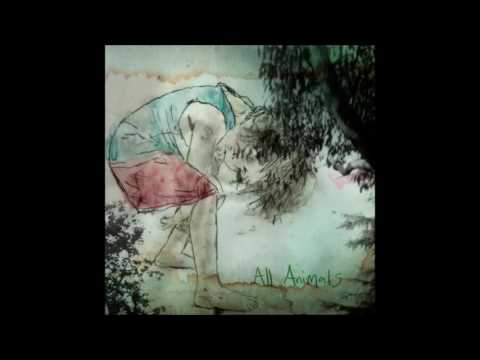
The Jónsi & Alex work All Animals has a different origin entirely from Riceboy Sleeps. It was commissioned by Thyssen-Bornemisza Art Contemporary (TBA21) for The Morning Line, a monumental public art structure designed by artist Matthew Ritchie. The piece was written and recorded in September 2008 in Reykjavík, using primarily acoustic instruments — piano, voice, and animal sounds.

The Morning Line itself was first unveiled at the 3rd Seville International Contemporary Art Biennial in 2008: a structure 8 metres high and 20 metres long, built from 17 tonnes of coated aluminium, conceived as a platform for exploring the intersections of art, architecture, music, mathematics, cosmology, and science. Jónsi & Alex were not the only composers commissioned — alongside them were Bryce Dessner, Mark Fell, Lee Ranaldo, Chris Watson, and others, each contributing works encoded for the installation's 47-channel spatial sound system.

All Animals was later included as a bonus CD in the limited-edition Riceboy Sleeps box set (3,500 numbered copies), first pressed on vinyl in 2017 in a run of 100 hand-painted copies, and repressed for Record Store Day 2018 in an edition of 1,000.
YouTube video


Valtari — Sculpting in Fog

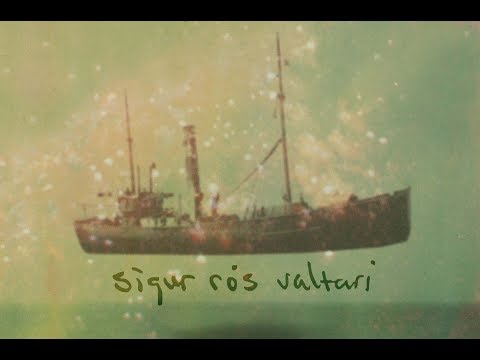
Immediately after Riceboy Sleeps, Sigur Rós began attempting a new album. They started recording in 2009 — ambient sketches, long drones — but lost their sense of direction and scrapped everything in 2010, entering an indefinite hiatus. The material existed. What the band had lost was the perspective to assemble it into something coherent.

In 2011 the band reconvened, this time at Somers's Reykjavík studio. He had been brought on to mix. But after a week spent deep in the material, he found something buried there. “I realized I was listening to an amazing collection of songs,” he said. “But the guys were at a stage where they were losing focus, and it was difficult to assemble everything and make sense of it all.”

What Somers did was concrete: he surveyed the scattered drones and sketches from above, then redesigned them — deciding what to add, what to cut, how to sequence. He added texture and focus to ambient drones, presented the band with a list of overdubs to record, and encouraged them to use Icelandic lyrics in place of Vonlenska. The intuition Berklee had sharpened — the ability to think of music as a whole rather than a collection of parts — was being applied directly to a Sigur Rós album for the first time. After six weeks of sessions, the fragments coalesced into Valtari (2012). The word means “steamroller” in Icelandic; Jónsi described it as “something large that slowly rolls over you.”

Drowned in Sound wrote: “In 2011, the band alongside Alex Somers started the painstaking forensic task of piecing together a cohesive and magical work from disparate constituent parts.” It was work only someone with an outsider's perspective, a deep insider's fluency, and the structural vocabulary of a trained musician could have done.
YouTube video


Liminal — Music Living on the Threshold

In 2018, Sigur Rós launched the ambient project Liminal, run jointly by Jónsi, Alex Somers, and producer Paul Corley. Corley is an American composer and producer known for his work with Oneohtrix Point Never and Tim Hecker, and a member of the Icelandic label Bedroom Community. He became Sigur Rós's live Music Director in 2016, and has since been the electronic and sonic anchor of the band's ambient work.

Liminal means “threshold” — the project draws listeners into the membrane between waking and sleep, neither here nor there. Crucially, Liminal was made by exactly the same team as 2016's Route One. NPR introduced Liminal's launch by noting it followed “last year's Route One” by “the same crew.” Route One and Liminal are not separate works; they are the first and second movements of a sustained ambient investigation by Jónsi, Somers, and Corley.

Of Liminal Sleep (2019), the centrepiece of the project, the three wrote: “We like the fact that sleep remains defiantly mysterious; something we all do — all need to do — but can't ever get fully inside. This playlist is a modest attempt to mirror the journey of a sleep cycle, with its curves, steady states and natural transitions.”

Somers here is not merely a collaborator but one of the project's architects — weaving the entirety of the Sigur Rós catalogue, solo work, film scores, and AI-generated music into what the project describes as “a multi-faceted perspective on the whole Sigur Rós creative universe.” His lifelong understanding of ambient music as environmental design is the skeleton holding this project upright.

YouTube video

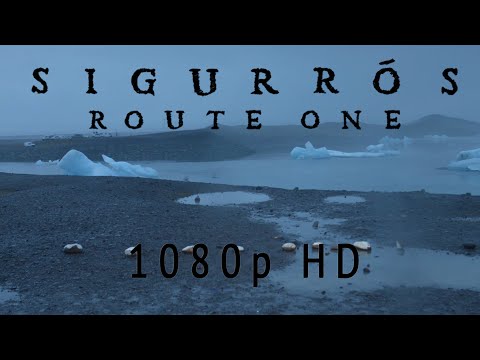
Route One — The Algorithm Drives the Ring Road

Route One precedes Liminal by two years and represents the starting point of the same team's ambient exploration. On the longest day of summer 2016, Sigur Rós drove the entire 1,332-kilometre loop of Iceland's ring road, broadcasting the 24-hour journey live on YouTube while a soundtrack was generated in real time alongside it. This was the Slow TV ambient experiment Route One — and 2016 was also the year Paul Corley joined as live Music Director and co-produced the single “Óveður.” Route One was the first fruit of the moment Somers and Corley both arrived in the band's orbit.

The music was generated using BRONZE, a dedicated generative music platform developed in 2011 by Mike Grierson of Goldsmiths University and musician Gwilym Gold. The system's design principle: “every sound is subject to a set of laws, with a new and unique track generated in real time on every playback.” It is not random — the composer sets the rules — which places it philosophically in the same lineage as Max/MSP or Pure Data, the music programming environments taught in many music schools and universities.

Multi-track stems from “Óveður” were fed into BRONZE, which endlessly recombined them in real time. That is what made 24 hours — or over 25 in the full version — of continuous music possible. This is neither a remix nor an improvisation; it is algorithmic variation, directly analogous to Brian Eno's earliest ambient experiments with tape loops displaced slightly in phase.

There is no public record of Somers directly programming the BRONZE system, but Corley's deep background in electronics work — honed across years of collaboration with Oneohtrix Point Never and Tim Hecker — likely made him the bridge between the system and the band's musical intentions. Somers, trained at Berklee in an environment where music programming tools like Max are standard, was not far from this mode of thinking either. The record of their direct involvement may be incomplete; what Route One's achievement makes clear is how naturally this team connected to the idea of composing music as programmable law.

Each track takes its name from the GPS coordinates of a stop along the road: 63°32'43.7”N 19°43'46.3”W, 64°02'44.1”N 16°10'48.5”W, and so on — location data as title. The album was initially released at Iceland's Norður og Niður festival in hand-painted sleeves by artist Sigga Björg, then repressed for Record Store Day 2018.

As Treble Zine observed, Route One bridges the placid serenity of Valtari with the ice-burned sullenness of Kveikur, a continuation of the aesthetic universe the band has been building toward: pagan sea caves, volcanic glass, old Viking space. And Route One connects directly into Liminal: the three — Jónsi, Somers, Corley — pursued throughout both projects a single consistent thought: that music need not be a finished object, but a perpetually generated environment.
YouTube video

Formal Training, and the Bridge to the Orchestra

Sigur Rós's musical language grew from somewhere other than formal education. Jónsi is self-taught; the band's entire expression was shaped by instinct and experiment rather than the conservatoire. When the band began moving seriously toward orchestral collaboration, they always needed someone who could speak that language structurally. Alex Somers filled that gap.

His Berklee training in orchestration and film scoring gave him the practical ability to write specific musical instructions for strings, woodwind, brass, and choir. When he combined Amiina's quartet with the Kópavogsdætur Choir on Riceboy Sleeps, when he layered texture and focus onto Valtari's drones, when he designed the ensemble architecture of Liminal — all of it was work that requires a trained musician's ear.

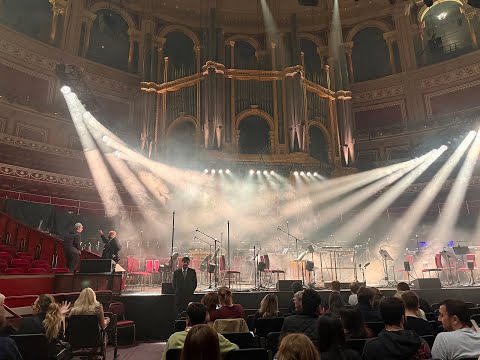
At the Barbican in 2019, Jónsi and Somers performed Riceboy Sleeps in its entirety with the London Contemporary Orchestra — 25 players spanning strings, woodwind, horns, and percussion. “It's pretty amazing that we get to play the whole album in running order with an orchestra and choir,” Jónsi said. “It brings new meaning, new life, different shades and textures.”

Since the release of ÁTTA in 2023, Sigur Rós have established full orchestral accompaniment as their standard touring format — conductor Robert Ames leading local 41-piece orchestras (the Wordless Music Orchestra, the LCO, the Detroit Symphony Orchestra, and others) across Europe and North America. In 2025, at the Royal Albert Hall, they performed “Ára bátur” live for the first time with the LCO. The 2026 final tour leg has seen them collaborate with the Scottish Chamber Orchestra, the Bilbao Symphony Orchestra, and others city by city.

The foundation for all of this was laid over years: the string arrangements of Riceboy Sleeps, the layering on Valtari, the ensemble design of Liminal — work that only someone with formal musical training could have done. That Sigur Rós now stand in the world's great concert halls alongside full orchestras owes something, at least in part, to this accumulated groundwork.
YouTube video

Takk... (The Tape Variations) — Tape as Memory

In December 2025, Sigur Rós released Takk... (The Tape Variations): a full reworking of the 2005 classic by Sidney Satorsky, a Toronto-based producer. “Takk... has been one of my favourite albums since it was released 20 years ago,” Satorsky wrote. “When I was invited to collaborate, I wanted to explore creating alternate versions of the songs that felt at home somewhere between sleep and awake.”

Satorsky had already served as co-producer on Jónsi & Alex's Lost and Found (2019), placing him well inside this ambient creative orbit rather than as an unknown outsider.

A suggestive thread runs through the choice. Alex Somers has been manipulating tape since he was thirteen — layering recordings on a Tascam, building environments from sound. The official description of Lost and Found explicitly cites “tape experiments” as central to the work. In Satorsky, Somers may have found a collaborator who shared not just musical sensibility but a particular relationship to tape as material — the sense that recording is less about capture than transformation. Tape is, for Somers, the origin point of what it means to make music at all. That memory and aesthetic instinct may well have shaped the eye that selected the person to reinterpret a twenty-year-old masterpiece.

YouTube video

What One American Changed

If Alex Somers's contribution must be summarised in a phrase, it is this: an ear that could speak the inside language from the outside. He was never a band member, but by living in Reykjavík with Jónsi as his partner, he came to understand Sigur Rós's musical grammar more deeply than almost anyone. The two separated in 2019, but their creative relationship has continued — Jónsi and Somers remain collaborators and friends.

His film-scoring training at Berklee, his immersion in visual art at the Iceland Academy of the Arts, his lifelong accumulation of tape experiments — all of these fed into a singular role in Sigur Rós's ambient deepening.

In Valtari, he sculpted material out of fog. In Liminal, he designed the border between sleep and music. In Route One, he helped set algorithm and Icelandic geography dissolving into one another. In Takk... (The Tape Variations), he passed a love of tape as material to the next collaborator in the circle. These are not separate events — they are expressions of a single coherent sensibility.

Sigur Rós remains Sigur Rós. But much of the ambient depth in their music may trace back to the moment a boy from Baltimore first put his hands on a Tascam four-track at the age of thirteen — and realized that sound was an environment you could control.


概要: ジャズとイスラム音楽が出会うとき、そこには単なるクロスオーバーではなく、別の次元の錬金術が起きる。タブラ奏者ザキール・フセインが率いるECMの隠れた傑作、スーフィーの詠唱をジャズに翻訳したDhafer Youssef、マイルス・デイヴィスのグルーヴをメソポタミアの微分音で再解釈したAmir ElSaffar、そして静寂そのものを音楽にしたAnouar Brahem。この4枚が、あなたの「ジャズとはこういうものだ」という先入観を静かに解体する。

何十年もの間、ジャズの境界線は実に自由に揺れ動きた。しかしイスラム世界のモーダルで微分音的、そして霊的な伝統がジャズのリズム的自由と衝突するとき、そこには特別な錬金術が生まれる。それは表面的なクロスオーバーではない——現代音楽の地平線そのものを塗り替える、深遠な対話だ。

あなたの音の地平を広げたいなら、ジャズとイスラム・中東の音楽的遺産を見事に橋渡しする、これら4枚の傑作アルバムをぜひ聴いてほしい。

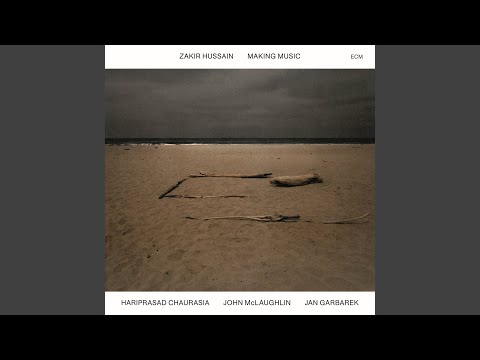
1. 見過ごされたECMの傑作:Making Music – Zakir Hussain

(異なる世界の精神的な昇華)

ECMレコードといえば、クールで空間的なヨーロッパ・ジャズや北欧ミニマリズムを思い浮かべる人が多いだろう。しかしその広大なカタログの片隅に、東洋の精神的遺産と現代即興演奏の交差点を美しく捉えた隠れた宝石が眠っている——Zakir HussainのMaking Music(1987年)だ。

Zakir Hussain自身はヒンドゥー教徒だが、彼が操るタブラはインドからパキスタンに至る南アジア全域で、ヒンドゥー・イスラム双方の音楽文化に深く根ざした打楽器だ。高音域のダヤンと低音域のバヤンという二つのタムを組み合わせたこの楽器は、ヒンドゥー教の礼拝音楽にもイスラムのスーフィー音楽(カッワーリー)にも欠かせない存在であり、その文化的な架け橋としての性格が、このアルバムの精神とも深く共鳴している。

そのHussainが率いるこのラインナップは、まるで不可能な実験のように見える:

  • Zakir Hussain(タブラ)
  • Hariprasad Chaurasia(バンスリー/フルート)
  • John McLaughlin(アコースティック・ギター)
  • Jan Garbarek(サックス)

文化の混沌とした衝突を予想する幕開けだが、実際に展開されるのは、積極的な傾聴から生まれる奇跡だ。「Sabah」(アラビア語で「朝」)のようなトラックは、夜明けの静謐で瞑想的な雰囲気を呼び起こす。McLaughlinのギターが放つ燃えるような精緻さとHussainの驚異的なタブラのリズムが、Garbarekの幽玄なサックスの音色とChaurasiaの息吹き込む横笛の響きに溶け込んでいく。一見相容れない音楽的DNAが出会い、境界を取り払い、純粋で普遍的な感情へと昇華する——これは見過ごされた傑作だ。

YouTube video

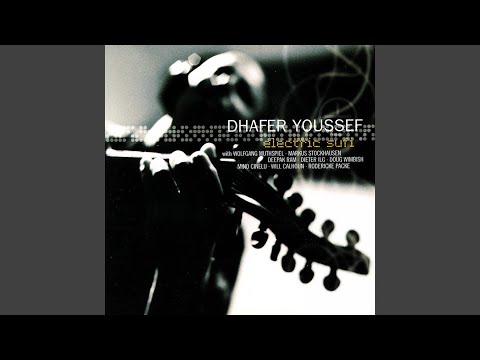
2. 神秘のウードの現代化:Electric Sufi – Dhafer Youssef

(スーフィーの精神性を現代ジャズへと翻訳する)

ウードは、中東・イスラム古典音楽に深く根ざした古代のフレットなしリュートだ。しかしチュニジアの名手Dhafer Youssefの手にかかると、それは激しく現代的なジャズ探求のための器へと変容する。彼の代表作*Electric Sufi*(2001年)は、まさにその変容の真骨頂だ。

Youssefはウードをただ演奏するのではない。その豊かで共鳴感あふれる、本質的に霊的な東洋のテクスチャーを、活気ある電気的なジャズの風景へと統合してみせる。最先端の電子グルーヴと一流のジャズ演奏を背景に、このアルバムは古代的でありながら未来的な響きをたたえている。

その充実した作品群の中でも、「La nuit sacrée」は絶対的な傑作として際立つ。この曲には、オーストリアのトランペット奏者Markus Stockhausenが参加している。ここでもまた、まったく異なる要素が衝突し、ジャンルを超えた美しい音楽的錬金術を生み出している。二つの相反する世界が出会い、その音の化学反応を通じて純粋な魔法を生み出す——そんな崇高な一例だ。

秘密の武器: Youssefの卓越したウード演奏に加え、彼は伝統的なスーフィーの声楽的詠唱に根ざした息を呑むほどの声域を持つ。彼の声とStockhausenの幽玄なトランペットが現代のジャズ・リズム・セクションを突き抜けるとき、そこに生まれるのはこの世ならぬ催眠的な祈りだ——ジャズ・フュージョンとは何かを根本から再定義する響きである。

YouTube video

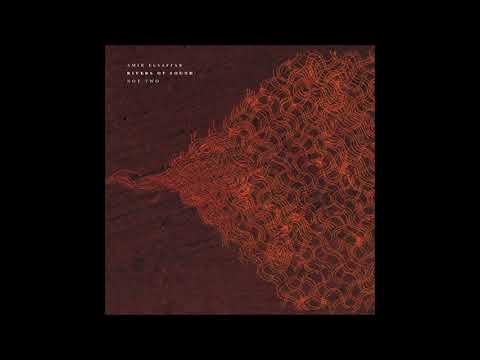
3. 東洋のマイルス・デイヴィス・グルーヴ:Not Two – Amir ElSaffar & Rivers of Sound

(マカームとビッグバンドの重厚なグルーヴが出会う)

マイルス・デイヴィスのエレクトリック期(Bitches BrewOn the Cornerを思い浮かけてほしい)の、あの密度高く切迫した、完全に催眠的なグルーヴを求めつつ、それがイラクの伝統音楽の神秘的なレンズを通してフィルタリングされたものを聴きたいなら、Amir ElSaffar and Rivers of SoundのNot Two(2017年)以外に選択肢はない。

イラク系アメリカ人のトランペット奏者・声楽家であるElSaffarが、ここで成し遂げたことは記念碑的だ。彼は特注のチューニングが施されたトランペットを演奏し、アラビア・イスラム音楽の伝統的な微分音(マカーム)を奏でることができる。Not Twoでは彼が17人編成の大型アンサンブル——Rivers of Sound——を率いており、西洋のジャズ楽器(サックス、トランペット、ドラム)とウード、ブズク、サントゥール(ハンマー・ダルシマー)、ダルブッカといった中東の伝統楽器が融合している。

その結果は?圧倒的で複雑なグルーヴに突き動かされる、まさに音の壁だ。ポリリズムはマイルス・デイヴィスのアヴァンギャルド・アンサンブルと同じ、荒削りで止まることのない勢いで変化し蠢く——しかしそのメロディのDNAは純粋にメソポタミア的だ。密度が高く、圧倒的で、そして完全に超越的である。

YouTube video

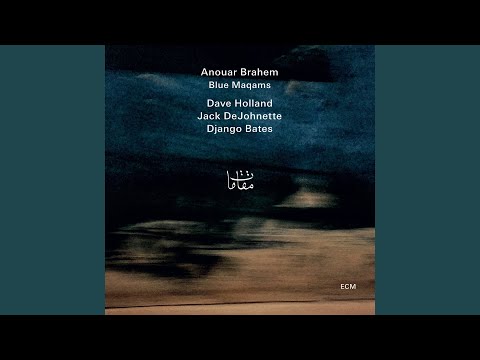
4. マグレブのアンビエント・チェンバー・ジャズ:Blue Maqams – Anouar Brahem

(深い傾聴と機能的な静寂の、微細な錬金術)

この旅を締めくくるにあたり、私たちはジャズのテンポ感と精神的な空間の関係性を再定義するアルバムに目を向ける必要がある。これまでの作品が複雑なポリリズムや高揚するボーカルのピークで繁栄していたのに対し、チュニジアのウードの巨匠、Anouar BrahemのBlue Maqams(2017年)は、深く意図された「抑制」の領域で機能している。

このECMのリリースにあたり、Brahemは文字通りジャズ界のロイヤルファミリー(至高のラインナップ)を集結させた:

  • Anouar Brahem(ウード)
  • Dave Holland(ダブルベース)
  • Jack DeJohnette(ドラム)
  • Django Bates(ピアノ)

紙の上でHollandやDeJohnetteといったレジェンドの名を見ると、ドライヴィングでハードにスウィングするポスト・バップのセッションを期待するかもしれない。しかし、Blue Maqamsはモダン・ジャズ特有の焦燥感をすべて削ぎ落としている。もしあなたが肉体的で強烈なジャズのグルーヴを求めているなら、このアルバムにそれを見つけることはできない。その代わり、リズムセクションは完璧な「引き算の美学」を実践し、押し付けがましい推進力ではなく、ミニマルで広大な鼓動を提供している。

このアルバムを絶対的な傑作たらしめているのは、その「二面性」だ。一方では、Brahemの微分音ウードとDjango Batesの輝くようなピアノとの繊細な対話が、深く集中して聴く(アクティブ・リスニング)リスナーに豊かな報酬を与えてくれる。しかしその一方で、ECMらしい純度の高いアコースティックの残響と、人の意識を邪魔しない穏やかなテンパー(気質)は、現代のインストゥルメンタルミュージックにおける、最も優れたアンビエント(環境音楽)的体験の一つとして機能する。

これは、聴き手の心を決してかき乱さないアルバムだ。深い思考、執筆、あるいは創作活動のための非の打ち所がない音響的背景を探している人にとって、Blue Maqamsは高度な芸術的聖域として機能する。ジャズにおける最も深い精神的表明とは、時に、絶対的な静寂の中で囁かれるものであることを証明しているのだ。

YouTube video

おわりに

これら4つの作品は、ジャズが普遍的なキャンバスであり、イスラム音楽世界の深遠な精神的深みを吸収し、反映する独自の能力を持っていることを証明している。

Making Musicの繊細な室内楽的フュージョン、Electric Sufiのエレクトロ・ミスティシズム、Not Twoの轟くようなマカーム・ビッグバンド・グルーヴ、そしてBlue Maqamsの静謐でアンビエントのような集中力。どのアルバムも、あなたの耳に忘れられない旅を届けてくれるはずだ。

Description: The saxophone was invented in the 1840s—yet in the hands of certain performers, it can sing Renaissance polyphony with an almost human intimacy that period instruments can't quite achieve. This piece pairs that strange anachronism with the story of a medieval songbook that survived purely by accident—sealed inside a convent wall and rediscovered centuries later. Two improbable survivals: a repertoire that was nearly lost, and an instrument that wasn't supposed to play it. What happens when they meet is unexpectedly moving.

The Origin of an Encounter — In the Icelandic Wilderness

In 1991, ECM Records founder Manfred Eicher was shooting a film in Iceland — an adaptation of a Max Frisch novel. Amid that desolate lava landscape, he found himself returning again and again to a particular combination: the sacred choral music of Spanish Renaissance composer Cristóbal de Morales, and the improvisations of Norwegian saxophonist Jan Garbarek.

Different genres, different centuries. And yet, within the same space of the Icelandic wilderness, those two musics resonated with a strangeness that felt entirely natural. Carrying that conviction, Eicher brought Garbarek and the Hilliard Ensemble together at St. Gerold Monastery in Austria in 1993.

That afternoon, three or four minutes into the Hilliard Ensemble's performance of Morales's Parce mihi Domine, Garbarek quietly picked up his saxophone and joined in without a word. Everyone played to the end in a kind of stunned silence, and when the music stopped and the quiet descended, Eicher — his eyes wet with tears — said: “We must record this immediately.”

In 1994, the album Officium was released.

YouTube video

Who Is Jan Garbarek

Born in 1947 in Mysen, Norway. At fourteen, he heard John Coltrane on the radio and resolved then and there to play the saxophone. He taught himself by imitating Coltrane, won an amateur contest in 1962, and went on to study with American composer and theorist George Russell — becoming the face of ECM Records from the label's very first release, his 1970 debut Afric Pepperbird.

Garbarek's saxophone voice is unmistakable: a sharp-edged tone that stretches into long, sustained notes — sometimes likened to the call of Islamic prayer. But at its foundation lies a deep connection to Norwegian folk music. Triptykon (1972) was his first work to incorporate Norwegian folk melodies, a direction encouraged by American trumpeter Don Cherry. “I am tied to a particular vocabulary and phrases linked to Norwegian folk music,” Garbarek has said.

When he plays Norwegian folk melodies on tenor saxophone, his microtonal pitch bends recall the gradual movement of an Indian raga — not the equal-tempered intervals of jazz, but the subtle inflections of a singer bending a note with their voice. It is a saxophone, and yet something vocal inhabits it. This approach was precisely the key that made the chemical reaction with the Hilliard Ensemble's vocal polyphony possible.

Garbarek's musical world extends far beyond the frame of a jazz saxophonist, crystallising into a form of “composition” deeply rooted in his own identity and Nordic origins. One clear expression of this is the 1993 album Twelve Moons, where he reconstructs the traditional songs (joik) of the Sámi — the indigenous people of his homeland — alongside motifs from fellow Norwegian composer Grieg, reshaping them through his own vocabulary into richly original works.

YouTube video

Who Is the Hilliard Ensemble

A British male vocal quartet founded in 1974, taking their name from Elizabethan miniaturist Nicholas Hilliard. Specialists in medieval and Renaissance music — from Gregorian chant to sixteenth-century polyphony — they were also active advocates for contemporary composers such as Arvo Pärt, and maintained a long relationship with ECM Records.

The ensemble comprised countertenor David James, tenors Rogers Covey-Crump and John Potter, and baritone Gordon Jones. They concluded their forty-one years of activity in 2014.

Bach left behind a vast body of church music throughout his life. The Chaconne appears at first glance to be a work for solo instrument alone — yet it is said that encoded within its intricate melodic lines, like a hidden cipher, is a sacred chorale written as a prayer for his deceased wife. The Hilliard Ensemble, that authority on early music, breathes entirely new life into this celebrated work by laying those concealed voices over it.

YouTube video

Why the Saxophone “Sings” — Three Reasons

1. The Pitch Inflections of Folk Music

Garbarek does not sound a pitch as a fixed point. The sense of “bending a note like the human voice” — absorbed into his body from Norwegian folk performance practice — gives the saxophone line a quality of living voice. The modal scale structures of Renaissance vocal polyphony and this microtonal style of playing dissolve into each other naturally.

2. The Reverberation of the Monastery

The recording was made at St. Gerold Monastery in Vorarlberg, Austria. The long reverberation generated by that stone space envelops both voice and saxophone within the same acoustic environment, blurring the boundary between them. Garbarek's saxophone resonates as “a fifth voice,” breathing the same air as the four singers.

3. Pure Improvisation — Without a Score

Garbarek never looks at the Hilliard's scores. What he needs is simply “what key they're singing in — two sharps or two flats — that's all”; everything else he plays entirely by ear. His improvisation is not pre-constructed: it is a real-time dialogue responding to the emotions generated in the moment by the singers. That is why no two takes are ever the same, and why the saxophone's voice sounds like “a breath woven between the phrases of a song.”

Morales as Material

At the heart of the album stands Cristóbal de Morales (c. 1500–1553) — a composer born in Seville who served in the Papal Chapel in Rome for a decade, and the foremost figure of the Spanish Renaissance. His Parce mihi Domine (“Lord, have mercy on me”) is drawn from the Officium defunctorum — the Mass for the Dead — and its sombre, austere beauty lives on unchanged five hundred years later within the stone walls of a monastery.

It was no accident that Eicher, in the Icelandic wilderness, was listening to Morales and Garbarek simultaneously. Both shared the quality of “a thin melodic voice placed within a vast silence.”

A Second Miracle — The Cantigas de Santa Maria, a Folk Song That Did Not Disappear

If Officium represents an encounter between sacred chant and jazz, another recording poses a yet more fundamental question: why do songs sung by commoners and troubadours in thirteenth-century Spain sound “new” to our ears eight hundred years later?

The Miracle of Survival as Written Music

In October 1988, a recording session was held at the Mnebhi Palace in Fez, Morocco. Joel Cohen — American early music conductor and lutenist — led the Camerata Mediterranea alongside the Fez Andalusian Orchestra (conducted by Abdelkrim Rais) and Moroccan musician Mohammed Briouel, all gathered in one room. The repertoire was the Cantigas de Santa Maria — songs to the Virgin Mary assembled under Alfonso X (“the Wise”), King of Castile, in the thirteenth century.

What are the Cantigas? A collection of 420 poems and musical compositions written in medieval Galician-Portuguese, comprising hymns of praise to the Virgin Mary and accounts of her miracles. The vast majority of composers are unknown — songs created by Muslim, Christian, and Jewish poets, troubadours, and musicians who gathered at court, then collected and codified by Alfonso X under his royal authority. It is precisely because of that royal patronage that they survive today.

What matters is that these songs survive as written music. Four manuscripts still exist — two at El Escorial, one at the Biblioteca Nacional de España in Madrid, and one in Florence — each containing musical notation. Medieval notation differs substantially from modern practice, requiring specialist knowledge to decipher, but the melodic contour can at least be read. This is close to a miracle. Countless melodies sung among the nobility and common people of that era vanished as unwritten oral traditions. But the Cantigas were inscribed in manuscripts under royal patronage and have crossed eight centuries to reach us.

Convivencia — The Music Born of an Age of Coexistence

Thirteenth-century Spain — Castile and Andalusia in particular — existed in a rare cultural condition known as convivencia (“coexistence”): Christianity, Islam, and Judaism sharing the same spaces, their cultures intersecting. This situation carried complex tensions as the Reconquista advanced, but the court of Alfonso X functioned, at least, as a crossroads of that multicultural exchange.

The music of the Cantigas holds within it the modes of Gregorian chant alongside the microtonal colours of Arab-Andalusian music. Oud, qanun (a zither-type string instrument), and darbuka (a goblet drum) intertwine with the voices. This is Christian devotional music, yet it wears Islamic instruments and scales. That the 1988 Fez recording placed a European early music ensemble and Moroccan Andalusian musicians in the same room was also a re-enactment of that historical mingling.

Joel Cohen as Guide

Born in 1942 in Providence, Rhode Island. After studying at Brown University and Harvard — where he studied composition — he went to Paris to study with Nadia Boulanger. He became music director of the Boston Camerata in 1968 (serving for forty years, until 2008), and later founded the Camerata Mediterranea in 1990.

In America, Cohen is known primarily as the long-serving leader of the Boston Camerata; on the eastern side of the Atlantic, however, he is esteemed as a lutenist and master of accompanied song. His practice of playing the lute while conducting and singing connects directly to the troubadour tradition of medieval and Renaissance music-making. His work as a music producer for French national radio, his Edison Award (Netherlands), and his decoration as an Officier de l'Ordre des Arts et des Lettres in France attest to his international standing.

That the Cantigas recording received the Edison Prize 2000 confirms that this “ancient yet new” music was recognised at the highest level.

YouTube video

Why Does It Sound “New” Eight Hundred Years Later

That the Cantigas survived as written notation is a miracle of preservation — but that alone does not explain why they resonate as fresh to the modern ear.

One reason is the ambiguity of the decipherment. Medieval notation records rhythmic information only loosely, leaving performers a degree of interpretive freedom. This is music that lives between excavation and re-creation, not strict reconstruction.

A second reason is the modernity of hybridity itself. The sound world of the Cantigas — oud and lute, Arab percussion and European strings in conversation — resonates somewhere with contemporary world music and crossover sensibilities. And yet it is not a calculated “fusion” but the natural product of an era in which coexistence was simply taken for granted. It is precisely that unselfconsciousness that catches the modern ear off guard.

Melodies once voiced by nameless singers in the court of Alfonso X were breathed back to life by Moroccan and European musicians at the Mnebhi Palace in Fez, and arrive now at the ears of listeners in the 2000s. A slender thread of written notation has held that eight-hundred-year bridge in place.

On the Record

Officium appeared on not only classical charts but pop charts following its 1994 release, becoming the best-selling record in ECM history with over 1.5 million copies sold. Critics called the album “something with no name — neither jazz nor early music.” Hilliard member John Potter said: “What kind of music is this? We don't know. It is what happened when a saxophonist, a vocal quartet, and a record producer met and made music together.”

Over the following twenty years, approximately one thousand concerts were performed, and four follow-up albums were released: Mnemosyne (1999), Officium Novum (2010), and Remember Me, My Dear (2019).

BBCのラジオ番組、Late Junctionから流れてきたその曲を、私は今でも覚えている。ジャズのピアノトリオなのに、どこかエレクトロニカのような質感があった。ビートが生ドラムなのに機械のような正確さを持ち、ベースがときにギターのように唸る。こんなジャズは聴いたことがなかった。翌日にはCDを買っていた。それがEsbjörn Svensson Trio、通称e.s.t.との出会いだった。

三人の出自と、それぞれが持ち込んだ音楽的背景

e.s.t.は1993年にストックホルムで結成されたスウェーデンのジャズピアノトリオだ。メンバーはエスビョルン・スヴェンソン(ピアノ)、ダン・ベルグルンド(ダブルベース)、マグヌス・エーストレム(ドラム)の三人。

スヴェンソンとエーストレムは幼なじみだった。スウェーデンの小さな町ヴェステロースで育った二人は、10代の頃からバンドを組んでいた。スヴェンソンの音楽的出自はクラシックとジャズの両方にあった。母親がクラシックピアニストで、父親はジャズ愛好家。少年時代にラジオでロックを聴きながら育ち、モンクを愛しつつも、その影響源はジャンルを超えていた。バンド名として仮に呼ばれていた曲のひとつが「Radiohead-Melody」だったことは、彼らの姿勢を象徴している。スヴェンソン自身も「三人ともRadioheadが大好きだ」と語っている。

エーストレムのドラムへの道は、兄のレコードコレクションから始まった。ジミ・ヘンドリックス、ディープ・パープル、オールマン・ブラザーズ、レーナード・スキナード。ロックで耳を育てた少年が13歳のときにビリー・コブハムとジョン・マクラフリンのコンサートを観て、ジャズロックに目覚めた。その体験がドラマーとしての彼の核にある。

ベーシストのベルグルンドもまた、根っからのハードロックファンだった。「ジミ・ヘンドリックスやリッチー・ブラックモアのように聞こえるように、ベースにボウとディストーションをかける実験を始めた」と本人が語っているように、彼のベースはジャズの文脈では異端の楽器だった。後にTonbruket結成後のインタビューでこう述べている。「新しいバンドにはギタリストがいるので、もはやe.s.t.のときのようにベーシストとギタリストを兼ねる必要がなくなった」──つまりe.s.t.では、ベースがギターの役割をも担っていたのだ。

生身の体が生み出した、打ち込みのような音

e.s.t.のサウンドを唯一無二のものにしたのは、この三つの異なる音楽的背景が衝突し、溶け合った結果だった。

エーストレムはブラシの毛先でスネアを叩いてポップスのリズムサンプルを模倣したり、エレクトロニック・トリガーを使ってサウンドのテクスチャを拡張したりした。生ドラムなのにプログラムされたビートのような正確さと有機的な揺らぎが共存するあの質感は、ロックで耳を鍛え、ジャズロックで目覚めた打楽器奏者が、エレクトロニカのグリッド感覚を生身の体で再現しようとした結果だった。

ベルグルンドはダブルベースにディストーション、ファズ、ディレイをかけ、ときに弓で弾いてギターのように鳴らした。ジャズの文脈では邪道とも言えるこのアプローチが、e.s.t.のサウンドにロック的な質感と推進力をもたらした。

そしてスヴェンソンのピアノ。クラシックの構築性とジャズの即興性、そしてポップスのメロディーセンスを併せ持つそのプレイは、エーストレムのリズムとベルグルンドのベースが作り出す「ジャズではない何か」の上に、確かにジャズとして着地した。

YouTube video

ライブで火がついた国際的なブレイク

e.s.t.はスウェーデン国内では早くから評価されていたが、国際的なブレイクは1999年のモントルー・ジャズフェスティバルでのACTワールドジャズナイトの出演がきっかけだった。それを機にACTレーベルからスカンジナビア以外の地域にもアルバムがリリースされ、ヨーロッパ全土へと活動の場を広げた。

彼らの戦略は徹底的なライブだった。年間ほぼ100日をツアーに費やし、ジャズクラブだけでなくロック志向の会場でも演奏した。照明効果やスモークマシンを使ったステージ演出は、ジャズの観客だけでなく、若い層に届くことを意識したものだった。

ロンドンでは、ディーン・ストリートの小さなPizza Express Jazz Clubからスタートし、徐々に観客を増やしてコンサートホールを満員にするまでに成長した。Late Junctionのような実験音楽系ラジオ番組を通じてジャズ層以外にも届いていったことも、この時期の重要な経路だった。

2002年のアルバム『Strange Place for Snow』はドイツ・ジャズ賞、フランスのヴィクトワール・デュ・ジャズ(フランス版グラミー賞)最優秀国際アクト賞など多くの賞を受賞し、e.s.t.の名前をヨーロッパ中に知らしめた。2006年にはアメリカのジャズ専門誌Downbeatの表紙を飾った、初のヨーロッパ出身バンドとなった。

到達点としての『Seven Days of Falling』

2003年の『Seven Days of Falling』は、e.s.t.のサウンドが完成した作品だ。エレクトロニカとジャズとロックが完全に溶け合い、どのジャンルにも収まらない独自の音楽として結晶した。

エーストレムのドラムはこのアルバムでより大胆に「打ち込みのような」質感を追求し、ベルグルンドのベースはさらに自由にギターとベースの境界を越える。スヴェンソンのピアノは美しいメロディーを保ちながら、その下に複雑なリズム構造を隠している。

多くの批評家がe.s.t.を「ジャズを知らない人が初めてジャズを好きになる入口」と評したのはこの時期からだ。通常のジャズアルバムの三倍の売上を記録し、普段はジャズを聴かない若い聴衆がライブ会場を埋めた。

YouTube video

比較という誘惑 ── Nils Petter Molværとの違い

同時代のミュージシャンとして、e.s.t.と並べて語られることがあるのがノルウェーのトランペット奏者、ニルス・ペッター・モルヴェルだ。ECMというレーベルは、静謐なチェンバー・ジャズの牙城として知られていたが、モルヴェルは1997年の『Khmer』と2000年の『Solid Ether』でその常識を覆した。特に『Solid Ether』は打ち込みビートがより前面に出た作品で、冒頭曲「Dead Indeed」はほぼすべてモルヴェル自身によって演奏・プログラムされている。ジャズの枠をはるかに超えた批評的な評価を受け、ECMの新たな聴衆層を開拓した。

しかし根本的な違いがある。モルヴェルはコンピュータとサンプラーを自ら操作し、電子的に生成されたビートの上にトランペットを重ねる。それは優れた方法論だが、e.s.t.のアプローチとは出発点が異なる。

e.s.t.が生み出したものは、生身の人間の体がエレクトロニカのグリッドを模倣し、それを超えようとした結果だった。機械を使わずに、ロックとジャズとエレクトロニカを生楽器だけで融合させる──その奇跡を、三人の人間が体で実現した。

突然の終わり

絶頂期にあった2008年6月14日、スヴェンソンはストックホルム郊外のイングアロー島近海でスキューバダイビング中に事故死した。44歳だった。同行していたのは彼の14歳の息子を含むダイビング仲間たちで、海底で意識を失った彼を発見した。

残されたベルグルンドとエーストレムは、スヴェンソンの代わりに別のピアニストを加えてバンドを続けることは不可能だと判断した。e.s.t.はそこで終わった。

その後、二人はそれぞれ別のプロジェクトで活動を続けている。ベルグルンドはTonbruketを結成し、エーストレムはソロ活動を経てRymdenを立ち上げた。しかしe.s.t.というバンドは、もう存在しない。

誰も乗り越えていない奇跡

後続のミュージシャンたちはe.s.t.のサウンドから何かを受け取り、自分たちの音楽に活かそうとした。しかしその家を完全に建て直すことはできていない。

生ドラムと生ベースと生ピアノだけで、エレクトロニカとロックとジャズを融合させるあのサウンドは、三人の特異な音楽的背景と長年のアンサンブルが作り出した、再現不可能な化学反応だった。

今から二十年以上前のアルバムを聴いても、e.s.t.のサウンドは古びない。それはこの音楽が特定のジャンルや時代の流行に乗っていたからではなく、人間の体と楽器が作り出せる何かの限界に触れていたからだと思う。

その奇跡は、まだ誰も乗り越えていない。

Description: Post-classical music is not just an Icelandic or European story. Masayoshi Fujita places metal strips and felt on vibraphone bars, turning the instrument into something close to an acoustic modular synthesizer. Taiwan's Cicada recreates sequencer rhythms using only strings and piano, without a single electronic element. This piece introduces four artists from East Asia who are quietly redrawing the boundaries of post-classical music from the inside—building something that doesn't sound derivative of what came before.

The landscape of modern ambient and post-classical music is shifting. While the genre has long been anchored in the frosty chill of Iceland or the minimalist studios of Berlin and London, a distinct, compelling resonance is emerging from East Asia.

Rather than relying on the heavy use of electronic synthesizers to construct space, contemporary artists from this region are treating traditional acoustic instrumentation with a remarkably modern, sharp sensibility. Here, we introduce two essential acts redefining the post-classical architecture: Japan's Masayoshi Fujita, Taiwan's Cicada, Japan's [.que] and Japan's shuta hasunuma.


Masayoshi Fujita: Re-architecting the Vibraphone

Often associated with the prestigious London/Berlin-based imprint Erased Tapes, Masayoshi Fujita is a master of structural stillness. His primary instrument is the vibraphone—a choice that, in lesser hands, can easily fall into flat, uniform repetition.

Fujita avoids this trap not by overpowering the instrument, but by treating it like an acoustic modular synthesizer. By placing strips of metal, felt, or foil directly onto the vibraphone bars, he alters the very texture of the decay.

In albums like his vibraphone triptych Stories (2012), Apologues (2015), and Book of Life (2018), his music strips away the ego of the performer. What remains is a hyper-focused, cold, and beautiful environment where every strike and shimmering vibration behaves like a calculated pocket of air. It is minimal music at its most honest, where the silence between the notes carries as much weight as the resonance itself.

YouTube video

Cicada: The Acoustic Waves of Modern Minimalism

Hailing from Taiwan and frequently championed by the Japanese label flau, Cicada is a stellar chamber ensemble consisting of piano, violin, cello, and acoustic guitar.

What makes Cicada so thoroughly unique is their methodology. They use absolutely zero electronics, yet their music feels entirely informed by post-rock and electronica. They achieve a shimmering, modern pulse purely through acoustic dexterity—the rapid, intricate bowing of the strings and the continuous, precise patterning of the piano mimic the rhythmic cadence of a sequencer.

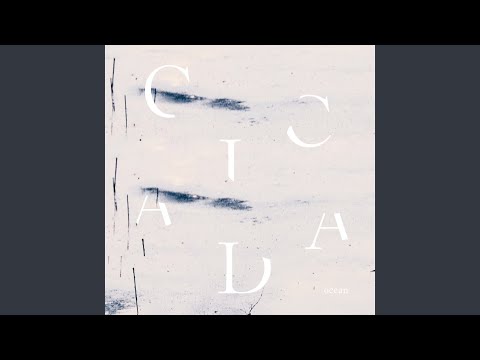
Their seminal album, Ocean, is a masterful piece of structural design. The ensemble captures the physical dynamics of the sea—the cold undertow, the foaming tide, and the vast open space. While their sweeping arrangements occasionally lean into rich, expressive climaxes, the underlying foundation remains a tight, disciplined exercise in contemporary minimalism. They prove that you do not need digital manipulation to create a profoundly modern sense of space.

YouTube video

My best track

Their seminal track, “into the ocean (匯流向海),” serves as a masterclass in this approach. The composition structures itself around a hyper-minimal, crystalline piano loop that slices through the silence. When the interlocking strings finally pierce through this rigid framework, the transformation is staggering—it doesn't lean on romantic melodrama, but rather channels an elite, sharp urgency that expands the sonic horizon instantly.

YouTube video

[.que]: The Melodic Intersection of Pop and Post-Classical Structure

While Fujita and Cicada occupy a space of structural discipline, Japan's [.que] (Nao Kakimoto) introduces a vibrant, highly melodic counterpoint that challenges the boundaries of the genre. At first listen, his intricate blend of beautiful piano melodies, crisp acoustic guitar, and organic drum patterns might feel almost too pop-centric to fit cleanly under the “post-classical” umbrella.

Yet, to dismiss [.que] as mere pop would be a mistake. He populates a crucial, often overlooked territory: music that possesses the deep harmonic sophistication of modern minimalism but is overlooked by the mainstream pop machinery due to its fragile, instrumental nature. By weaving infectious, song-like lyricism through a meticulous electronic-acoustic framework, [.que] reminds us that modern space can also be warm, nostalgic, and undeniably catchy.

YouTube video

YouTube video

Shuta Hasunuma: The Genius of Maximalist Freedom

A note on genre: Shuta Hasunuma does not sit squarely within post-classical music. His ensemble, the Shuta Hasunuma Philharmonic Orchestra, is best described in his own words as a “contemporary philharmonic pop orchestra”—a world that freely incorporates pop, rap, and electronics alongside acoustic instrumentation. He is included here as a composer who writes detailed scores for a large ensemble of diverse instruments, and whose approach to collective, multi-layered acoustic architecture speaks directly to the spirit of this list.

If Fujita is a master of reduction, Shuta Hasunuma represents the ultimate liberation of sound through collective harmony. Leading his massive contemporary ensemble (Shuta Hasunuma Philharmonic Orchestra), Hasunuma commands an astonishingly wide array of acoustic instrumentation—ranging from woodwinds and brass to complex percussions and field recordings.

His sheer genius lies in his ability to orchestrate this vast multitude of voices without ever falling into the dense, suffocating weight of traditional classical arrangements. Instead, Hasunuma treats every individual instrument as an independent, breathing entity, weaving them into a soundscape that is incredibly light, transparent, and undeniably modern. It is a brilliant masterclass in how to build a complex, multi-layered acoustic architecture that remains effortless and profoundly human—a true visionary who deserves far greater global recognition.

His approach mirrors the communal, polyrhythmic joy of music built on collective improvisation—capturing the pure, unadulterated ecstasy of multiple human beings interlocking in sound. It is not about classical discipline; it is about collective liberation.

My best live video is here YouTube video


A Quiet Dialogue Between Wood, Metal, and Space

To place Masayoshi Fujita and Cicada in the same space is to witness a beautiful sonic contrast. Fujita works with the cold, metallic, and deliberate isolation of a solitary craftsman, while Cicada builds fluid, interlocking acoustic currents that breathe together.

For those seeking to move beyond the well-trodden paths of Western post-classical music, these two artists offer a masterclass in how to command silence, structure, and texture. They are the new modern classics.

概要: サックスは1840年代に発明された楽器なのに、それで16世紀の声楽曲を演奏するとどうなるか。この記事では、ルネサンス・ポリフォニーをサックスで再解釈した驚異的な録音と、たまたま修道院の壁の中に埋め込まれていたために戦火を生き延びた中世の歌曲集の話を並べる。偶然の保存と意図的な越境が交差するところに、初期音楽の最も不思議な魅力がある。

出会いの起源——アイスランドの荒野で

1991年、ECMレコード創設者のマンフレート・アイヒャーはアイスランドで映画を撮っていた。Max Frischの小説を原作とした作品で、その荒涼とした溶岩地帯の風景の中で、彼はある組み合わせに繰り返し耳を傾けていた——スペイン・ルネサンスの作曲家クリストバル・デ・モラレスの聖歌と、ノルウェーのサックス奏者ヤン・ガルバレクの即興演奏だ。

異なるジャンル、異なる時代。しかしその二つの音楽は、アイスランドの荒野という同じ空間の中で、奇妙なほど自然に共鳴した。アイヒャーはその確信を胸に、1993年、オーストリアのSt. Gerold修道院でガルバレクとヒリアード・アンサンブルを引き合わせた。

その日の午後、ヒリアード・アンサンブルがモラレスの「Parce mihi Domine」を歌い始めて3〜4分が経ったとき、ガルバレクは静かにサックスを取り出し、何も言わず演奏に加わった。全員が呆然とするまま最後まで演奏し、曲が終わって沈黙が降りた後、アイヒャーは目に涙を浮かべてこう言った——「すぐに録音しなければならない」。

1994年、アルバム『Officium』がリリースされた。

YouTube video

ヤン・ガルバレクとは何者か

1947年、ノルウェーのミセン生まれ。14歳のときにラジオでジョン・コルトレーンを聴き、その場でサックスを志した。独学でコルトレーンを模倣し、1962年にはアマチュア・コンテストで優勝。その後、アメリカの作曲家・理論家ジョージ・ラッセルに師事し、ECMレコードの最初のリリース(1970年のデビュー作Afric Pepperbird)からレーベルの顔となった。

ガルバレクのサックスの声は独特だ。鋭いエッジを持ちながら、長く伸びる持続音——それはイスラムの礼拝の呼びかけを思わせると評されることもある。しかしその根底にあるのは、ノルウェーの民族音楽との深いつながりだ。トリプティコン(1972年)が彼の演奏にノルウェー民謡を取り入れた最初の作品で、その方向はアメリカのトランペット奏者ドン・チェリーに後押しされたものだった。「私はノルウェーの民族音楽に結びついた特定の語彙やフレーズに縛られている」とガルバレク自身が語っている。

テナーサックスでノルウェー民謡を演奏するとき、彼のマイクロトーナルなピッチベンドはインドのラーガの緩やかな動きを思わせる——それはジャズの平均律的な音程ではなく、歌い手が声で音を揺らすような微細な動きだ。サックスでありながら、まるで声楽的な何かが宿っている。サックスでありながら、まるで声楽的な何かが宿っている。この奏法こそが、ヒリアード・アンサンブルの声楽ポリフォニーとの化学反応を可能にした鍵だった。

ガルバレクの音楽世界は、単なるジャズ・サックス奏者の枠を遥かに超え、自身のアイデンティティや北欧のルーツに深く根ざした「作曲」へと結実していく。その明確な一側面を示しているのが、1993年のアルバム『Twelve Moons』だ。ここではノルウェーの先住民族サーミの伝統歌(ヨイク)や、同郷の作曲家グリーグのモチーフなどを自らの語彙で再構築し、豊穣なオリジナル作品へと昇華させている。

YouTube video

ヒリアード・アンサンブルとは何者か

1974年に設立されたイギリスの男声四重奏団。名前はエリザベス朝の細密画家ニコラス・ヒリアードに由来する。中世・ルネサンス期の音楽を専門とし、グレゴリオ聖歌から16世紀のポリフォニーまでを研究・演奏してきた古楽の権威だ。一方でアルヴォ・ペルトなど現代作曲家の作品も積極的に取り上げ、ECMとも長い関係を持つ。

メンバーはカウンターテナーのデヴィッド・ジェームズ、テナーのロジャース・コヴィー=クランプとジョン・ポター、バリトンのゴードン・ジョーンズの4人。2014年に41年の活動に幕を閉じた。

バッハは生涯にわたり多くの教会音楽(聖歌)を残しました。一見、楽器だけの曲に見えるこの「シャコンヌ」ですが、実はその複雑な旋律の裏に、亡き妻への祈りを込めた聖歌が暗号のように隠されていると言われています。古楽の権威ヒリアード・アンサンブルが、その隠された歌声を重ね合わせることで、名曲に全く新たな命を吹き込んでいます。

YouTube video

なぜサックスが「歌う」のか——3つの理由

1. 民族音楽的なピッチの揺らぎ

ガルバレクは音程を固定した点として鳴らさない。ノルウェーの民謡奏法から体に染み込んだ「声のように音を揺らす」感覚が、サックスのラインに肉声的な質感を与えている。ルネサンスの声楽ポリフォニーが持つモーダルな音階構造と、この微分音的な奏法が自然に溶け合う。

2. 修道院の残響

録音はオーストリア・フォアアールベルク州のSt. Gerold修道院で行われた。石造りの空間が生み出す長い残響は、声楽とサックスを同じ音響空間に包み込み、境界を曖昧にする。ガルバレクのサックスは「第五の声」として、4人の声楽家と同じ空気の中で響く。

3. 楽譜を見ないという完全な即興

ガルバレクはヒリアードのスコアを一切見ない。彼が必要とするのは「何調で歌うか——♯が2つか♭が2つか——それだけ」であり、あとはすべて耳だけで演奏する。その即興は予め構成されたものではなく、声楽が生み出す瞬間の感情に反応するリアルタイムの対話だ。だからこそ、どのテイクも同じにならず、サックスの声は「歌の合間を縫う息遣い」のように聴こえる。


モラレスという素材

アルバムの中心にあるのはクリストバル・デ・モラレス(1500年頃〜1553年)——セビリア出身でローマ教皇庁の聖歌隊に10年間仕えた、スペイン・ルネサンスを代表する作曲家だ。彼の「Parce mihi Domine(主よ、我を許したまえ)」は、死者のためのミサ(Officium defunctorum)から取られた曲で、その沈鬱で厳粛な美しさは500年後の石造りの修道院でも変わらず息づいている。

アイヒャーがアイスランドの荒野でモラレスとガルバレクを同時に聴いていたのは偶然ではなかった。どちらも「大きな沈黙の中に置かれた、細い旋律の声」という点で一致していたのだ。

もう一つの奇跡——Cantigas de Santa Mariaという「消えなかった民謡」

『Officium』が聖歌とジャズの出会いであるとするなら、もうひとつの録音はさらに根源的な問いを立てている。13世紀スペインで庶民や吟遊詩人が歌った歌が、なぜ800年後に私たちの耳に「新しく」聴こえるのか。

楽譜として残ったという奇跡

1988年10月、モロッコのフェズにあるムネビ宮殿で、ひとつの録音セッションが行われた。アメリカの古楽指揮者・リュート奏者ジョエル・コーエン率いるCamerata Mediterranea、フェズ・アンダルシア管弦楽団(指揮:Abdelkrim Rais)、そしてモロッコの音楽家Mohammed Briouelが一堂に会した。曲目は13世紀カスティリャ王アルフォンソ10世(「賢王」)のもとで集成された聖母マリアへの歌、カンティガス・デ・サンタ・マリア(Cantigas de Santa Maria)。

カンティガスとは何か。13世紀のガリシア=ポルトガル語で書かれた420篇の詩と楽曲の集成で、聖母マリアへの賛美歌と奇跡物語からなる。作曲者の大部分は無名だ。宮廷に集まったイスラム教徒、キリスト教徒、ユダヤ教徒の詩人・吟遊詩人・音楽家たちが生み出した歌を、アルフォンソ10世が王の権威をもって収集・集成した。だからこそ今日まで残った。

重要なのは、これらが楽譜として残っているという事実だ。4つの写本(エル・エスコリアルに2冊、マドリード国立図書館に1冊、フィレンツェに1冊)が現存し、それぞれに音楽記譜法が記されている。中世の記譜法は現代のものとは異なるため解読には専門知識を要するが、少なくとも旋律の輪郭は読み取ることができる。

これは奇跡に近い。同時代に貴族や大衆のあいだで歌われた無数の旋律は、楽譜なき口承として消えた。しかしカンティガスは王の庇護のもとで写本に刻まれ、8世紀の時間を超えて届いた。

コンビビエンシア——共存の時代が生んだ音楽

13世紀のスペイン、特にカスティリャとアンダルシアは、「コンビビエンシア(共存)」と呼ばれる稀有な文化的状況にあった。キリスト教・イスラム教・ユダヤ教の三宗教が同じ空間で共存し、互いの文化が交差していた。この状況はレコンキスタ(国土回復運動)の進行とともに複雑な緊張をはらんでいたが、少なくともアルフォンソ10世の宮廷は、その多文化的な交差点として機能していた。

カンティガスの音楽には、グレゴリオ聖歌のモードとアラブ=アンダルシア音楽の微分音的な色彩が混在している。ウード、カヌン(ツィター系弦楽器)、ダルブッカ(ゴブレット型太鼓)が声楽と絡み合う。これはキリスト教の祈りの音楽でありながら、イスラムの楽器と音階を纏っている。1988年のフェズでの録音が、ヨーロッパの古楽アンサンブルとモロッコのアンダルシア音楽の奏者を同じ部屋に置いたのは、その歴史的な混交の再現でもあった。

ジョエル・コーエンという案内人

1942年、ロードアイランド州プロビデンス生まれ。ブラウン大学を経てハーバード大学で作曲を学んだ後、パリに渡りナディア・ブーランジェに師事した。1968年にボストン・カメラータの音楽監督に就任し(2008年まで40年間在任)、その後1990年にはCamerata Mediterraneaを設立した。

アメリカにおいてコーエンはボストン・カメラータの長期リーダーとして知られているが、大西洋の東側ではリュート奏者・弾き語り名手としての評価が高い。コーエン自身がリュートを弾きながら指揮・歌唱を行うスタイルは、中世やルネサンスの吟遊詩人的な音楽の在り方に直結している。フランス国立ラジオでの音楽プロデューサーとしての経験、エジソン賞(オランダ)の受賞、フランス芸術文化勲章(オフィシエ)の叙勲がその国際的評価を示している。

カンティガスの録音がEdison Prize 2000を受賞したことは、この「古いが新しい」音楽が専門家からも高く評価されたことの証だ。

YouTube video

なぜ800年後に「新しく」聴こえるのか

楽譜として残ったことは保存の奇跡だが、それだけでは「現代の耳に新鮮に響く」理由にはならない。

理由のひとつは解読の不確かさだ。中世記譜法にはリズムの情報が曖昧にしか残っていないため、演奏者はある程度の解釈的自由を持って演奏する。厳密な再現ではなく、発掘と再創造のあいだにある音楽だ。

もうひとつは混交そのものの現代性だ。ウードとリュート、アラブの打楽器とヨーロッパの弦楽器が交差するカンティガスの音響は、現代のワールドミュージックやクロスオーバーの感覚とどこか通底している。しかしそれは計算された「融合」ではなく、共存が当然だった時代の自然な産物だ。その無計算さが、かえって現代の耳を驚かせる。

アルフォンソ10世の宮廷で名もない歌い手が口にしていたメロディが、フェズのムネビ宮殿でモロッコとヨーロッパの音楽家によって息を吹き返し、2000年代の私たちの耳に届く。楽譜という細い糸が、その800年の橋を架けた。

記録として

Officiumは1994年のリリース後、クラシック・チャートだけでなくポップ・チャートにも登場し、ECM史上最大の売り上げとなる150万枚以上を記録した。批評家はこのアルバムを「ジャズでも古楽でもない、名前のない何か」と呼んだ。ヒリアードのメンバー、ジョン・ポターは言った——「これは何の音楽か?私たちにはわからない。サックス奏者と声楽四重奏とレコード・プロデューサーが出会って音楽を作ったとき、そこで起きたことだ」と。

その後20年間で約1000回のコンサートが行われ、続編としてMnemosyne(1999年)、Officium Novum(2010年)、Remember Me, My Dear(2019年)がリリースされた。