What Inspired Me

unknown music lover from Japan. This blog wrote in both Japanese and English.

かつて何者にもなれずに解散したイリノイの大学生たちは、2026年、それぞれの「生活」の傍らで、ロックという器を静かに踏み越えた。

プロローグ:誰も気にしていなかった「緑の家」

1999年、アメリカ・イリノイ州の大学キャンパスの片隅で、ひとつのアルバムがひっそりと録音された。予算はわずか2000ドル、期間はたったの4日間。メンバーの卒業に伴い、バンドはアルバムのリリースを待たずしてすでに解散モードに入っていた。スタジオに入るまでの3年間で行ったライブはわずか15本から30本。それも観客が数人の、閑散としたものだった。

「誰もこのバンドを気にしていなかった」

後にメンバーのSteve Holmesが振り返った通り、彼らの1stアルバム(通称『LP1』)は、誰に届くこともなく、青春の終わりとともに引き出しの奥へ片付けられた「思い出の品」になるはずだった。当時のアンダーグラウンド・シーンが求めていたのは、もっと激しく、衝動的に感情を叫ぶパンクとしての「エモ」だったからだ。

【エモとは】 “Emotional hardcore”を略した呼称で、1980年代後半にアメリカのハードコア・パンクから分岐して生まれたロックの一ジャンル。激しいサウンドを保ちながら、失恋・孤独・アイデンティティの揺らぎといった個人の内面を赤裸々に歌うことを特徴とする。90年代にはBlinkやGetup Kidsのようなポップ寄りのバンドが主流を形成する一方、American FootballやOwens、Cap'n Jazzが生まれたイリノイ州シカゴ近郊では「ミッドウェスト・エモ」と呼ばれるサブジャンルが育ち、複雑なギター・アルペジオや変拍子を取り入れた知的・内省的な様式を展開した。2010年代には当時のバンドが再評価され「エモ・リバイバル」と呼ばれる第三波が世界規模で起きている。地味で、静かで、複雑な彼らの音楽は、時代の空気感と完全に齟齬をきたしていた。

しかし、バンドが不在の14年間に、奇妙な逆流現象が起きる。ファイル共有ソフトLimewireやインターネットのメッセージボードを通じて、あの「緑の家」のジャケットは音楽マニアの間でカルト的な聖典として語り継がれ、2010年代のエモ・リバイバル世代のバンドたちによって「源流」として逆輸入されたのだ。

2014年、リイシュー盤の発売を機に再結成が実現したとき、彼らを待っていたのは世界中のソールドアウトのステージだった。このとき、Mike KinsellaのいとこであるNate Kinsellaがベーシストとして加入し、バンドはトリオからカルテットへと生まれ変わる。解散したときは誰にも知られていなかった彼らは、再結成したときには世界から求められる伝説になっていた。

YouTube video

驚異の「副業プロフェッショナリズム」

このバンドの特異性は、奇跡的な再結成を遂げた後も、彼らが決して「専業ミュージシャン」に戻らなかったことにある。

メンバーのSteve Lamosはコロラド大学ボルダー校でライティング・レトリック学の准教授として教壇に立ち、Holmesはソフトウェア会社に勤め、フロントマンのMike Kinsellaは子育てをしながら自身のソロプロジェクト「Owen」を営む。彼らは年間20〜30本のライブが限界の、堅実な「生活者」であり、完全なる「副業」としてAmerican Footballを運営している。

あなたがLP2を聴いたときに覚えた「副業で作ったとは思えない完成度」への驚愕。それは、音楽構造的に正しい必然が生んだものだ。

Kinsellaは後に、仕事や子育ての合間、ツアーバスの中で歌詞を書き殴るような過酷なスケジュールの中で「多くの妥協があった」と語っている。しかし、音楽で飯を食うためのギラギラしたエゴや商業的打算が必要ないからこそ、彼らは日常の傍らで、スタジオの残響や音圧を1ミリ単位でコントロールする「大人のストイシズム」を貫くことができた。かつて大学時代に鳴らしていた変則チューニングやポリリズムは、17年間の人生経験を経て、完全にコントロールされた狂気的な職人技へと昇華されていたのだ。

なお、Lamosは2021年に一度バンドを離れているが、2023年に復帰。LP4の制作にも加わっている。

YouTube video

2026年の新境地:霧の向こうのアルペジオ

そして2026年、7年ぶりの新作として送り出したLP4は、これまでのどの作品よりも美しく、そして彼らの過去のサウンドからは最も遠い場所へと到達している。

一聴して耳を引くのは、そのドラスティックな音響の変化だ。かつてキャンパスの片隅で鳴っていた瑞々しいインディー・ロックのテクスチャーは一歩後退し、そこにはモダン・クラシカルやエレクトロニカ、さらにはポストロックやアンビエント・ドローンに近い、豊潤で深い音響空間が広がっている。生活者としての年齢を重ね、インプットされる音楽的語彙がさらに成熟したことが、この大胆な拡張を生んだのだろう。

テーマの面でも、LP4は過去作とは比べものにならない重さを持つ。Polyvinylはこのアルバムを「容赦なく重い」と評し、自殺、羞恥、離婚、依存症、自己嫌悪、そして再生といった主題が、しばしば1曲の中に同居すると説明している。青春の揺らぎを描いたLP1の叙情性は、中年の生々しいリアルへと深化している。

しかし、この新しい音響の霧を1枚めくったその中心で、楽曲を構造的に支えているのは、やはりあの「2本のギターが織りなす、執拗に繰り返される変則チューニングのアルペジオ」だ。

彼らの音楽のルーツには、パンクの衝動ではなく、スティーヴ・ライヒ直系のミニマリズムがある。短いフレーズを反復し、わずかな位相のズレや和声の変化で感情の起伏を描くという方程式は、周囲の環境(テクスチャー)がどれほど変わろうとも、一切揺らいでいない。その結実のひとつが、LP4収録の「Desdemona」だ。この曲はライヒの代表作『Music for 18 Musicians』(1978年)に着想を得た持続的なリズム・パルスを軸に構築されており、バンドが長年口にしてきたライヒへの傾倒が、ついに楽曲の骨格に刻み込まれた形となっている。インディー・ロックの衝動を愛したリスナーにとっては、この霧深い音響はあまりにも遠くへ行きすぎたように映るかもしれない。しかし彼らにとっては最初のアルバムの打ち立てた金字塔からの開放であるのかもしれない。

かつて青春の揺らぎや痛みを表現していたあの小刻みなギターのアルペジオは、2026年の今、まるで「淡々と、しかし確実に続いていく日常の営み」そのものを象徴するループのように響く。

YouTube video

世代を超えた「尊敬の連鎖」

American Footballの影響力が単なる「評論家のお墨付き」ではなく、同時代および次世代のミュージシャンたちの実際の行動に刻まれているという事実は、彼らの音楽の本質的な強さを物語っている。

その最も顕著な証左が、2024年に発表されたLP1の25周年記念カバーアルバムだ。Iron & Wine、Manchester Orchestra、Blondshellなど多彩なアーティストが参加したこの企画で、とりわけ注目を集めたのがEthel Cainによる「For Sure」のカバーだった。現在のオルタナティヴ・シーンを代表するアーティストの一人であるEthel Cainは、自らこの曲を選んでカバーを申し出、原曲の3分16秒を約10分の楽曲へと昇華させた。「私がレコードをかけるたびにいつも際立って聴こえる曲で、自分のサウンドにどう翻訳するかはすぐにわかった」と彼女は語っている。また「American Footballは、デビュー盤でひとつの時代にこれほど深く刻み込まれたバンドだ。その音楽的ストーリーテリングは、数えきれないほどの方法で私にインスピレーションを与え続けてきた」とも述べており、彼女の傾倒が表面的なものでないことは、楽曲「American Teenager」のMVがLP1のジャケットのフォント・レイアウトを意識的に模倣していることからも伝わってくる。

LP4においても、コラボレーションの顔ぶれがそのままバンドの影響力の地図となっている。ハードコア・シーンの最前線に立つTurnstileのBrendan Yatesが参加した「No Feeling」は、もともとコーラスの合唱パートの一員として招かれたものだったが、スタジオで即興的に高音ハーモニーを試みたところ、その声の個性が楽曲を別次元へと引き上げた。Kinsellaはその瞬間を「スタジオ全員の顎が落ちた」と振り返っている。エモとハードコアという一見異なる文脈に立つ二者が、こうして自然な化学反応を起こすこと自体、American Footballが特定のジャンルの枠を超えて機能していることの証明だろう。

LP3(2019年)でのParamoreのHayley Williamsとのコラボレーションも同様の文脈で理解できる。ポップ・ロックのメインストリームで活躍するWilliamsが「Uncomfortably Numb」への参加を承諾したのは、彼女がAmerican Footballの長年のファンだったからに他ならない。さらにLP4では、90年代のエモ・シーンで活動をともにした同時代人Rainer MariaのCaithlin De Marraisも名を連ねる。世代の異なるアーティストたちが、それぞれの理由でこのバンドに引き寄せられてくる—その事実そのものが、American Footballというバンドの稀有な磁場の強さを示している。

3rd album is as good as others YouTube video

エピローグ:反復される日常の美学

American Footballの音楽が、普段エモを聴かないリスナーの耳にすらこれほど深く刺さる理由。それは、彼らが感情を爆発させるバンドだからではない。

Red House PaintersやSun Kill Moonが持つ「静けさの中に重い感情を封じ込める」あのサッドコアの情景にも通じる、剥き出しの真正性。スロウコアとの共通のゆっくりと奏でられるアルペジオがそう感じさせるのかもしれない。それを、数学的とも言えるミニマリズムの「構造」によって冷徹に設計しているからだ。

一度は完璧に死んだはずのプロジェクトが、SNSという現代の地下水脈を通じて神格化され、大人になった彼らの「生活の余白」で再び息を吹き返す。2026年の最新作が証明しているのは、彼らが人生の景色を変えながらも、あの1999年から何も変わらない「反復の美学」を指先で編み続けているという、静かな、しかし圧倒的な事実なのだ。

概要: ポストクラシカルはアイスランドとベルリンだけの話ではない。ヴィブラフォンのバーに金属片やフェルトを置き、アコースティックなモジュラーシンセのように扱うMasayoshi Fujita。電子機器を一切使わないのに、シーケンサーのリズムを弦とピアノだけで再現する台湾のCicada。そして[.que]とshuta hasunuma——東アジアから、ポストクラシカルの構造そのものを静かに書き換えようとしている4人の仕事を追う。

現代のアンビエント/ポストクラシカル・ミュージックのシーンは、いま変化のただ中にある。このジャンルは長らくアイスランドの凍えるような冷たさ、あるいはベルリンやロンドンのミニマルなスタジオに根ざしてきたが、いま東アジアから、はっきりとした、心を捉える共鳴が生まれつつある。

電子シンセサイザーを多用して空間を構築するのではなく、この地域の現代アーティストたちは、伝統的なアコースティック楽器を驚くほど現代的で鋭敏な感性で扱っている。ここでは、ポストクラシカルの構造を再定義する重要な存在たちを紹介したい——日本のMasayoshi Fujita、台湾のCicada、日本の[.que]、そして日本のshuta hasunumaだ。

Masayoshi Fujita:ヴィブラフォンを再構築する

ロンドン/ベルリンを拠点とする名門レーベルErased Tapesとの結びつきでよく知られるMasayoshi Fujitaは、構造的な静けさの達人である。彼の主たる楽器はヴィブラフォン——並みの奏者が扱えば、たやすく平板で画一的な反復に陥ってしまう楽器だ。

Fujitaはこの罠を、楽器を力で押し切ることではなく、それをアコースティックなモジュラーシンセサイザーのように扱うことで回避している。金属片やフェルト、ホイルの帯をヴィブラフォンのバーに直接置くことで、減衰そのものの質感を変化させているのだ。

ヴィブラフォン三部作であるStories(2012)、Apologues(2015)、Book of Life(2018)のようなアルバムでは、彼の音楽から奏者の自我が削ぎ落とされている。後に残るのは、極限まで研ぎ澄まされ、冷たく、そして美しい環境——一打一打、きらめく振動のすべてが、計算され尽くした空気の塊のように振る舞う世界だ。それは最も誠実な形のミニマル・ミュージックであり、音と音の間にある沈黙が、共鳴そのものと同じだけの重みを持っている。

YouTube video

Cicada:現代ミニマリズムのアコースティックな波

台湾出身で、日本のレーベルflauによってたびたび紹介されてきたCicadaは、ピアノ、ヴァイオリン、チェロ、アコースティックギターからなる卓越した室内楽アンサンブルである。

Cicadaを徹底的にユニークな存在にしているのは、その方法論だ。彼らは電子機器を一切使わないにもかかわらず、その音楽はポストロックやエレクトロニカに完全に通じる感触を持っている。彼らはきらめくような現代的な鼓動を、純粋にアコースティックな技巧のみによって達成する——速く緻密な弦の運弓と、ピアノによる絶え間なく精密なパターンが、シーケンサーのリズム的なケイデンスを模倣しているのだ。

代表作であるアルバム『Ocean』は、構造的なデザインの見事な達成である。このアンサンブルは、海が持つ物理的なダイナミクス——冷たい底流、泡立つ潮、そして広大な開放感——を捉えている。雄大なアレンジは時に豊かで表現力に富んだクライマックスへと傾くこともあるが、その根底にある基盤は、現代ミニマリズムにおける引き締まった、規律ある実践であり続けている。彼らは、デジタルによる操作がなくとも、深く現代的な空間の感覚を生み出せることを証明しているのだ。

YouTube video

私のベストトラック

代表曲「into the ocean(匯流向海)」は、このアプローチの見事な手本である。楽曲は、沈黙を切り裂くような、極限までミニマルで結晶のようなピアノのループを軸に構築されている。絡み合う弦楽がついにこの硬質な枠組みを突き破るとき、その変容は驚くべきものだ——それはロマンティックなメロドラマに頼ることなく、洗練され鋭い切迫感を放ち、音の地平を瞬時に押し広げていく。

YouTube video

[.que]:ポップとポストクラシカル構造が交差するメロディ

FujitaやCicadaが構造的な規律の空間を占めているとすれば、日本の[.que](柿本直)は、ジャンルの境界に挑む、生き生きとして高度にメロディックな対位法を持ち込む存在だ。一聴しただけでは、美しいピアノのメロディ、輪郭のはっきりしたアコースティックギター、そして有機的なドラムパターンが緻密に絡み合うそのスタイルは、「ポストクラシカル」という枠組みに収まるにはあまりにポップ寄りに感じられるかもしれない。

しかし、[.que]を単なるポップとして片付けてしまうのは誤りだろう。彼は重要でありながら、しばしば見過ごされてきた領域——現代ミニマリズムが持つ深い和声的な洗練を備えながらも、その繊細でインストゥルメンタルな性質ゆえにメインストリームのポップ・マシーンからは見過ごされてしまう音楽——を体現している。緻密に作り込まれたエレクトロニック=アコースティックの枠組みの中に、耳に残る歌のような旋律性を織り込むことで、[.que]は、現代的な空間が温かく、ノスタルジックで、そして間違いなくキャッチーでもあり得ることを思い出させてくれる。

YouTube video

YouTube video

Shuta Hasunuma:マキシマリストな自由の天才性

ジャンルについての注記:蓮沼執太はポストクラシカルの枠には収まりきらない。彼自身が「蓮沼執太フィルハーモニック・オーケストラ」を「現代版フィルハーモニック・ポップ・オーケストラ」と称しているように、その世界はポップ、ラップ、電子音楽をアコースティック楽器と自在に融合させるものだ。ここに彼を加えたのは、多様な楽器のための緻密なスコアを書く作曲家として、また大編成の集団的・多層的なアコースティック建築へのアプローチが、このリストの精神と深く共鳴するからである。

Fujitaが引き算の達人だとすれば、Shuta Hasunumaは集団的な調和を通じた音の究極的な解放を体現する存在だ。彼が率いる大編成の現代アンサンブル(蓮沼執太フィルハーモニック・オーケストラ)において、Hasunumaは木管・金管楽器から複雑なパーカッション、フィールドレコーディングに至るまで、驚くほど幅広いアコースティック楽器を操る。

彼の真の才能は、この膨大な数の声を、伝統的なクラシック編成が陥りがちな密集した、息苦しいほどの重みに堕することなくオーケストレーションできる手腕にある。代わりにHasunumaは、それぞれの楽器を独立した、呼吸する存在として扱い、それらを織り合わせて、驚くほど軽やかで透明感があり、間違いなく現代的なサウンドスケープを作り上げる。それは、労せずして成立しているように見えながら、きわめて人間的でもある複雑で多層的なアコースティック建築を、いかに構築するかを示す見事な手本だ——彼はもっと世界的に評価されてしかるべき、真のヴィジョナリーである。

彼のアプローチは、集団的な即興演奏が生む共同体的でポリリズミックな喜びを映し出している——複数の人間が音の中で絡み合う、混じり気のない純粋な恍惚を捉えているのだ。それはクラシックの規律についてではなく、集団的な解放についての音楽である。

私が一番好きなライブ映像はこちら YouTube video


木と金属、そして空間のあいだの静かな対話

Masayoshi FujitaとCicadaを同じ空間に置いてみると、そこには美しい音響的なコントラストが立ち現れる。Fujitaが、孤高の職人による冷たく金属的で意図的な孤立の中で作業するのに対し、Cicadaは、ともに呼吸し合う流動的で絡み合うアコースティックの流れを築き上げる。

西欧のポストクラシカル・ミュージックの踏み固められた道を超えて何かを求める人にとって、この二人のアーティストは、沈黙と構造、そして質感をいかに自在に操るかを示す見事な手本となるだろう。彼らこそ、新たな現代の古典なのだ。

Reading the roles of Thom Yorke and Jonny Greenwood through Christopher O'Riley's transcriptions, and tracing the single thread that leads to their present-day solo work

Prologue: The Day Classical Listeners Went Looking for “Mr. Head”

In 2003, a strange wave of inquiries flooded NPR radio program From the Top. During a broadcast, listeners so moved by a piece the host-pianist had performed began writing in to ask: “Where can I find the beautiful music of this composer, 'Mr. Head'?”

“Mr. Head,” of course, was Radiohead.

The program's host, Christopher O'Riley, had been playing his own piano-solo arrangements of Radiohead songs — entirely unannounced, as if they were standard classical repertoire — in the same time slots he might otherwise fill with Debussy or Rachmaninoff miniatures. Classical listeners had assumed they were hearing music in the lineage of Bach or Debussy.

This “misidentification” is more than a charming anecdote. It stands as the most eloquent possible proof of the structural depth within Radiohead's music.

O'Riley: The “Eccentric” with Virtuoso Technique and Classical Intelligence

Christopher O'Riley is by no means an unknown amateur. He is a concert pianist who won prizes at all four of the world's premier competitions — Van Cliburn, Leeds, Busoni, and Montreal — and has performed with major orchestras including the New York Philharmonic, Los Angeles Philharmonic, and Philadelphia Orchestra. He began piano at age four, studied with Russell Sherman at the New England Conservatory, and has spent his career performing works of formidable technical demand: Prokofiev, Ravel, Shostakovich. That such a figure would turn his attention to Radiohead covers is itself remarkable.

O'Riley first encountered Radiohead in 1997, the year OK Computer was released. Stopped in his tracks by what he heard on the radio, he went on to devour not only official recordings but live bootlegs, B-sides, and unreleased material, eventually beginning to transcribe the music himself.

Five Players' Sound into One Piano: An Act of Near-Impossible Compression

Consider for a moment what this actually entails. Radiohead is a five-piece band: Thom Yorke on vocals and guitar; Jonny Greenwood on guitar, ondes Martenot, string arrangements, and electronic processing; Ed O'Brien on effects guitar; Colin Greenwood on bass; Phil Selway on drums. From OK Computer onward, this is further layered with Mellotron, electronic sound processing, and sampling — in effect, a fusion of rock band, electronic music, and chamber ensemble operating in multiple simultaneous strata.

O'Riley compresses all of this into a piano solo. Two hands. One sustain pedal.

He has spoken frankly about the difficulty: “My Radiohead transcriptions are among the most difficult things in my repertoire — including Prokofiev's Piano Concerto No. 2.” He cited a particular two-bar passage in “There There”: “It's roughly equivalent to the hardest moment in the Prokofiev concerto. It just happens forty times in a row.”

So what, concretely, is O'Riley doing?

First, there is voice redistribution. In Radiohead's music, vocal melody, guitar countermelody, and bassline run simultaneously as independent voices. O'Riley redistributes these across the full range of the piano: the vocal line sings in the upper register of the right hand, while the left hand supports bass and rhythm, and the middle register weaves in the guitar's countermelody. The voice-separation techniques used in playing Bach inventions and fugues find direct application here.

Then there is the translation of electronic texture. The floating quality of Jonny Greenwood's ondes Martenot; the “fog” created by Ed O'Brien's delay pedal; the inhuman quality of Yorke's electronically processed vocals — none of these seem reproducible on a purely physical instrument like the piano. O'Riley creates resonance and tonal blending through meticulous sustain pedal control, and approximates the electronic “roughness” by strategically placing dissonant harmonies. Critics have described this technique as “a translation deploying Ravel's harmonic sensibility and Shostakovich's use of dissonance.”

Finally, there is rhythmic reconstruction. The polyrhythms and syncopations of Phil Selway's drumming are transplanted to the left hand — but a mere transplant would be flat. Through what critics have called a “rhythmically unstable left hand,” O'Riley conveys the groove of the drums through variations in touch and subtle fluctuations of tempo.

He has described what draws him to Radiohead's music this way:

“Not one member of Radiohead may be able to read music. But each of them brings a thread of a particular idea or motive to a song. It's very similar to the interplay of multiple voices in a Bach fugue or a Shostakovich fugue.”

This perception is precisely what separates his arrangements from mere covers. Rather than simply “reducing” five players' worth of sound, he preserves the essential contrapuntal structure and rebuilds it across eighty-eight keys. It is an act of deconstruction and reassembly — work that only becomes visible through classical training.

O'Riley also knew that not every song could be translated. When he told Yorke, “I can't imagine playing 'Pyramid Song' on piano unless you're singing it,” that was a judgment: without Yorke's vocal as a voice, the heart of the piece disappears. Deciding which songs to choose and which to leave alone was itself part of O'Riley's art as an arranger.

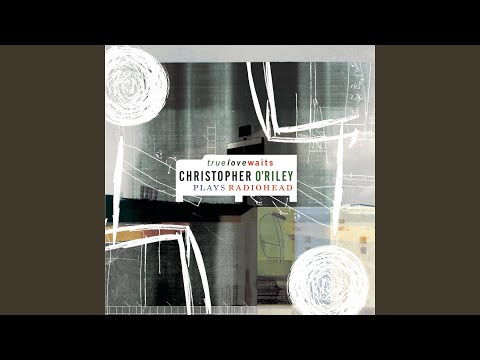
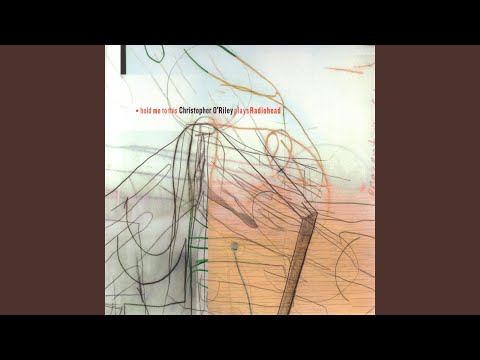
True Love Waits: Christopher O'Riley Plays Radiohead, released in 2003, earned four stars from Rolling Stone — a rating that, by all accounts, had effectively never before been awarded to a classical recording by that publication.
YouTube video

YouTube video

O'Riley and Thom Yorke: An Encounter of Self-Deprecation and Admiration

In the period around the album's release, O'Riley had the opportunity to speak directly with Thom Yorke. The record of that conversation illuminates both the nature of Radiohead's music and Yorke himself.

As O'Riley was preparing the cover album, mutual acquaintances warned him: “Don't be surprised if they hear your versions and say, 'Why would you bother covering us?'”

What O'Riley actually found when he met Yorke was a figure completely unlike his expectations.

When O'Riley mentioned, “I'm arranging a 1997 version of 'Lift' — I prefer the older version,” Yorke replied without hesitation: “Good. The new version is shit.” This unsparing self-criticism was entirely characteristic.

When O'Riley said he couldn't imagine playing “Pyramid Song” without Yorke singing it, Yorke shot back immediately: “Meaning it's only good if I ruin it?”

When O'Riley observed, “On its own, 'How to Disappear Completely' might just be guitar and vocals — ordinary, even. But the cloud of quarter-tone strings Jonny layered over it is what makes it unique,” Yorke fell quiet and smiled — barely, but unmistakably. It was the expression of someone who had just heard articulated something he himself had never put into words.

O'Riley later reflected: “He was an extraordinarily humble, self-deprecating person. We just spent the time talking about his wonderful music.”

O'Riley subsequently met the full band in Amsterdam, in a considerably more relaxed atmosphere. A kind of mutual respect had formed between the group working collectively and the pianist who engaged with their songs alone.

What this encounter reveals is that Yorke values his own music less than anyone else — not out of false modesty, but from the insatiable dissatisfaction with one's own work that perfectionism inevitably produces. The same impulse that drove him to push the rest of the band through the ordeal of Kid A in pursuit of a new direction.

The Bends (1995): The Completion of a Musical Identity, and the “Structure” Already Present

The multi-voiced structure that O'Riley identified in Radiohead was not confined to OK Computer and the experimental work that followed. It was already present, in embryonic form, with The Bends.

The Bends was released in March 1995 and reached number four on the UK Albums Chart. Five singles were released from it: “High and Dry” peaked at UK number 17, “Fake Plastic Trees” at 20, “Just” at 19, and the final single “Street Spirit (Fade Out)” at number 5. “Street Spirit” outperformed the previous benchmark of “Creep,” demonstrating that Radiohead were no one-hit wonder. The album ultimately went four-times platinum in the UK and platinum in the US.

More significant than the chart numbers is the fact that The Bends established Radiohead's compositional mode as a band. On Pablo Honey, nearly every song had been written by Yorke alone; on The Bends, each member's voice began for the first time to act autonomously. The guitar part of “Just” was constructed by Jonny Greenwood deploying an octatonic scale across four octaves, with the solo pitch-shifted into the upper register via a DigiTech Whammy pedal — an entirely original approach. “(Nice Dream)” began with Yorke's simple four-chord skeleton, which O'Brien and Greenwood then fleshed out by adding their own parts. “Fake Plastic Trees” was completed by a reversed process: producer John Leckie recorded a solo take of Yorke playing acoustic guitar, and the band then built up sound over it. “Black Star” was recorded on a day when Leckie was absent, with an engineer then still relatively new to the band — Nigel Godrich — sitting at the controls. That session marked the beginning of a lifelong partnership: Godrich would go on to produce every subsequent Radiohead record.

This diversification of creative roles gave each song independent voices of its own. In the Britain of 1995, dominated by Britpop at its peak, The Bends pointed in an entirely different direction from the nostalgic rock of Oasis. Pitchfork would later describe the Yorke–Jonny Greenwood songwriting partnership of this period as “comparable to Lennon–McCartney or Jagger–Richards.” Garbage and R.E.M. began naming Radiohead as a favourite band; The Cure contacted them to ask about the sonic approach of the album, hoping to apply it to their own work.

That O'Riley actively covered The Bends material is consistent with this reading. The track listing of True Love Waits (2003) includes five songs from the album: “Fake Plastic Trees,” “Bulletproof... I Wish I Was,” “Black Star,” “Thinking About You,” and “You.” Choosing The Bends songs alongside the experimental material from OK Computer onward says something important about O'Riley's curatorial eye: in his view, Radiohead's musical depth did not spring into existence with OK Computer. The multi-voiced structure of The Bends already warranted translation to the piano in its own right.

AllMusic's critic wrote of O'Riley's covers of The Bends material: “Darker, quieter numbers like 'Bulletproof' and 'Motion Picture Soundtrack' translate particularly well to the piano.” The introspective stillness of those songs and their interlocking voices have a natural affinity with the instrument — which is itself evidence that, even at this stage, Radiohead was already writing music that did not depend solely on “the sound of a rock band.”

YouTube video

What Is Radiohead: An “Accidental Fugue” in Five Voices

What, precisely, does O'Riley mean when he speaks of a “Bach-like structure”?

The essence of a Bach fugue is that multiple independent voices move simultaneously while organically interweaving. Each voice functions not as accompaniment but as an equal participant bearing its own subject. Radiohead's five members likewise each carried an irreplaceable “voice.”

Thom Yorke is the primary source of the songs' skeletal framework, lyrics, and melody. He writes the bones of a song at the piano and brings it to the band. His vocal functions as an independent melodic voice that contends with the instrumental ensemble on equal terms.

Jonny Greenwood is the figure who brought the sensibility of contemporary classical music into the band: guitar textures, string arrangements, ondes Martenot, electronic processing — he designed what might be called “the acoustic space around the song.” When O'Riley observed that “it's the cloud of quarter-tone strings Jonny layered over 'How to Disappear Completely' that makes it unique,” and Yorke responded with a faint smile, the significance of that voice was something Yorke understood better than anyone.

Ed O'Brien creates “fog” and “space” in the sound through effects and guitar texture. A single choice of delay pedal setting can transform the entire acoustic environment of a track.

Colin Greenwood's basslines function not as simple low-end support but as an independent melodic voice with its own movement. The bass on Kid A's “Dollars and Cents” originated as improvisation he played while listening to Alice Coltrane records.

Phil Selway's drumming carries a jazz-inflected flexibility; rather than merely marking time, it engages in dialogue with the other voices.

Crucially, this “fugal structure” was never a deliberate design. Most band members cannot read music. Yet the musical intuitions and experiences each brought to the table accidentally produced something closely approximating what Bach constructed as formal theory: counterpoint arrived at unconsciously.

That said, none of this was yet in place on Pablo Honey (1993), where Yorke wrote the songs and the band performed them — straightforward alternative rock under the influence of Pixies and Dinosaur Jr. The autonomous voices began to emerge on The Bends (1995) and fully flowered on OK Computer.
YouTube video

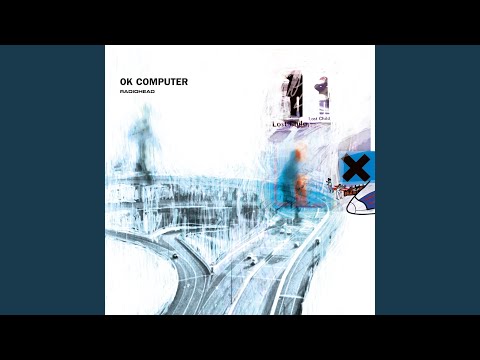
OK Computer (1997): The Moment Electronica's Shadow Falls

After the The Bends tour, Radiohead spent long stretches on the tour bus listening to Miles Davis's Bitches Brew (1970). Jonny recalled:

“In a sense we were arrogant. We'd listen to a record like Bitches Brew and want to do that — even though none of us owned a trumpet or had any desire to play one. There was an arrogance in thinking, 'Oh, we can do something like that.'”

Yorke explicitly named Bitches Brew's “unbelievably dense and terrifying sound” as the starting point for OK Computer. He also cited Ennio Morricone, the krautrock band Can, and DJ Shadow's sampling techniques as influences.

At this stage, the electronica influence is still germinal. The opening of “Airbag” had Phil Selway's drums recorded for sixteen minutes, then a few-second loop extracted and processed on a Macintosh to form the rhythmic core. The second half of “Karma Police” was rebuilt by Yorke and Godrich alone using samples and loops — a dry run for Kid A.

But OK Computer is fundamentally still collective work. Influences were shared; everyone was aligned on the direction.
YouTube video

Kid A (2000): The Moment Yorke Nearly Broke Radiohead

After the global success of OK Computer, Yorke experienced a strange sense of loss. The emergence of Travis, Coldplay, and other bands imitating his sound provoked a visceral reaction; he stopped listening to rock entirely.

Walking the cliffs of Cornwall, what he listened to obsessively was Warp Records: Aphex Twin, Autechre, Boards of Canada. He would later describe Aphex Twin as having “opened another world to me — one that didn't need my electric guitar.”

The new material Yorke brought to sessions was incomplete: driven by sound and rhythm, often lacking lyrics or conventional structure. Jonny feared it would become “art for art's sake rock.” Colin couldn't warm to its coldness. Even producer Godrich was disoriented; other members seriously considered leaving. Yorke has acknowledged this directly:

“The other members couldn't figure out what to contribute. When you're working on synthesizers, you lose the sense of being in the same room as other people. I made it nearly impossible for everyone.”

Yet even here, the “accidental fugue” found a way to function. “Idioteque” began when Jonny handed Yorke a fifty-minute improvisation on modular synthesizer; Yorke found a forty-second fragment he felt was “absolute genius” and built the entire song around it. It was a moment where Yorke's electronic impulse and Jonny's acoustic design merged.

Kid A is the record made while the band was on the verge of collapse. And that experience prepared the ground for what came next.

YouTube video

The Eraser (2006): The Solo Work as Necessary Exit

After the Hail to the Thief (2003) tour, Radiohead entered a period of hiatus. During that time, Yorke sat alone with a laptop and began making music — music that became the 2006 solo album The Eraser.

This was not a rejection of Radiohead. Jonny said: “He needed to put this out. Everyone was glad he did.” Yorke himself repeatedly emphasised at the time of release: “I'd always wanted to do something like this. It came together easily and quickly. Radiohead is not breaking up.”

Most of the songs on The Eraser were pieces that had “not fit” within Radiohead — personal fragments of electronic music written in hotel rooms and on planes, material that couldn't be contained within the band's frame. The experience of pushing the rest of the band to their limits during Kid A had led to a simple resolution: the next electronic impulse would be followed alone, without bringing the band along.

Yorke went on to form the electronic band Atoms for Peace, and more recently launched The Smile with Jonny Greenwood. The Smile has been described as a freer and wilder project drawing more heavily on jazz, krautrock, and progressive rock.

YouTube video

Epilogue: A Chain of Fugues

A single line comes into focus.

Just as American Football's arpeggios, born on a midwestern night, drew inspiration from Steve Reich's minimalism. Just as O'Riley found Bach's fugues in Radiohead's music. Just as Yorke heard in Bitches Brew “something that accumulates while falling apart.”

Perhaps the depth of music lies in this: the same structural principle repeating across different eras, cultures, and forms, undeterred by the boundaries of genre. What O'Riley's piano demonstrated is the fact that Radiohead occupied a place beyond the frame of “rock band.”


概要: 鳥の鳴き声、波の音、熱帯雨林の昆虫たち——それらはすでに、ミキシング・デスクを必要とせず、周波数帯を分割し、完璧なポリフォニーを実践している。音響生態学者クラウスの「生物音響圏」理論と、UKの伝説的レーベルTouchがリリースしたフィールド・レコーディング作品を手がかりに、「人間が音楽と呼ぶもの」の起源を問い直す。シンセサイザーのドローンを聴くとき、あなたは機械を聴いているのか、それとも熱帯の昆虫たちの古代の咆哮を聴いているのか。

人類は何世紀にもわたって、音楽の起源をめぐる議論を続けてきた。音楽は純粋に人間が生み出したもの、数学的美の抽象的な表れなのか?それとも本質的には、自然界の精巧な模倣なのか?

音響生態学の分野に目を向けると——とりわけ**クラウスの「生物音響圏(Biophony)」**の概念を通じて——自然界こそが究極のオーケストラであることが見えてくる。この理論によれば、発声する生物はそれぞれ固有の周波数帯を占有し、互いの干渉を避けているという。

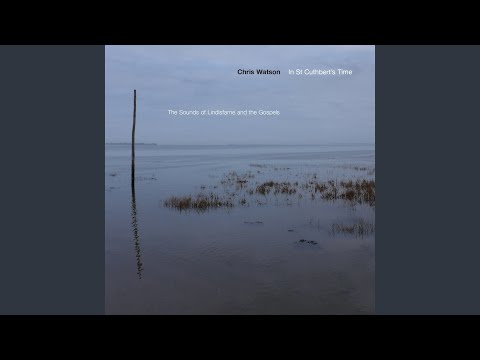
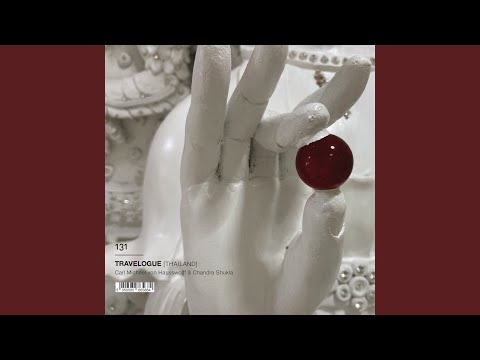
伝説的なアヴァンギャルド・レーベル Touch がリリースした2作品は、この概念を完璧に体現している。Chris Watsonの In St Cuthbert's Time と、Carl Michael von Hausswolff & Chandra Shuklaの Travelogue: Thailand だ。どちらの作品も、私たちが「音楽」と呼ぶものが、すでに自然界で——進化の設計によって完璧に調和されながら——起きていることを示している。

In St Cuthbert's Time が描く音響のニッチ

フィールド・レコーディングの巨匠であり、Cabaret Voltaireの創設メンバーでもあるChris Watsonは、この作品でリンディスファーン聖地島へと私たちを連れていく。7世紀の風景を音によって再構成した本作が捉えているのは、混沌とした騒音の壁ではなく、高度に組織化された音響建築だ。

  • 低域: 北海の波が刻む、リズミカルで重厚な鼓動——まるでリズム・セクションのように。
  • 中域: 渉禽類や哺乳類の、明瞭で旋律的な鳴き声が絶妙なタイミングで折り重なる。
  • 高域: アジサシやカモメの鋭い叫びが、風の中を切り裂く。

Watsonが自ら配置する必要はない。生物たちはすでに、数千年の歳月をかけて自らを配置してきたのだから。それぞれの生き物が固有の周波数帯を占有し、自分のメッセージを確実に届けようとする——その結果として、自然発生的かつ完璧なハーモニーが生まれる。

YouTube video

Travelogue: Thailand が描く空間的ポリフォニー

荒涼としたイギリスの海岸から、密度の高い熱帯の湿気へ。Carl Michael von HausswolffとChandra Shuklaによる Travelogue: Thailand は、自然の交響楽を別の角度から捉えた作品だ。

熱帯雨林では、音響空間をめぐる競争が熾烈だ。本作が記録するのは、ほとんど電子音楽のように聞こえる、密度の高い音のグリッドだ。

  • 昆虫たちはアナログ・シンセサイザーを思わせる精密な高周波の振動に収束する。
  • 両生類が中低域のドローンを維持する。
  • 鳥たちが鋭くリズミカルな音で林冠を突き抜ける。

これを聴くと、「自然の音景」と「ドローン/ノイズ・ミュージック」の境界線が完全に溶ける。タイのジャングルに生きる生物たちは、現代の通信機器がそうするように——互いの信号を妨害しないために周波数を切り替えながら——空間的ポリフォニーを実践しているのだ。

YouTube video

Touchという現象——それは単なるレコード・レーベルを超えている

これらの作品を語るうえで、1982年にJon WozencraftとMike Hardingが設立したUKのオーディオ・ヴィジュアル・レーベル Touch の特異な重要性を避けることはできない。

Touchはアンビエントや実験音楽のレーベルというに留まらない。**集中した聴取(focused listening)**を世に問う、唯一無二のキュレーターだ。

Touchが特別な理由

  • 音の地位を高める: Touchはフィールド・レコーディングを「効果音」や「背景テクスチャー」としてではなく、正真正銘の音楽作品として扱った。嵐の中の鳥の声は、コンサートホールのヴァイオリニストと同じくらい卓越した表現であることを、聴衆に気づかせたのだ。
  • 多感覚的な哲学: Jon Wozencraftの鋭く純度の高い写真と、ジャケットの緻密なタイポグラフィによって、Touchは音世界への物理的な入口をつくる。そのアートワークは、音が地理・生態・時間と深く結びついていることを常に思い起こさせる。
  • 芸術としての音響生態学: Touchは科学としての音響生態学と高度な芸術の橋渡しをした。自然界の生存戦略——周波数の棲み分け——こそが、人間のミニマリズム、ドローン、アンビエント音楽の真の設計図であることを証明したのだ。

Fennesz——ギターノイズが環境音になるとき

Touchからリリースを重ねるオーストリアのアーティスト、Fennesz(クリスチャン・フェネス)は、まったく逆の方向から同じ音響的領域へと到達した存在だ。WatsonやVon Hausswolffが自然界を直接捉えるのに対し、Fenneszはギターをデジタル処理の幾重もの層で破壊し尽くす——そこに残るのは、環境音と区別のつかない何かだ。揺らめき、呼吸し、生きている。 楽器は消え、地球が残る。

YouTube video

結論——究極の模倣

では、音楽とは究極的に自然環境音の模倣なのか?

In St Cuthbert's TimeTravelogue: Thailand は、強くその肯定を示唆している。人間が波形を合成し、合唱を編曲するはるか以前から、自然界はすでにミキシング・デスクを完璧に操っていた。周波数帯は割り当てられ、音は水平線を越えてパンされ、音量は生存のために完璧にバランスされていた。

私たちが音楽を作るとき、それは無から何かを生み出しているのではない。地球の古くて完璧に調和された言語を——Touchが何十年もかけて美しく記録し続けてきたその言語を——ただ思い出しているに過ぎないのかもしれない。

あなたはどう思いますか?シンセサイザーのドローンを聴くとき、あなたは機械の音を聴いているのか、それとも熱帯の昆虫たちの古代の咆哮を聴いているのか?

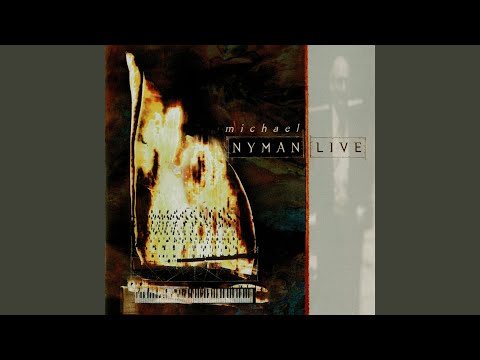
メロディが猛烈なペースで何度も何度も回帰し、タブラのような打楽器がその反復のひとつひとつを彩っていく。これを「クラシック」と呼んでいいのかどうかも正直わからない。でも、もしあなたがマイケル・ナイマンを映画音楽の作曲家としてしか知らないなら、ぜひ一度これを聴いてみてほしい。

YouTube video

これは「The Upside Down Violin: III) Faster Still」、1994年にマイケル・ナイマン・バンドとオルケスタ・アンダルシ・デ・テトゥアンによって演奏されたライブだ。そして、そう——これは紛れもなく、多くの人が『ピアノ・レッスン』で知っているあのマイケル・ナイマン本人である。

マイケル・ナイマンとは何者か

もしピーター・グリーナウェイの映画や、ジェーン・カンピオンの『ピアノ・レッスン』を観たことがあるなら、たとえ作曲家の名前を知らなくても、あなたはすでにナイマンの音楽を耳にしている。彼はイギリスの作曲家・ピアニストであり——映画音楽で有名になるずっと前は——音楽評論家でもあった。実のところ、1960年代に「ミニマル・ミュージック」という言葉を生み出したのは他でもないナイマンであり、それは彼自身がこのジャンルを代表する作曲家のひとりになるよりも何年も前のことだった。

彼のサウンドは反復の上に成り立っている。短い旋律的・リズム的な単位がループし、層を重ね、少しずつ変化していく。壮大なロマン派的身振りではなく、小さな変奏の積み重ねから緊張感と推進力を生み出すのだ。1970年代後半から1980年代にかけて、このスタイルはグリーナウェイとの長年の創作上のパートナーシップと切り離せないものとなり、『コックと泥棒、その妻と愛人』や『プロスペローの本』といったアートハウス映画の音楽を手がけた。しかし彼を一躍誰もが知る名前にしたのは、1993年の『ピアノ・レッスン』だった。耳に残る、もの悲しいテーマ曲は、アート系映画ファンの枠をはるかに超えて、多くの観客の心をとらえた。

これが、多くの人が最初に出会う——そしてしばしば唯一出会う——ナイマンの姿だ。

ナイマンのもう一つの顔

「The Upside Down Violin」は、彼のカタログの中でもまったく異なる一角からやってきた作品だ。1992年に作曲されたこの曲は、セビリア万博('92年)のために、マイケル・ナイマン・バンドと、アンダルシア・クラシック音楽の伝統に根ざしたモロッコのオーケストラ、オルケスタ・アンダルシ・デ・テトゥアンのために委嘱された。楽曲はSlow、Faster、Faster Stillという3つの楽章で構成され、それぞれが前の楽章よりも強度を増していく。

すべてのナイマンらしさが、まったく別の何かと衝突するのは「Faster Still」においてだ。彼のトレードマークである執拗な反復はそこにも健在だが、今度はそれが北アフリカおよびアンダルシアの民俗音楽の旋法的な旋律と、推進力のある打楽器のリズムと織り合わされている。その効果は、典型的な西洋クラシック音楽というよりも、トランスに近い何かだ。旋律線は猛スピードで渦を巻きながら前進し、その下で手打楽器がリズムをどんどん小さな断片へと砕いていく。

だからこそ、「映画音楽家としてのナイマン」しか知らない人にこそ、これを聴いてほしいと私は思う。作曲上のDNAは同じ、反復への催眠的なまでのこだわりも同じだ。だが、それは映画的な抑制を脱ぎ捨て、全力で解き放たれ、西洋クラシックの正典とはまったく異なる伝統と融合している。あの静かで物悲しいピアノのテーマの背後にいる人物が、これほどの炎を内に秘めていたことの証なのだ。

これを「クラシック」に分類すべきなのか、「ワールドミュージック」なのか、それとも分類すること自体を拒む何かなのか、私自身いまだにわからない。けれど、これは私が他のどの曲よりも繰り返し立ち返ってくる一曲だ。

ベストアルバム

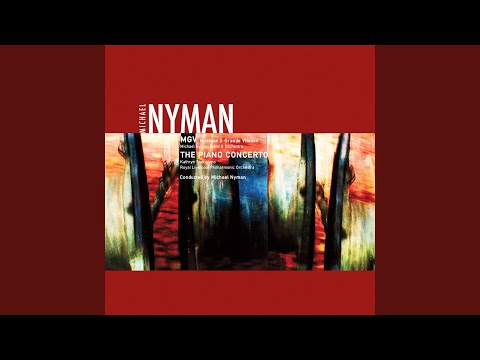
ここまで紹介してきたのは私のお気に入りの曲だが、ベストアルバムとなるとまた話は別だ。私が選ぶベストアルバムは、フランスの高速鉄道TGVのために書かれた『MGV(Musique à Grande Vitesse)』だ。ピアノは列車が鉄橋のレールを渡るときの音のように鳴り、ストリングスがダイナミックな風景を描き出していく。

YouTube video

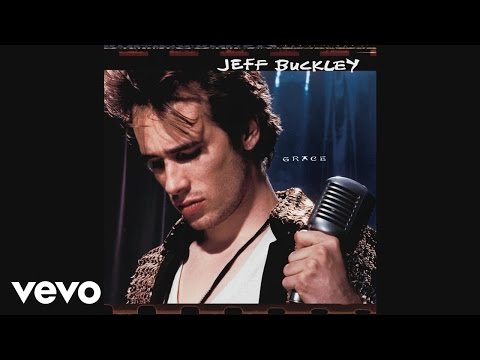
On May 29, 1997, in Memphis, Tennessee, Jeff Buckley walked down to Wolf River — a tributary of the Mississippi — with a friend. He was in town recording his second album. He waded into the water fully clothed and disappeared. His body was found six days later. He was thirty years old. The autopsy found no alcohol or drugs in his system. The fact that he was still dressed when he entered the water is among several details that have never been fully explained. That mysterious end has only deepened the legend of a man who left behind just one album.

That album was Grace, released in 1994.

A Music of Unlikely Mixtures

Jeff Buckley was born in 1966 in Anaheim, California. His father was the folk singer Tim Buckley, but Jeff was raised apart from him and the two had almost no relationship. He eventually made his way to New York, where he built a following playing solo at a small East Village club called Sin-é, and signed with Columbia Records. Grace came out in August 1994.

What makes Grace such a singular record is its musical promiscuity. The hard rock intensity of Led Zeppelin, the soul and jazz of Nina Simone, the spiritual vocal ecstasy of Pakistani qawwali singer Nusrat Fateh Ali Khan — all of it was somehow channeled through one voice and one guitar. Buckley once described himself in his own press bio as “the warped lovechild of Nina Simone and all four members of Led Zeppelin.”

YouTube video

The album's most celebrated track is a cover of Leonard Cohen's “Hallelujah.” Cohen wrote the original in 1984, a work dense with religious and poetic weight. Buckley's direct reference point, however, was not Cohen's version but the spare 1991 recording by former Velvet Underground member John Cale — piano only, stripped of the synth-heavy original arrangement. Buckley took that as his starting point and rebuilt the song into something entirely his own: sensual, almost unbearably fragile, yet emotionally overwhelming. Today, when people say “Hallelujah,” they mean Buckley's version. The cover has eclipsed the original.

YouTube video

“Lover, You Should've Come Over” is perhaps the most purely lyrical moment on the record — the side of Buckley that was above all a songwriter. The vocal delicacy and the density of the words occupy the same space without crowding each other.

YouTube video

Why Britain Claimed Him

Grace sold poorly in the United States on release. In Britain, the reaction was different. Critics recognized something singular in it immediately, and a devoted audience followed. David Bowie cited it in Pulse as one of the albums he would take to a desert island. Bono called Buckley “a pure drop in an ocean of noise” in the U2 fanzine Propaganda and dedicated multiple shows on the PopMart tour to him.

Part of what drew British audiences to Buckley was the nature of his voice itself. A staggering four-octave range, an absolute commitment to emotional honesty, and the freedom to move between falsetto and full-throated power without it ever sounding mannered — it spoke directly to what British rock in that moment was reaching for.

Legacy Part One: Thom Yorke and “Fake Plastic Trees”

On September 1, 1994, Radiohead and their producer John Leckie attended a Jeff Buckley show at The Garage in London. They were in the middle of recording The Bends and struggling. Buckley played alone — just a Telecaster and a pint of Guinness. Bassist Colin Greenwood later recalled it in an interview with Uncut: “It was just fucking amazing, really inspirational.”

The next day, Yorke went back into the studio and recorded “Fake Plastic Trees” alone on acoustic guitar. He played three takes and then burst into tears. He didn't want to use the recordings — “too vulnerable,” he said. His bandmates convinced him otherwise. Those takes became the final version. Producer Leckie described what the Buckley concert had unlocked: “It made him realize you could sing in a falsetto without sounding dripping.”

YouTube video

Legacy Part Two: Chris Martin and “Shiver”

In a 2008 interview on BBC Radio 1, Coldplay's Chris Martin was asked about the band's debut single “Shiver.” His answer was unambiguous: “It's a blatant Jeff Buckley attempt. Not quite as good, that's what I think. We were 21 and he was very much a hero, and as with those things it tends to filter through.”

In a separate interview, Martin went further: “One of the key people who's responsible for us being a band is probably Jeff Buckley. His music was so powerful — that's when we were getting the band together, and I certainly found a lot of inspiration in it, to the point of trying to actually sound like him for at least the first few singles.”

YouTube video

Where His Voice Reached — Further Testimonies

Radiohead and Coldplay are only the most documented cases. The reach of Grace extended well beyond them, across generations and genres.

Jimmy Page (Led Zeppelin) In a 2003 interview, Page said: “Nothing has had the impact on me that Jeff Buckley did.” He and Robert Plant made a point of going to see Buckley live, and Page described the experience as “absolutely scary.” Watching Buckley play in standard tuning what seemed impossible, he said: “I thought, oh gee, he really is clever, isn't he?”

Elton John When asked by Mojo to name his all-time favourite album, John cited Grace: “Like an album made by someone from another planet.”

Bono (U2) Listening to “Hallelujah” on the radio, Bono said: “I was just envious — just raw envy.” He singled out Buckley's 22-second held note and added: “For me, as a singer, it's very humbling.”

Chrissie Hynde (The Pretenders) “He was such a great guitar player, Jeff. When someone is a good singer and songwriter you tend to overlook that, but he was a shit-hot guitar player — he really blew us away that night when we saw what he was really up to with the guitar.”

Matt Bellamy (Muse) Bellamy acquired the Fender Telecaster Buckley had used on stage and in the studio. “I didn't buy it to hang it on the wall,” he said, “but to actually use it and keep this guitar part of music. I'd like to believe that's what Jeff would have wanted.”

The Unfinished

When Buckley died, the sessions for his second album — working title My Sweetheart the Drunk — had barely begun. The demos and studio recordings that existed were released posthumously as Sketches for My Sweetheart the Drunk, but no one listening could mistake them for a finished work.

With a single album, Buckley changed the course of British rock. An American, he reached into the heart of the British scene and left his mark on some of its most defining music. What he might have made next is a question that will never have an answer. Which is perhaps why Grace keeps sounding the way it does — like something that isn't finished yet.

概要: ポストクラシカルはアイスランドとベルリンだけの話ではない。ヴィブラフォンのバーに金属片やフェルトを置き、アコースティックなモジュラーシンセのように扱うMasayoshi Fujita。電子機器を一切使わないのに、シーケンサーのリズムを弦とピアノだけで再現する台湾のCicada。そして[.que]とshuta hasunuma——東アジアから、ポストクラシカルの構造そのものを静かに書き換えようとしている4人の仕事を追う。

現代のアンビエント/ポストクラシカル・ミュージックのシーンは、いま変化のただ中にある。このジャンルは長らくアイスランドの凍えるような冷たさ、あるいはベルリンやロンドンのミニマルなスタジオに根ざしてきたが、いま東アジアから、はっきりとした、心を捉える共鳴が生まれつつある。

電子シンセサイザーを多用して空間を構築するのではなく、この地域の現代アーティストたちは、伝統的なアコースティック楽器を驚くほど現代的で鋭敏な感性で扱っている。ここでは、ポストクラシカルの構造を再定義する重要な存在たちを紹介したい——日本のMasayoshi Fujita、台湾のCicada、日本の[.que]、そして日本のshuta hasunumaだ。

Masayoshi Fujita:ヴィブラフォンを再構築する

ロンドン/ベルリンを拠点とする名門レーベルErased Tapesとの結びつきでよく知られるMasayoshi Fujitaは、構造的な静けさの達人である。彼の主たる楽器はヴィブラフォン——並みの奏者が扱えば、たやすく平板で画一的な反復に陥ってしまう楽器だ。

Fujitaはこの罠を、楽器を力で押し切ることではなく、それをアコースティックなモジュラーシンセサイザーのように扱うことで回避している。金属片やフェルト、ホイルの帯をヴィブラフォンのバーに直接置くことで、減衰そのものの質感を変化させているのだ。

ヴィブラフォン三部作であるStories(2012)、Apologues(2015)、Book of Life(2018)のようなアルバムでは、彼の音楽から奏者の自我が削ぎ落とされている。後に残るのは、極限まで研ぎ澄まされ、冷たく、そして美しい環境——一打一打、きらめく振動のすべてが、計算され尽くした空気の塊のように振る舞う世界だ。それは最も誠実な形のミニマル・ミュージックであり、音と音の間にある沈黙が、共鳴そのものと同じだけの重みを持っている。

YouTube video

Cicada:現代ミニマリズムのアコースティックな波

台湾出身で、日本のレーベルflauによってたびたび紹介されてきたCicadaは、ピアノ、ヴァイオリン、チェロ、アコースティックギターからなる卓越した室内楽アンサンブルである。

Cicadaを徹底的にユニークな存在にしているのは、その方法論だ。彼らは電子機器を一切使わないにもかかわらず、その音楽はポストロックやエレクトロニカに完全に通じる感触を持っている。彼らはきらめくような現代的な鼓動を、純粋にアコースティックな技巧のみによって達成する——速く緻密な弦の運弓と、ピアノによる絶え間なく精密なパターンが、シーケンサーのリズム的なケイデンスを模倣しているのだ。

代表作であるアルバム『Ocean』は、構造的なデザインの見事な達成である。このアンサンブルは、海が持つ物理的なダイナミクス——冷たい底流、泡立つ潮、そして広大な開放感——を捉えている。雄大なアレンジは時に豊かで表現力に富んだクライマックスへと傾くこともあるが、その根底にある基盤は、現代ミニマリズムにおける引き締まった、規律ある実践であり続けている。彼らは、デジタルによる操作がなくとも、深く現代的な空間の感覚を生み出せることを証明しているのだ。

YouTube video

私のベストトラック

代表曲「into the ocean(匯流向海)」は、このアプローチの見事な手本である。楽曲は、沈黙を切り裂くような、極限までミニマルで結晶のようなピアノのループを軸に構築されている。絡み合う弦楽がついにこの硬質な枠組みを突き破るとき、その変容は驚くべきものだ——それはロマンティックなメロドラマに頼ることなく、洗練され鋭い切迫感を放ち、音の地平を瞬時に押し広げていく。

YouTube video

[.que]:ポップとポストクラシカル構造が交差するメロディ

FujitaやCicadaが構造的な規律の空間を占めているとすれば、日本の[.que](柿本直)は、ジャンルの境界に挑む、生き生きとして高度にメロディックな対位法を持ち込む存在だ。一聴しただけでは、美しいピアノのメロディ、輪郭のはっきりしたアコースティックギター、そして有機的なドラムパターンが緻密に絡み合うそのスタイルは、「ポストクラシカル」という枠組みに収まるにはあまりにポップ寄りに感じられるかもしれない。

しかし、[.que]を単なるポップとして片付けてしまうのは誤りだろう。彼は重要でありながら、しばしば見過ごされてきた領域——現代ミニマリズムが持つ深い和声的な洗練を備えながらも、その繊細でインストゥルメンタルな性質ゆえにメインストリームのポップ・マシーンからは見過ごされてしまう音楽——を体現している。緻密に作り込まれたエレクトロニック=アコースティックの枠組みの中に、耳に残る歌のような旋律性を織り込むことで、[.que]は、現代的な空間が温かく、ノスタルジックで、そして間違いなくキャッチーでもあり得ることを思い出させてくれる。

YouTube video

YouTube video

Shuta Hasunuma:マキシマリストな自由の天才性

ジャンルについての注記:蓮沼執太はポストクラシカルの枠には収まりきらない。彼自身が「蓮沼執太フィルハーモニック・オーケストラ」を「現代版フィルハーモニック・ポップ・オーケストラ」と称しているように、その世界はポップ、ラップ、電子音楽をアコースティック楽器と自在に融合させるものだ。ここに彼を加えたのは、多様な楽器のための緻密なスコアを書く作曲家として、また大編成の集団的・多層的なアコースティック建築へのアプローチが、このリストの精神と深く共鳴するからである。

Fujitaが引き算の達人だとすれば、Shuta Hasunumaは集団的な調和を通じた音の究極的な解放を体現する存在だ。彼が率いる大編成の現代アンサンブル(蓮沼執太フィルハーモニック・オーケストラ)において、Hasunumaは木管・金管楽器から複雑なパーカッション、フィールドレコーディングに至るまで、驚くほど幅広いアコースティック楽器を操る。

彼の真の才能は、この膨大な数の声を、伝統的なクラシック編成が陥りがちな密集した、息苦しいほどの重みに堕することなくオーケストレーションできる手腕にある。代わりにHasunumaは、それぞれの楽器を独立した、呼吸する存在として扱い、それらを織り合わせて、驚くほど軽やかで透明感があり、間違いなく現代的なサウンドスケープを作り上げる。それは、労せずして成立しているように見えながら、きわめて人間的でもある複雑で多層的なアコースティック建築を、いかに構築するかを示す見事な手本だ——彼はもっと世界的に評価されてしかるべき、真のヴィジョナリーである。

彼のアプローチは、集団的な即興演奏が生む共同体的でポリリズミックな喜びを映し出している——複数の人間が音の中で絡み合う、混じり気のない純粋な恍惚を捉えているのだ。それはクラシックの規律についてではなく、集団的な解放についての音楽である。

私が一番好きなライブ映像はこちら YouTube video


木と金属、そして空間のあいだの静かな対話

Masayoshi FujitaとCicadaを同じ空間に置いてみると、そこには美しい音響的なコントラストが立ち現れる。Fujitaが、孤高の職人による冷たく金属的で意図的な孤立の中で作業するのに対し、Cicadaは、ともに呼吸し合う流動的で絡み合うアコースティックの流れを築き上げる。

西欧のポストクラシカル・ミュージックの踏み固められた道を超えて何かを求める人にとって、この二人のアーティストは、沈黙と構造、そして質感をいかに自在に操るかを示す見事な手本となるだろう。彼らこそ、新たな現代の古典なのだ。

In a world dominated by loudness and shifting trends, true genius often resides in the quietest corners. Some musicians create worlds so fragile yet so structurally resilient that their music refuses to age. While they may not have conquered the mainstream charts of their time, their work remains fully realized, pristine, and breathtakingly relevant today.

Here are three underappreciated female artists whose minimalist, fiercely controlled vocals and striking sonic landscapes demand to be rediscovered.

1. Vashti Bunyan

The Untouched Pioneer of Whispering Folk

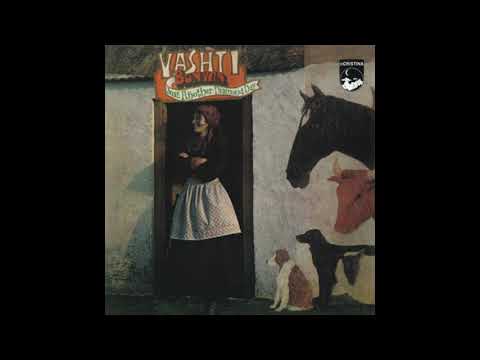
In 1970, Vashti Bunyan released Just Another Diamond Day, an album born from a slow, horse-drawn journey through the British countryside. Ignored upon release, leading Bunyan to walk away from the music industry for decades, the album has since become a mythical blueprint for freak-folk and baroque-pop.

Her voice does not fight the acoustic arrangements; instead, it floats like a delicate mist over fragile acoustic guitars, mandolins, and strings. It is a masterclass in the power of under-singing—proof that a whisper, when entirely pure and sustained, can outlast the loudest roar.

Listen on youtube:“Just Another Diamond Day”

YouTube video

She's music is forgotten in lots of long time. But talented musicians revaluation she's music. So she come back and make a few albums.

YouTube video

2. Stina Nordenstam

Sweden's Stina Nordenstam is an enigmatic force whose 1990s masterpieces, such as Memories of a Color and And She Closed Her Eyes, redefined the boundaries of avant-pop and vocal jazz. Often associated with a striking, childlike whisper, Nordenstam's voice possesses a deceptive, razor-sharp strength.

Set against rich, organic jazz double-basses, subtle horns, and unpredictable avant-garde arrangements, her voice never gets buried under the instrumentation. She commands the space between the notes, utilizing silence and restraint as physical textures. Her refusal to conform to traditional pop vocal dynamics makes her work feel completely detached from time.

Listen on youtube: “Memory of Color”

YouTube video

3. Susanna (Susanna and the Magical Orchestra)

The Cold Blue Light of Nordic Restraint

Deeply rooted in a jazz upbringing and releasing pivotal early work on the avant-garde Norwegian label Rune Grammofon, Susanna Wallumrød (along with keyboardist Morten Qvenild in their Magical Orchestra project) perfected the art of the sonic chill.

Whether navigating the icy, minimalist electronica of List of Lights and Buoys or stripping down iconic rock songs to their bare, acoustic skeletons on Melody Mountain, Susanna's vocal tone is a marvel of absolute control. Her delivery is cool and detached, yet anchored by an undeniable inner gravity. Like the spiritual lineage of ECM records, her music treats silence not as emptiness, but as the most beautiful sound next to a singular, piercing voice.

Key Track: “Who Am I” (Susanna and the Magical Orchestra)

YouTube video

Why she is well known

she's album is released from nordic minor label or jazz around label like Runa Gramfom. So she's music is not hear without nordic pop music listner. But she's talent is genius

YouTube video

Words Came Before the Music

Natalie Merchant was born in 1963 in Jamestown, New York. Her parents divorced when she was seven, and after her mother remarried, the family moved to a commune in upstate New York. The women she met there became the foundation of who she would become.

“I fell in love with those people,” she has said. “They were artists. They were ladies that didn't shave their legs. They lived alone and fed the wood stove in the winter, and they were strong.”

She grew up in a house without television. At sixteen, she dropped out of high school and enrolled in community college. Outside the classroom, she read books and discovered folk music — picking up a copy of Harry Smith's Anthology of American Folk Music from the library was the door that led her to singing. It wasn't hours of guitar practice that shaped her; words and reading came first. Her eye for people pushed to the margins of society was already forming in those years.

10,000 Maniacs — The Band's Voice, Her Own Words

In 1981, seventeen-year-old Natalie joined a Jamestown band called Still Life. The band soon renamed themselves 10,000 Maniacs, and Natalie took on the roles of lead vocalist and primary lyricist.

From her teenage years, her songwriting stood apart. Forgotten figures from history, the guilt of a bystander watching a child be abused (“What's the Matter Here”), an unwanted pregnancy (“Eat for Two”) — the practice of using pop songs as a vehicle for social and historical subjects was there from the very start of her career, and it never left.

The band hit their peak between 1987 and 1993, with In My Tribe, Blind Man's Zoo, and Our Time in Eden all charting in the top tier of the US charts. At their 1993 MTV Unplugged session, they covered “Because the Night,” the song co-written by Bruce Springsteen and Patti Smith. Natalie's intimately conversational delivery made the cover the band's biggest hit, reaching No. 11 on the Billboard Hot 100, and brought her name to a much wider audience.

That same year, she announced she was leaving. Her stated reason: a lack of creative control over the music she wrote. She chose to break free from the machinery of a band that had grown large around her and to stand entirely on her own as a singer-songwriter.

Patti Smith's original (written by Bruce Springsteen) Patti Smith — Because the Night

10,000 Maniacs' cover 10,000 Maniacs — Because the Night

Tigerlily — A Voice Written in Complete Freedom

Her 1995 solo debut Tigerlily was the first album Natalie made with total creative freedom.

The result was stunning. “Carnival,” “Wonder,” and “Jealousy” charted on the Billboard Hot 100 in succession, and the album went on to sell over five million copies. But the commercial success gave Natalie something beyond fame — it gave her the financial and psychological independence to spend the rest of her career ignoring label pressure and pursuing social activism and artistic experimentation entirely on her own terms.

“Wonder,” in particular, was written as a tribute to twin girls Natalie had come to know personally, both born with epidermolysis bullosa (EB), a rare and painful genetic condition that causes the skin to blister at the slightest contact. Natalie has said she didn't know who the song was about when she wrote it — she discovered the twins afterward, formed a deep friendship with them, and stayed close until they died in their twenties. The song's universal message later inspired R.J. Palacio's YA novel Wonder, and was played over the end credits of the 2017 film adaptation.

The success of “Wonder” was no accident. The same gaze she had learned from the strong women of the commune — a way of seeing people the world had pushed aside — was what moved audiences. As a rare example of an artist who achieved both artistic integrity and commercial success simultaneously, Tigerlily remains the defining album of Natalie Merchant's career.

Natalie Merchant — Wonder

“Wonder” (1995, from Tigerlily). Written as a tribute to twin girls born with epidermolysis bullosa (EB). Its universal message inspired R.J. Palacio's novel Wonder and was used in the end credits of the 2017 film of the same name.

Poetry and Politics — A Maturing Voice

After going solo, Natalie moved steadily away from chart positions and toward the music she actually wanted to make.

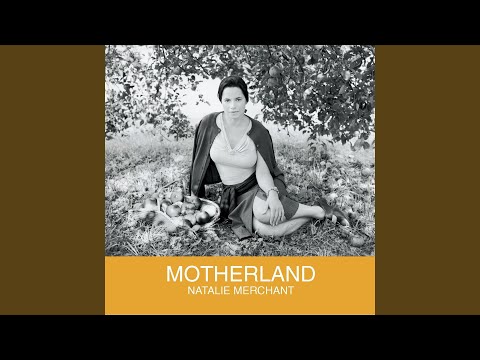
Motherland (2001) brought her political and social consciousness to the foreground, and Leave Your Sleep (2010) saw her set the poems of various poets to music — an unconventional project by any measure. The freedom that Tigerlily's success had created made these uncommercial artistic experiments possible. She drifted from the mainstream, but her influence can be heard clearly in the generation of thoughtful singer-songwriters that followed — Colin Meloy of The Decemberists, Weyes Blood, and others who share her instinct for literary, socially conscious songwriting.

The album's title track, “Motherland,” is a desperate prayer to be held and sheltered from the encroaching concrete of modern life. Its repeated refrain — a plea to be cradled, lulled to sleep, kept safe — reads not as simple nostalgia but as a direct confrontation with the alienation of contemporary society. The song was completed just days before September 11, 2001. Merchant later said: “I was far more cynical when I wrote it. But now the song has become the death of nostalgia and dreams.” An act of violence rewrote the meaning of a song she had already finished — and that fact alone speaks to how wide a net her writing casts.

🔗 Read the full lyrics to “Motherland” on Genius

Natalie Merchant — Big Girls

On “Big Girls” from Keep Your Courage (2023), a duet with Black vocalist Abena Koomson-Davis, she sings of women holding each other up through the storm. Her eye for those pushed to the margins has not dimmed past sixty.

Losing Her Voice, Finding It Again

In 2019, Natalie was visiting the V&A Museum in London when her arm suddenly went numb. Back home, tests revealed she had OPLL (ossification of the posterior longitudinal ligament) — a degenerative spinal condition in which the ligaments of the spine calcify and compress the spinal cord, potentially leading to paralysis in severe cases. Emergency surgery was unavoidable.

The operation lasted six hours. Surgeons made an incision in her throat, moved her vocal cords aside, and removed three bones from her spine. When she came around, she couldn't sing.

“It took me to a place of panic,” she has said. “It made me wish I had made more records.”

For ten months, her voice didn't return. While that silence stretched on, the pandemic closed over the world. Natalie found a collection of poetry by Robin Robertson, and words began to move through her throat again. She started writing songs. The result was Keep Your Courage (2023).

Peter Asher, who had produced her work years earlier, said: “I've been a fan for decades, but this might be her greatest album.” The chart numbers don't match the heights of Tigerlily's commercial peak. But in an album made after losing her voice, getting it back, and turning sixty, there is something that no chart position could measure.

Natalie Merchant — Keep Your Courage

“Keep Your Courage” (2023). Her first collection of original songs in nine years, born from the silence of spinal surgery and the solitude of a pandemic.

The Gaze That Never Changed

Her voice has aged. But the core of how she sings has not.

The style of speaking directly to the listener, the eye for those the world has pushed aside, the ability to fold feminism and social consciousness into music people actually wanted to hear — all of it has been there since the day a seventeen-year-old walked into a Jamestown band rehearsal, and none of it has left.

A girl who dropped out of high school, was shaped by the strong women of a commune, and found her way into music through a library record collection has been speaking to the world for over forty years. Is there a voice like that in your own life — one that has never quite changed?

serph is a Tokyo-based electronic musician. Since his debut in 2009, he has built a sonic world unlike anyone else's, drawing on jazz, techno, classical, and film music. At the heart of his music lies a layered melodic architecture — multiple instruments trading a single phrase, passing it hand to hand — combined with an density of editing that defies comparison. Early years spent making music out of hunger, in near-total solitude. A life-changing encounter through the N-qia project. And in 2026, the release of Destiny Land, an album made with something lighter in its step. This article traces the arc of serph as a musician.

This article revisits serph, who was featured in an earlier post: “Three Incredible Japanese Indie Musicians You Need to Hear”. That piece left too much unsaid, so this is a dedicated deep dive.

Who Is serph?

serph is a solo project by a man based in Tokyo. He debuted in 2009 with accidental tourist, an album completed just three years after he began learning piano and composition. Since then, he has released work at a steady and prolific pace. Drawing on jazz, techno, classical, film music, and progressive rock, he has built a sound that is entirely his own.

Early Masterwork ①: vent

vent, released in 2010, was the album that introduced serph's musical voice to the world.

What makes it unusual is how the instruments behave. Rather than a single instrument carrying a melody from beginning to end, multiple instruments take turns — passing the phrase between them, layering as they go. A piano states a motif, a synth picks it up, strings weave in, a woodwind adds the accent. Before you realize it, a full architectural structure of sound has risen around you.

To call it escapism would be to underestimate how precisely this escape has been designed.

YouTube video

Early Masterwork ②: Heartstrings

Heartstrings (2011) is the album most widely recognized as serph's defining work.

What stands out is the sheer density of sound. In three or four minutes, he packs in more than most producers would attempt in twice the time. serph himself put it plainly in an interview: “I want to cram in the feeling of being alive — that sense of 'music is incredible' — into three or four minutes.” And: “I probably won't be going in a minimal direction.”

YouTube video

The Same Music Sounds Different Depending on Where You Hear It

Something worth saying plainly: this music is not the same experience on every playback system. On cheap speakers or earphones, the sheer volume of sound can collapse into a wall of noise. The layered textures, the depth of the space, the placement of each instrument — these only resolve into something you can actually hear when the system is up to the task.

That serph chose to make music this dense — knowing what it would mean for commercial reach — says something about the kind of artist he is. He knew this road didn't lead to mainstream success. He took it anyway.

Why He Remains Unknown Outside Japan

Looking at the broader scene that emerged from the noble label, two peers stand out for their international reach: kashiwa daisuke and world's end girlfriend. kashiwa daisuke released his debut on the German label onpa, and in 2009 toured eight cities across Europe including a performance at Berghain in Berlin. world's end girlfriend, operating through his own Virgin Babylon Records, had Seven Idiots distributed in the US and UK via the London-based Erased Tapes Records, with licensing across Asia.

What these two have in common is a particular kind of sound — music that sits at the intersection of crushing intensity and near-ambient space. That combination translates into the post-rock and shoegaze vocabularies that English-language media know how to reach for. Pitchfork can place it. So can The Wire.

serph's music resists that framing entirely. The melodic layering, the density of the edits — it doesn't fit neatly into post-rock, ambient, or electronica as those terms are used internationally. Pitchfork has never reviewed him. Neither has Rolling Stone or AllMusic. Heartstrings has 46 ratings on Rate Your Music and around 5,700 listeners on Last.fm. Those numbers bear no relationship to the quality of what's there.

The reason serph is unknown outside Japan is not a question of quality. It is that his music refuses to sit inside any category that already exists.

Below, for comparison: an early work by kashiwa daisuke, and one of the more accessible tracks from world's end girlfriend.

YouTube video

YouTube video

Work That Costs Everything

Anyone who has made music with a DAW will understand this intuitively.

Stacking dozens of sounds onto a single track, adjusting the volume, panning, EQ, and timing of each one individually, then balancing the whole — this is work that demands enormous concentration and enormous amounts of time. A single bar can take hours to complete. That serph has reported making around 300 tracks a year gives some sense of what this commitment actually looks like.

Now add the knowledge that the work will not be commercially rewarded. Choosing to build music at a density that overwhelms most playback systems means giving up on most potential listeners from the start. Maximum effort, minimum return — and yet the work continues. In that sense, calling it a life-or-death undertaking is not an exaggeration.

Before his debut, serph said this: “I make music every day to satisfy a kind of mental hunger.” He was isolated, socially adrift, unable to find his place. Music was the only space where he was allowed to exist. That hunger was what produced the density.

The Encounter That Changed Everything: N-qia

To understand how serph's music changed, you have to understand N-qia.

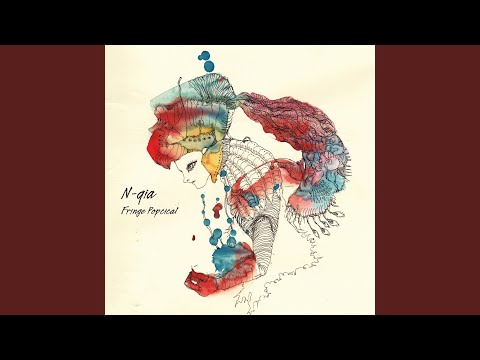
Around 2010, a vocalist named Nozomi sent a message to serph through MySpace: “Please let me sing.” He listened to her demo without high expectations, then met her, and they started making music together. That was N-qia — and later, a marriage.

In a 2016 CINRA interview, serph described what the encounter meant: “Meeting her, I rediscovered a version of myself that could be open and uncomplicated. The suspicion I'd carried for so long just gradually loosened.”

In an earlier interview, he had described making music from a place of “mental hunger.” That hunger had roots — isolation, a sense of not belonging, accumulated self-negation. Music was the “escape.” But Nozomi slowly changed that structure.

By 2018, he was saying: “I used to say I made music out of hunger. Now it's the complete opposite.”

The music he had made at such cost, having mastered it completely, was beginning to feel lighter.

YouTube video

2026: Destiny Land

On March 6, 2026, serph released Destiny Land — eleven tracks, his latest album.

The density is still there. So is the layered architecture that has defined his sound since Heartstrings. But something has shifted. There is a looseness to it, a sense that the music is being made from a different place than it once was — not from hunger, but from something more like fullness.

YouTube video

Beyond the Flood

serph's music makes demands of the listener's equipment. That is not a barrier — it is an invitation.

He chose density over accessibility, craft over commerce, and kept choosing it through years when the choice cost him enormously. That commitment is audible in every track. And now, for the first time, the music carries something the early work didn't quite have: the sound of someone who has come through the other side.

Listen to Destiny Land on the best system you have access to.