What Inspired Me

unknown music lover from Japan. This blog wrote in both Japanese and English.

In the world of contemporary classical music, if you were to ask who the most widely heard and deeply loved composer is today, the name Arvo Pärt stands at the absolute pinnacle.

In fact, he holds a very special place in my heart as my second favorite classical musician of all time.

Here is a look at just how legendary this aesthetic master is, and how his masterpiece, Tabula Rasa, continues to echo across global media and concert halls.

YouTube video

1. The Living Legend: Just How Important is Arvo Pärt?

Contemporary classical music often carries a reputation for being overly complex or difficult to digest. Arvo Pärt shattered that stereotype. By stripping away musical excess, he created his own unique style known as “tintinnabuli” (Latin for “little bells”)—a minimalist, deeply spatial sound that completely redefined the genre.

Formal Education and a Thorough Exploration of the Avant-Garde

The depth of Pärt's music cannot be understood without acknowledging his formal training and his exhaustive firsthand engagement with the full spectrum of 20th-century compositional technique.

From 1957 to 1963, he studied composition at the Tallinn Conservatory under Heino Eller. But his exploration went far beyond conventional training. During his first creative period (1958–1968), he systematically worked through every major technique of the European avant-garde: twelve-tone serialism (the method developed by Schoenberg), aleatoricism (chance-based composition), collage technique, and sonic field composition. His Nekrolog (1960) was the first serial work written in Estonia and brought him his first international recognition from the West.

This path, however, led to an impasse. After his Credo (1968) was banned by Soviet authorities, Pärt entered nearly eight years of near-silence. During this period he immersed himself in the study of 14th–16th century choral music, Gregorian chant, and the origins of Renaissance polyphony. Having absorbed the most advanced techniques of modernism to their limits, and then turned back toward the ancient roots of Western music, he arrived in 1976 at the tintinnabuli style.

The profound stillness of Pärt's music is the product of a journey few composers have made: mastering the cutting edge of musical modernism, then consciously relinquishing it in pursuit of something more essential. It is this unparalleled musical biography that gives his simplicity its extraordinary depth.

Objective Data Confirms a Global Impact

His global impact is backed by staggering, objective data:

  • Dominating the “Most Performed Living Composer” Charts According to Bachtrack, the definitive classical music statistics site, Pärt held the title of the world's most performed living composer for eight consecutive years (2012–2019). Even today, he consistently ranks at the very top alongside cinematic titans like John Williams. His scores are studied and performed by orchestras in every corner of the globe.
  • The ECM Label Phenomenon When Manfred Eicher, the founder of the prestigious ECM Records, first heard Pärt's music over a car radio, he was so profoundly moved that he tracked Pärt down to bring his music to the world. Since then, Pärt's albums have become the definitive flagship of ECM New Series, routinely topping classical and crossover charts worldwide.

2. A Masterpiece Dominating Global Media: Tabula Rasa

Composed in 1977, Tabula Rasa (Latin for “Clean Slate”) is arguably one of the most significant, heavily rotated, and iconic pieces of the last fifty years. Its reach extends far beyond traditional concert halls, seamlessly embedding itself into modern culture.

Ubiquitous Radio Airplay and Streaming

Step into any major classical radio station worldwide—whether it is BBC Radio 3 in the UK or WCRB in the United States—and you are highly likely to hear Tabula Rasa or Spiegel im Spiegel. They are the gold standard for “ambient, deep-focus music.” On streaming platforms like Spotify and Apple Music, these tracks are permanently featured on editorial playlists for meditation, focus, and modern minimalism, amassing millions of streams daily.

The Ultimate Sound of Contemporary Cinema and Art

The tension, silence, and structural weight of Tabula Rasa have made it a favorite tool for visionary filmmakers and artists.

  • Cinema: Famously utilized by Jean-Luc Godard in Nouvelle Vague, and featured heavily in modern cinematic works like A Ghost Story.
  • Media & Dance: It is routinely chosen by elite choreographers for contemporary dance and used as the sonic backdrop for high-end minimalist art installations.

Whenever a creator needs to convey an unspeakable depth of human emotion or a breathtaking stillness, the global media landscape turns to Tabula Rasa.

3. Why It Connects: A Personal View

As someone who places Pärt as my second favorite musician, what fascinates me most is the impeccable structure, rhythm, and profound economy of his music.

Listening to Tabula Rasa is a masterclass in architectural beauty. Every single note, every pause, and every shift in rhythm is precisely calculated; there is absolutely zero waste. It delivers the same intellectual and aesthetic satisfaction as looking at a flawlessly written piece of software code or a pristine piece of contemporary abstract art.

In a world full of chaotic noise, Pärt's music continues to dominate the airwaves because it offers the one thing modern listeners desperately crave: an authentic, uncompromising return to silence.

Best I love from his music is this recording of “Silentium” from Tabula Rasa. This piece is really slowly played and the prepared piano sounds like a bell. It's the main reason I like it best.

YouTube video

Description: The saxophone was invented in the 1840s—yet in the hands of certain performers, it can sing Renaissance polyphony with an almost human intimacy that period instruments can't quite achieve. This piece pairs that strange anachronism with the story of a medieval songbook that survived purely by accident—sealed inside a convent wall and rediscovered centuries later. Two improbable survivals: a repertoire that was nearly lost, and an instrument that wasn't supposed to play it. What happens when they meet is unexpectedly moving.

The Origin of an Encounter — In the Icelandic Wilderness

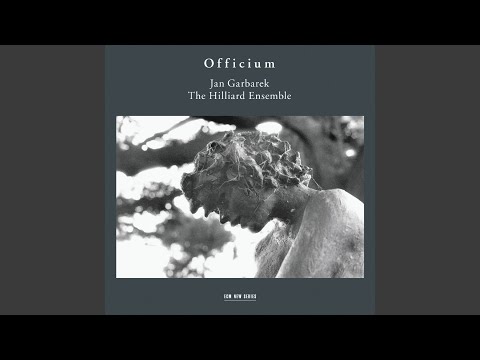
In 1991, ECM Records founder Manfred Eicher was shooting a film in Iceland — an adaptation of a Max Frisch novel. Amid that desolate lava landscape, he found himself returning again and again to a particular combination: the sacred choral music of Spanish Renaissance composer Cristóbal de Morales, and the improvisations of Norwegian saxophonist Jan Garbarek.

Different genres, different centuries. And yet, within the same space of the Icelandic wilderness, those two musics resonated with a strangeness that felt entirely natural. Carrying that conviction, Eicher brought Garbarek and the Hilliard Ensemble together at St. Gerold Monastery in Austria in 1993.

That afternoon, three or four minutes into the Hilliard Ensemble's performance of Morales's Parce mihi Domine, Garbarek quietly picked up his saxophone and joined in without a word. Everyone played to the end in a kind of stunned silence, and when the music stopped and the quiet descended, Eicher — his eyes wet with tears — said: “We must record this immediately.”

In 1994, the album Officium was released.
YouTube video

Who Is Jan Garbarek

Born in 1947 in Mysen, Norway. At fourteen, he heard John Coltrane on the radio and resolved then and there to play the saxophone. He taught himself by imitating Coltrane, won an amateur contest in 1962, and went on to study with American composer and theorist George Russell — becoming the face of ECM Records from the label's very first release, his 1970 debut Afric Pepperbird.

Garbarek's saxophone voice is unmistakable: a sharp-edged tone that stretches into long, sustained notes — sometimes likened to the call of Islamic prayer. But at its foundation lies a deep connection to Norwegian folk music. Triptykon (1972) was his first work to incorporate Norwegian folk melodies, a direction encouraged by American trumpeter Don Cherry. “I am tied to a particular vocabulary and phrases linked to Norwegian folk music,” Garbarek has said.

When he plays Norwegian folk melodies on tenor saxophone, his microtonal pitch bends recall the gradual movement of an Indian raga — not the equal-tempered intervals of jazz, but the subtle inflections of a singer bending a note with their voice. It is a saxophone, and yet something vocal inhabits it. This approach was precisely the key that made the chemical reaction with the Hilliard Ensemble's vocal polyphony possible.

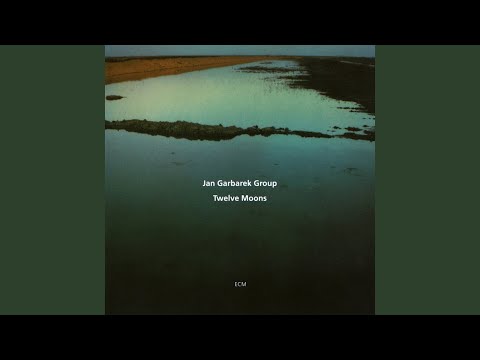
Garbarek's musical world extends far beyond the frame of a jazz saxophonist, crystallising into a form of “composition” deeply rooted in his own identity and Nordic origins. One clear expression of this is the 1993 album Twelve Moons, where he reconstructs the traditional songs (joik) of the Sámi — the indigenous people of his homeland — alongside motifs from fellow Norwegian composer Grieg, reshaping them through his own vocabulary into richly original works.
YouTube video

Who Is the Hilliard Ensemble

A British male vocal quartet founded in 1974, taking their name from Elizabethan miniaturist Nicholas Hilliard. Specialists in medieval and Renaissance music — from Gregorian chant to sixteenth-century polyphony — they were also active advocates for contemporary composers such as Arvo Pärt, and maintained a long relationship with ECM Records.

The ensemble comprised countertenor David James, tenors Rogers Covey-Crump and John Potter, and baritone Gordon Jones. They concluded their forty-one years of activity in 2014.

Bach left behind a vast body of church music throughout his life. The Chaconne appears at first glance to be a work for solo instrument alone — yet it is said that encoded within its intricate melodic lines, like a hidden cipher, is a sacred chorale written as a prayer for his deceased wife. The Hilliard Ensemble, that authority on early music, breathes entirely new life into this celebrated work by laying those concealed voices over it.
YouTube video

Why the Saxophone “Sings” — Three Reasons

1. The Pitch Inflections of Folk Music

Garbarek does not sound a pitch as a fixed point. The sense of “bending a note like the human voice” — absorbed into his body from Norwegian folk performance practice — gives the saxophone line a quality of living voice. The modal scale structures of Renaissance vocal polyphony and this microtonal style of playing dissolve into each other naturally.

2. The Reverberation of the Monastery

The recording was made at St. Gerold Monastery in Vorarlberg, Austria. The long reverberation generated by that stone space envelops both voice and saxophone within the same acoustic environment, blurring the boundary between them. Garbarek's saxophone resonates as “a fifth voice,” breathing the same air as the four singers.

3. Pure Improvisation — Without a Score

Garbarek never looks at the Hilliard's scores. What he needs is simply “what key they're singing in — two sharps or two flats — that's all”; everything else he plays entirely by ear. His improvisation is not pre-constructed: it is a real-time dialogue responding to the emotions generated in the moment by the singers. That is why no two takes are ever the same, and why the saxophone's voice sounds like “a breath woven between the phrases of a song.”

Morales as Material

At the heart of the album stands Cristóbal de Morales (c. 1500–1553) — a composer born in Seville who served in the Papal Chapel in Rome for a decade, and the foremost figure of the Spanish Renaissance. His Parce mihi Domine (“Lord, have mercy on me”) is drawn from the Officium defunctorum — the Mass for the Dead — and its sombre, austere beauty lives on unchanged five hundred years later within the stone walls of a monastery.

It was no accident that Eicher, in the Icelandic wilderness, was listening to Morales and Garbarek simultaneously. Both shared the quality of “a thin melodic voice placed within a vast silence.”

A Second Miracle — The Cantigas de Santa Maria, a Folk Song That Did Not Disappear

If Officium represents an encounter between sacred chant and jazz, another recording poses a yet more fundamental question: why do songs sung by commoners and troubadours in thirteenth-century Spain sound “new” to our ears eight hundred years later?

The Miracle of Survival as Written Music

In October 1988, a recording session was held at the Mnebhi Palace in Fez, Morocco. Joel Cohen — American early music conductor and lutenist — led the Camerata Mediterranea alongside the Fez Andalusian Orchestra (conducted by Abdelkrim Rais) and Moroccan musician Mohammed Briouel, all gathered in one room. The repertoire was the Cantigas de Santa Maria — songs to the Virgin Mary assembled under Alfonso X (“the Wise”), King of Castile, in the thirteenth century.

What are the Cantigas? A collection of 420 poems and musical compositions written in medieval Galician-Portuguese, comprising hymns of praise to the Virgin Mary and accounts of her miracles. The vast majority of composers are unknown — songs created by Muslim, Christian, and Jewish poets, troubadours, and musicians who gathered at court, then collected and codified by Alfonso X under his royal authority. It is precisely because of that royal patronage that they survive today.

What matters is that these songs survive as written music. Four manuscripts still exist — two at El Escorial, one at the Biblioteca Nacional de España in Madrid, and one in Florence — each containing musical notation. Medieval notation differs substantially from modern practice, requiring specialist knowledge to decipher, but the melodic contour can at least be read. This is close to a miracle. Countless melodies sung among the nobility and common people of that era vanished as unwritten oral traditions. But the Cantigas were inscribed in manuscripts under royal patronage and have crossed eight centuries to reach us.

Convivencia — The Music Born of an Age of Coexistence

Thirteenth-century Spain — Castile and Andalusia in particular — existed in a rare cultural condition known as convivencia (“coexistence”): Christianity, Islam, and Judaism sharing the same spaces, their cultures intersecting. This situation carried complex tensions as the Reconquista advanced, but the court of Alfonso X functioned, at least, as a crossroads of that multicultural exchange.

The music of the Cantigas holds within it the modes of Gregorian chant alongside the microtonal colours of Arab-Andalusian music. Oud, qanun (a zither-type string instrument), and darbuka (a goblet drum) intertwine with the voices. This is Christian devotional music, yet it wears Islamic instruments and scales. That the 1988 Fez recording placed a European early music ensemble and Moroccan Andalusian musicians in the same room was also a re-enactment of that historical mingling.

Joel Cohen as Guide

Born in 1942 in Providence, Rhode Island. After studying at Brown University and Harvard — where he studied composition — he went to Paris to study with Nadia Boulanger. He became music director of the Boston Camerata in 1968 (serving for forty years, until 2008), and later founded the Camerata Mediterranea in 1990.

In America, Cohen is known primarily as the long-serving leader of the Boston Camerata; on the eastern side of the Atlantic, however, he is esteemed as a lutenist and master of accompanied song. His practice of playing the lute while conducting and singing connects directly to the troubadour tradition of medieval and Renaissance music-making. His work as a music producer for French national radio, his Edison Award (Netherlands), and his decoration as an Officier de l'Ordre des Arts et des Lettres in France attest to his international standing.

That the Cantigas recording received the Edison Prize 2000 confirms that this “ancient yet new” music was recognised at the highest level.

YouTube video

Why Does It Sound “New” Eight Hundred Years Later

That the Cantigas survived as written notation is a miracle of preservation — but that alone does not explain why they resonate as fresh to the modern ear.

One reason is the ambiguity of the decipherment. Medieval notation records rhythmic information only loosely, leaving performers a degree of interpretive freedom. This is music that lives between excavation and re-creation, not strict reconstruction.

A second reason is the modernity of hybridity itself. The sound world of the Cantigas — oud and lute, Arab percussion and European strings in conversation — resonates somewhere with contemporary world music and crossover sensibilities. And yet it is not a calculated “fusion” but the natural product of an era in which coexistence was simply taken for granted. It is precisely that unselfconsciousness that catches the modern ear off guard.

Melodies once voiced by nameless singers in the court of Alfonso X were breathed back to life by Moroccan and European musicians at the Mnebhi Palace in Fez, and arrive now at the ears of listeners in the 2000s. A slender thread of written notation has held that eight-hundred-year bridge in place.

On the Record

Officium appeared on not only classical charts but pop charts following its 1994 release, becoming the best-selling record in ECM history with over 1.5 million copies sold. Critics called the album “something with no name — neither jazz nor early music.” Hilliard member John Potter said: “What kind of music is this? We don't know. It is what happened when a saxophonist, a vocal quartet, and a record producer met and made music together.”

Over the following twenty years, approximately one thousand concerts were performed, and four follow-up albums were released: Mnemosyne (1999), Officium Novum (2010), and Remember Me, My Dear (2019).
概要: 鳥の鳴き声、波の音、熱帯雨林の昆虫たち——それらはすでに、ミキシング・デスクを必要とせず、周波数帯を分割し、完璧なポリフォニーを実践している。音響生態学者クラウスの「生物音響圏」理論と、UKの伝説的レーベルTouchがリリースしたフィールド・レコーディング作品を手がかりに、「人間が音楽と呼ぶもの」の起源を問い直す。シンセサイザーのドローンを聴くとき、あなたは機械を聴いているのか、それとも熱帯の昆虫たちの古代の咆哮を聴いているのか。

人類は何世紀にもわたって、音楽の起源をめぐる議論を続けてきた。音楽は純粋に人間が生み出したもの、数学的美の抽象的な表れなのか?それとも本質的には、自然界の精巧な模倣なのか?

音響生態学の分野に目を向けると——とりわけ**クラウスの「生物音響圏(Biophony)」**の概念を通じて——自然界こそが究極のオーケストラであることが見えてくる。この理論によれば、発声する生物はそれぞれ固有の周波数帯を占有し、互いの干渉を避けているという。

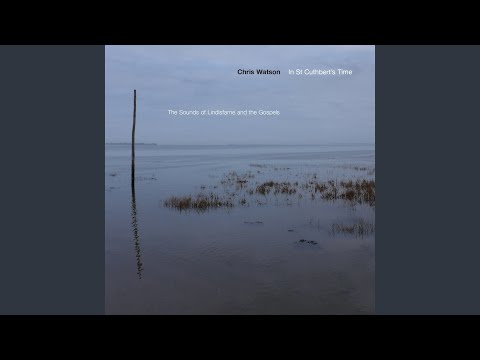
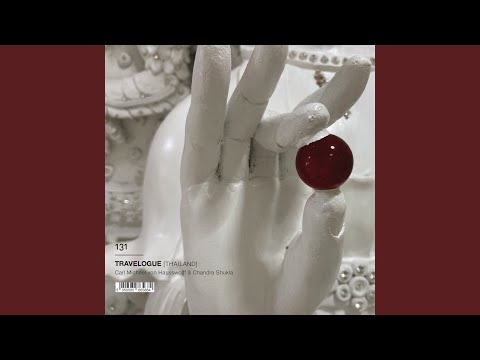
伝説的なアヴァンギャルド・レーベル Touch がリリースした2作品は、この概念を完璧に体現している。Chris Watsonの In St Cuthbert's Time と、Carl Michael von Hausswolff & Chandra Shuklaの Travelogue: Thailand だ。どちらの作品も、私たちが「音楽」と呼ぶものが、すでに自然界で——進化の設計によって完璧に調和されながら——起きていることを示している。

In St Cuthbert's Time が描く音響のニッチ

フィールド・レコーディングの巨匠であり、Cabaret Voltaireの創設メンバーでもあるChris Watsonは、この作品でリンディスファーン聖地島へと私たちを連れていく。7世紀の風景を音によって再構成した本作が捉えているのは、混沌とした騒音の壁ではなく、高度に組織化された音響建築だ。

  • 低域: 北海の波が刻む、リズミカルで重厚な鼓動——まるでリズム・セクションのように。
  • 中域: 渉禽類や哺乳類の、明瞭で旋律的な鳴き声が絶妙なタイミングで折り重なる。
  • 高域: アジサシやカモメの鋭い叫びが、風の中を切り裂く。

Watsonが自ら配置する必要はない。生物たちはすでに、数千年の歳月をかけて自らを配置してきたのだから。それぞれの生き物が固有の周波数帯を占有し、自分のメッセージを確実に届けようとする——その結果として、自然発生的かつ完璧なハーモニーが生まれる。

YouTube video

Travelogue: Thailand が描く空間的ポリフォニー

荒涼としたイギリスの海岸から、密度の高い熱帯の湿気へ。Carl Michael von HausswolffとChandra Shuklaによる Travelogue: Thailand は、自然の交響楽を別の角度から捉えた作品だ。

熱帯雨林では、音響空間をめぐる競争が熾烈だ。本作が記録するのは、ほとんど電子音楽のように聞こえる、密度の高い音のグリッドだ。

  • 昆虫たちはアナログ・シンセサイザーを思わせる精密な高周波の振動に収束する。
  • 両生類が中低域のドローンを維持する。
  • 鳥たちが鋭くリズミカルな音で林冠を突き抜ける。

これを聴くと、「自然の音景」と「ドローン/ノイズ・ミュージック」の境界線が完全に溶ける。タイのジャングルに生きる生物たちは、現代の通信機器がそうするように——互いの信号を妨害しないために周波数を切り替えながら——空間的ポリフォニーを実践しているのだ。

YouTube video

Touchという現象——それは単なるレコード・レーベルを超えている

これらの作品を語るうえで、1982年にJon WozencraftとMike Hardingが設立したUKのオーディオ・ヴィジュアル・レーベル Touch の特異な重要性を避けることはできない。

Touchはアンビエントや実験音楽のレーベルというに留まらない。**集中した聴取(focused listening)**を世に問う、唯一無二のキュレーターだ。

Touchが特別な理由

  • 音の地位を高める: Touchはフィールド・レコーディングを「効果音」や「背景テクスチャー」としてではなく、正真正銘の音楽作品として扱った。嵐の中の鳥の声は、コンサートホールのヴァイオリニストと同じくらい卓越した表現であることを、聴衆に気づかせたのだ。
  • 多感覚的な哲学: Jon Wozencraftの鋭く純度の高い写真と、ジャケットの緻密なタイポグラフィによって、Touchは音世界への物理的な入口をつくる。そのアートワークは、音が地理・生態・時間と深く結びついていることを常に思い起こさせる。
  • 芸術としての音響生態学: Touchは科学としての音響生態学と高度な芸術の橋渡しをした。自然界の生存戦略——周波数の棲み分け——こそが、人間のミニマリズム、ドローン、アンビエント音楽の真の設計図であることを証明したのだ。

Fennesz——ギターノイズが環境音になるとき

Touchからリリースを重ねるオーストリアのアーティスト、Fennesz(クリスチャン・フェネス)は、まったく逆の方向から同じ音響的領域へと到達した存在だ。WatsonやVon Hausswolffが自然界を直接捉えるのに対し、Fenneszはギターをデジタル処理の幾重もの層で破壊し尽くす——そこに残るのは、環境音と区別のつかない何かだ。揺らめき、呼吸し、生きている。 楽器は消え、地球が残る。

YouTube video

結論——究極の模倣

では、音楽とは究極的に自然環境音の模倣なのか?

In St Cuthbert's TimeTravelogue: Thailand は、強くその肯定を示唆している。人間が波形を合成し、合唱を編曲するはるか以前から、自然界はすでにミキシング・デスクを完璧に操っていた。周波数帯は割り当てられ、音は水平線を越えてパンされ、音量は生存のために完璧にバランスされていた。

私たちが音楽を作るとき、それは無から何かを生み出しているのではない。地球の古くて完璧に調和された言語を——Touchが何十年もかけて美しく記録し続けてきたその言語を——ただ思い出しているに過ぎないのかもしれない。

あなたはどう思いますか?シンセサイザーのドローンを聴くとき、あなたは機械の音を聴いているのか、それとも熱帯の昆虫たちの古代の咆哮を聴いているのか?

声より先に、言葉があった

Natalie Merchant(ナタリー・マーチャント)は1963年、ニューヨーク州ジェームズタウンに生まれた。7歳で両親が離婚し、母親が再婚してニューヨーク州北部のコミューンへ引っ越す。そこで出会った女性たちが、彼女の原点になった。

「私はあの人たちに恋をした」と彼女は語っている。「アーティストたちで、脚を剃らないでいる女性たちで、ひとりで暮らして冬には薪ストーブをたいて、強かった」

テレビのない家で育ち、16歳で高校を辞めてコミュニティカレッジへ進んだ。教室の外で本を読み、フォーク音楽を聴いた——図書館でハリー・スミスの「Anthology of American Folk Music」を手に取ったことが、歌への入口になった。ギターの猛練習ではなく、言葉と読書が先にあった。辺縁に追いやられた人々への眼差しは、このころすでに育ちつつあった。

10,000 Maniacs——バンドの声、自分の言葉

1981年、17歳のNatalieはジェームズタウンのバンドStill Lifeに加入する。やがてそのバンドは10,000 Maniacsと名を変え、Natalieはボーカルと作詞を担った。

10代からすでに、彼女の歌詞は群を抜いていた。歴史の中で忘れられた人々、児童虐待を目撃した傍観者の罪悪感(「What's the Matter Here」)、望まない妊娠(「Eat for Two」)——ポップソングを社会的・歴史的な問題を語る手段として使うスタイルは、キャリアの最初から一貫している。

バンドは1987年から1993年にかけて全盛期を迎え、「In My Tribe」「Blind Man's Zoo」「Our Time in Eden」が全米チャート上位に入った。1993年のMTV Unplugged収録時、彼女たちはBruce SpringsteenとPatti Smithの共作「Because the Night」をカバーした。Natalieの語りかけるような歌声が際立ったこのカバーは、バンド最大のヒット(Billboard Hot 100・11位)となり、Natalieの名を広く知らしめることになる。

しかし同年、Natalieは脱退を発表する。理由は「自分が書いた曲への創作上のコントロールが足りない」こと——巨大化したバンドという組織から抜け出し、シンガーソングライターとして完全に自立することを選んだのだ。

Patti Smithのオリジナル(作曲はブルース・スプリングスティーン) YouTube video

10,000 Maniacsのカバー YouTube video

Tigerlily——完全な自由で書いた声

1995年のソロデビュー作「Tigerlily」は、Natalieが初めて完全な創作の自由を得て書いたアルバムだ。

結果は衝撃的だった。「Carnival」「Wonder」「Jealousy」の3曲が立て続けにBillboard Hot 100のトップ40入りを果たし、アルバムは500万枚以上を売り上げた。この商業的成功はNatalieに単なる名声以上のものをもたらした——レーベルの商業的プレッシャーから自由になり、その後のキャリアで社会活動や芸術的実験に没頭できる財政的・精神的な自立の土台を手に入れたのだ。

なかでも「Wonder」は、表皮水疱症(EB)という難病を持って生まれた双子の女の子たちへの讃歌として書かれた曲だ。Natalieは「曲を書いたとき、誰のことを書いているか自分でもわかっていなかった」と語っており、後にこの双子と深く友人となり、彼女たちが二十代で亡くなるまで寄り添い続けた。その普遍的なメッセージはのちにR.J. PalacioのYA小説「Wonder」の着想源となり、2017年の同名映画エンドクレジットにも使われた。

「Wonder」のヒットは偶然ではない。社会の辺縁に置かれた存在へのまなざし——コミューンの強い女性たちから受け取ったそれが、聴衆の心を打った。メッセージ性と商業的成功を両立させた稀な例として、「Tigerlily」は今もNatalie Merchantのキャリアを象徴するアルバムであり続けている。

YouTube video

「Wonder」(1995年、Tigerlily収録)。表皮水疱症(EB)を持って生まれた双子の女の子たちへの讃歌として書かれた。その普遍的なメッセージはR.J. Palacioの小説「Wonder」の着想源となり、2017年の同名映画にも使われた。

詩と政治——成熟期の声

ソロ以降のNatalieは、チャートの数字よりも自分の作りたいものへと向かっていく。

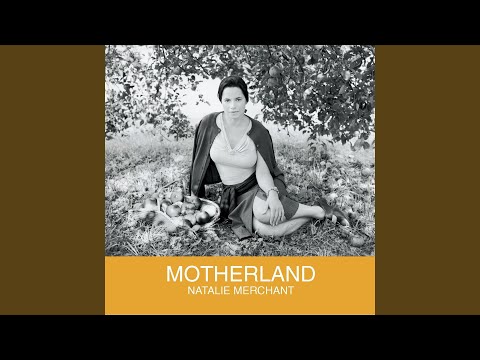
2001年の「Motherland」では政治・社会意識が前面に出て、2010年の「Leave Your Sleep」では詩人たちの詩に自ら曲をつけるという異色作に挑んだ。「Tigerlily」の成功が生み出した自由があればこそ、こうした利益度外視の芸術的実験が可能になった。メインストリームからは外れていくが、コリン・メロイ(The Decemberists)やWeyes Bloodといった後の世代の知的なシンガーソングライターたちに、彼女の影響は確かに聴こえる。

YouTube video

Keep Your Courage(2023年)の「Big Girls」では、ブラックのシンガーAbena Koomson-Davisとのデュエットで、嵐の中でも互いを支え合う女性の連帯を歌い上げた。社会の辺縁に置かれた存在への眼差しは、60歳を越えた今も変わっていない。

「詩と政治——成熟期の声」

2001年の「Motherland」では政治・社会意識が前面に出て、2010年の「Leave Your Sleep」では詩人たちの詩に自ら曲をつけるという異色作に挑んだ。「Tigerlily」の成功が生み出した自由があればこそ、こうした利益度外視の芸術的実験が可能になった。メインストリームからは外れていくが、コリン・メロイ(The Decemberists)やWeyes Bloodといった後の世代の知的なシンガーソングライターたちに、彼女の影響は確かに聴こえる。

アルバムのタイトル曲「Motherland」は、コンクリートが侵食する都市の風景から逃れ、大地に抱かれたいという切実な祈りを歌っている。「祖国よ、私を揺り籠に抱いて、眠らせて、守って」という繰り返しのフレーズは、単なる望郷の歌ではなく、現代社会の疎外感そのものへの問いかけとして響く。この曲は2001年9月11日の直前に完成していた。Natalieは後に「書いたときはずっと皮肉な気持ちで書いていた。でも今は、この曲はノスタルジアと夢の死になった」と語っている。時代の暴力が、曲の意味を書き換えてしまった——それ自体が、彼女の歌詞の持つ射程の広さを物語っている。

🔗 「Motherland」歌詞全文(Genius)

声を失って、声を取り戻した

2019年、NatalieはロンドンのV&Aミュージアムで突然腕にしびれを感じた。帰国後の検査で、日本では指定難病(第69号)に認定されている脊椎の疾患「後縦靭帯骨化症(OPLL)」と診断される。靭帯が骨化して脊髄を圧迫し、最悪の場合は四肢麻痺にいたるこの病気に対して、緊急手術が必要だった。

手術は6時間に及んだ——喉を切開し、声帯を脇へ寄せながら脊椎の骨3本を除去するものだった。目覚めたとき、彼女は歌えなくなっていた。

「パニックに陥った」と彼女は語っている。「もっとたくさんレコードを作っておけばよかったと思った」

10ヶ月間、歌声は戻らなかった。その沈黙の中でパンデミックが世界を覆い、Natalieは詩人Robin Robertsonの詩集と出会い、言葉が再び彼女の喉を震わせた。曲を書き始め、それが「Keep Your Courage」(2023年)として結実する。

かつて彼女をプロデュースしたPeter Asherは「何十年もファンだったが、これが彼女の最高傑作かもしれない」と評した。チャートの順位は「Tigerlily」の全盛期には及ばない。しかし声を失い、取り戻し、60歳で作り上げたこのアルバムには、チャートの数字では測れないものが刻まれている。

YouTube video

「Keep Your Courage」(2023年)。脊椎手術で声を失った経験とパンデミックの孤独を経て生まれた、9年ぶりの新曲集。

変わらぬまなざし

声は年輪を重ねた。でも歌い方の核心は変わっていない。

語りかけるように歌うスタイル、辺縁に置かれた人々への眼差し、フェミニズムと社会意識を大衆的な音楽に溶かし込む技——それは17歳でジェームズタウンのバンドに加入した日からずっと、彼女の中にあったものだ。

高校を辞め、コミューンの強い女性たちに育てられ、図書館でフォーク音楽と出会った少女が、その後40年以上にわたって世界に語りかけ続けている。あなたにも、そういう「変わらない声」がありますか。

高校生の頃、クランベリーズと出会った。Billboardチャートを紹介するテレビ番組で流れてきたドロレス・オライオーダンの声は、聴いた瞬間から耳に貼りついて離れなかった。あの独特の震え声、リバーブがかかったギター、儚さと力強さが共存するサウンド。当時の自分にとって、クランベリーズは「これ以上ないもの」だった。

大人になってからのある日、ラジオから一曲が流れてきた。リバーブのかかったギター、こぶしをまわすような歌声、重なり合うコーラス──あまりにもクランベリーズに似ていて、思わず耳を疑った。しかしそれはクランベリーズではなかった。コクトー・ツインズ(Cocteau Twins)という、クランベリーズより10年も前に同じ音を作り上げていたバンドだった。

私がクランベリーズにハマるきっかけになった最も好きな曲

YouTube video

スコットランドの辺境から生まれた「夢の音」

コクトー・ツインズは1979年から1997年にかけて活動したスコットランドのロック・バンドだ。結成の地は、スコットランド中部の工業都市グランジマウス──ロビン・ガスリーが後年Billboardのインタビューで「グランジマウスはニュージャージー州エリザベスのようなもので、化学精製工場があるだけで全く風光明媚ではない」と語ったほどの場所だった。その灰色の町から、20代前半の若者たちが逃げ出すように音楽を始めた。

バンドはロビン・ガスリー(ギター、ドラムマシン)とウィル・ヘギー(ベース)によって結成され、1981年にエリザベス・フレイザー(ボーカル)が加入した。1983年にはヘギーに代わりマルチ奏者のサイモン・レイモンドが参加し、もっとも知られるラインナップが完成した。

フレイザーがバンドに加わった経緯は偶然に近い。ガスリーとヘギーが地元のディスコで踊っている彼女を見かけ、歌えるかもしれないとバンドに誘ったのだ。当時彼女は17歳で、自分が歌手だとは思っていなかった。

音の核心を生み出したのはガスリーの「ギターへの無知」だった。電気技師としての訓練を受け、エレクトロニクスへの興味を持っていたガスリーは、ギターにファズボックスやエフェクト・ペダルを通して独自の音を探り始めた。従来の奏法が身についていなかったぶん、彼の試行錯誤は誰も思いつかない方向へ転がった。コーラス、フランジャー、ディレイ・ユニットを重ね合わせた密な音の層が、バンド特有のエーテリアルなサウンドを生み出した。

ガスリー自身はその狙いをこう語っている。「パンクのエネルギーを持ちながら、もっと繊細で美しい音楽を作りたかった。フィル・スペクターの輝くようなサウンド。自分がちゃんと弾けるように聴こえるギターを作りたくて、The Pop GroupやRowland S. Howardのような美しいノイズを作るギタリストに影響を受けた。」

そしてフレイザーのボーカル。彼女は声の超越的な音を歌詞の意味よりも優先させ、「言葉は歌うまでまったく意味を持たない。歌うために歌った」と語っている。彼女の歌声は英語なのに解読不能に聴こえ、言語の意味を超えて情動に直接触れてくるものだった。このスタイルは「グロッソラリア(異言歌唱)」と呼ばれ、コクトー・ツインズをほかのすべてのバンドから区別する最大の特徴となった。

バンドは1982年にレーベル4ADと契約し、デビュー・アルバム『Garlands』をリリース。バンドはドリーム・ポップという1980年代のオルタナティブ・サブジャンルを切り開き、後のシューゲイザーを定義づける存在となった。

チャートと「アンダーグラウンド」のあいだで

コクトー・ツインズのキャリアは、商業的な数字だけでは語れない矛盾を抱えていた。

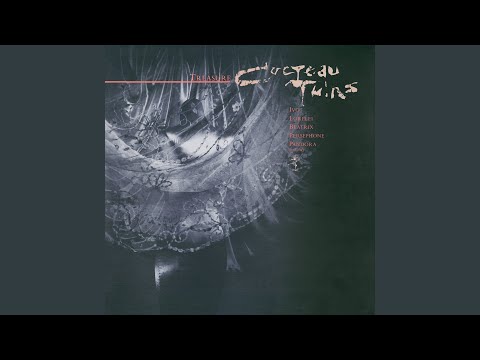
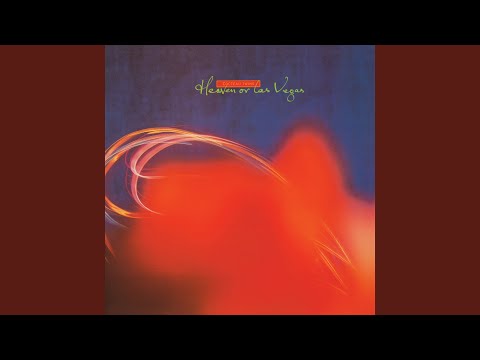
UKアルバム・チャートで見ると、1984年発表の『Treasure』は最高29位、1986年の『Victorialand』は10位、1988年の『Blue Bell Knoll』は15位、そして最大のヒット作となった1990年の『Heaven or Las Vegas』は最高7位を記録した。

しかし同時期の米Billboardでは、最高傑作と名高い『Heaven or Las Vegas』ですら最高99位にとどまった。イギリスのインディー・シーンではアイコン的な存在でありながら、アメリカではほぼ無名という二重の地位。これがコクトー・ツインズの特異な立ち位置だった。

批評家たちは「クランベリーズやEnyaのような、エーテリアルなサウンドを探求するミュージシャンたちに影響を与えたアンダーグラウンドの重鎮」として彼らを評価したが、彼らは商業的な主流からは常に少し距離を置いていた。

それでも彼らの音楽的な磁場は確実に拡大していた。Madonnaはコクトーツインズとフレイザーを「愛している」と公言し、プリンスはバンドを自身のレーベルに迎えようとした。偉大なミュージシャンたちが静かに傾倒していたのだ。

YouTube video

YouTube video

「インスピレーション」の連鎖 ── コクトー・ツインズを愛するミュージシャンたち

コクトー・ツインズの影響を公言しているミュージシャンの顔ぶれは圧倒的だ。ビョーク、イモジェン・ヒープ、M83、アニー・レノックス、ラナ・デル・レイ、トーリ・エイモス、スローダイブ、ライド、プリンス、The Weeknd、マッシヴ・アタック、The Sundays、マイ・ブラッディ・ヴァレンタイン、レディオヘッド、デフトーンズ、レジー・ワッツ──いずれもコクトー・ツインズ、とりわけエリザベス・フレイザーの声が自分の音楽に深い影響を与えたと語っている。

なかでも注目すべき証言がある。キュアーのロバート・スミスはコクトー・ツインズのアルバム『Treasure』を「これまで聞いた中で最もロマンティックな音」と称え、その後リリースされたキュアーの名盤『Disintegration』にはトレジャーのギター・サウンドの影が色濃く残っている。

シューゲイザーの雄スローダイブのギタリスト、クリスチャン・サヴィルは「ピアリー・デュードロップス・ドロップス」を初めて聴いたときのことをこう語る。「そのボーカルと言葉は、今まで聴いたことのないものでした。ギターは巨大で神秘的だった。」同じくライドのベーシスト、スティーヴ・クァーラルトは「コクトー・ツインズはテープに記録されたもっとも素晴らしい音楽のいくつかを残した。ロビンのきらめくギターこそがシューゲイザーというジャンルのすべての始まりだ」と証言している。

ポストロックの世界でも影響は大きく、Explosions in the Skyのクリス・フラスキーはコクトー・ツインズがバンドのポストロックのDNAの一部だと語っている。後日、シモン・レイモンドはExplodions in the Skyに惚れ込み、自身のレーベルBella UnionでUK盤をリリースするほどになった。

クランベリーズとコクトー・ツインズ ── 影の系譜

冒頭の体験に立ち返ろう。私がラジオで感じた「クランベリーズに似ている」という直感は、音楽評論の世界では共通認識だった。

その連鎖を語るうえで欠かせないのが、コクトーツインズとクランベリーズのあいだに位置するThe Sundaysというバンドだ。1988年にブリストル大学でハリエット・ウィーラー(ボーカル)とデヴィッド・ガヴリン(ギター)が出会い結成されたこのイングランドの4人組は、翌1989年にシングル「Can't Be Sure」でデビューするや、英音楽誌メロディー・メーカーの批評家に「今まで聴いた中で最高のもの」と評され、レーベルの争奪戦が起きるほどの衝撃を与えた。1990年にリリースされたデビュー・アルバム『Reading, Writing and Arithmetic』はUKアルバム・チャートで4位を記録した。コクトーツインズのエーテリアルなサウンドとThe Smithsのジャングリーなギターを融合させたようなサウンド、そしてウィーラーの透き通った歌声は、批評家からたびたび「コクトーツインズとThe Smithsの遺伝子を受け継いだバンド」と形容された。彼らは3枚のアルバムを残したのち1997年以降は沈黙を保っているが、その音楽は今もドリーム・ポップの古典として愛聴されている。

1990年代のローリング・ストーン誌はクランベリーズについてこう書いている。「彼らはThe Sundaysに非常によく似ており、The Sundaysはコクトーツインズに強く似ている。彼らが成し遂げたのは、その審美性を自分たちのものにしたことだ。」

ドロレスとギタリストのノエル・ホーガン自身は、コクトー・ツインズからの影響を明確に語ってはいない。むしろノエルはコクトー・ツインズとの類似性を指摘されると「もし他のバンドに似ているとしたら、それは偶然だ」と答えていた。しかし彼らの音楽が、コクトー・ツインズが10年かけて作り上げたドリーム・ポップの美学をアイルランドの土壌に植え直したものであることは、誰の耳にも明らかだ。

Sound On Sound誌はクランベリーズを「コクトーツインズの影響を受けたThe Sundaysの足跡をたどり、1990年代初頭にエヴォケイティブなドリーム・ポップで急速に名声を高めた」バンドと評している。つまりコクトーツインズ→The Sundays→クランベリーズという一方向の影響の連鎖だ。

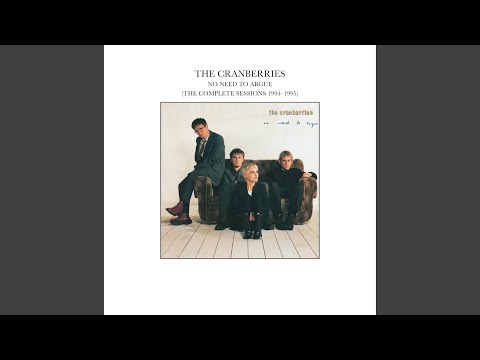
また、Salon誌の評論は「クランベリーズのアルバム『No Need To Argue』に収録された”The Icicle Melts”はコクトー・ツインズへのオマージュだ」と指摘している。ドロレス本人が意図したかどうかにかかわらず、その血脈は曲のタイトルにまで及んでいた。

YouTube video

コクトー・ツインズは「フォロワー」をどう見ていたか

自分たちの音楽が多くのバンドに模倣されることについて、ガスリーは複雑な感情を持っていた。

ドラウンド・イン・サウンド誌のインタビューでガスリーはこう語った。「自分を真似しようとしているバンドがいるのは分かる。でもそれは、新しいものを作ることへの敬意ではなくなっているんだ。コクトー・ツインズを明日再結成すると言えば誰もがすごいと思うだろうけど、私が今作っているものについてはほぼ無視されている。それが理解できない。」

また別のインタビューでは、「コクトー・ツインズはよくシューゲイザー・ムーブメントのバンドと比較されるが、私たちはそのシーンの一部ではなかった。私はエレクトロニクスのアイデアを押し進めていた。ギターを普通のエフェクター一個に通すのではなく、何個も重ねた。それが自分のアイデアで、それをどこまでも追求したかったんだ」と語っている。

一方でコクトー・ツインズの公式サイトは「他の人々がその音を再現しようと試みてきたが、成功したのはごくわずかだ。成功したアーティストたちはむしろ彼らとは似ていない──ただ何かエッセンスを受け取り、模倣でなくインスピレーションとして昇華した(Beach House、Goldfrapp、Sigur Rós、M83など)。コクトー・ツインズはドリーム・ポップとシューゲイザーというジャンル全体の基盤となった」と記している。

商業的成功 vs. 音楽的影響力

クランベリーズはコクトー・ツインズとは比較にならないほどの商業的成功を収めた。デビュー・アルバム『Everybody Else Is Doing It, So Why Can't We?』だけで全世界数千万枚を売り上げ、「Zombie」「Linger」「Dreams」は世代を超えて口ずさまれている。コクトー・ツインズの最大のヒット作『Heaven or Las Vegas』が英国で23万5000枚を売ったのと桁が違う。

しかし音楽的な影響力という観点では、話が逆転する。

コクトー・ツインズが作り上げたリバーブとエフェクトの美学は、ドリーム・ポップ、シューゲイザー、インディー・フォーク、アンビエント・R&Bに至るまで、21世紀の膨大な音楽のDNAに書き込まれている。クランベリーズがクランベリーズであることができたのも、コクトー・ツインズが10年前にその美学を確立していたからだ。

スローダイブのネイル・ハルステッドはこう語る。「彼らのサウンドや声のスタイルを模倣したトラックはたくさん聴いてきたが、コクトー・ツインズの美しく構成されたコード進行、転調、メロディック・フックを含めているものは少ない。声、ギター、楽曲──それぞれが単独で巨大で深く独自のものだ。私たちのほとんどは、その表面をかすめているに過ぎない。」

クランベリーズの成功は疑いなく偉大だ。しかし音楽の文脈を問うなら、こう言えるかもしれない──クランベリーズはコクトー・ツインズが建てた家に住んだ。そしてその家の設計図は、今もあちこちで引き継がれている。

YouTube video

40年後も色褪せない美しさ

コクトー・ツインズの公式サイトにはこんな一文がある。「そのサウンドと録音のクオリティの時を超えた性質の証として、多くの新しいファンが彼らの物語が1979年に始まったことすら知らない。」

それは最大の賛辞だと思う。いつ作られたかを知らなくても、聴いた人間が「今の音楽だ」と感じてしまう音楽。コクトー・ツインズのアルバムは、40年以上経った今でもそういう音楽だ。

ロビン・ガスリーはかつてこう語った。「リズと一度でも録音できるなら、すぐにでもそうする。でも自分からそれを求めることはしない。もしかしたら化学反応はもう存在しないのかもしれない。でも少なくとも、世界最高の歌手と仕事をした」と。

高校時代の私はクランベリーズという「扉」を通してドリーム・ポップに出会った。でも大人になってラジオで耳にしたコクトー・ツインズは、その扉の向こうに広がる世界が、どれほど深く、美しく、古くて新しいものかを教えてくれた。

Description: I used to treat ambient music as furniture—something to fade into the background while I worked. Three artists dismantled that assumption completely. Helios, a Berklee-trained percussionist, showed that drums could act as a cinematic anchor rather than a disruption to the drift. Alva Noto and Ryuichi Sakamoto proved that the silence between notes could become a third instrument, where digital glitch catches a decaying piano chord and turns a mistake into a melody. And Fennesz demonstrated that noise guitar, processed through layers of digital fracture, could produce something closer to an impressionist painting than a sound recording.

For a long time, my relationship with ambient music was simple: it was a utilitarian backdrop. It was something to soothe the mind, a gentle tapestry of static drones designed to fade into the wallpaper of daily life. It was music to ignore.

Then, I encountered three specific musical forces.

They didn't just challenge my perception of the genre; they completely shattered it. They proved that ambient music isn't merely passive space—it can be a landscape of fierce precision, microscopic tension, and overwhelming, visual beauty. Here are the three artists who changed everything.

1. Helios: The Masterclass of Subversive Rhythm

Convention dictating ambient music usually demands the erasure of time. Percussion is often the first thing to be discarded to achieve that weightless drift. But Keith Kenniff, working under the moniker Helios, turned that rule on its head through his ingenious, sophisticated use of drums.

This is no accident. Kenniff graduated with honors from the Berklee College of Music in 2006, majoring in percussion and composition—making him a formally trained musician who understands rhythm at a structural, academic level. That training is audible in every Helios record. But the remarkable thing about Kenniff is that his musical identity doesn't stop there. Under the alias Goldmund, the same artist produces an entirely different body of work: sparse, deeply beautiful solo piano pieces that sit at the intersection of ambient and post-classical music. Intriguingly, the piano side of his craft was largely self-taught—developed quietly in the practice rooms of Berklee during ear training sessions—which gives his Goldmund work a distinctly personal, exploratory quality that no conservatory curriculum could manufacture.

Helios doesn't use rhythm to build dance tracks; he uses percussion as a cinematic anchor. His drums are remarkably clever—often crisp, organic, and closely miked, carrying a soft, tactile crunch that feels entirely human.

Instead of disrupting the ambient haze, the rhythm acts as a heartbeat. The drums slice through the lush, cinematic guitar and piano swells with absolute precision, creating a brilliant juxtaposition: while the melodic pads invite you to drift, the intricate percussion demands that you stay present. Helios taught me that ambient music could possess momentum, structure, and an underlying sense of emotional urgency.

YouTube video

2. Alva Noto + Ryuichi Sakamoto: The Sublime Fusion of Glitch and Grandeur

If Helios brought structure to the drift, the legendary collaborations between German electronic master Carsten Nicolai (Alva Noto) and the late, incomparable Ryuichi Sakamoto redefined the very fabric of sonic texture.

Their collaborative albums (such as Vrioon and Insen) are masterclasses in contrast, operating like a breathtaking dialogue between the clinical future and the human soul.

  • Alva Noto's Cold Precision: Digital glitches, microscopic laser clicks, and pristine sub-bass frequencies that trace the sharp, cold boundaries of a digital canvas.
  • Sakamoto's Warm Intimacy: Impeccable, spacious acoustic piano chords, rich with sustain, vulnerability, and resonance.

The Magic of the “In-Between”: The true genius of this pairing lies in how these two opposing worlds fuse. Sakamoto's piano notes don't just sit on top of the electronics; they are cradled by them. A warm, decaying piano chord is caught by a razor-sharp digital glitch, turning a mistake into a melody. The negative space—the silence between the notes—becomes a living, breathing third instrument. It is a stunning proof that pure data and pure emotion can melt into a singular, devastatingly beautiful language.

YouTube video

3. Fennesz: Painting Impressionist Landscapes with Noise Guitar

To many, “noise guitar” implies chaos, aggression, and friction. Christian Fennesz, however, uses a guitar and a laptop to achieve the exact opposite: he spins digital distortion into pure, sun-drenched euphoria.

Listening to a masterpiece like Endless Summer is less like listening to an audio track and more like watching an impressionist painting come to life.

Fennesz feeds acoustic and electric guitar strums into complex processing software, fracturing the chords into thousands of shimmering, white-hot shards of glitch and static. But out of that digital debris emerges an incredible warmth. The noise shifts, evolves, and undulates, creating a vivid sonic choreography. As you listen, the textures morph like light filtering through leaves or waves crashing in slow motion on a hazy afternoon. He transformed noise from a weapon of disruption into a tool of sublime, visual storytelling.

Most famous album of fenezz

YouTube video

Fennez’s latest album is more like ambient music.

YouTube video

Final Thoughts

Before discovering Helios, Alva Noto + Sakamoto, and Fennesz, I thought ambient music was a tool to help me escape reality. Now, I realize it is a lens to view reality more clearly.

Through clever rhythm, the marriage of glitch and piano, and the beauty of processed guitar noise, these artists proved that the space between sound and silence is infinitely vast—and endlessly fascinating.

A few artists from Japan's indie scene deserve far more attention than they get. Here are three I keep coming back to — and why.

1. Why Serph's Music Is a Life-Staking Masterpiece

Animators know exactly how insanely difficult it is to create high-level animation. It's the same with Serph's music.

Listen to it through high-quality speakers and you feel as if you're bathed in a flood of sound. The textures shift in highly complex ways, layered over and over to build the track. Every single sound is finely chopped, stacked hierarchically, and scattered across the timeline — almost like frame-by-frame animation. The flow is controlled with that same multi-layered precision.

It's a world you can never truly access through cheap smartphone speakers.

Serph spends endless hours on this kind of obsessive micro-editing, fully aware that this style will never go mainstream or make him rich. It is, without a doubt, a life-staking creation.

When you listen to his music, start by focusing on the drums. You'll quickly notice the pattern almost never repeats — it keeps shifting, track after track. There are also moments where the piano breaks into fast, intricate arpeggios, driving the song forward and weaving its own rhythms on top of everything else.

The way he builds rhythm — pulling your whole body into motion — is brilliant. It's like a kaleidoscope.

Start here: Serph's track “Soda” is the perfect entry point.

YouTube video

If you like “Soda,” you'll also love the track that follows it on the same EP, “Coquettish Bomber” — my personal favorite of his entire catalog. It takes a chopped-up vocal sample and turns it into a gorgeous, unexpected melody.

YouTube video

His music feels like animation in sound form, and Japanese animation is already loved around the world. I'd love to see more people discover the music that carries that same spirit.

YouTube video

2. The Most Beautiful Melodies in Post-Rock, From Japan

miaou's music is built on stunning melodies and carefully crafted song progressions, which sets them apart from most other instrumental post-rock bands. Their songs aren't built on the typical slow burn toward a wall of distorted guitar — melody leads, not noise.

Even within the Japanese music scene, they remain a minor name. But looking back at the instrumental rock boom of the early 2000s, I'd argue they wrote some of the most remarkably beautiful melodic progressions of any band in the world during that era.

I also love that their drummer and bassist are both women — power playing like theirs is still rare for women in the post-rock scene, and what they bring to the rhythm section is genuinely awesome.

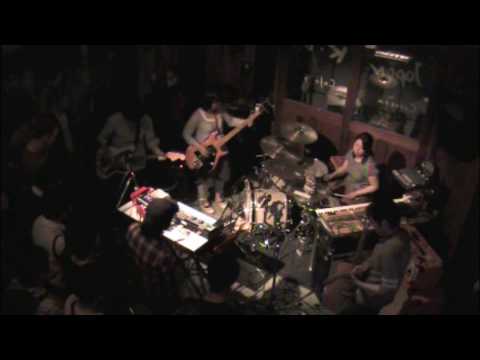
Watch their live performances and you'll notice electronic programming is kept to an absolute minimum — it's all played, in the room, by the four of them. I especially love watching them form a circle on stage, listening closely to one another to lock their rhythms into perfect sync.

YouTube video

And this is the another piece of there's great live performance

YouTube video

3. A Japanese Rock Band You Need to Know

The lyrics Spangle call Lilli line sing don't always make conventional sense in Japanese — every word exists purely in service of the melody.

Of all the Japanese rock bands out there, I think they have some of the most outstanding melodic writing. Everything in their music is built around melody first.

The members met at art university, and each one also has an independent career as a designer or photographer outside the band. That's exactly why they're free to make the music they want, without compromise. It also means they've never had mainstream commercial success in Japan — and that's precisely what makes them special.

Their live performances are worth seeking out on YouTube.

YouTube video

YouTube video

post-rockというジャンルがある。多重レイヤーの音が絡み合い、ギターが幾重にも重なり、通常のバンド編成では不可能なはずのテクスチャーが広がる音楽だ。Godspeed You! Black EmperorやMogwaiが世界的な評価を得て以降、このジャンルはある種の「壮大さ」と結びついて語られることが多い。スタジオで音を積み上げ、エフェクトを重ね、DAWで緻密に構築された音の建築物——それがpost-rockのひとつの定型になった。

だが、オハイオ州Kentから現れたバンド、The Six Parts Sevenはまったく異なるやり方でそれをやってのけた。

人間が集まって、音を鳴らした

The Six Parts Sevenは1995年、KarpinskiブラザーズのAllen(ギター)とJay(ドラム)によって結成された。1997年にギタリストのTim Gerakが加わり、以降はメンバーが流動しながらも核となる三人を中心に活動を続けた。

このバンドの楽器編成が独特だった。複数のクリーントーン(歪みなし)エレキギター、ベース、ドラム。そこにエレクトリック・ラップスティールギター、ビブラフォン、グランドピアノ、ときにビオラやトランペットまで加わる。コードをかき鳴らすのではなく、それぞれの楽器が単音のメロディラインを担い、それが絡み合うことでサウンドが立ち上がる。

重要なのは、これがDAWによる多重録音ではなく、実際に複数のミュージシャンがスタジオに集まって演奏した音だということだ。2004年のアルバム Everywhere and Right Here はクリーブランドのMagnetic Northスタジオで録音されている。ライブ映像がほとんど残っていないため、その全貌を映像で確認することは難しい。だが少なくとも、DAWで何十テイクも録り直して組み上げたような音ではない。人間が部屋に集まり、耳を傾け合いながら鳴らした音がそのまま作品になっている——その手触りが、このバンドの音楽の本質だ。

Suicide Squeeze Records、そして静寂

The Six Parts Sevenが在籍したSuicide Squeeze Recordsは、1996年にシアトルで設立されたインディーレーベルだ。Elliott SmithやModest Mouseのシングルから始まり、The Black Keys、Russian Circles、Iron & Wineなども名を連ねた、インディー界では誠実な評価を得るレーベルだった。

それでも、The Six Parts Sevenの音楽は届かなかった。

NPRの報道番組 All Things Considered のBGMや転換音楽として彼らの曲が使われていたという事実が、その立ち位置を象徴している。音楽は流れた。でも名前は残らなかった。あるレビュアーはこう書いている——「ボーカリストがいないせいで、このバンドはいつも見過ごされてきた。Sigur Rósがあれほど人気なのは、誰もアイスランド語を理解できなくてもヴォーカリストの存在がある種の引力を生むからだ。Six Parts Sevenがその見えない線を越えられるかどうか、私にはわからない」と。

2008年、バンドは活動休止状態に入った。

Everywhere and Right Here(2004)

このアルバムが彼らの到達点だ。8曲、いずれもインストゥルメンタル。5分を超える曲が多く、反復とわずかな変化によって聴き手を静かに深いところへ連れていく。

「What You Love You Must Love Now」「Already Elsewhere」「A Blueprint of Something Never Finished」——曲名自体が詩のように機能している。音だけで語り、音だけで余韻を残す。ラップスティールの甘い音色、ビブラフォンの澄んだ響き、複数のギターが作る立体的なハーモニー。これだけの楽器を、エレクトロニクスに頼らず人間の演奏で成立させている。

YouTube video

合わせて聴くべき作品

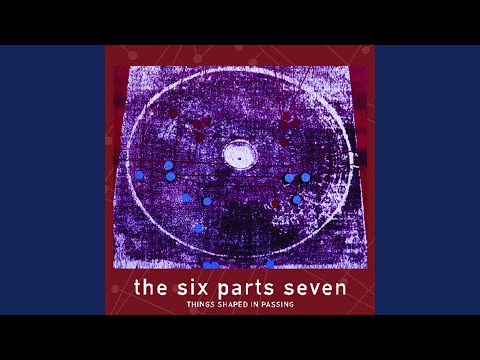
Things Shaped in Passing(2002)はSuicide Squeeze移籍後の初作。ヴァイナルは500枚限定プレスという小さなリリースながら、Discogsでは「インストゥルメンタル・ロック史上最も重要なアルバムのひとつ」という声もある。ラップスティールとピアノが加わり、バンドのサウンドが最初に完成した形で記録された一枚だ。AV Clubはこのアルバムを「注意深く聴く者にとっては、荒涼としながらも美しい風景への短い精神的な旅」と評した。

YouTube video

Casually Smashed to Pieces(2007)は最後のスタジオアルバム。シアトルのStudio Lithioとオハイオのアクロンで録音され、多くのゲストミュージシャンを迎えた集大成的な作品。バンドはこの翌年に活動休止に入る。

YouTube video

大きな声で語られることなく、しかし確かな完成度とともに存在した音楽がある。The Six Parts Sevenはそういうバンドだった。

かつて何者にもなれずに解散したイリノイの大学生たちは、2026年、それぞれの「生活」の傍らで、ロックという器を静かに踏み越えた。

プロローグ:誰も気にしていなかった「緑の家」

1999年、アメリカ・イリノイ州の大学キャンパスの片隅で、ひとつのアルバムがひっそりと録音された。予算はわずか2000ドル、期間はたったの4日間。メンバーの卒業に伴い、バンドはアルバムのリリースを待たずしてすでに解散モードに入っていた。スタジオに入るまでの3年間で行ったライブはわずか15本から30本。それも観客が数人の、閑散としたものだった。

「誰もこのバンドを気にしていなかった」

後にメンバーのSteve Holmesが振り返った通り、彼らの1stアルバム(通称『LP1』)は、誰に届くこともなく、青春の終わりとともに引き出しの奥へ片付けられた「思い出の品」になるはずだった。当時のアンダーグラウンド・シーンが求めていたのは、もっと激しく、衝動的に感情を叫ぶパンクとしての「エモ」だったからだ。

【エモとは】 “Emotional hardcore”を略した呼称で、1980年代後半にアメリカのハードコア・パンクから分岐して生まれたロックの一ジャンル。激しいサウンドを保ちながら、失恋・孤独・アイデンティティの揺らぎといった個人の内面を赤裸々に歌うことを特徴とする。90年代にはBlinkやGetup Kidsのようなポップ寄りのバンドが主流を形成する一方、American FootballやOwens、Cap'n Jazzが生まれたイリノイ州シカゴ近郊では「ミッドウェスト・エモ」と呼ばれるサブジャンルが育ち、複雑なギター・アルペジオや変拍子を取り入れた知的・内省的な様式を展開した。2010年代には当時のバンドが再評価され「エモ・リバイバル」と呼ばれる第三波が世界規模で起きている。地味で、静かで、複雑な彼らの音楽は、時代の空気感と完全に齟齬をきたしていた。

しかし、バンドが不在の14年間に、奇妙な逆流現象が起きる。ファイル共有ソフトLimewireやインターネットのメッセージボードを通じて、あの「緑の家」のジャケットは音楽マニアの間でカルト的な聖典として語り継がれ、2010年代のエモ・リバイバル世代のバンドたちによって「源流」として逆輸入されたのだ。

2014年、リイシュー盤の発売を機に再結成が実現したとき、彼らを待っていたのは世界中のソールドアウトのステージだった。このとき、Mike KinsellaのいとこであるNate Kinsellaがベーシストとして加入し、バンドはトリオからカルテットへと生まれ変わる。解散したときは誰にも知られていなかった彼らは、再結成したときには世界から求められる伝説になっていた。

YouTube video

驚異の「副業プロフェッショナリズム」

このバンドの特異性は、奇跡的な再結成を遂げた後も、彼らが決して「専業ミュージシャン」に戻らなかったことにある。

メンバーのSteve Lamosはコロラド大学ボルダー校でライティング・レトリック学の准教授として教壇に立ち、Holmesはソフトウェア会社に勤め、フロントマンのMike Kinsellaは子育てをしながら自身のソロプロジェクト「Owen」を営む。彼らは年間20〜30本のライブが限界の、堅実な「生活者」であり、完全なる「副業」としてAmerican Footballを運営している。

あなたがLP2を聴いたときに覚えた「副業で作ったとは思えない完成度」への驚愕。それは、音楽構造的に正しい必然が生んだものだ。

Kinsellaは後に、仕事や子育ての合間、ツアーバスの中で歌詞を書き殴るような過酷なスケジュールの中で「多くの妥協があった」と語っている。しかし、音楽で飯を食うためのギラギラしたエゴや商業的打算が必要ないからこそ、彼らは日常の傍らで、スタジオの残響や音圧を1ミリ単位でコントロールする「大人のストイシズム」を貫くことができた。かつて大学時代に鳴らしていた変則チューニングやポリリズムは、17年間の人生経験を経て、完全にコントロールされた狂気的な職人技へと昇華されていたのだ。

なお、Lamosは2021年に一度バンドを離れているが、2023年に復帰。LP4の制作にも加わっている。

YouTube video

2026年の新境地:霧の向こうのアルペジオ

そして2026年、7年ぶりの新作として送り出したLP4は、これまでのどの作品よりも美しく、そして彼らの過去のサウンドからは最も遠い場所へと到達している。

一聴して耳を引くのは、そのドラスティックな音響の変化だ。かつてキャンパスの片隅で鳴っていた瑞々しいインディー・ロックのテクスチャーは一歩後退し、そこにはモダン・クラシカルやエレクトロニカ、さらにはポストロックやアンビエント・ドローンに近い、豊潤で深い音響空間が広がっている。生活者としての年齢を重ね、インプットされる音楽的語彙がさらに成熟したことが、この大胆な拡張を生んだのだろう。

テーマの面でも、LP4は過去作とは比べものにならない重さを持つ。Polyvinylはこのアルバムを「容赦なく重い」と評し、自殺、羞恥、離婚、依存症、自己嫌悪、そして再生といった主題が、しばしば1曲の中に同居すると説明している。青春の揺らぎを描いたLP1の叙情性は、中年の生々しいリアルへと深化している。

しかし、この新しい音響の霧を1枚めくったその中心で、楽曲を構造的に支えているのは、やはりあの「2本のギターが織りなす、執拗に繰り返される変則チューニングのアルペジオ」だ。

彼らの音楽のルーツには、パンクの衝動ではなく、スティーヴ・ライヒ直系のミニマリズムがある。短いフレーズを反復し、わずかな位相のズレや和声の変化で感情の起伏を描くという方程式は、周囲の環境(テクスチャー)がどれほど変わろうとも、一切揺らいでいない。その結実のひとつが、LP4収録の「Desdemona」だ。この曲はライヒの代表作『Music for 18 Musicians』(1978年)に着想を得た持続的なリズム・パルスを軸に構築されており、バンドが長年口にしてきたライヒへの傾倒が、ついに楽曲の骨格に刻み込まれた形となっている。インディー・ロックの衝動を愛したリスナーにとっては、この霧深い音響はあまりにも遠くへ行きすぎたように映るかもしれない。しかし彼らにとっては最初のアルバムの打ち立てた金字塔からの開放であるのかもしれない。

かつて青春の揺らぎや痛みを表現していたあの小刻みなギターのアルペジオは、2026年の今、まるで「淡々と、しかし確実に続いていく日常の営み」そのものを象徴するループのように響く。

YouTube video

世代を超えた「尊敬の連鎖」

American Footballの影響力が単なる「評論家のお墨付き」ではなく、同時代および次世代のミュージシャンたちの実際の行動に刻まれているという事実は、彼らの音楽の本質的な強さを物語っている。

その最も顕著な証左が、2024年に発表されたLP1の25周年記念カバーアルバムだ。Iron & Wine、Manchester Orchestra、Blondshellなど多彩なアーティストが参加したこの企画で、とりわけ注目を集めたのがEthel Cainによる「For Sure」のカバーだった。現在のオルタナティヴ・シーンを代表するアーティストの一人であるEthel Cainは、自らこの曲を選んでカバーを申し出、原曲の3分16秒を約10分の楽曲へと昇華させた。「私がレコードをかけるたびにいつも際立って聴こえる曲で、自分のサウンドにどう翻訳するかはすぐにわかった」と彼女は語っている。また「American Footballは、デビュー盤でひとつの時代にこれほど深く刻み込まれたバンドだ。その音楽的ストーリーテリングは、数えきれないほどの方法で私にインスピレーションを与え続けてきた」とも述べており、彼女の傾倒が表面的なものでないことは、楽曲「American Teenager」のMVがLP1のジャケットのフォント・レイアウトを意識的に模倣していることからも伝わってくる。

LP4においても、コラボレーションの顔ぶれがそのままバンドの影響力の地図となっている。ハードコア・シーンの最前線に立つTurnstileのBrendan Yatesが参加した「No Feeling」は、もともとコーラスの合唱パートの一員として招かれたものだったが、スタジオで即興的に高音ハーモニーを試みたところ、その声の個性が楽曲を別次元へと引き上げた。Kinsellaはその瞬間を「スタジオ全員の顎が落ちた」と振り返っている。エモとハードコアという一見異なる文脈に立つ二者が、こうして自然な化学反応を起こすこと自体、American Footballが特定のジャンルの枠を超えて機能していることの証明だろう。

LP3(2019年)でのParamoreのHayley Williamsとのコラボレーションも同様の文脈で理解できる。ポップ・ロックのメインストリームで活躍するWilliamsが「Uncomfortably Numb」への参加を承諾したのは、彼女がAmerican Footballの長年のファンだったからに他ならない。さらにLP4では、90年代のエモ・シーンで活動をともにした同時代人Rainer MariaのCaithlin De Marraisも名を連ねる。世代の異なるアーティストたちが、それぞれの理由でこのバンドに引き寄せられてくる—その事実そのものが、American Footballというバンドの稀有な磁場の強さを示している。

3rd album is as good as others YouTube video

エピローグ:反復される日常の美学

American Footballの音楽が、普段エモを聴かないリスナーの耳にすらこれほど深く刺さる理由。それは、彼らが感情を爆発させるバンドだからではない。

Red House PaintersやSun Kill Moonが持つ「静けさの中に重い感情を封じ込める」あのサッドコアの情景にも通じる、剥き出しの真正性。スロウコアとの共通のゆっくりと奏でられるアルペジオがそう感じさせるのかもしれない。それを、数学的とも言えるミニマリズムの「構造」によって冷徹に設計しているからだ。

一度は完璧に死んだはずのプロジェクトが、SNSという現代の地下水脈を通じて神格化され、大人になった彼らの「生活の余白」で再び息を吹き返す。2026年の最新作が証明しているのは、彼らが人生の景色を変えながらも、あの1999年から何も変わらない「反復の美学」を指先で編み続けているという、静かな、しかし圧倒的な事実なのだ。

概要: ポストクラシカルはアイスランドとベルリンだけの話ではない。ヴィブラフォンのバーに金属片やフェルトを置き、アコースティックなモジュラーシンセのように扱うMasayoshi Fujita。電子機器を一切使わないのに、シーケンサーのリズムを弦とピアノだけで再現する台湾のCicada。そして[.que]とshuta hasunuma——東アジアから、ポストクラシカルの構造そのものを静かに書き換えようとしている4人の仕事を追う。

現代のアンビエント/ポストクラシカル・ミュージックのシーンは、いま変化のただ中にある。このジャンルは長らくアイスランドの凍えるような冷たさ、あるいはベルリンやロンドンのミニマルなスタジオに根ざしてきたが、いま東アジアから、はっきりとした、心を捉える共鳴が生まれつつある。

電子シンセサイザーを多用して空間を構築するのではなく、この地域の現代アーティストたちは、伝統的なアコースティック楽器を驚くほど現代的で鋭敏な感性で扱っている。ここでは、ポストクラシカルの構造を再定義する重要な存在たちを紹介したい——日本のMasayoshi Fujita、台湾のCicada、日本の[.que]、そして日本のshuta hasunumaだ。

Masayoshi Fujita:ヴィブラフォンを再構築する

ロンドン/ベルリンを拠点とする名門レーベルErased Tapesとの結びつきでよく知られるMasayoshi Fujitaは、構造的な静けさの達人である。彼の主たる楽器はヴィブラフォン——並みの奏者が扱えば、たやすく平板で画一的な反復に陥ってしまう楽器だ。

Fujitaはこの罠を、楽器を力で押し切ることではなく、それをアコースティックなモジュラーシンセサイザーのように扱うことで回避している。金属片やフェルト、ホイルの帯をヴィブラフォンのバーに直接置くことで、減衰そのものの質感を変化させているのだ。

ヴィブラフォン三部作であるStories(2012)、Apologues(2015)、Book of Life(2018)のようなアルバムでは、彼の音楽から奏者の自我が削ぎ落とされている。後に残るのは、極限まで研ぎ澄まされ、冷たく、そして美しい環境——一打一打、きらめく振動のすべてが、計算され尽くした空気の塊のように振る舞う世界だ。それは最も誠実な形のミニマル・ミュージックであり、音と音の間にある沈黙が、共鳴そのものと同じだけの重みを持っている。

YouTube video

Cicada:現代ミニマリズムのアコースティックな波

台湾出身で、日本のレーベルflauによってたびたび紹介されてきたCicadaは、ピアノ、ヴァイオリン、チェロ、アコースティックギターからなる卓越した室内楽アンサンブルである。

Cicadaを徹底的にユニークな存在にしているのは、その方法論だ。彼らは電子機器を一切使わないにもかかわらず、その音楽はポストロックやエレクトロニカに完全に通じる感触を持っている。彼らはきらめくような現代的な鼓動を、純粋にアコースティックな技巧のみによって達成する——速く緻密な弦の運弓と、ピアノによる絶え間なく精密なパターンが、シーケンサーのリズム的なケイデンスを模倣しているのだ。

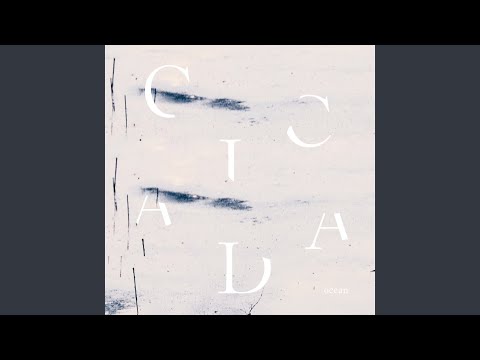
代表作であるアルバム『Ocean』は、構造的なデザインの見事な達成である。このアンサンブルは、海が持つ物理的なダイナミクス——冷たい底流、泡立つ潮、そして広大な開放感——を捉えている。雄大なアレンジは時に豊かで表現力に富んだクライマックスへと傾くこともあるが、その根底にある基盤は、現代ミニマリズムにおける引き締まった、規律ある実践であり続けている。彼らは、デジタルによる操作がなくとも、深く現代的な空間の感覚を生み出せることを証明しているのだ。

YouTube video

私のベストトラック

代表曲「into the ocean(匯流向海)」は、このアプローチの見事な手本である。楽曲は、沈黙を切り裂くような、極限までミニマルで結晶のようなピアノのループを軸に構築されている。絡み合う弦楽がついにこの硬質な枠組みを突き破るとき、その変容は驚くべきものだ——それはロマンティックなメロドラマに頼ることなく、洗練され鋭い切迫感を放ち、音の地平を瞬時に押し広げていく。

YouTube video

[.que]:ポップとポストクラシカル構造が交差するメロディ

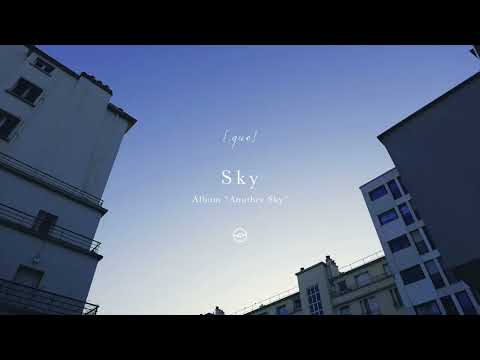
FujitaやCicadaが構造的な規律の空間を占めているとすれば、日本の[.que](柿本直)は、ジャンルの境界に挑む、生き生きとして高度にメロディックな対位法を持ち込む存在だ。一聴しただけでは、美しいピアノのメロディ、輪郭のはっきりしたアコースティックギター、そして有機的なドラムパターンが緻密に絡み合うそのスタイルは、「ポストクラシカル」という枠組みに収まるにはあまりにポップ寄りに感じられるかもしれない。

しかし、[.que]を単なるポップとして片付けてしまうのは誤りだろう。彼は重要でありながら、しばしば見過ごされてきた領域——現代ミニマリズムが持つ深い和声的な洗練を備えながらも、その繊細でインストゥルメンタルな性質ゆえにメインストリームのポップ・マシーンからは見過ごされてしまう音楽——を体現している。緻密に作り込まれたエレクトロニック=アコースティックの枠組みの中に、耳に残る歌のような旋律性を織り込むことで、[.que]は、現代的な空間が温かく、ノスタルジックで、そして間違いなくキャッチーでもあり得ることを思い出させてくれる。

YouTube video

YouTube video

Shuta Hasunuma:マキシマリストな自由の天才性

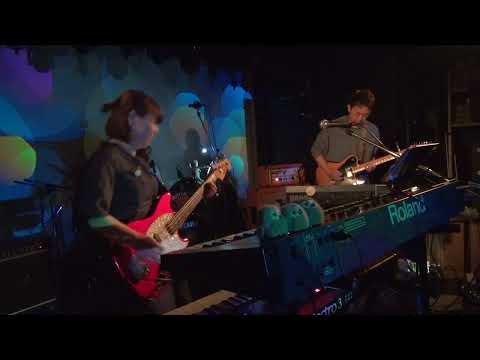
ジャンルについての注記:蓮沼執太はポストクラシカルの枠には収まりきらない。彼自身が「蓮沼執太フィルハーモニック・オーケストラ」を「現代版フィルハーモニック・ポップ・オーケストラ」と称しているように、その世界はポップ、ラップ、電子音楽をアコースティック楽器と自在に融合させるものだ。ここに彼を加えたのは、多様な楽器のための緻密なスコアを書く作曲家として、また大編成の集団的・多層的なアコースティック建築へのアプローチが、このリストの精神と深く共鳴するからである。

Fujitaが引き算の達人だとすれば、Shuta Hasunumaは集団的な調和を通じた音の究極的な解放を体現する存在だ。彼が率いる大編成の現代アンサンブル(蓮沼執太フィルハーモニック・オーケストラ)において、Hasunumaは木管・金管楽器から複雑なパーカッション、フィールドレコーディングに至るまで、驚くほど幅広いアコースティック楽器を操る。

彼の真の才能は、この膨大な数の声を、伝統的なクラシック編成が陥りがちな密集した、息苦しいほどの重みに堕することなくオーケストレーションできる手腕にある。代わりにHasunumaは、それぞれの楽器を独立した、呼吸する存在として扱い、それらを織り合わせて、驚くほど軽やかで透明感があり、間違いなく現代的なサウンドスケープを作り上げる。それは、労せずして成立しているように見えながら、きわめて人間的でもある複雑で多層的なアコースティック建築を、いかに構築するかを示す見事な手本だ——彼はもっと世界的に評価されてしかるべき、真のヴィジョナリーである。

彼のアプローチは、集団的な即興演奏が生む共同体的でポリリズミックな喜びを映し出している——複数の人間が音の中で絡み合う、混じり気のない純粋な恍惚を捉えているのだ。それはクラシックの規律についてではなく、集団的な解放についての音楽である。

私が一番好きなライブ映像はこちら YouTube video


木と金属、そして空間のあいだの静かな対話

Masayoshi FujitaとCicadaを同じ空間に置いてみると、そこには美しい音響的なコントラストが立ち現れる。Fujitaが、孤高の職人による冷たく金属的で意図的な孤立の中で作業するのに対し、Cicadaは、ともに呼吸し合う流動的で絡み合うアコースティックの流れを築き上げる。

西欧のポストクラシカル・ミュージックの踏み固められた道を超えて何かを求める人にとって、この二人のアーティストは、沈黙と構造、そして質感をいかに自在に操るかを示す見事な手本となるだろう。彼らこそ、新たな現代の古典なのだ。