What Inspired Me

unknown music lover from Japan. This blog wrote in both Japanese and English.

Description: Long before humans synthesized a waveform, the natural world had already mastered the mixing desk. Acoustic ecologist Bernie Krause observed that vocalizing organisms partition the frequency spectrum to avoid interfering with each other—an evolutionary form of multitrack recording. Two releases on the UK label Touch make this audible: Chris Watson's field recordings from the Holy Island of Lindisfarne, and a dense Thai rainforest soundscape that sounds indistinguishable from drone music. And then there is Fennesz, who arrives at the same sonic territory from the opposite direction—destroying a guitar with digital processing until what remains breathes like the earth itself.

For centuries, humanity has debated the origins of music. Is it a purely human invention, an abstract manifestation of mathematical beauty? Or is it, at its core, a sophisticated imitation of the natural world?

When we look at the field of acoustic ecology—specifically through the lens of Krause’s Biophony, which states that vocalizing organisms partition the acoustic spectrum into specific frequency bands to avoid competing with one another—nature reveals itself as the ultimate orchestral masterpiece.

Two profound works released by the legendary avant-garde label Touch perfectly illustrate this concept: Chris Watson’s In St Cuthbert's Time and Carl Michael von Hausswolff & Chandra Shukla’s Travelogue: Thailand. Both demonstrate that what we call “music” is already happening in the wild, perfectly harmonized through evolutionary design.

The Acoustic Niches of In St Cuthbert's Time

Chris Watson, a master of field recording and a founding member of Cabaret Voltaire, takes us to the Holy Island of Lindisfarne in In St Cuthbert's Time. The album is a sonic recreation of the seventh-century landscape.

What Watson captures is not a chaotic wall of noise, but a highly organized sonic architecture:

  • The Low-End: The rhythmic, heavy thrum of the North Sea waves acting as the rhythm section.
  • The Mid-Range: The distinct, melodic calls of wading birds and mammals, perfectly timed.
  • The High-End: The sharp, piercing cries of terns and gulls cutting through the wind.

Watson doesn't need to arrange these sounds; the animals have already arranged themselves over millennia. Each creature occupies its own frequency band to ensure its message is heard, resulting in a naturally occurring, flawless harmony.

YouTube video


Spatial Polyphony in Travelogue: Thailand

Shifting from the desolate British coast to the dense, humid tropics, Carl Michael von Hausswolff and Chandra Shukla’s Travelogue: Thailand offers a different perspective on nature's symphony.

In the tropical rainforest, the competition for acoustic space is fierce. Travelogue: Thailand captures a dense, almost electronic-sounding grid of noise:

  • Insects lock into precise, high-frequency oscillations that sound like analog synthesizers.
  • Amphibians hold down the lower-mid drone.
  • Birds pierce through the canopy with sharp, rhythmic punctuation.

Hearing this, the line between “natural soundscape” and “drone/noise music” completely blurs. The creatures of the Thai jungle are practicing a form of spatial polyphony, frequency-hopping just like modern telecommunication devices to avoid jamming each other's signals.

YouTube video

The Touch Phenomenon: More Than a Record Label

You cannot discuss these works without highlighting the singular importance of Touch, the UK audio-visual label founded in 1982 by Jon Wozencroft and Mike Harding.

Touch occupies a unique, almost sacred space in contemporary music. It is not merely an ambient or experimental label; it is a curator of focused listening.

Why Touch is Unique:

  • Elevating the Status of Sound: Touch treated field recordings not as “sound effects” or background textures, but as definitive musical compositions. They forced listeners to realize that a bird in a storm is just as virtuosic as a violinist in a concert hall.
  • The Multi-Sensory Philosophy: Through Jon Wozencroft’s striking, high-purity photography and meticulous typography on the album covers, Touch creates a physical gateway into the audio. The art reminds us that sound is deeply tethered to geography, ecology, and time.
  • Acoustic Ecology as Art: Touch bridged the gap between scientific acoustic ecology and high art, proving that nature's survival tactics—like frequency slotting—are the true blueprints for human minimalism, drone, and ambient music.

Fennesz: When Guitar Noise Becomes Environmental Sound

Fennesz—the Austrian artist Christian Fennesz—releases music on Touch that arrives at the same acoustic territory from the opposite direction. Where Watson and von Hausswolff capture the natural world directly, Fennesz destroys a guitar through layers of digital processing until what remains is indistinguishable from environmental sound: shimmering, breathing, alive. The instrument disappears. The earth remains.

YouTube video

Conclusion: The Ultimate Imitation

So, is music ultimately an imitation of natural environmental sounds?

Works like In St Cuthbert's Time and Travelogue: Thailand strongly suggest that the answer is yes. Long before humans synthesized a waveform or arranged a choir, the natural world had already mastered the mixing desk. The frequency bands were assigned, the tracks were panned across the horizon, and the volume was perfectly balanced for survival.

When we compose music, we aren't creating something from nothing. We are simply remembering the ancient, perfectly harmonized language of the earth—a language that Touch has spent decades beautifully documenting.

What do you think? When you listen to a synthesizer drone, do you hear a machine, or do you hear the ancient roar of a tropical insect choir?

To tourists, Japan looks like a flawless utopia. Trains run exactly on time, streets are spotless, and people are quiet, polite, and orderly. Foreign visitors marvel at this “beautiful harmony.”

But they rarely see the invisible mechanisms that produce this order. They don’t see the systemic violence of conformity that crushes anyone who doesn’t fit the mold.

As someone who grew up with neurodiversity (developmental differences) in this society, I know the true cost of Japan’s aesthetic perfection.

The Trauma of “Why Can’t You Just Be Normal?”

In Japan, the enforcement of order begins at birth. From early childhood, we are subjected to merciless manner education, often driven by intense maternal pressure to conform. My own childhood was a constant cycle of being severely disciplined by my mother and endlessly compared to others.

“Look at that child. Why can they do it, but you can’t?”

This single sentence is repeated in millions of Japanese homes. In a culture where “being different” is considered a defect, failing to read the room or sit still is treated as a moral failure. For a neurodivergent child, this constant comparison leaves your self-esteem completely shattered before you even become an adult. You learn to live in fear, constantly masking your true self just to survive.

The Workplace: A Matrix of Unwritten Rules

This hyper-strict upbringing seamlessly transitions into the adult workforce, where corporate rituals punish individuality.

Take “punctuality,” for example. Being on time doesn’t just mean showing up at the clock; arriving even one minute late is treated as a major character flaw and a breach of trust.

Then there is the infamous corporate ritual called Nemawashi (根回し) — the practice of laying informal groundwork before a meeting. In Japan, you cannot simply propose a brilliant new idea during a presentation. If you haven’t quietly spoken to every stakeholder beforehand to get their approval in private, your idea will be shot down. Innovation is secondary to maintaining the absolute hierarchy. You must never contradict your superiors.

Furthermore, you are expected to act in perfect synchronization with your colleagues at all times. If you don’t go out to lunch with the group, if you leave the office precisely when your shift ends while others are working overtime, or if you fail to decode the unspoken atmosphere, you are branded as KY (Kuuki ga Yomenai) — someone who “cannot read the air.” Once you get that label, your workplace relationships disintegrate, and you are quietly isolated.

The True Cost of Harmony

Japan is an incredibly difficult society to navigate if your brain is wired differently. The very things tourists love about Japan — the quiet trains, the uniform service, the predictable order — are sustained by the collective trauma of a population terrified of standing out.

Our society has mastered the art of hiding its casualties. Behind the beautiful, serene facade of Japanese order lies a grinding machine that demands total submission to the collective, leaving those who cannot conform to suffer in absolute silence.

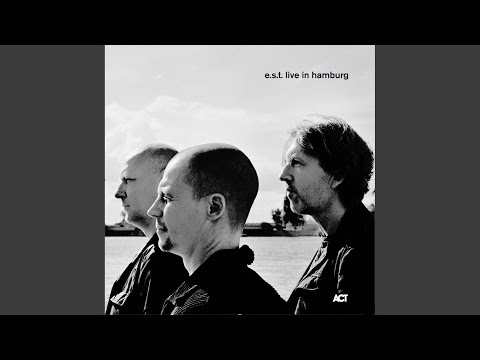
BBCのラジオ番組、Late Junctionから流れてきたその曲を、私は今でも覚えている。ジャズのピアノトリオなのに、どこかエレクトロニカのような質感があった。ビートが生ドラムなのに機械のような正確さを持ち、ベースがときにギターのように唸る。こんなジャズは聴いたことがなかった。翌日にはCDを買っていた。それがEsbjörn Svensson Trio、通称e.s.t.との出会いだった。

三人の出自と、それぞれが持ち込んだ音楽的背景

e.s.t.は1993年にストックホルムで結成されたスウェーデンのジャズピアノトリオだ。メンバーはエスビョルン・スヴェンソン(ピアノ)、ダン・ベルグルンド(ダブルベース)、マグヌス・エーストレム(ドラム)の三人。

スヴェンソンとエーストレムは幼なじみだった。スウェーデンの小さな町ヴェステロースで育った二人は、10代の頃からバンドを組んでいた。スヴェンソンの音楽的出自はクラシックとジャズの両方にあった。母親がクラシックピアニストで、父親はジャズ愛好家。少年時代にラジオでロックを聴きながら育ち、モンクを愛しつつも、その影響源はジャンルを超えていた。バンド名として仮に呼ばれていた曲のひとつが「Radiohead-Melody」だったことは、彼らの姿勢を象徴している。スヴェンソン自身も「三人ともRadioheadが大好きだ」と語っている。

エーストレムのドラムへの道は、兄のレコードコレクションから始まった。ジミ・ヘンドリックス、ディープ・パープル、オールマン・ブラザーズ、レーナード・スキナード。ロックで耳を育てた少年が13歳のときにビリー・コブハムとジョン・マクラフリンのコンサートを観て、ジャズロックに目覚めた。その体験がドラマーとしての彼の核にある。

ベーシストのベルグルンドもまた、根っからのハードロックファンだった。「ジミ・ヘンドリックスやリッチー・ブラックモアのように聞こえるように、ベースにボウとディストーションをかける実験を始めた」と本人が語っているように、彼のベースはジャズの文脈では異端の楽器だった。後にTonbruket結成後のインタビューでこう述べている。「新しいバンドにはギタリストがいるので、もはやe.s.t.のときのようにベーシストとギタリストを兼ねる必要がなくなった」──つまりe.s.t.では、ベースがギターの役割をも担っていたのだ。

生身の体が生み出した、打ち込みのような音

e.s.t.のサウンドを唯一無二のものにしたのは、この三つの異なる音楽的背景が衝突し、溶け合った結果だった。

エーストレムはブラシの毛先でスネアを叩いてポップスのリズムサンプルを模倣したり、エレクトロニック・トリガーを使ってサウンドのテクスチャを拡張したりした。生ドラムなのにプログラムされたビートのような正確さと有機的な揺らぎが共存するあの質感は、ロックで耳を鍛え、ジャズロックで目覚めた打楽器奏者が、エレクトロニカのグリッド感覚を生身の体で再現しようとした結果だった。

ベルグルンドはダブルベースにディストーション、ファズ、ディレイをかけ、ときに弓で弾いてギターのように鳴らした。ジャズの文脈では邪道とも言えるこのアプローチが、e.s.t.のサウンドにロック的な質感と推進力をもたらした。

そしてスヴェンソンのピアノ。クラシックの構築性とジャズの即興性、そしてポップスのメロディーセンスを併せ持つそのプレイは、エーストレムのリズムとベルグルンドのベースが作り出す「ジャズではない何か」の上に、確かにジャズとして着地した。

YouTube video

ライブで火がついた国際的なブレイク

e.s.t.はスウェーデン国内では早くから評価されていたが、国際的なブレイクは1999年のモントルー・ジャズフェスティバルでのACTワールドジャズナイトの出演がきっかけだった。それを機にACTレーベルからスカンジナビア以外の地域にもアルバムがリリースされ、ヨーロッパ全土へと活動の場を広げた。

彼らの戦略は徹底的なライブだった。年間ほぼ100日をツアーに費やし、ジャズクラブだけでなくロック志向の会場でも演奏した。照明効果やスモークマシンを使ったステージ演出は、ジャズの観客だけでなく、若い層に届くことを意識したものだった。

ロンドンでは、ディーン・ストリートの小さなPizza Express Jazz Clubからスタートし、徐々に観客を増やしてコンサートホールを満員にするまでに成長した。Late Junctionのような実験音楽系ラジオ番組を通じてジャズ層以外にも届いていったことも、この時期の重要な経路だった。

2002年のアルバム『Strange Place for Snow』はドイツ・ジャズ賞、フランスのヴィクトワール・デュ・ジャズ(フランス版グラミー賞)最優秀国際アクト賞など多くの賞を受賞し、e.s.t.の名前をヨーロッパ中に知らしめた。2006年にはアメリカのジャズ専門誌Downbeatの表紙を飾った、初のヨーロッパ出身バンドとなった。

到達点としての『Seven Days of Falling』

2003年の『Seven Days of Falling』は、e.s.t.のサウンドが完成した作品だ。エレクトロニカとジャズとロックが完全に溶け合い、どのジャンルにも収まらない独自の音楽として結晶した。

エーストレムのドラムはこのアルバムでより大胆に「打ち込みのような」質感を追求し、ベルグルンドのベースはさらに自由にギターとベースの境界を越える。スヴェンソンのピアノは美しいメロディーを保ちながら、その下に複雑なリズム構造を隠している。

多くの批評家がe.s.t.を「ジャズを知らない人が初めてジャズを好きになる入口」と評したのはこの時期からだ。通常のジャズアルバムの三倍の売上を記録し、普段はジャズを聴かない若い聴衆がライブ会場を埋めた。

YouTube video

比較という誘惑 ── Nils Petter Molværとの違い

同時代のミュージシャンとして、e.s.t.と並べて語られることがあるのがノルウェーのトランペット奏者、ニルス・ペッター・モルヴェルだ。ECMというレーベルは、静謐なチェンバー・ジャズの牙城として知られていたが、モルヴェルは1997年の『Khmer』と2000年の『Solid Ether』でその常識を覆した。特に『Solid Ether』は打ち込みビートがより前面に出た作品で、冒頭曲「Dead Indeed」はほぼすべてモルヴェル自身によって演奏・プログラムされている。ジャズの枠をはるかに超えた批評的な評価を受け、ECMの新たな聴衆層を開拓した。

しかし根本的な違いがある。モルヴェルはコンピュータとサンプラーを自ら操作し、電子的に生成されたビートの上にトランペットを重ねる。それは優れた方法論だが、e.s.t.のアプローチとは出発点が異なる。

e.s.t.が生み出したものは、生身の人間の体がエレクトロニカのグリッドを模倣し、それを超えようとした結果だった。機械を使わずに、ロックとジャズとエレクトロニカを生楽器だけで融合させる──その奇跡を、三人の人間が体で実現した。

突然の終わり

絶頂期にあった2008年6月14日、スヴェンソンはストックホルム郊外のイングアロー島近海でスキューバダイビング中に事故死した。44歳だった。同行していたのは彼の14歳の息子を含むダイビング仲間たちで、海底で意識を失った彼を発見した。

残されたベルグルンドとエーストレムは、スヴェンソンの代わりに別のピアニストを加えてバンドを続けることは不可能だと判断した。e.s.t.はそこで終わった。

その後、二人はそれぞれ別のプロジェクトで活動を続けている。ベルグルンドはTonbruketを結成し、エーストレムはソロ活動を経てRymdenを立ち上げた。しかしe.s.t.というバンドは、もう存在しない。

誰も乗り越えていない奇跡

後続のミュージシャンたちはe.s.t.のサウンドから何かを受け取り、自分たちの音楽に活かそうとした。しかしその家を完全に建て直すことはできていない。

生ドラムと生ベースと生ピアノだけで、エレクトロニカとロックとジャズを融合させるあのサウンドは、三人の特異な音楽的背景と長年のアンサンブルが作り出した、再現不可能な化学反応だった。

今から二十年以上前のアルバムを聴いても、e.s.t.のサウンドは古びない。それはこの音楽が特定のジャンルや時代の流行に乗っていたからではなく、人間の体と楽器が作り出せる何かの限界に触れていたからだと思う。

その奇跡は、まだ誰も乗り越えていない。

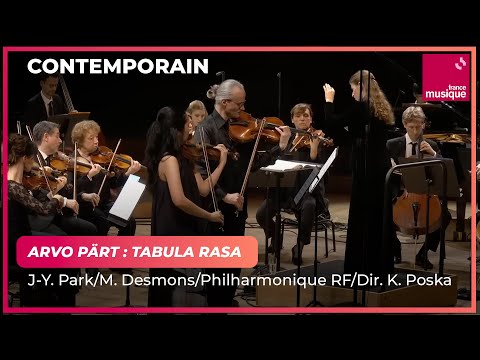
In the world of contemporary classical music, if you were to ask who the most widely heard and deeply loved composer is today, the name Arvo Pärt stands at the absolute pinnacle.

In fact, he holds a very special place in my heart as my second favorite classical musician of all time.

Here is a look at just how legendary this aesthetic master is, and how his masterpiece, Tabula Rasa, continues to echo across global media and concert halls.

YouTube video

1. The Living Legend: Just How Important is Arvo Pärt?

Contemporary classical music often carries a reputation for being overly complex or difficult to digest. Arvo Pärt shattered that stereotype. By stripping away musical excess, he created his own unique style known as “tintinnabuli” (Latin for “little bells”)—a minimalist, deeply spatial sound that completely redefined the genre.

Formal Education and a Thorough Exploration of the Avant-Garde

The depth of Pärt's music cannot be understood without acknowledging his formal training and his exhaustive firsthand engagement with the full spectrum of 20th-century compositional technique.

From 1957 to 1963, he studied composition at the Tallinn Conservatory under Heino Eller. But his exploration went far beyond conventional training. During his first creative period (1958–1968), he systematically worked through every major technique of the European avant-garde: twelve-tone serialism (the method developed by Schoenberg), aleatoricism (chance-based composition), collage technique, and sonic field composition. His Nekrolog (1960) was the first serial work written in Estonia and brought him his first international recognition from the West.

This path, however, led to an impasse. After his Credo (1968) was banned by Soviet authorities, Pärt entered nearly eight years of near-silence. During this period he immersed himself in the study of 14th–16th century choral music, Gregorian chant, and the origins of Renaissance polyphony. Having absorbed the most advanced techniques of modernism to their limits, and then turned back toward the ancient roots of Western music, he arrived in 1976 at the tintinnabuli style.

The profound stillness of Pärt's music is the product of a journey few composers have made: mastering the cutting edge of musical modernism, then consciously relinquishing it in pursuit of something more essential. It is this unparalleled musical biography that gives his simplicity its extraordinary depth.

Objective Data Confirms a Global Impact

His global impact is backed by staggering, objective data:

  • Dominating the “Most Performed Living Composer” Charts According to Bachtrack, the definitive classical music statistics site, Pärt held the title of the world's most performed living composer for eight consecutive years (2012–2019). Even today, he consistently ranks at the very top alongside cinematic titans like John Williams. His scores are studied and performed by orchestras in every corner of the globe.
  • The ECM Label Phenomenon When Manfred Eicher, the founder of the prestigious ECM Records, first heard Pärt's music over a car radio, he was so profoundly moved that he tracked Pärt down to bring his music to the world. Since then, Pärt's albums have become the definitive flagship of ECM New Series, routinely topping classical and crossover charts worldwide.

2. A Masterpiece Dominating Global Media: Tabula Rasa

Composed in 1977, Tabula Rasa (Latin for “Clean Slate”) is arguably one of the most significant, heavily rotated, and iconic pieces of the last fifty years. Its reach extends far beyond traditional concert halls, seamlessly embedding itself into modern culture.

Ubiquitous Radio Airplay and Streaming

Step into any major classical radio station worldwide—whether it is BBC Radio 3 in the UK or WCRB in the United States—and you are highly likely to hear Tabula Rasa or Spiegel im Spiegel. They are the gold standard for “ambient, deep-focus music.” On streaming platforms like Spotify and Apple Music, these tracks are permanently featured on editorial playlists for meditation, focus, and modern minimalism, amassing millions of streams daily.

The Ultimate Sound of Contemporary Cinema and Art

The tension, silence, and structural weight of Tabula Rasa have made it a favorite tool for visionary filmmakers and artists.

  • Cinema: Famously utilized by Jean-Luc Godard in Nouvelle Vague, and featured heavily in modern cinematic works like A Ghost Story.
  • Media & Dance: It is routinely chosen by elite choreographers for contemporary dance and used as the sonic backdrop for high-end minimalist art installations.

Whenever a creator needs to convey an unspeakable depth of human emotion or a breathtaking stillness, the global media landscape turns to Tabula Rasa.

3. Why It Connects: A Personal View

As someone who places Pärt as my second favorite musician, what fascinates me most is the impeccable structure, rhythm, and profound economy of his music.

Listening to Tabula Rasa is a masterclass in architectural beauty. Every single note, every pause, and every shift in rhythm is precisely calculated; there is absolutely zero waste. It delivers the same intellectual and aesthetic satisfaction as looking at a flawlessly written piece of software code or a pristine piece of contemporary abstract art.

In a world full of chaotic noise, Pärt's music continues to dominate the airwaves because it offers the one thing modern listeners desperately crave: an authentic, uncompromising return to silence.

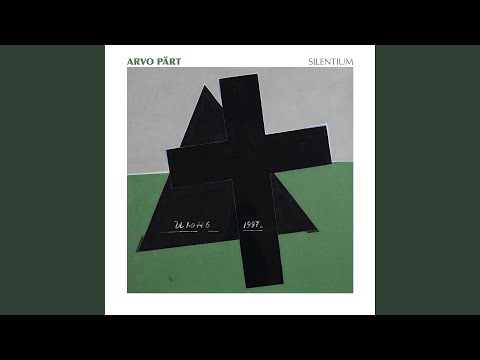
Best I love from his music is this recording of “Silentium” from Tabula Rasa. This piece is really slowly played and the prepared piano sounds like a bell. It's the main reason I like it best.

YouTube video

概要: 壮大なクライマックスも、わかりやすいフックも存在しない。高木正勝の即興ピアノ・シリーズ(最新作『Marginalia VIII』へと連なる作品群)は、指の間をすり抜ける水のように流れ去り、決して「楽曲」として完結することを拒む。彼は山深い兵庫の自宅で、窓を全開にして鳥や虫や雨とともに録音する。この記事では、西洋音楽が「時間を構造に閉じ込める建築」であるとすれば、高木正勝の音楽がいかに「時間そのものが過ぎ去ること」を音にしているか——その非西洋的・アニミズム的な本質を考える。

高木正勝はいかにして非西洋的でアニミズム的な音風景を喚起するのか

高木正勝は、細田守監督『おおかみこどもの雨と雪』の「Kito Kito」をはじめとする、深い情感を湛えた映画音楽の作り手として広く知られている。しかし、映画的な物語性を取り払い、彼のライフワークとも言える即興ピアノ・シリーズ——最新作『Marginalia VIII』へと連なる一連の作品——にじっくり耳を傾けるとき、私たちは美しくも鮮烈な戸惑いに直面することになる。

そこには壮大なクライマックスも、わかりやすいフックも存在しない。代わりに私たちが出会うのは、絶えず形を変えながら、指の間をすり抜ける水のように流れ去っていく、密度の高い、きらめく音の奔流である。

聴き手を導くことを拒むこの姿勢——その根底にある情緒的な距離感こそが、高木正勝を、現代のアンビエント/実験音楽シーンにおいて最も深く非西洋的で、伝統的な日本性を体現する作家たらしめている。彼の音楽はクラシックの影響やジャズの影響が全く見られない。だから、こうして別の記事にした。

YouTube video

構造と反復からの解放

西洋音楽の歴史とは、本質的には建築の歴史である——時間を捕捉し、区切り、構造という檻に閉じ込めようとする試みだ。マックス・リヒターのようなポストミニマリズムの代表的存在を考えてみてほしい。彼らの作品がどれほど静謐でアンビエントに響こうとも、その根底には堅固な構造的パターンと、執拗な反復(ループ)が横たわっている。聴き手はこの計算され尽くした美しい建築物に進んで身を委ね、そこに情緒的な安心感を見出すのだ。

自由こそが至上であるかに見えるジャズの即興演奏の世界でさえも、その演奏はコード進行、テンポ、身体的なシンコペーションといった共有された言語的コードによって統御されている。

高木の近年の即興演奏は、このいずれの設計図も捨て去っている。彼の指が紡ぎ出す音の糸は、ジャズの身体的グルーヴも、西洋クラシック音楽の形式的な目的論も、ともに拒絶する。それは文字通り流動的な状態——川のように流れ、一つの動機にとどまることなく、定型化された「楽曲」として商品化される暇すら与えないメロディなのだ。

不在の自我がもたらす、遠い慰め

なぜ彼の音楽はこれほどまでに美しく捉えどころがなく、どこか超然として響くのだろうか。それは、高木がピアノの前に座るとき、「人間の感情を表現する」という自我的な衝動を完全に手放してしまうからだ。

兵庫県の山深い土地に暮らす高木は、窓を全開にしたまま録音を行い、周囲の環境そのものを創作のプロセスへと招き入れる。鳥の鳴き声、虫の羽音、雨が刻むパターン——彼はそれらとともにセッションする。この音響的な生態系の中で、ピアノはもはや主役ではなくなる。それは、人間以外の存在からなる巨大なアンサンブルの中の、一介の仲間へと格下げ——あるいは格上げ——されるのだ。

自然は一定のテンポで動くわけでも、劇的な物語の起伏を気にかけるわけでもない。世界の周囲に満ちる摩擦を音へと翻訳する生物的な媒体として振る舞いながら、高木はまるで自動筆記のように即興を行う。

人間中心のメッセージや手軽な感情的カタルシスを期待して彼の音楽に近づく者は、この徹底した自我の不在によって、やんわりと拒まれることになるだろう。しかしこれこそが、自己を自然の支配者としてではなく、自然と分かちがたい一部として捉える、極めて日本的でアニミズム的な音との関係性の本質なのである。

生活空間を、山の聖域へと変容させる

高木の音楽は、オーディオのスイートスポットに座って分析的に聴くようにはできていない。それが求めるのは、呼吸することのできるオーディオ環境である。

彼の音の密度、タッチの微細なニュアンス、そして背景に潜む生態系のざわめきを的確に再現できるシステムで再生されるとき、リスニングルームの境界は溶け始める。スピーカーから流れ落ちるピアノの音と、実際に自分の窓の外を吹き抜ける風とが、不意に一つの、継ぎ目のない現実として溶け合っていくのだ。

これは消費されるためのポップ・ミュージックでも、分析されるためのアカデミックな現代音楽でもない。それは、無頓着に、そして美しく過ぎ去っていく時間そのものの、贅沢で野生的な響きなのだ。

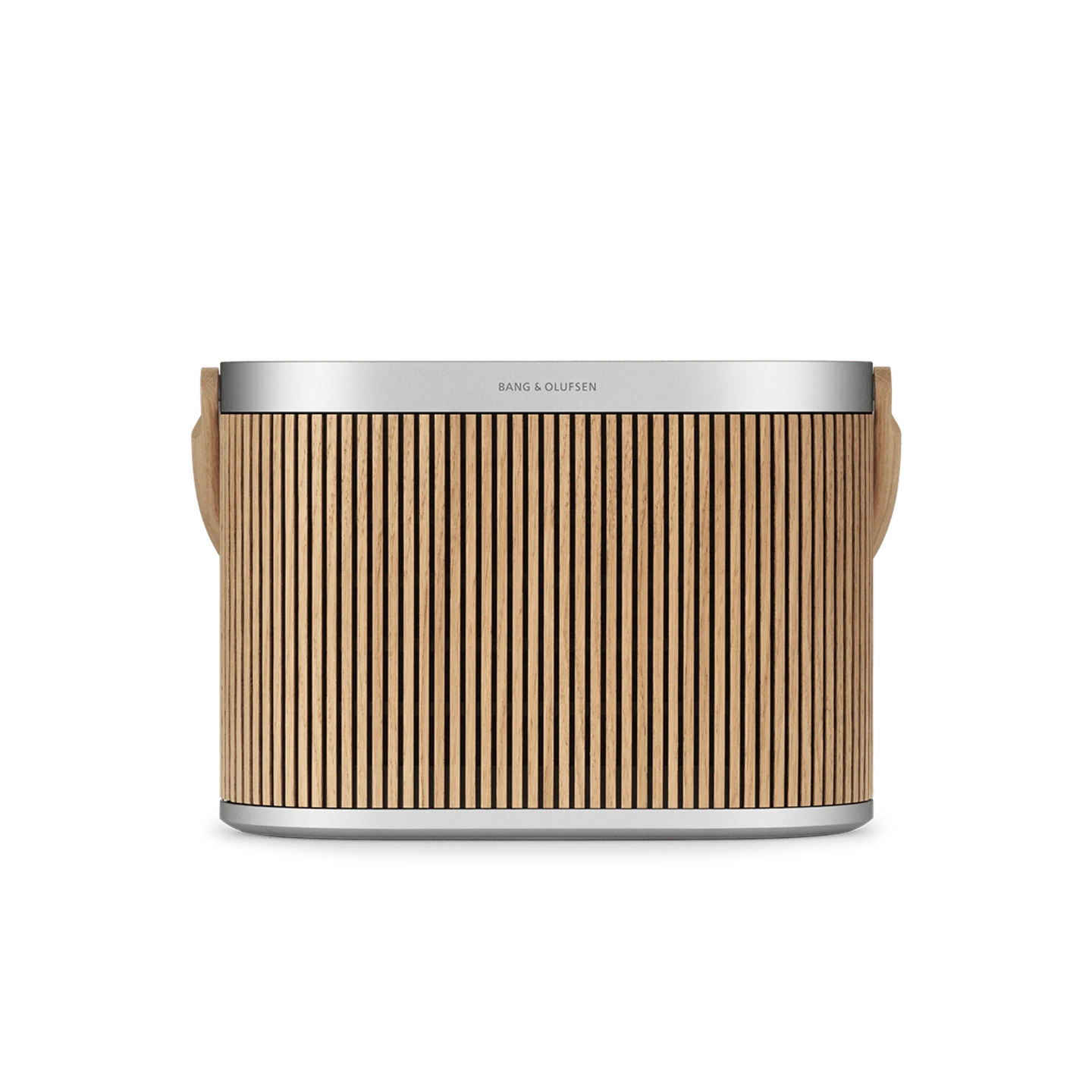
みなさんはスピーカーに何を使っていますか?私が愛用しているのは、Bang & OlufsenのBeosound A5です。

ただし、正直に言うと最初の印象は違った。箱から出して最初に鳴らしたとき、高音と低音が強調されたいわゆるドンシャリ型の音に聞こえ、このスピーカーの評判と自分の耳の感覚が一致しなかった。ところが数十時間ほど鳴らしていくうちに——いつからとは言えないが——低音域から高音域までのつながりが非常に滑らかになり、印象がガラリと変わった。これがエージング(慣らし運転)による変化なのか、耳が慣れたのかは断言できないが、いずれにせよ今の音には満足している。購入直後に判断を急がず、しばらく鳴らし続けることをすすめたい。

デンマークの老舗オーディオブランドBang & Olufsenが2023年にリリースしたポータブルスピーカー、Beosound A5。価格は25万円を超える。ポータブルスピーカーとしては異例の価格帯だが、このスピーカーには納得させるだけの理由がある。

Beosound A5

スペック

ドライバー5.25インチ ウーファー×1、2インチ フルレンジ×2、3/4インチ ツイーター×1
アンプクラスD 70W×4(合計280W)
周波数特性32Hz〜23,000Hz
接続Wi-Fi 6、Bluetooth 5.3、AirPlay 2、Chromecast built-in、Spotify Connect
バッテリー連続再生約12時間、充電約3時間
防水・防塵IP65
サイズ28.5×18.7×13cm
重量約3.7kg

音の話

32Hzから23,000Hzという広い周波数特性を、合計280Wのクラスアンプが駆動する。このサイズのポータブルスピーカーとしては破格のスペックで、低域の沈み込みから高域の繊細な表現まで、音域の全体を過不足なく鳴らす。

普段はポストクラシカルや環境音楽、アンビエントを中心に、ポストロック、アンビエントテクノ、現代ジャズまで幅広く聴いている。繊細な音楽ほどスピーカーの素直さが問われるが、Beosound A5は余計な色付けをせず、録音に込められたニュアンスをそのまま届けてくれる。ポストロックの轟音も、テクノの低域の圧も、ジャズのシンバルの倍音も、同じ一台で破綻なく鳴らせる。

全音域にわたってフラットに近い特性を持つため、楽器を弾くときのモニタースピーカーとしても十分に機能する。USB-C端子経由でPCに接続してオーディオ出力として使うことも可能で、ワイヤレス接続に縛られない柔軟な使い方ができる。

BluetoothとWi-Fi——接続方式で音質は大きく変わる

Beosound A5はBluetoothとWi-Fiの両方に対応しているが、接続方式によって音質に大きな差が生じる。

Bluetoothはそもそも帯域が非常に狭い。プロトコルのオーバーヘッドを差し引いた実効帯域は1Mbps以下で、CDクオリティ(16bit/44.1kHz)の非圧縮ストリームが必要とする1,411kbpsにすら届かない。そのためBluetoothで音声を送るには必ず非可逆圧縮が入る。iPhoneが対応するのはSBCと最大256kbpsのAACのみで、AndroidやソニーデバイスがサポートするLDAC(最大990kbps)やaptXには対応していない。つまりiPhoneからBluetoothで送った時点で、音源のクオリティに関わらずAAC 256kbps相当に劣化する。

一方Wi-Fi接続では帯域の制約がほぼなく、音声データをそのまま送ることができる。AirPlay 2は24bit/48kHzまでのロスレス伝送に対応しており、ALAC(Apple Lossless)のファイルを劣化なく届けられる。Chromecast built-inはさらに24bit/96kHzまで対応するが、iOSのApple Musicアプリには現時点でCastボタンがなく、AndroidかPCからでないと利用できない制約がある。

Wi-Fi接続とBluetooth接続の差は「好みの問題」ではなく、数字で裏付けられた音質の差だ。せっかくロスレス音源を持っているなら、Wi-Fi接続で聴くことを強くすすめる。

(ちなみにBluetoothスピーカーでaux接続があるものがお使いの方は、今すぐaux接続に切り替えることをお薦めする。コードが邪魔になっても、それだけBluetoothは音の面で劣る。)

セパレートスピーカーなしで部屋が鳴る理由

Beosound A5はモノラルの一体型スピーカーだが、セパレートのステレオシステムがなくても部屋全体が音で満たされる感覚がある。これは背面に配置された2基のフルレンジドライバーによるものだ。

仕組みはこうだ。前面にウーファーとツイーターを配置し、背面の左右コーナーに2インチのフルレンジドライバーを2基追加することで、音が前方だけでなく後方・側方にも放射される。後方に向かった音は壁や天井に反射して部屋中に広がり、スピーカーの位置を意識させない「空間に満ちた音」として聴き手に届く。これが360度サウンドと呼ばれるOmniモードの原理だ。

通常のステレオスピーカーは左右のスピーカーの中間に定位した音像(スイートスポット)を作り出す。正確な音場再現という点ではそちらが優れているが、部屋のどこにいても均質に音が届くわけではない。Beosound A5のOmniモードは音場の厳密な再現よりも「空間全体への拡散」を優先した設計で、どの位置に置いても、どの角度から聴いても音が自然に届く。

B&OアプリではOmniモードと前方指向のFrontモードを切り替えられる。じっくり聴き込みたいときはFrontモード、部屋全体に音楽を流したいときはOmniモードと使い分けられる。私は普段Omniモードで使っている。一台で部屋ごと鳴らせるこの感覚が、セパレートシステムへの未練を感じさせない。

小型で、バッテリーで動く

このスピーカーを選んだ理由のひとつが、持ち運びの自由さだ。木製のハンドルを持てば家中どこへでも運べる。寝室に持ち込んで、バッテリー駆動で音楽を聴きながら眠る——そういう使い方ができる。コンセントや配線の都合に縛られない。

IP65の防水・防塵性能を備えているので、屋外に持ち出すこともできる。

試聴するなら、この一曲を

購入を検討している方には、ぜひB&Oのショールームに足を運んで試聴してほしい。

そのときに持っていく音源として、Max Richterの「Shadow Journal」をおすすめしたい。低域から高域まで広い音域を使った録音で、弦の繊細なテクスチャーと重厚な低音が同居している。このスピーカーが全音域にわたって均質に、かつ力強く鳴らせることを、よく確かめられる一曲だと思う。

YouTube video

デザインと長期的な付き合い

Beosound A5のデザインはデンマーク・イタリアのデザインユニットGamFratesiによるもので、1960年代のB&O製品から受け継いだ丸みと木のハンドルが特徴的だ。

私はOakモデルを使っているが、木材部分の美しさは高級家具に近い。この木製ハンドルとカバーはデンマークの家族経営の木工工房で一点ずつ手仕上げされており、量産品にはない個体ごとの木目のゆらぎがある。B&O自身も「完全な均一性は人工的に見える」として、あえて木目の自然な差異を活かす方針をとっている。精密ミリングされたアルミフレームと手仕上げのオーク材の組み合わせは、音を出す道具というよりインテリアの一部として部屋に置ける佇まいをつくっている。

また、モジュラー設計により部品交換やソフトウェアアップデートで長く使い続けられる設計になっている。「高い買い物を長く使う」という思想がスピーカー本体の設計にも反映されている点が、このブランドらしいと感じる。

買い替えるのではなく、育てていく道具として。そういう意味でも、Beosound A5は私の音楽生活に馴染んでいる。

In a world dominated by loudness and shifting trends, true genius often resides in the quietest corners. Some musicians create worlds so fragile yet so structurally resilient that their music refuses to age. While they may not have conquered the mainstream charts of their time, their work remains fully realized, pristine, and breathtakingly relevant today.

Here are three underappreciated female artists whose minimalist, fiercely controlled vocals and striking sonic landscapes demand to be rediscovered.

1. Vashti Bunyan

The Untouched Pioneer of Whispering Folk

In 1970, Vashti Bunyan released Just Another Diamond Day, an album born from a slow, horse-drawn journey through the British countryside. Ignored upon release, leading Bunyan to walk away from the music industry for decades, the album has since become a mythical blueprint for freak-folk and baroque-pop.

Her voice does not fight the acoustic arrangements; instead, it floats like a delicate mist over fragile acoustic guitars, mandolins, and strings. It is a masterclass in the power of under-singing—proof that a whisper, when entirely pure and sustained, can outlast the loudest roar.

Listen on youtube:“Just Another Diamond Day”

YouTube video

She's music is forgotten in lots of long time. But talented musicians revaluation she's music. So she come back and make a few albums.

YouTube video

2. Stina Nordenstam

Sweden's Stina Nordenstam is an enigmatic force whose 1990s masterpieces, such as Memories of a Color and And She Closed Her Eyes, redefined the boundaries of avant-pop and vocal jazz. Often associated with a striking, childlike whisper, Nordenstam's voice possesses a deceptive, razor-sharp strength.

Set against rich, organic jazz double-basses, subtle horns, and unpredictable avant-garde arrangements, her voice never gets buried under the instrumentation. She commands the space between the notes, utilizing silence and restraint as physical textures. Her refusal to conform to traditional pop vocal dynamics makes her work feel completely detached from time.

Listen on youtube: “Memory of Color”

YouTube video

3. Susanna (Susanna and the Magical Orchestra)

The Cold Blue Light of Nordic Restraint

Deeply rooted in a jazz upbringing and releasing pivotal early work on the avant-garde Norwegian label Rune Grammofon, Susanna Wallumrød (along with keyboardist Morten Qvenild in their Magical Orchestra project) perfected the art of the sonic chill.

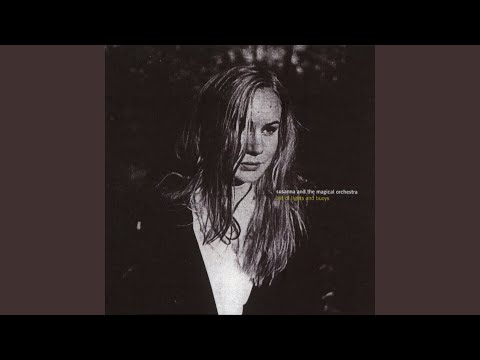
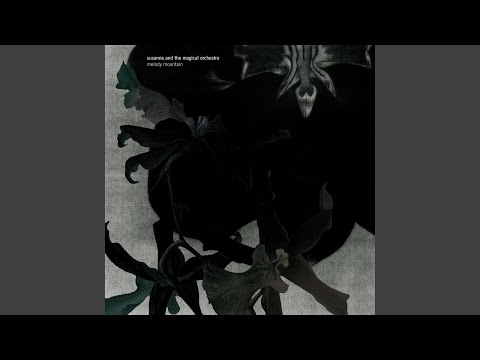
Whether navigating the icy, minimalist electronica of List of Lights and Buoys or stripping down iconic rock songs to their bare, acoustic skeletons on Melody Mountain, Susanna's vocal tone is a marvel of absolute control. Her delivery is cool and detached, yet anchored by an undeniable inner gravity. Like the spiritual lineage of ECM records, her music treats silence not as emptiness, but as the most beautiful sound next to a singular, piercing voice.

Key Track: “Who Am I” (Susanna and the Magical Orchestra)

YouTube video

Why she is well known

she's album is released from nordic minor label or jazz around label like Runa Gramfom. So she's music is not hear without nordic pop music listner. But she's talent is genius

YouTube video

description Why does repetition—the thing we're taught to avoid in composition—have the power to alter consciousness? Steve Reich's phasing technique and Berlin techno share the same underlying neurological mechanism: when a pattern loops with microscopic variation, the brain stops tracking it as sequence and starts inhabiting it as space. This piece traces the genealogy of that discovery, from Reich's tape-loop experiments in the 1960s through the architecture of Tresor and Berghain, and asks what it tells us about how music bypasses the thinking mind to act directly on the body.

Sitting still in a room and listening, it can sound almost boring. An ascetic, unrelenting repetition that refuses melody and dramatic chorus at every turn. But what if this sound — hovering just one step short of tedium — were actually a terrifying machine for overturning three centuries of European orchestral tradition and directly hacking the listener's cognitive system?

Steve Reich, one of the towering figures of contemporary classical music, and Ellen Allien, the queen who has kept Berlin's underground shaking for decades. Two artists from entirely different worlds and eras, yet both arrived — each by their own route — at the same destination: the transformation of perceptual flow, and the architecture of trance. Follow the thread far enough, and an invisible line connecting them comes into view.

1. A Revolution Born from Two Tape Recorders: Steve Reich's Background

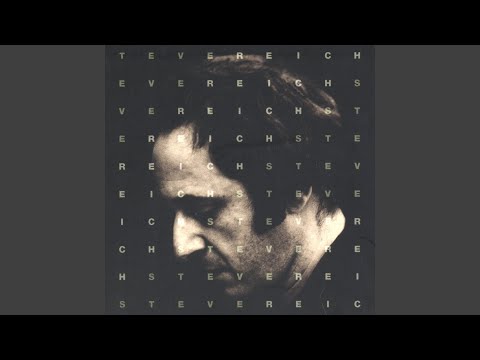
Born in New York in 1936, Steve Reich was one of the pioneers of minimalism — a composer who turned sharply away from the direction postwar contemporary music was heading, toward ever more complex, quasi-mathematical avant-garde forms like atonalism and serialism. La Monte Young, Terry Riley, and Philip Glass were all working in the same current, but Reich stood out among them for his singular obsession with physical pulse.

His background was academically elite — philosophy at Cornell, composition at the Juilliard School and Mills College — yet it was always bound to the body. At fourteen, hearing Kenny Clarke play for the first time, he was seized by percussion. He went on to study with the great local drummer Roland Kohloff, who would later become principal timpanist of the New York Philharmonic. His subsequent fieldwork in Ghana studying African drumming and in Bali studying the ritual loop structures of gamelan became the very marrow of his music.

From Tape Phase-Shifting to Music for 18 Musicians

In the mid-1960s, before electronic instruments and synthesizers had entered the mainstream, Reich stumbled upon what would become the central discovery of his musical life — phasing — through an accidental equipment error.

In his early experimental works It's Gonna Rain (1965) and Come Out (1966), he ran the same recorded fragment of voice on two open-reel tape recorders simultaneously. The machines, each slightly different in manufacture, drifted by milliseconds, and the phase relationship between the two loops gradually shifted apart.
YouTube video

[Reich's Tape Hack]
Loop A: [■■■■■■■■]
Loop B: [ ■■■■■■■■]  ← running fractionally slow, drifting out of phase

What Reich witnessed was something close to a glitch in the brain itself. As the same sound overlapped out of sync, the gaps between sounds began to interlock — and phantom melodies and rhythms that were never recorded on the tape at all began playing unbidden inside the listener's mind. Confronted with an unpredictable pattern of drift, the brain attempts to fill the gaps, spontaneously generating sounds of its own.

This is not mere auditory illusion. A brain that has been exposed to steady repetition over-adapts, trying to predict the pattern ahead — and when an unexpected shift is introduced into that flow, perception itself is rewritten, and a soundscape that doesn't exist in physical reality suddenly materializes. This transformation of perceptual flow is the fundamental mechanism by which Reich's music draws listeners into a trance.

The radical upscaling of this discovery — using not tape machines but human bodies and acoustic instruments — became his masterwork, Music for 18 Musicians (1976).

By the way, for those looking to experience this pulse-driven brain hack first-hand, the recording by the Colin Currie Group comes highly recommended. Reich himself famously praised their performance as being even more flawless and dynamic than his own ensemble’s original recordings. It perfectly captures an exacting, stoic precision and a stunningly resonant beauty capable of jolting the mind awake. YouTube video
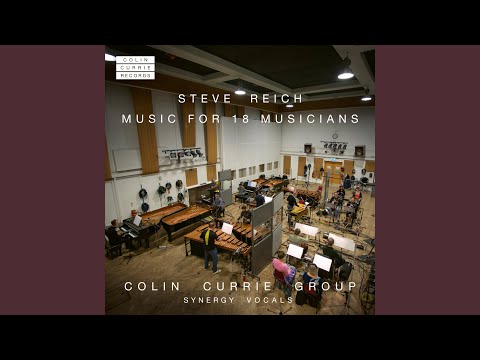
For nearly an hour, eighteen musicians — marimba, piano, strings — pulse incessantly, producing phasing by hand. By stripping the intellect of any opening to be moved by grand melody and locking the listener into a sustained pulse, the brain is drawn inexorably into a trance state. Reich found a form of hacking: shift the same thing, and new life emerges from the spaces between.

This work would later be cited as a direct source for the ambient trance music pioneered by Orbital, Aphex Twin, and The Orb. The circuit Reich discovered — perceptual transformation through repetition — already carried within it the seeds of what would eventually flow into techno.

Orbital live: YouTube video

2. Industrial Ruins: The Stagnation That Cradled Berlin Techno

The trance gene that Reich had sounded in concert halls crossed an ocean and, in the 1990s, detonated in a very strange city — in a very different form. That detonation was the birth of Berlin techno.

Music culture blooms not in times of prosperity and satisfaction, but when society is grinding to a halt — when a suffocating sense of a closed future hangs in the air, and people's bottled frustration becomes fuel. Just as punk rock and Joy Division were born from the despair of late-1970s British industrial towns, Berlin in the 1990s was saturated with its own specific atmosphere of stagnation.

In November 1989, the Berlin Wall fell. Reunification looked, on the surface, like a jubilant happy ending — but the economic reality was chaos and paralysis. State enterprises in the East collapsed in rapid succession, unemployment flooded the streets, infrastructure and industry ground to a halt. An anxiety about which way things would fall covered everything.

But this industrial shutdown created, for music, a miraculous dead zone.

On the former East Berlin side, vast ruins with no clear owners — underground vaults, abandoned power plants, cavernous concrete-and-steel shells — sat untouched. With industry collapsed and property values in freefall, rent in Berlin was absurdly cheap, or spaces could simply be occupied. Young people had time to spare.

Anarchic young people who hated the old European orchestral tradition — the idea of being a slave to scores and harmony — and who had dropped out of the grind-and-work system gathered in those ruins and flipped the switch on cheap drum machines. No jobs, no money — but as night fell, in cold concrete spaces, they danced until morning under relentless electronic four-to-the-floor kicks. That brutal, industrial techno low-end developed as a kind of raw, bodily prayer — the force required to break through the darkness of social stagnation.

And here is what matters: they arrived — almost certainly without knowing it — at exactly the same principle as Reich. The unceasing four-four pulse locks the listener's brain into a kind of predictive mode. The moment a minute variation is inserted into that locked flow, perception wavers and the door to trance opens. What Reich had discovered experimentally through tape drift, the floors of Berlin were reinventing through flesh and movement.

The greatest public spectacle Berlin techno ever produced was the Love Parade. Initiated in July 1989 by DJ and producer Matthias Roeingh — known as Dr. Motte — the event began as a political demonstration: 150 people taking to the streets in the name of peace and international understanding through music. Through the 1990s it grew explosively, and by 1999 it had become the largest dance music event the world had ever seen, with 1.2 to 1.5 million ravers filling Berlin's streets. The sight of an endless human mass dancing from the Brandenburg Gate to the Victory Column, under pounding four-four kicks from enormous speaker stacks, made visible to the world what techno had always been beyond club culture: a ritual of collective trance. Dr. Motte resisted the tide of commercialization to the end; when the event's trademark was sold in 2006, he distanced himself from it. The spirit lives on today in its successor, Rave the Planet.
YouTube video

3. Ellen Allien's New Album and the Hack of the Foreign Object

The queen who lived through the genuine chaos and freedom of that pre- and post-Wall Berlin from behind a DJ booth is Ellen Allien. Raised in West Berlin, she became a resident at Tresor and E-Werk in 1992, at the very heart of the scene's emergence.

Her musical approach — devastating, ferocious industrial beats that contradict her composed blond appearance — carries on in her 2026 album New Life with a perceptual transformation no less connected to Reich than anything she has done before. Weaving together minimal techno, darkwave, and hypnotic euphoria, the record uses repetition-as-perceptual-transformation as its primary weapon to speak to the themes of community and collective action.

What deserves attention in Allien's work is not just the swelling movement of refined synth pads, but her technique of dropping alien material into stoic, repeating rhythms:

[Techno's Sampling Hack]
Fixed rhythm:      [🥁──🥁──🥁──🥁]  (the hard four-four skeleton)
Foreign object:    [   🎙️   ✨   💥   ]  ← sampled material collides

Where Reich rewrote perceptual flow by shifting the same thing, the Berlin techno approach — Allien's approach — takes the opposite vector toward the same destination.

She locks an iron, absolutely undeviating rhythm loop into place and holds it there. The listener's brain fully adapts to that pitiless repetition, the borders of daily reality dissolve, and in that moment of trance — she drops in a sampled fragment: a worn chord, a noise shard, a processed voice.

The kick's hard refrain hasn't moved by a single beat. Yet the moment the dropped sample collides with it, the bassline and rhythm seem to physically deform into an entirely different shape. This is not auditory illusion — it is the transformation of perceptual flow produced when the brain has over-adapted to a repeating stream. By hurling a foreign object at a fixed skeleton, she rewrites perception from the inside, pulling the listener into a deeper trance. This is techno's own form of intellectual hacking.

Reich discovered transformation-through-disruption with a slipping tape. Allien weaponizes transformation-through-adaptation with a colliding sample. Their methods are mirror images of each other — but the destination, pulling the listener through a break in perceptual flow and into trance, is identical.

Ellen Allien's New Life is available on Apple Music as a partial advance release. Below: a live DJ set. YouTube video

Coda: Minimalism Closing the Circle

The initial feeling — this is too monotonous to sit still for — is simply evidence that the trap has worked. It is precisely because the obvious chorus has been stripped away, subtracted, that the human ear becomes acutely sensitive to the most infinitesimal changes in the spaces between pulses. When the brain has habituated to the repetition and perceptual flow converges on a single point — it is that tiny shift or foreign object that rewrites the flow and opens the door to trance.

The circuit of perceptual transformation that Reich found spinning open-reel tape took up residence in the four-four pulse of electronic machines among Berlin's stagnant ruins, and through Ellen Allien's colliding samples, it still bares its teeth on floors somewhere tonight. This pleasure of minimalism — inherited in altered form, passed forward again — is right now, in some dark room somewhere, slowly drawing out someone's dopamine, beat by beat.
Description: Post-classical music is not just an Icelandic or European story. Masayoshi Fujita places metal strips and felt on vibraphone bars, turning the instrument into something close to an acoustic modular synthesizer. Taiwan's Cicada recreates sequencer rhythms using only strings and piano, without a single electronic element. This piece introduces four artists from East Asia who are quietly redrawing the boundaries of post-classical music from the inside—building something that doesn't sound derivative of what came before.

The landscape of modern ambient and post-classical music is shifting. While the genre has long been anchored in the frosty chill of Iceland or the minimalist studios of Berlin and London, a distinct, compelling resonance is emerging from East Asia.

Rather than relying on the heavy use of electronic synthesizers to construct space, contemporary artists from this region are treating traditional acoustic instrumentation with a remarkably modern, sharp sensibility. Here, we introduce two essential acts redefining the post-classical architecture: Japan's Masayoshi Fujita, Taiwan's Cicada, Japan's [.que] and Japan's shuta hasunuma.


Masayoshi Fujita: Re-architecting the Vibraphone

Often associated with the prestigious London/Berlin-based imprint Erased Tapes, Masayoshi Fujita is a master of structural stillness. His primary instrument is the vibraphone—a choice that, in lesser hands, can easily fall into flat, uniform repetition.

Fujita avoids this trap not by overpowering the instrument, but by treating it like an acoustic modular synthesizer. By placing strips of metal, felt, or foil directly onto the vibraphone bars, he alters the very texture of the decay.

In albums like his vibraphone triptych Stories (2012), Apologues (2015), and Book of Life (2018), his music strips away the ego of the performer. What remains is a hyper-focused, cold, and beautiful environment where every strike and shimmering vibration behaves like a calculated pocket of air. It is minimal music at its most honest, where the silence between the notes carries as much weight as the resonance itself.

YouTube video

Cicada: The Acoustic Waves of Modern Minimalism

Hailing from Taiwan and frequently championed by the Japanese label flau, Cicada is a stellar chamber ensemble consisting of piano, violin, cello, and acoustic guitar.

What makes Cicada so thoroughly unique is their methodology. They use absolutely zero electronics, yet their music feels entirely informed by post-rock and electronica. They achieve a shimmering, modern pulse purely through acoustic dexterity—the rapid, intricate bowing of the strings and the continuous, precise patterning of the piano mimic the rhythmic cadence of a sequencer.

Their seminal album, Ocean, is a masterful piece of structural design. The ensemble captures the physical dynamics of the sea—the cold undertow, the foaming tide, and the vast open space. While their sweeping arrangements occasionally lean into rich, expressive climaxes, the underlying foundation remains a tight, disciplined exercise in contemporary minimalism. They prove that you do not need digital manipulation to create a profoundly modern sense of space.

YouTube video

My best track

Their seminal track, “into the ocean (匯流向海),” serves as a masterclass in this approach. The composition structures itself around a hyper-minimal, crystalline piano loop that slices through the silence. When the interlocking strings finally pierce through this rigid framework, the transformation is staggering—it doesn't lean on romantic melodrama, but rather channels an elite, sharp urgency that expands the sonic horizon instantly.

YouTube video

[.que]: The Melodic Intersection of Pop and Post-Classical Structure

While Fujita and Cicada occupy a space of structural discipline, Japan's [.que] (Nao Kakimoto) introduces a vibrant, highly melodic counterpoint that challenges the boundaries of the genre. At first listen, his intricate blend of beautiful piano melodies, crisp acoustic guitar, and organic drum patterns might feel almost too pop-centric to fit cleanly under the “post-classical” umbrella.

Yet, to dismiss [.que] as mere pop would be a mistake. He populates a crucial, often overlooked territory: music that possesses the deep harmonic sophistication of modern minimalism but is overlooked by the mainstream pop machinery due to its fragile, instrumental nature. By weaving infectious, song-like lyricism through a meticulous electronic-acoustic framework, [.que] reminds us that modern space can also be warm, nostalgic, and undeniably catchy.

YouTube video

YouTube video

Shuta Hasunuma: The Genius of Maximalist Freedom

A note on genre: Shuta Hasunuma does not sit squarely within post-classical music. His ensemble, the Shuta Hasunuma Philharmonic Orchestra, is best described in his own words as a “contemporary philharmonic pop orchestra”—a world that freely incorporates pop, rap, and electronics alongside acoustic instrumentation. He is included here as a composer who writes detailed scores for a large ensemble of diverse instruments, and whose approach to collective, multi-layered acoustic architecture speaks directly to the spirit of this list.

If Fujita is a master of reduction, Shuta Hasunuma represents the ultimate liberation of sound through collective harmony. Leading his massive contemporary ensemble (Shuta Hasunuma Philharmonic Orchestra), Hasunuma commands an astonishingly wide array of acoustic instrumentation—ranging from woodwinds and brass to complex percussions and field recordings.

His sheer genius lies in his ability to orchestrate this vast multitude of voices without ever falling into the dense, suffocating weight of traditional classical arrangements. Instead, Hasunuma treats every individual instrument as an independent, breathing entity, weaving them into a soundscape that is incredibly light, transparent, and undeniably modern. It is a brilliant masterclass in how to build a complex, multi-layered acoustic architecture that remains effortless and profoundly human—a true visionary who deserves far greater global recognition.

His approach mirrors the communal, polyrhythmic joy of music built on collective improvisation—capturing the pure, unadulterated ecstasy of multiple human beings interlocking in sound. It is not about classical discipline; it is about collective liberation.

My best live video is here YouTube video


A Quiet Dialogue Between Wood, Metal, and Space

To place Masayoshi Fujita and Cicada in the same space is to witness a beautiful sonic contrast. Fujita works with the cold, metallic, and deliberate isolation of a solitary craftsman, while Cicada builds fluid, interlocking acoustic currents that breathe together.

For those seeking to move beyond the well-trodden paths of Western post-classical music, these two artists offer a masterclass in how to command silence, structure, and texture. They are the new modern classics.

概要: サックスは1840年代に発明された楽器なのに、それで16世紀の声楽曲を演奏するとどうなるか。この記事では、ルネサンス・ポリフォニーをサックスで再解釈した驚異的な録音と、たまたま修道院の壁の中に埋め込まれていたために戦火を生き延びた中世の歌曲集の話を並べる。偶然の保存と意図的な越境が交差するところに、初期音楽の最も不思議な魅力がある。

出会いの起源——アイスランドの荒野で

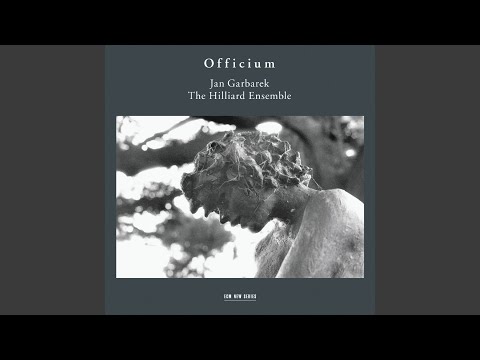
1991年、ECMレコード創設者のマンフレート・アイヒャーはアイスランドで映画を撮っていた。Max Frischの小説を原作とした作品で、その荒涼とした溶岩地帯の風景の中で、彼はある組み合わせに繰り返し耳を傾けていた——スペイン・ルネサンスの作曲家クリストバル・デ・モラレスの聖歌と、ノルウェーのサックス奏者ヤン・ガルバレクの即興演奏だ。

異なるジャンル、異なる時代。しかしその二つの音楽は、アイスランドの荒野という同じ空間の中で、奇妙なほど自然に共鳴した。アイヒャーはその確信を胸に、1993年、オーストリアのSt. Gerold修道院でガルバレクとヒリアード・アンサンブルを引き合わせた。

その日の午後、ヒリアード・アンサンブルがモラレスの「Parce mihi Domine」を歌い始めて3〜4分が経ったとき、ガルバレクは静かにサックスを取り出し、何も言わず演奏に加わった。全員が呆然とするまま最後まで演奏し、曲が終わって沈黙が降りた後、アイヒャーは目に涙を浮かべてこう言った——「すぐに録音しなければならない」。

1994年、アルバム『Officium』がリリースされた。

YouTube video

ヤン・ガルバレクとは何者か

1947年、ノルウェーのミセン生まれ。14歳のときにラジオでジョン・コルトレーンを聴き、その場でサックスを志した。独学でコルトレーンを模倣し、1962年にはアマチュア・コンテストで優勝。その後、アメリカの作曲家・理論家ジョージ・ラッセルに師事し、ECMレコードの最初のリリース(1970年のデビュー作Afric Pepperbird)からレーベルの顔となった。

ガルバレクのサックスの声は独特だ。鋭いエッジを持ちながら、長く伸びる持続音——それはイスラムの礼拝の呼びかけを思わせると評されることもある。しかしその根底にあるのは、ノルウェーの民族音楽との深いつながりだ。トリプティコン(1972年)が彼の演奏にノルウェー民謡を取り入れた最初の作品で、その方向はアメリカのトランペット奏者ドン・チェリーに後押しされたものだった。「私はノルウェーの民族音楽に結びついた特定の語彙やフレーズに縛られている」とガルバレク自身が語っている。

テナーサックスでノルウェー民謡を演奏するとき、彼のマイクロトーナルなピッチベンドはインドのラーガの緩やかな動きを思わせる——それはジャズの平均律的な音程ではなく、歌い手が声で音を揺らすような微細な動きだ。サックスでありながら、まるで声楽的な何かが宿っている。サックスでありながら、まるで声楽的な何かが宿っている。この奏法こそが、ヒリアード・アンサンブルの声楽ポリフォニーとの化学反応を可能にした鍵だった。

ガルバレクの音楽世界は、単なるジャズ・サックス奏者の枠を遥かに超え、自身のアイデンティティや北欧のルーツに深く根ざした「作曲」へと結実していく。その明確な一側面を示しているのが、1993年のアルバム『Twelve Moons』だ。ここではノルウェーの先住民族サーミの伝統歌(ヨイク)や、同郷の作曲家グリーグのモチーフなどを自らの語彙で再構築し、豊穣なオリジナル作品へと昇華させている。

YouTube video

ヒリアード・アンサンブルとは何者か

1974年に設立されたイギリスの男声四重奏団。名前はエリザベス朝の細密画家ニコラス・ヒリアードに由来する。中世・ルネサンス期の音楽を専門とし、グレゴリオ聖歌から16世紀のポリフォニーまでを研究・演奏してきた古楽の権威だ。一方でアルヴォ・ペルトなど現代作曲家の作品も積極的に取り上げ、ECMとも長い関係を持つ。

メンバーはカウンターテナーのデヴィッド・ジェームズ、テナーのロジャース・コヴィー=クランプとジョン・ポター、バリトンのゴードン・ジョーンズの4人。2014年に41年の活動に幕を閉じた。

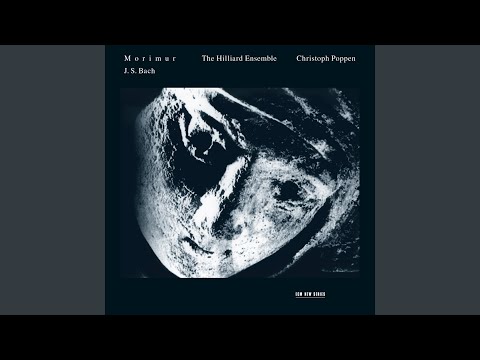
バッハは生涯にわたり多くの教会音楽(聖歌)を残しました。一見、楽器だけの曲に見えるこの「シャコンヌ」ですが、実はその複雑な旋律の裏に、亡き妻への祈りを込めた聖歌が暗号のように隠されていると言われています。古楽の権威ヒリアード・アンサンブルが、その隠された歌声を重ね合わせることで、名曲に全く新たな命を吹き込んでいます。

YouTube video

なぜサックスが「歌う」のか——3つの理由

1. 民族音楽的なピッチの揺らぎ

ガルバレクは音程を固定した点として鳴らさない。ノルウェーの民謡奏法から体に染み込んだ「声のように音を揺らす」感覚が、サックスのラインに肉声的な質感を与えている。ルネサンスの声楽ポリフォニーが持つモーダルな音階構造と、この微分音的な奏法が自然に溶け合う。

2. 修道院の残響

録音はオーストリア・フォアアールベルク州のSt. Gerold修道院で行われた。石造りの空間が生み出す長い残響は、声楽とサックスを同じ音響空間に包み込み、境界を曖昧にする。ガルバレクのサックスは「第五の声」として、4人の声楽家と同じ空気の中で響く。

3. 楽譜を見ないという完全な即興

ガルバレクはヒリアードのスコアを一切見ない。彼が必要とするのは「何調で歌うか——♯が2つか♭が2つか——それだけ」であり、あとはすべて耳だけで演奏する。その即興は予め構成されたものではなく、声楽が生み出す瞬間の感情に反応するリアルタイムの対話だ。だからこそ、どのテイクも同じにならず、サックスの声は「歌の合間を縫う息遣い」のように聴こえる。


モラレスという素材

アルバムの中心にあるのはクリストバル・デ・モラレス(1500年頃〜1553年)——セビリア出身でローマ教皇庁の聖歌隊に10年間仕えた、スペイン・ルネサンスを代表する作曲家だ。彼の「Parce mihi Domine(主よ、我を許したまえ)」は、死者のためのミサ(Officium defunctorum)から取られた曲で、その沈鬱で厳粛な美しさは500年後の石造りの修道院でも変わらず息づいている。

アイヒャーがアイスランドの荒野でモラレスとガルバレクを同時に聴いていたのは偶然ではなかった。どちらも「大きな沈黙の中に置かれた、細い旋律の声」という点で一致していたのだ。

もう一つの奇跡——Cantigas de Santa Mariaという「消えなかった民謡」

『Officium』が聖歌とジャズの出会いであるとするなら、もうひとつの録音はさらに根源的な問いを立てている。13世紀スペインで庶民や吟遊詩人が歌った歌が、なぜ800年後に私たちの耳に「新しく」聴こえるのか。

楽譜として残ったという奇跡

1988年10月、モロッコのフェズにあるムネビ宮殿で、ひとつの録音セッションが行われた。アメリカの古楽指揮者・リュート奏者ジョエル・コーエン率いるCamerata Mediterranea、フェズ・アンダルシア管弦楽団(指揮:Abdelkrim Rais)、そしてモロッコの音楽家Mohammed Briouelが一堂に会した。曲目は13世紀カスティリャ王アルフォンソ10世(「賢王」)のもとで集成された聖母マリアへの歌、カンティガス・デ・サンタ・マリア(Cantigas de Santa Maria)。

カンティガスとは何か。13世紀のガリシア=ポルトガル語で書かれた420篇の詩と楽曲の集成で、聖母マリアへの賛美歌と奇跡物語からなる。作曲者の大部分は無名だ。宮廷に集まったイスラム教徒、キリスト教徒、ユダヤ教徒の詩人・吟遊詩人・音楽家たちが生み出した歌を、アルフォンソ10世が王の権威をもって収集・集成した。だからこそ今日まで残った。

重要なのは、これらが楽譜として残っているという事実だ。4つの写本(エル・エスコリアルに2冊、マドリード国立図書館に1冊、フィレンツェに1冊)が現存し、それぞれに音楽記譜法が記されている。中世の記譜法は現代のものとは異なるため解読には専門知識を要するが、少なくとも旋律の輪郭は読み取ることができる。

これは奇跡に近い。同時代に貴族や大衆のあいだで歌われた無数の旋律は、楽譜なき口承として消えた。しかしカンティガスは王の庇護のもとで写本に刻まれ、8世紀の時間を超えて届いた。

コンビビエンシア——共存の時代が生んだ音楽

13世紀のスペイン、特にカスティリャとアンダルシアは、「コンビビエンシア(共存)」と呼ばれる稀有な文化的状況にあった。キリスト教・イスラム教・ユダヤ教の三宗教が同じ空間で共存し、互いの文化が交差していた。この状況はレコンキスタ(国土回復運動)の進行とともに複雑な緊張をはらんでいたが、少なくともアルフォンソ10世の宮廷は、その多文化的な交差点として機能していた。

カンティガスの音楽には、グレゴリオ聖歌のモードとアラブ=アンダルシア音楽の微分音的な色彩が混在している。ウード、カヌン(ツィター系弦楽器)、ダルブッカ(ゴブレット型太鼓)が声楽と絡み合う。これはキリスト教の祈りの音楽でありながら、イスラムの楽器と音階を纏っている。1988年のフェズでの録音が、ヨーロッパの古楽アンサンブルとモロッコのアンダルシア音楽の奏者を同じ部屋に置いたのは、その歴史的な混交の再現でもあった。

ジョエル・コーエンという案内人

1942年、ロードアイランド州プロビデンス生まれ。ブラウン大学を経てハーバード大学で作曲を学んだ後、パリに渡りナディア・ブーランジェに師事した。1968年にボストン・カメラータの音楽監督に就任し(2008年まで40年間在任)、その後1990年にはCamerata Mediterraneaを設立した。

アメリカにおいてコーエンはボストン・カメラータの長期リーダーとして知られているが、大西洋の東側ではリュート奏者・弾き語り名手としての評価が高い。コーエン自身がリュートを弾きながら指揮・歌唱を行うスタイルは、中世やルネサンスの吟遊詩人的な音楽の在り方に直結している。フランス国立ラジオでの音楽プロデューサーとしての経験、エジソン賞(オランダ)の受賞、フランス芸術文化勲章(オフィシエ)の叙勲がその国際的評価を示している。

カンティガスの録音がEdison Prize 2000を受賞したことは、この「古いが新しい」音楽が専門家からも高く評価されたことの証だ。

YouTube video

なぜ800年後に「新しく」聴こえるのか

楽譜として残ったことは保存の奇跡だが、それだけでは「現代の耳に新鮮に響く」理由にはならない。

理由のひとつは解読の不確かさだ。中世記譜法にはリズムの情報が曖昧にしか残っていないため、演奏者はある程度の解釈的自由を持って演奏する。厳密な再現ではなく、発掘と再創造のあいだにある音楽だ。

もうひとつは混交そのものの現代性だ。ウードとリュート、アラブの打楽器とヨーロッパの弦楽器が交差するカンティガスの音響は、現代のワールドミュージックやクロスオーバーの感覚とどこか通底している。しかしそれは計算された「融合」ではなく、共存が当然だった時代の自然な産物だ。その無計算さが、かえって現代の耳を驚かせる。

アルフォンソ10世の宮廷で名もない歌い手が口にしていたメロディが、フェズのムネビ宮殿でモロッコとヨーロッパの音楽家によって息を吹き返し、2000年代の私たちの耳に届く。楽譜という細い糸が、その800年の橋を架けた。

記録として

Officiumは1994年のリリース後、クラシック・チャートだけでなくポップ・チャートにも登場し、ECM史上最大の売り上げとなる150万枚以上を記録した。批評家はこのアルバムを「ジャズでも古楽でもない、名前のない何か」と呼んだ。ヒリアードのメンバー、ジョン・ポターは言った——「これは何の音楽か?私たちにはわからない。サックス奏者と声楽四重奏とレコード・プロデューサーが出会って音楽を作ったとき、そこで起きたことだ」と。

その後20年間で約1000回のコンサートが行われ、続編としてMnemosyne(1999年)、Officium Novum(2010年)、Remember Me, My Dear(2019年)がリリースされた。