Voice as Instrument: A History of Imogen Heap's Experiments
The Memory of Mistaking a Voice for a Machine
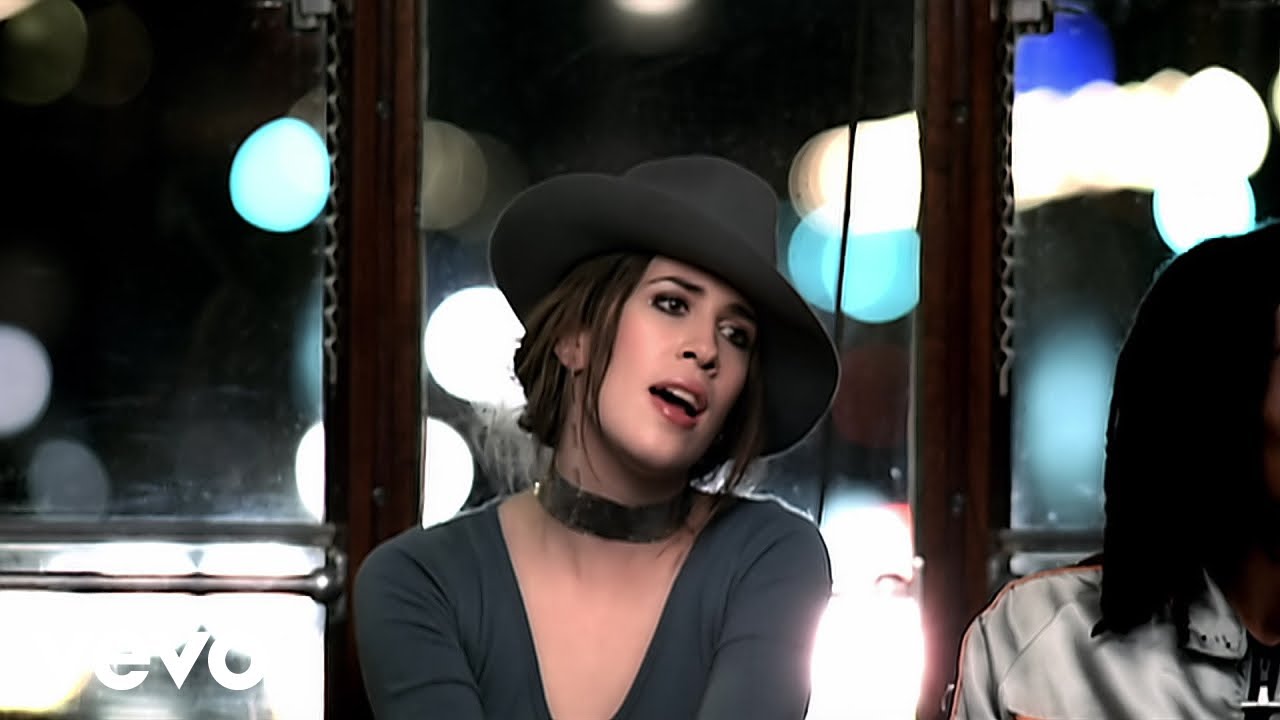
From her frou frou days, she already possessed an overwhelming vocal ability — pitch that never wavered, a voice that stretched straight and true, almost like a Vocaloid.
I want to start with an honest confession about the first time I heard her voice. It sounded so evenly sustained that I genuinely wondered whether it had been run through a pitch shifter or harmonizer. As one half of frou frou, she was still very much a vocalist standing at the front of a pop song, and Guy Sigsworth's production placed her voice squarely at the center. And yet, even at this stage, there was already something more than an “emotional vessel” in her voice. The fact that a raw, unprocessed voice could carry this kind of mechanical evenness now reads, in hindsight, as the seed of two decades of experimentation to come.
Speak For Yourself: The Compositional Foundation Behind the Vocal Experiments
After frou frou's major success, Heap didn't hand the reins to another producer — she started making music on her own. On 2005's Speak For Yourself, she handled everything herself: composing, producing, recording, arranging, mixing. The record was both a critical and commercial success. In other words, she wasn't just a vocalist with a gifted voice — she was also a composer and producer capable of completing a piece of music entirely on her own. Treating the voice as an instrument was one experiment that grew out of that broader practice of making music herself.
Hide and Seek: The Vocoder as a Stage
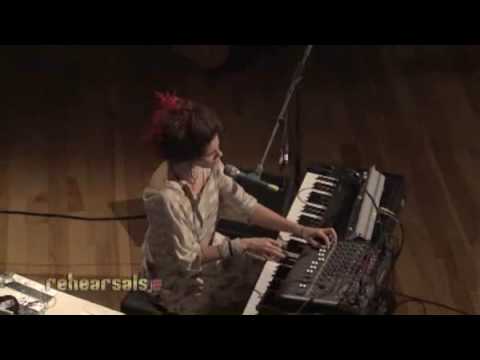
2005's “Hide and Seek” is known for using a vocoder alone to expand a single voice into harmony, percussion, and melody all at once. What matters here is that this effect holds up just as precisely in a live setting. A vocoder reproduces the pitch instability of the input signal directly in its output, so the fact that the vocal texture in this footage never breaks down isn't a product of studio editing — it's proof of a raw vocal control that holds even in real time.
Just For Now: Precision Without Processing
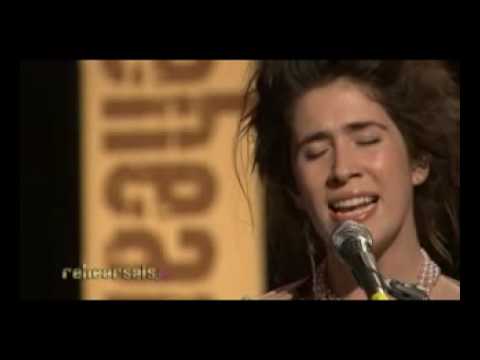
If you want to confirm her technical ability without the crutch of a vocoder, this live looping performance is the place to look. She builds up roughly six vocal loops on the spot, including unison doubling, and by the end every loop lines up in perfect time. With no processing to lean on, the precision here rests entirely on her own ear and vocal control.
The Mi.Mu Gloves: Building Her Own Instrument
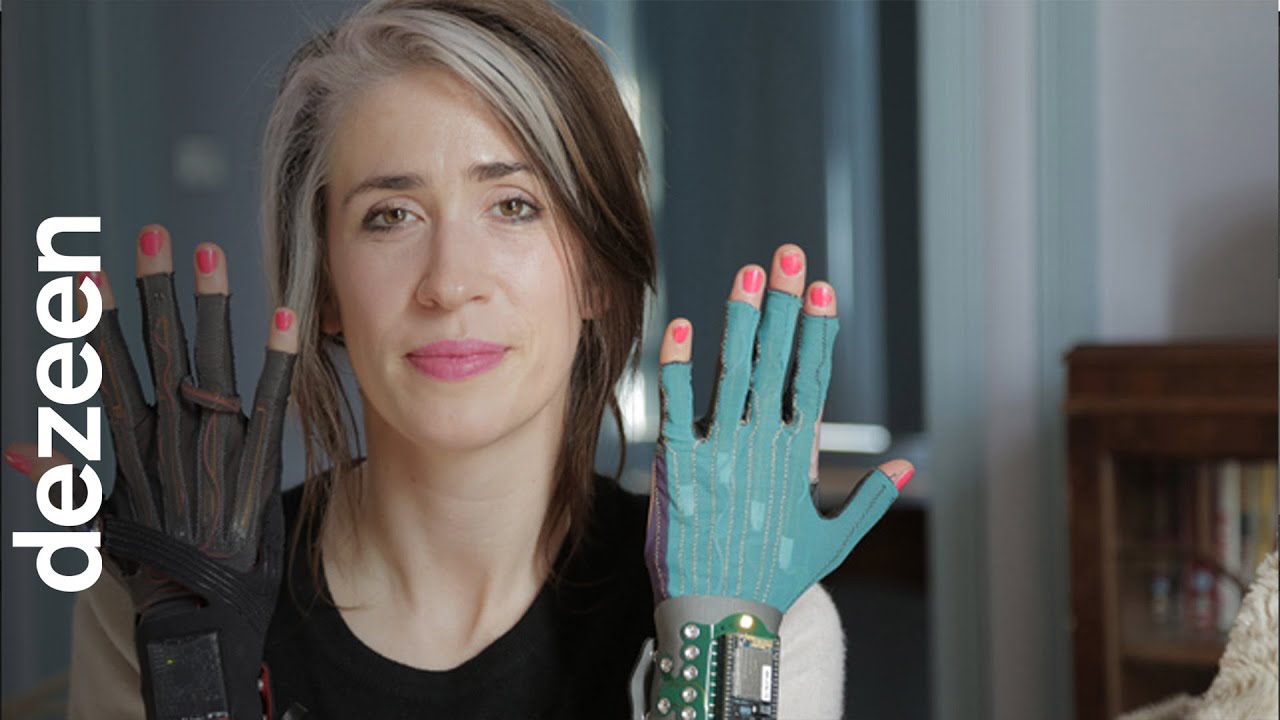
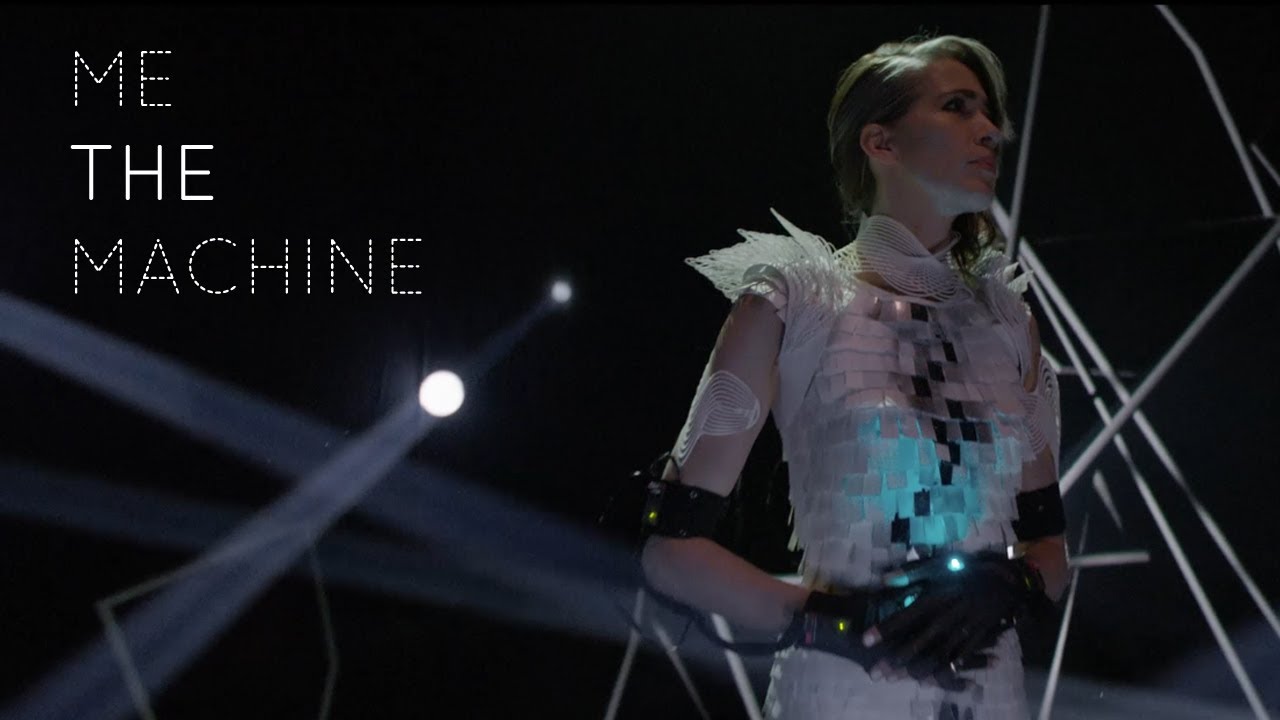
In the 2010s, she moved into developing the Mi.Mu gloves, a gesture-controlled instrument for manipulating the voice. In the Dezeen interview, she makes clear that this wasn't built as a personal effects unit but as a general-purpose instrument designed to draw out different creative possibilities depending on who wears it. The music video for “Me The Machine” shows the gloves extended beyond voice alone into visual control as well, revealing a scope that reaches toward a unified controller for voice, song structure, and image together.
Sparks: One Culmination of the Vocal Experiments
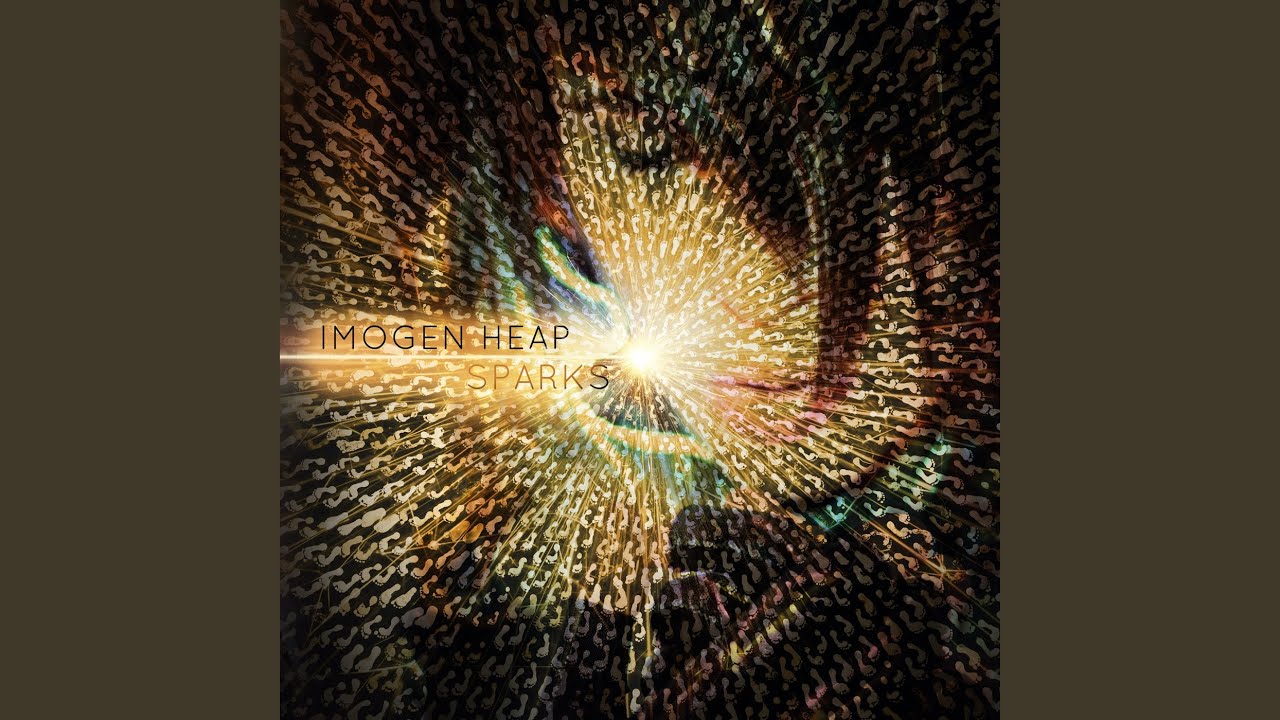
Looking across Sparks, the 2014 album on which the gloves debuted, you can see the vocal experimentation she'd been building toward all along come together as sheer expressive range. “Entanglement,” for instance, is an electro track built on 808 percussion and synth bass, with a string section layered on top that adds a melancholic shading. Her voice never gets buried here despite the accompaniment of various acoustic instruments. And against the surging, Islamic- and Eastern-inflected choral swells found on some of the album's other tracks, her voice steps outside the frame of “singing a melody” altogether, weaving itself in unbothered, with the texture of a sustained drone from a traditional instrument. It holds enough presence to construct the track with the same force as the other instruments while standing as a lead vocal — and at the same time, it's reverbed, multi-tracked, and folded into the harmony as pure material. The fact that “singing” and “becoming material” coexist within the same song is what shows her vocal experimentation had already moved past mere technical novelty by this point. Sparks stands as one culmination of the vocal experiments she'd been building since her frou frou days.
But her journey didn't stop there.
ai.mogen: The Stage of Replication

On the 2025 EP I AM ___, an AI vocal called ai.mogen — a replica of her own voice — appears with its own independent credit. “Aftercare” is structured as a duet between her and this replicated version. The switch between her natural voice and the AI voice can be told apart on close listening, but there are moments where separating the two by ear alone is genuinely difficult. That very difficulty of discernment is arguably what confirms how refined the replication technology has become. The fact that her son Scout's vocal solo appears on the same record also resonates with the EP's theme — that a voice is something that can be inherited and replicated.
Reckoning: Confronting a Powerful Beat for the First Time

Set against this quarter-century of vocal experimentation, “Reckoning,” released on June 30, 2026, can be heard as something of a culmination.
Jon Hopkins and Imogen Heap have been friends for more than thirty years — Hopkins toured in Heap's first live band — and yet the two had never actually written a song together. That changed after a joint interview on BBC Radio 6 Music, where they both realized, on air, that this had never happened. That same night, Hopkins returned to a track he'd been quietly working on for nearly a year without ever feeling it was quite right, and it struck him that Heap's voice was the missing piece.
The way the track was built is worth noting too. Rather than bringing in a finished lyric, the two spent several days of vocal sessions building the song organically through improvisation and editing, with Heap processing her vocals through her own Mi.Mu gloves along the way. HAAi added final touches. In April this year, Hopkins made a surprise appearance at Heap's show at London's Roundhouse, where a near-finished version of the track was debuted.
The first thing I noticed on this track was that her voice felt, for her, unusually restrained in volume.
From the frou frou era through I AM ___, the beats in the music she makes herself have largely stayed in a supporting role — rhythm filling in the spaces around and behind the voice, with the voice itself always in the foreground. So it would have been easy to write off that first impression of “not enough voice” as a simple sign of decline.
But the more I listened, the stronger the suspicion grew that this was a deliberate placement. The low end of this track — the thickness of the sub-bass, the force of the kick — is clearly different from anything in her own approach to beat-making. Hopkins has spent years pursuing a physical low-end design that shakes the floor, and that same vocabulary is carried straight into this track. What makes her voice drift here like texture isn't, before anything else, a decline in vocal power with age — it reads more as her confronting, for the first time, a wall of physical low end that belongs to Hopkins rather than to the beat-making habits she's built for herself.
In other words, this track is neither “voice commanding the accompaniment” nor “voice buried by the accompaniment.” For the first time in her career, it's an attempt at voice and beat colliding and coexisting as equals. There's a real paradox in the fact that a song born from thirty years of friendship ends up breaking her own compositional habits — and that paradox is exactly what makes this track worth reading as more than a feature or a collaboration: as a new chapter in her ongoing history of vocal experimentation.
Not a Story of Emotional Expression, But a Technical History of Turning Voice Into Instrument
From the “was that processed?” confusion of frou frou, through the vocoder, the looper, the gloves, AI replication, and now a first confrontation with someone else's physical beat — what she has consistently pursued isn't a story of deepening emotion. It's a technical history of continuing to manipulate the function and placement of voice as raw material. Her vocal power itself may not be what it was in her younger years, but that's better read not as “decline” but in the context of an ever-expanding set of choices for how to place a voice. “Reckoning” is one ongoing chapter in a technical history that's still being written.