A Renaissance Sung by a Digital Diva: Sintel's Missa Miku and the Unlikely Meeting of Early Music and Vocaloid
I never imagined that my search through the depths of the internet for the solemn polyphony of Tomás Luis de Victoria would lead me to the voice of Hatsune Miku.
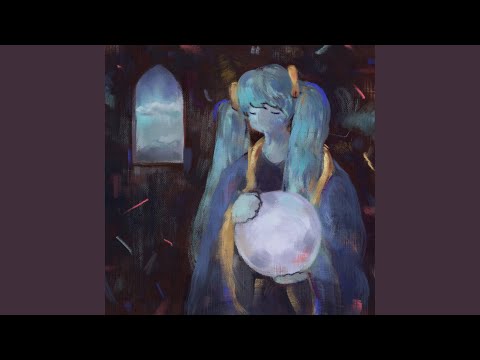
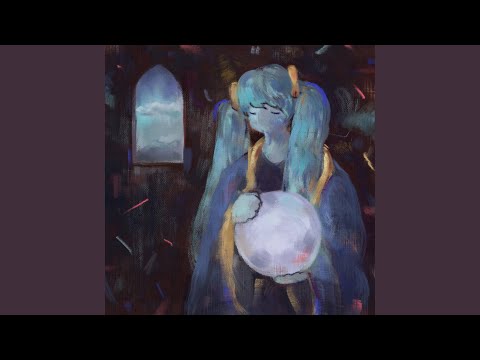
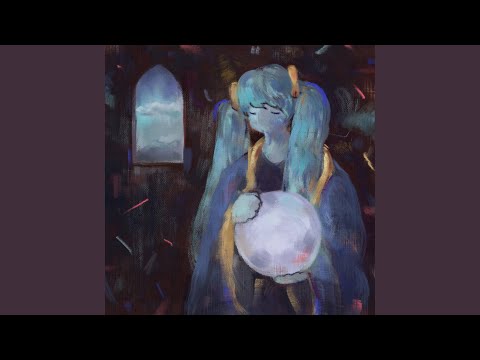
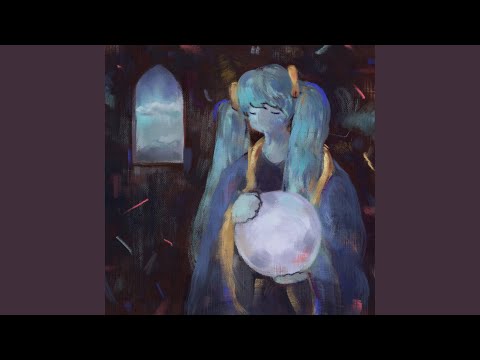
And yet, here we are. Released in 2021 by an artist called Sintel, Missa Miku is a remarkable — and remarkably strange — album where centuries-old sacred music, modern voice synthesis technology, and the chaotic humour of internet culture coexist in ways no one could have predicted.
1. The Machine's Own Beauty: What Vocaloid Brings to Early Music
If you think of Hatsune Miku as merely an “anime character,” it's time to reconsider. At her core, she is a voice synthesis software — an instrument of extraordinary flexibility, built from sampled human vocals, yet capable of something entirely its own.
Renaissance sacred music demands purity above all else: sound stripped of everything superfluous. And this is precisely where Miku's voice finds its uncanny fit. Unlike a human singer, her pitch does not waver — it extends in a straight, unwavering line, like a synthesizer tone. That mechanical purity resonates with startling clarity inside the open, luminous space of Renaissance polyphony. Free from vibrato and emotional inflection, her neutral transparency seems to summon the acoustic world of a medieval cathedral into the circuitry of a modern computer.
2. The Craftsman's Prayer: Pitch Control as Devotion
The true depth of this album, however, lies in the staggering amount of labour hidden beneath its luminous surface.
Voice synthesis software, when notes are entered mechanically from a score alone, produces nothing but cold, lifeless sound. To render the fluid melodic lines of early music, the artist must sit at the screen and painstakingly draw in the subtle curves of pitch, volume, and the attack of each consonant and vowel — note by note, by hand. The sheer effort required to make multiple voices lock together in convincing polyphony is daunting. In that sense, the traces of this meticulous control feel like a form of devotion in themselves — a modern creator's equivalent of prayer.
3. The Composers
The classical repertoire Sintel draws from is entirely serious.
Tomás Luis de Victoria (c.1548–1611) The greatest Spanish composer of the Renaissance, and one of the foremost masters of polyphony alongside Palestrina. His music carries a distinctive quality — mystical, tinged with deep melancholy and fervour. His O Magnum Mysterium as sung by Miku is essential listening.
Giovanni Pierluigi da Palestrina (c.1525–1594) A contemporary of Victoria, and the towering Italian figure of the Roman School. Palestrina refined counterpoint to its absolute limits — something close to the patron saint of Renaissance music. His perfectly balanced melodies (represented here by Jesu, Rex Admirabilis) prove to be a surprisingly natural match for digital precision.
Henry Purcell (1659–1695) The greatest composer in English music history, working in the Baroque era. The album's Miku's Lament takes its title directly from Purcell's Dido's Lament — a one-word substitution that is itself the joke — drawn from the famous aria in the opera Dido and Aeneas. How that aria's aching beauty translates through Miku's voice is one of the album's genuine highlights.
4. Washing Machines and Birth Cries: The Experimental Tracks
Another dimension of this album is the way deadpan, internet-flavoured absurdity slips in alongside the earnest musicianship without apology.
Track 1, Genesis of a Miku, opens with the sound of flowing water, after which Miku's voice enters — quiet, murmuring, like a newborn's first cry. It is a gentle announcement of her arrival, the album's soft beginning. Then, midway through, Track 8 brings the title Accidentally left Miku in the washing machine — and water returns, this time in a very different form. Here, glitchy synth noise and cut-and-pasted fragments of Miku's voice loop together in an experimental piece barely forty seconds long. From the sacred waters of birth to the mundane water of the laundry cycle: it is precisely this kind of move — placed between pieces of solemn polyphony without comment or irony — that reveals Sintel's particular sensibility.
And partly due to the technical demands of the work, every track on the album is a short piece of around two minutes. The total runtime is just eighteen minutes — extraordinarily brief for a classical album. But that brevity is also its strength: there is not a wasted moment, and the density of what is packed into those eighteen minutes is remarkable.
5. The Mysterious Artist: Sintel's Discography
The architect of this experiment is Sintel, a Belgium-based artist of quietly eccentric disposition. His 2019 album Top Ten most Epic fish of all time presented ambient electronica of genuine beauty organised around the concept of — exactly as advertised — the ten most epic fish, from the Manta Ray to the Coelacanth. His 2020 follow-up Outer Gardens built a beautiful and mysterious sonic world around track titles like List of Lists of Video Game Terms, lifted verbatim from the margins of Wikipedia.
The pattern is consistent: a serious commitment to beauty, combined with an equally serious commitment to the strange detritus of the internet. Missa Miku is where that sensibility reaches its fullest expression.
Coda: Early Music Was Always This Close
Even for a listener who has never encountered early music before, this album is surprisingly easy to enter. With Hatsune Miku as the medium, Renaissance polyphony quietly ceases to be a relic of distant cathedrals and becomes something immediate, something present. That is Missa Miku's modest but genuine achievement.
The prayers composed for God in churches hundreds of years ago have been passed — through obsessive hand-drawn control curves on a modern laptop screen — to a digital voice, and from there to our ears. Whether you come from classical music or electronic music, this particular digital cathedral is worth stepping inside.