A Quiet Achievement: The Six Parts Seven and Post-Rock Built by Human Hands
There is a genre called post-rock. Layers of sound interweave, guitars stack upon guitars, and textures emerge that seem impossible for any ordinary band to produce. Since Godspeed You! Black Emperor and Mogwai earned their worldwide reputations, the genre has been associated with a certain kind of grandeur — sound accumulated in the studio, effects piled on effects, sonic architecture meticulously constructed in a DAW. That became one of post-rock's defining templates.
But a band from Kent, Ohio called The Six Parts Seven did something else entirely.
Human Beings, Gathered Together, Making Sound
The Six Parts Seven was founded in 1995 by the Karpinski brothers — Allen on guitar and Jay on drums. Tim Gerak joined as a second guitarist in 1997, and from there the lineup remained fluid, though the three of them stayed at the core.
Their instrumentation was distinctive: multiple clean-toned (undistorted) electric guitars, bass, and drums, joined by electric lap steel guitar, vibraphone, grand piano, and occasionally viola or trumpet. Rather than strumming chords, each instrument carried a single-note melodic line, and the sound arose from the way those lines intertwined.
What matters is that this was not the product of DAW-based overdubbing — it was the sound of real musicians gathered in a real studio. Everywhere and Right Here (2004) was recorded at Magnetic North in Cleveland. Little live footage survives, so the full picture is hard to verify from video alone. But this is not music assembled from dozens of retakes and edited together in a DAW. It is the sound of people in a room, listening to each other, playing — and that is what gives it its particular texture.
Suicide Squeeze Records, and Silence
The Six Parts Seven released their records on Suicide Squeeze Records, an independent label founded in Seattle in 1996. It began with singles from Elliott Smith and Modest Mouse, and over time its roster came to include The Black Keys, Russian Circles, and Iron & Wine — a label with genuine standing in the indie world.
And yet The Six Parts Seven never broke through.
The fact that their music was regularly used as background and transition music on NPR's All Things Considered says everything about where they stood. The music played. The name never stuck. One reviewer put it plainly: the band tended to be overlooked because it had no vocalist. Sigur Rós, he noted, owed much of its popularity to the presence of a singer — even one singing in Icelandic that almost no one could understand, that voice created a kind of gravity. Whether Six Parts Seven would ever cross that invisible line, he wasn't sure.
In 2008, the band went on indefinite hiatus.
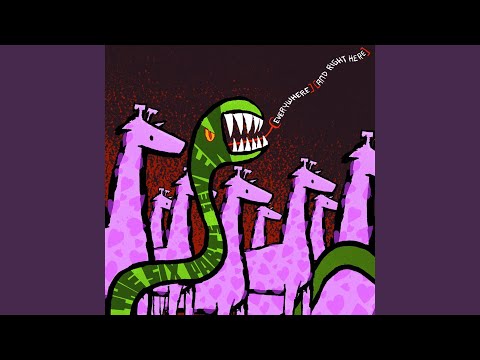
Everywhere and Right Here (2004)
This is their finest work. Eight instrumental tracks, most running over five minutes, drawing the listener quietly deeper through repetition and subtle variation.
“What You Love You Must Love Now.” “Already Elsewhere.” “A Blueprint of Something Never Finished.” The titles function like poetry. The music speaks only in sound, and leaves its resonance only in sound. The sweet tone of the lap steel, the clear ring of the vibraphone, the layered harmonics of multiple guitars moving together. All of it achieved without electronics, through nothing but human performance.
Further Listening
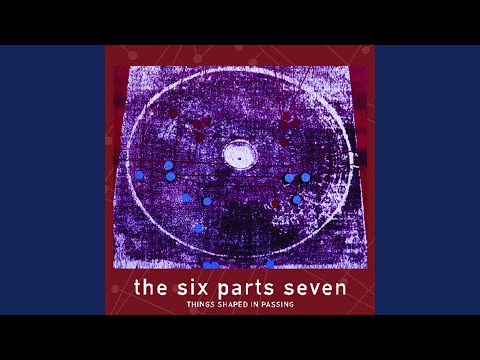
Things Shaped in Passing (2002) was their first album for Suicide Squeeze. The vinyl pressing was limited to 500 copies — a modest release by any measure — yet one Discogs commenter called it “one of the most important instrumental rock albums ever recorded.” With the addition of lap steel and piano, it was the first record to capture the band's sound in its fully realized form. AV Club described it as offering “the attentive listener a brief mental vacation to a stark but scenic landscape.”
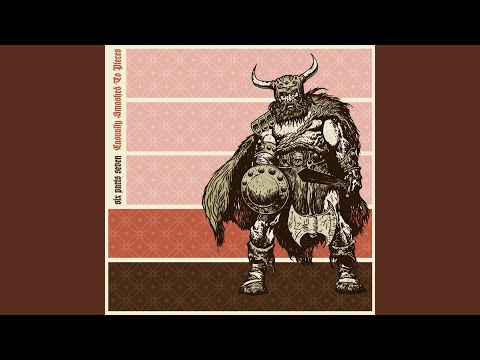
Casually Smashed to Pieces (2007) was their final studio album, recorded at Studio Litho in Seattle and the Ice House in Akron, Ohio, with a wide cast of guest musicians. The band entered hiatus the following year.
There is music that was never spoken of loudly, yet existed with an unmistakable completeness. The Six Parts Seven were that kind of band.